DbcultAccessing Vault...
3.7/10
Senior Film Conservator
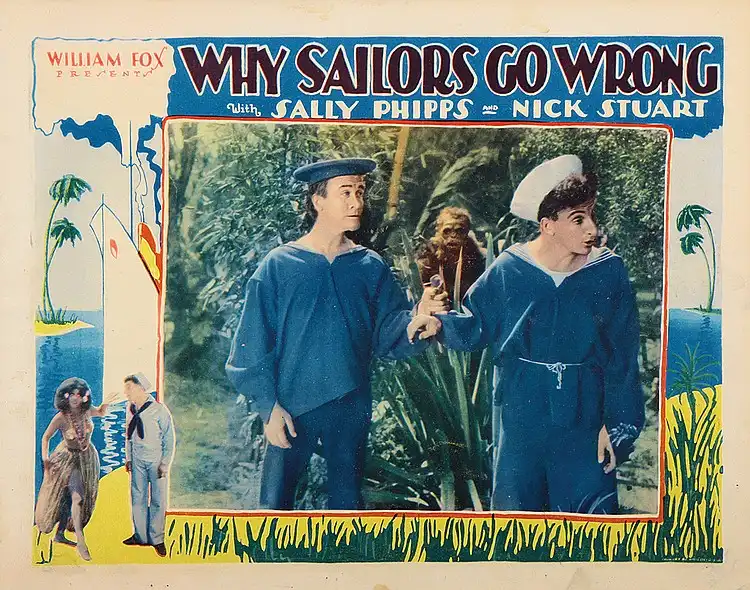
A definitive 3.7/10 rating for a film that redefined the boundaries of cult cinema. Why Sailors Go Wrong remains a cornerstone of transgressive art.
If you’re looking for a lost masterpiece of silent cinema, keep moving. Why Sailors Go Wrong isn’t that. But if you have a soft spot for 1920s vaudeville energy and don't mind a plot that feels like it was written on the back of a napkin during a lunch break, it’s a decent way to kill an hour. It’s for people who enjoy physical comedy that occasionally borders on the frantic, and it’ll probably be hated by anyone who needs their humor to be sophisticated or, well, logical.
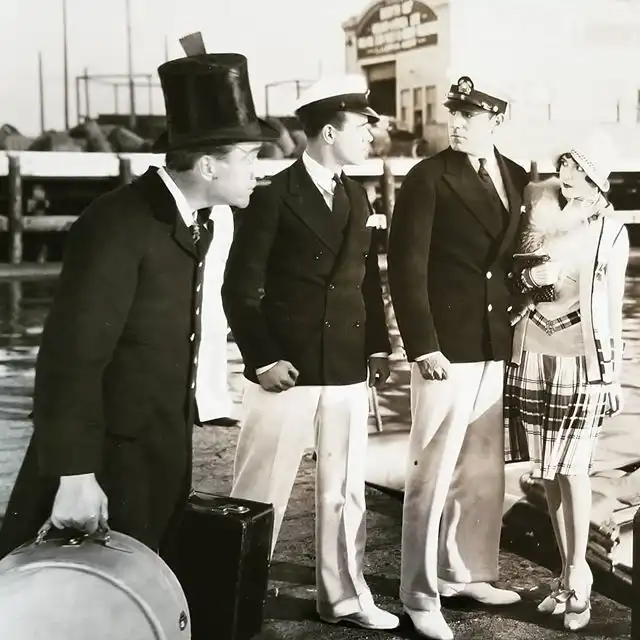
The whole thing centers on Sammy Cohen and Ted McNamara. They were Fox’s answer to the comedy duo craze, and they have this specific, twitchy chemistry. They play two cab drivers who somehow—through a series of events that the movie doesn't care to explain very well—end up as stowaways on a yacht. The yacht belongs to a grumpy father (E.H. Calvert) who is trying to keep his daughter (Sally Phipps) away from the guy she actually likes (Nick Stuart) and steer her toward a 'proper' rival.
The first twenty minutes are surprisingly fast. There’s a scene where the cab drivers are navigating traffic that feels genuinely chaotic. The editing is a little jumpy, and there’s a moment where a car swerves that looks like the stunt driver actually misjudged the curb, but they kept it in anyway. I like those little mistakes; they make the film feel less like a museum piece and more like something people actually made with their hands.
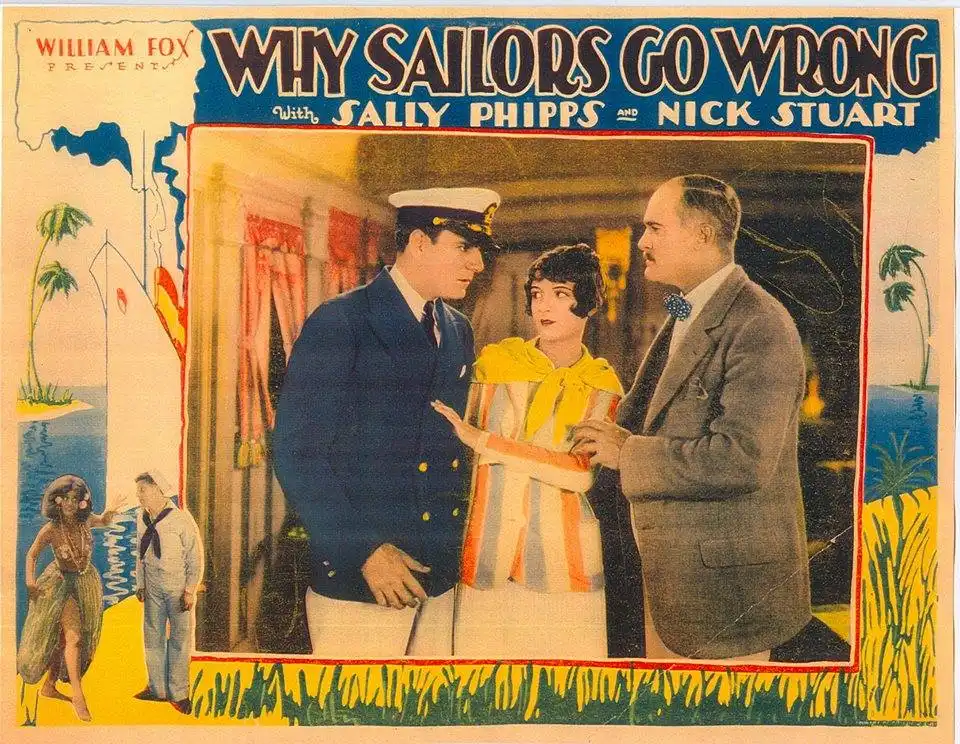
Once they get on the boat, the movie slows down in that way silent comedies often do when they run out of location ideas. There is a lot of running around decks. Sammy Cohen has this way of moving his legs—almost like they’re made of rubber—that is genuinely impressive even if the joke itself isn't that funny. He does this double-take when he sees the 'romantic rival' that lasts about five seconds too long, but his facial expression is so weirdly contorted that I ended up laughing anyway.
The romantic subplot is the weakest part. Nick Stuart and Sally Phipps are perfectly fine to look at, but they have zero sparks. When they’re supposed to be having a 'moment' on the deck, you can see the wind blowing Phipps’ hair into her mouth, and she’s trying to stay in character while clearly being annoyed by it. It’s more interesting to watch the background actors in these scenes; there’s a guy playing a sailor in the far back who looks like he’s bored out of his mind, just staring at the horizon.
Eventually, they end up on an island after a shipwreck. This is where the movie gets into that uncomfortable territory that a lot of films from 1928 do. The 'natives' are played by actors in dark makeup and bushy wigs, and the jokes are exactly what you’d expect from that era. It’s awkward to watch now. It’s not even that it’s offensive—which it is—it’s just that the humor is so lazy. It feels like the writers hit a wall and just said, 'I don't know, let's have them get chased by a lion and some cannibals.'
There is a scene with a monkey on the island that is clearly just a guy in a suit. It’s a bad suit. You can see the seams around the neck. But the way it interacts with Ted McNamara is strangely charming. There’s a brief moment where the 'monkey' pats Ted on the head, and for a second, the slapstick stops and it’s just a weird, quiet beat that feels totally out of place with the rest of the movie. I wish there were more moments like that.
The pacing gets really shaggy toward the end. The escape from the island feels rushed, and the resolution of the romance happens so fast you might miss it if you blink. It lacks the tight construction of something like Alice in the Wooly West, which knew how to keep its momentum. Instead, Why Sailors Go Wrong just sort of... stops.
One thing that really stuck with me was the costume design for the stowaways once they get 'dressed' as sailors. The hats are about two sizes too small for both of them, and Sammy Cohen keeps adjusting his throughout an entire three-minute dialogue scene. It’s a tiny detail, but it’s the kind of thing that makes the duo feel like real people who are genuinely uncomfortable in their surroundings.
It’s a lopsided film. The first half is a solid city comedy, and the second half is a messy island adventure. If you’ve seen The Slaver, you know how these nautical comedies can sometimes get bogged down in being too serious. This one never makes that mistake. It knows it’s a bit of junk, and it leans into the silliness of its leads. It’s not as visually interesting as Shadows of Paris, but it has a lot more heart than something like Wine of Youth, which always felt a bit too manufactured for my taste.
Is it a great movie? No. But the chemistry between Cohen and McNamara is real. You can tell they actually liked working together. There’s a bit where they’re sharing a cramped bunk and they keep hitting each other in the face by 'accident.' It’s basic, bottom-tier physical comedy, but their timing is so perfect that it works. It’s the kind of movie you put on when you want to see what the average person was laughing at in a theater nearly a hundred years ago. It’s loud (well, visually loud), messy, and occasionally very dumb. I kind of liked it for that.
IMDb —
1920
Community
Log in to comment.