DbcultAccessing Vault...
7.3/10
Senior Film Conservator
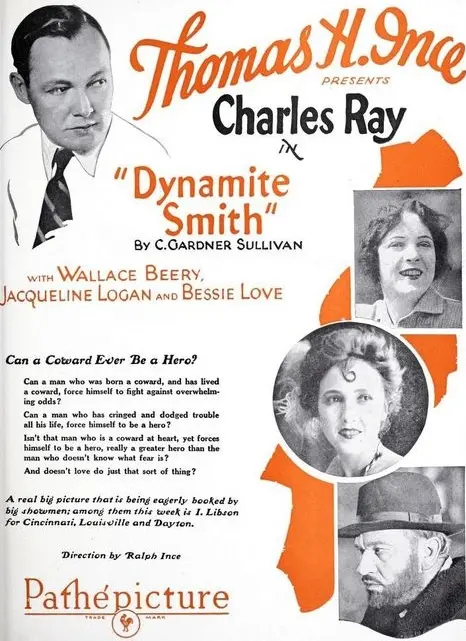
A definitive 7.3/10 rating for a film that redefined the boundaries of cult cinema. Dynamite Smith remains a cornerstone of transgressive art.
In the pantheon of silent thrillers, Dynamite Smith occupies a unique niche, weaving a complex tapestry of fear, survival, and redemption. The film's narrative is set in motion by Gladstone Smith, a young reporter whose pusillanimous nature belies a deep-seated desire for justice.
Gladstone's journey begins on a note of trepidation, as he inadvertently crosses paths with a murderous criminal. The ensuing chase propels him into an unlikely alliance with the killer's wife, who is driven by her own fear of her husband. Together, they flee to the rugged landscape of Alaska, seeking refuge from their pursuer.
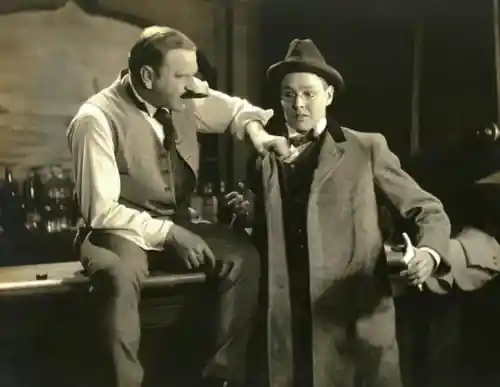
The cinematography masterfully captures the unforgiving vastness of the Alaskan wilderness, serving as a stark backdrop for the characters' emotional journeys. The desolate landscapes and isolated settlements become characters in their own right, imbuing the narrative with a sense of claustrophobia and desperation.
The film's cast delivers commendable performances, with Charles Ray bringing a nuanced vulnerability to Gladstone Smith. His portrayal of a man grappling with fear and self-doubt resonates deeply, making his eventual transformation all the more compelling. Wallace Beery, as the ruthless murderer, provides a chilling counterpoint to Ray's performance, his menacing presence underscoring the ever-present threat of violence.
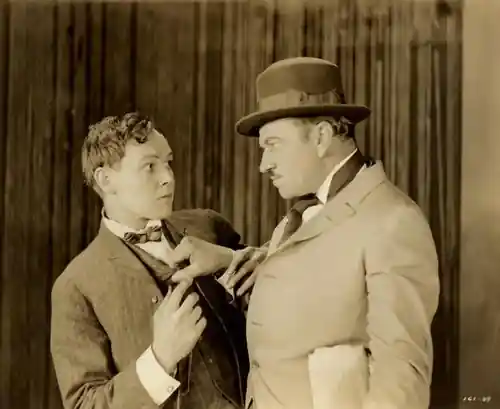
A comparison with other films of the era reveals Dynamite Smith to be a standout example of the thriller genre. Unlike The Crisis, which focuses on themes of social justice, Dynamite Smith zeroes in on the personal struggle for survival. Similarly, Ship Ahoy's lighthearted tone is a far cry from the tense, suspenseful atmosphere of Dynamite Smith.
The film's themes of fear, courage, and redemption are timeless, recalling the works of German Expressionist cinema, such as Das Gespensterschloß. This influence is evident in the use of shadows and lighting to create a sense of foreboding, adding to the overall tension.
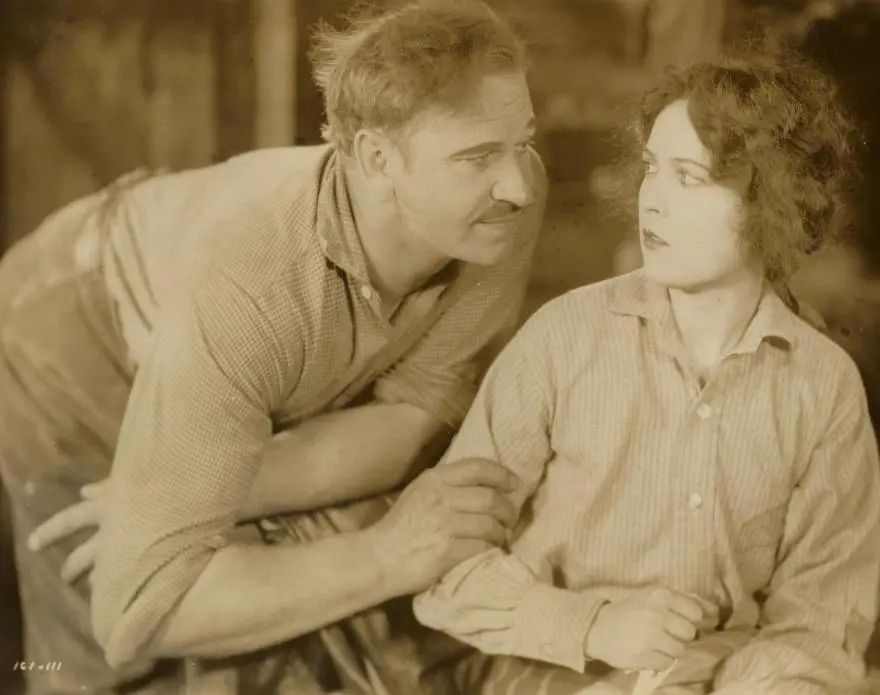
One of the most striking aspects of Dynamite Smith is its exploration of the human psyche. Gladstone's journey from cowardice to courage is a compelling arc, one that speaks to the resilience of the human spirit. This focus on character development sets Dynamite Smith apart from other films of its era, such as His Wife's Good Name and The Wandering Two, which prioritize plot twists over character growth.
The film's pacing is expertly managed, with a narrative that hurtles forward with a sense of urgency. The action sequences, though sparse, are intense and well-choreographed, keeping the viewer on the edge of their seat. The score, though not discussed in detail here, likely played a crucial role in heightening the tension and emotional impact of these scenes.
In terms of cinematographic technique, Dynamite Smith showcases a mastery of composition and lighting. The use of close-ups and medium shots creates a sense of intimacy, drawing the viewer into the characters' world. The cinematographer's use of shadows and silhouettes adds to the overall sense of foreboding, underscoring the danger that lurks around every corner.
A thorough analysis of Dynamite Smith would be remiss without mentioning its place within the broader context of silent cinema. The film's themes and techniques reflect the influences of German Expressionism and the French Impressionist movements, which were prevalent during this period. This contextualization highlights the film's significance within the evolution of cinematic storytelling.
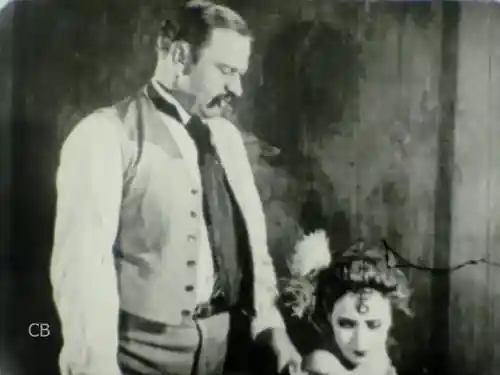
The performances of the supporting cast, including Bessie Love and Jacqueline Logan, add depth to the narrative, their characters' motivations and actions contributing to the overall tension. The chemistry between the leads is palpable, making their plight all the more believable and engaging.
In conclusion, Dynamite Smith is a gripping thriller that expertly balances action, suspense, and character development. Its exploration of the human psyche, coupled with its masterful cinematography and performances, make it a standout example of silent cinema. For fans of the genre, Dynamite Smith is an absolute must-see, offering a thrilling ride that will keep viewers on the edge of their seats.
Further exploration of the film's historical context reveals a cinematic landscape in flux. The 1920s were a transformative period for the industry, with the advent of sound and the rise of new genres. Dynamite Smith, in its own way, contributes to this evolution, pushing the boundaries of the thriller genre and paving the way for future innovations.
The film's score, though a crucial element, is not explicitly discussed here; however, its impact on the overall viewing experience cannot be overstated. The interplay between music, cinematography, and performance creates a rich tapestry of emotions, drawing the viewer into the world of Dynamite Smith.
Ultimately, Dynamite Smith is a testament to the power of cinema to captivate and inspire. Its themes of survival, courage, and redemption continue to resonate with audiences today, making it a timeless classic worth revisiting. For those interested in exploring the film's broader cultural significance, comparisons to other works, such as Sapho and Beatrice Fairfax Episode 9: Outside the Law, offer valuable insights into the era's cinematic landscape.

IMDb 5.9
1917
Community
Log in to comment.