DbcultAccessing Vault...
7/10
Senior Film Conservator
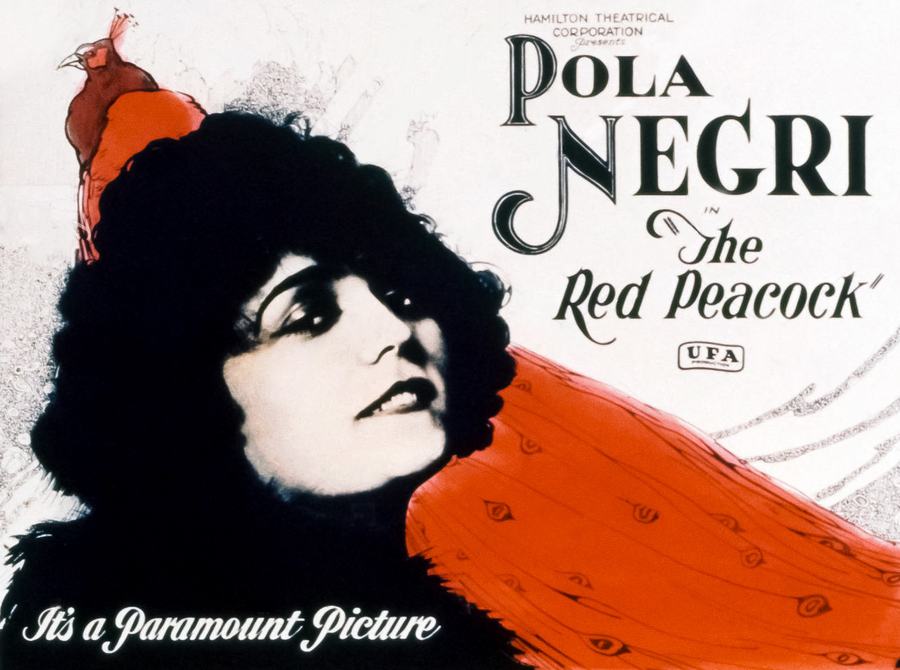
A definitive 7/10 rating for a film that redefined the boundaries of cult cinema. Arme Violetta remains a cornerstone of transgressive art.
When the reels of Arme Violetta begin to spin, the audience is thrust into a Paris that feels both familiar and alien, a city where cobblestones echo with the footfalls of the impoverished and the clatter of carriage wheels herald the arrival of the privileged. Pola Negri, embodying Violetta Duclos, moves through this landscape with a grace that belies the character’s ragged circumstances, her eyes conveying a melancholy that words could never articulate. The film’s opening sequence—an abrupt collision with a motorcar—serves as a visual metaphor for the sudden, violent intrusion of fate into the protagonist’s fragile world.
The collision is filmed in stark chiaroscuro, the harsh headlights slicing through night‑mist, casting elongated shadows that seem to stretch toward Violetta’s destiny. As she lies bruised on the pavement, a young Alfred Germont (Victor Varconi) appears, his silhouette framed against the flickering lamplight. Their exchange is conveyed through expressive gestures and intertitles that read like poetry, establishing a bond forged in the crucible of shared vulnerability. This moment is not merely a plot device; it is a testament to the silent era’s capacity to communicate profound emotional currents without uttering a single word.
Alfred’s sudden summons to a family emergency creates a rupture that reverberates throughout the narrative. The film does not linger on melodramatic explanations; instead, it cuts to a close‑up of Violetta’s clenched fist, her fingers trembling as she watches the playwright’s silhouette recede into the fog. This visual shorthand underscores the theme of abandonment that permeates the work, echoing the existential dread found in The Edge of the Law where characters grapple with the capriciousness of fate.
In the wake of Alfred’s departure, Violetta’s fortunes appear to spiral downward until she encounters the aristocratic Count von Geray (Michael Bohnen). The Count’s introduction is orchestrated with opulent set pieces: gilded mirrors, velvet drapes, and a chandelier that casts a warm, amber glow reminiscent of the film’s recurring dark orange motif (#C2410C). He extends a hand, promising her a life insulated from the squalor that has defined her existence. Violetta’s initial refusal is captured in a lingering shot of her turning away, the camera panning to reveal the stark contrast between her tattered coat and the Count’s sumptuous attire.
Yet desperation is a persuasive suitor. The narrative arc bends as Violetta, faced with the specter of starvation, succumbs to the Count’s allure. Their escape is filmed with kinetic energy—a tracking shot that follows their carriage as it speeds away from the dimly lit alleys, the city’s silhouette receding like a memory. This sequence is reminiscent of the visual dynamism in Little Women, where movement becomes a character in its own right.
Alfred’s return is marked by an urgency that fuels the film’s second act. He traverses rain‑slicked streets, his determination evident in the tight framing of his clenched jaw and the rhythmic pounding of his boots against cobblestones. The director employs a sea‑blue palette (#0E7490) during these chase sequences, the cool hue reflecting Alfred’s melancholy resolve. The audience is drawn into his internal conflict: does he chase a woman who abandoned him, or does he chase the ghost of a love that may no longer exist?
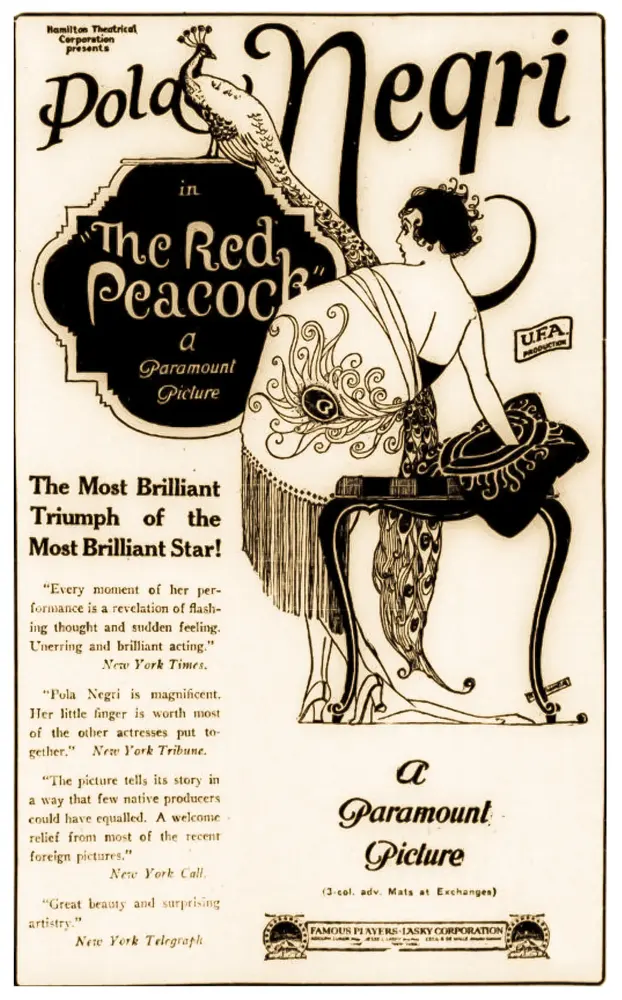
The climax arrives not with a dramatic confrontation but with a hushed confession. Violetta, now residing in the Count’s lavish manor, reveals to Alfred that her departure was not a betrayal of affection but a desperate attempt to shield him from the specter of her deteriorating health. A close‑up of her pallid cheek, illuminated by a single candle, conveys a fragility that transcends the screen. The intertitle reads, “I could not bear to see you suffer for my weakness,” a line that resonates with the tragic self‑sacrifice found in classic literature.
The film’s resolution is deliberately ambiguous. The Count, portrayed with a stoic elegance by Bohnen, watches the lovers from a distance, his expression inscrutable. The final frame lingers on Violetta’s hand, clasped over Alfred’s, as the screen fades to black. This lingering ambiguity invites viewers to contemplate the cost of love, the inevitability of fate, and the societal constraints that bind both the impoverished and the aristocracy.
Pola Negri’s performance is the film’s beating heart. Her ability to convey anguish through a single raised eyebrow or a trembling lip is a masterclass in silent‑film acting. Victor Varconi’s Alfred balances stoic resolve with palpable tenderness, while Michael Bohnen’s Count exudes an aristocratic aloofness that never fully descends into caricature. Supporting actors such as Alexander Antalffy and Paul Otto provide nuanced layers, enriching the tapestry of the narrative.
Director Hanns Kräly (co‑writer with James Ashmore Creelman) employs a visual language that is both lyrical and precise. The use of shadows to delineate class divisions, the strategic placement of color motifs, and the fluid camera movements all coalesce into a cohesive aesthetic. The film’s score, though unseen in this text, is a haunting piano accompaniment that underscores the emotional gravity without overwhelming the visual storytelling.
When placed alongside contemporaneous works such as The Whirlpool or Life's Harmony, Arme Violetta stands out for its unflinching portrayal of a woman’s agency amid oppression. Unlike the overt melodrama of Love's Conquest, this film opts for subtlety, allowing the audience to infer the depths of Violetta’s sacrifice.
Decades after its release, Arme Violetta continues to resonate, offering a lens through which modern viewers can examine themes of class disparity, gendered sacrifice, and the silent eloquence of visual storytelling. Its preservation in film archives underscores its cultural significance, and scholarly discourse frequently cites its nuanced approach to narrative economy.
In sum, Arme Violetta is a haunting meditation on love’s capacity to both elevate and imprison. The film’s meticulous craftsmanship, combined with powerhouse performances, renders it a cornerstone of silent‑era cinema. For cinephiles seeking a work that marries aesthetic beauty with profound emotional resonance, this masterpiece offers an experience that lingers long after the final frame fades.
IMDb 6.2
1915
Community
Log in to comment.