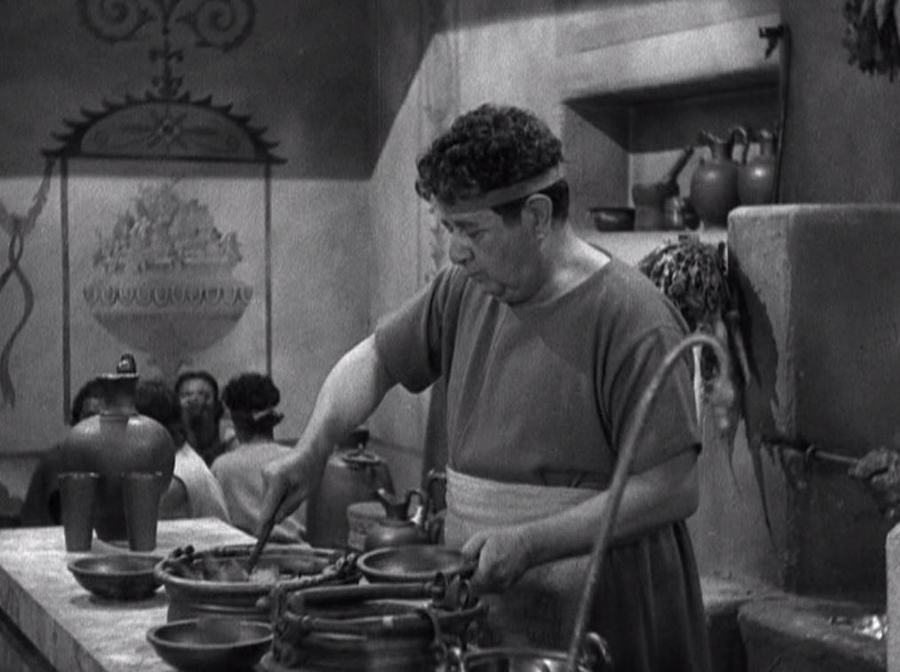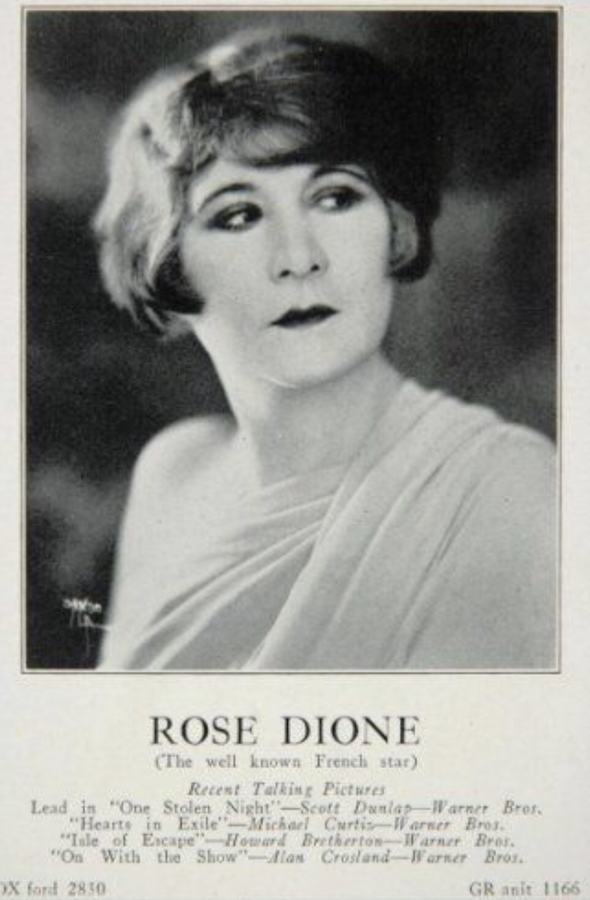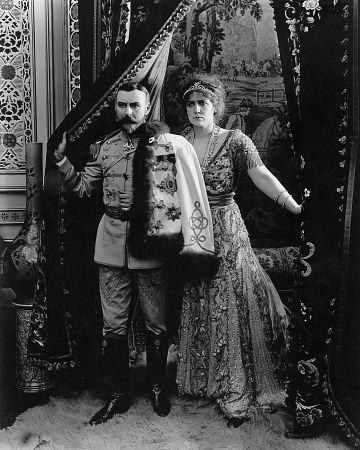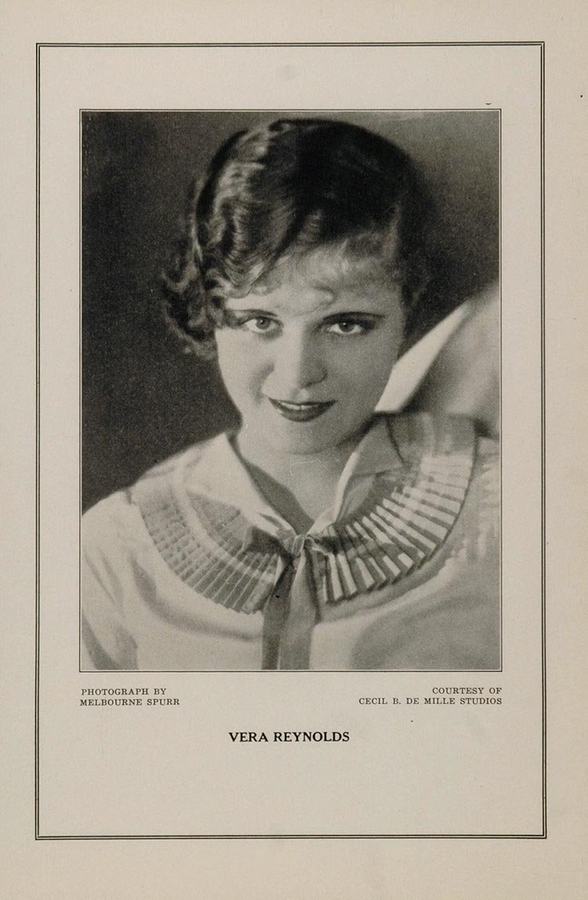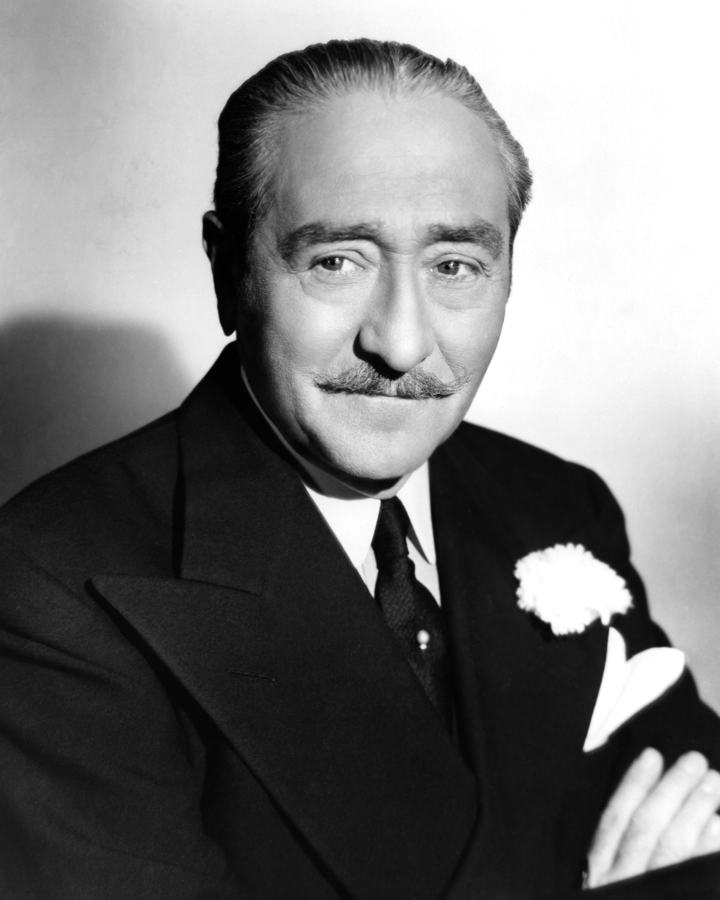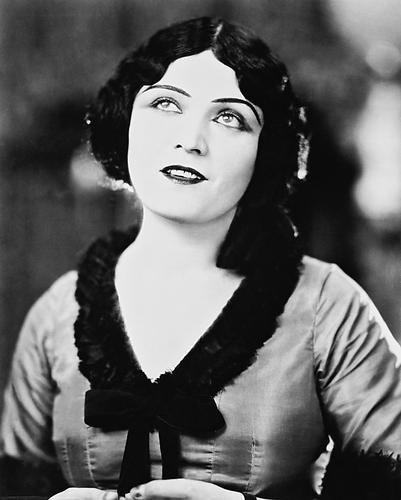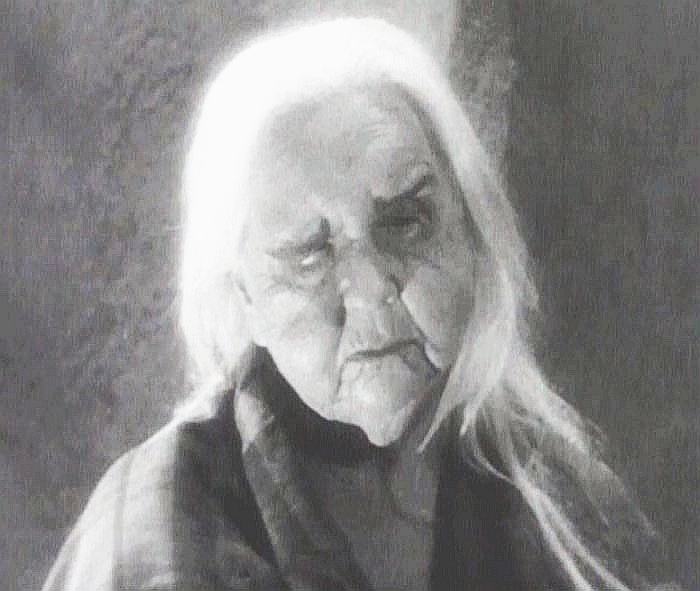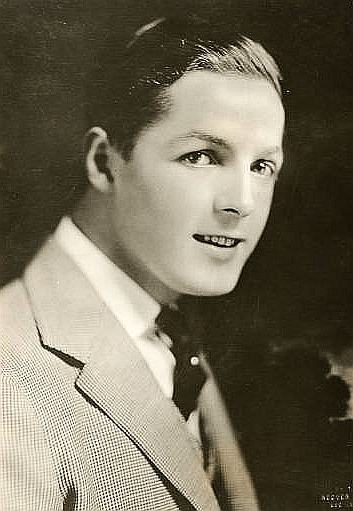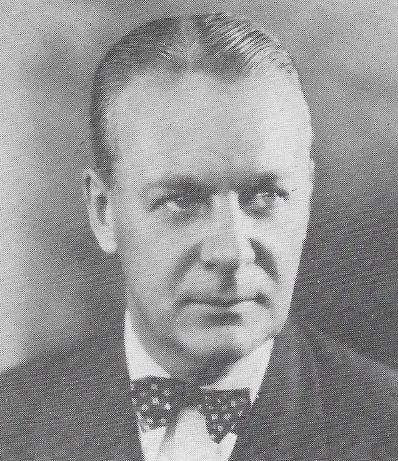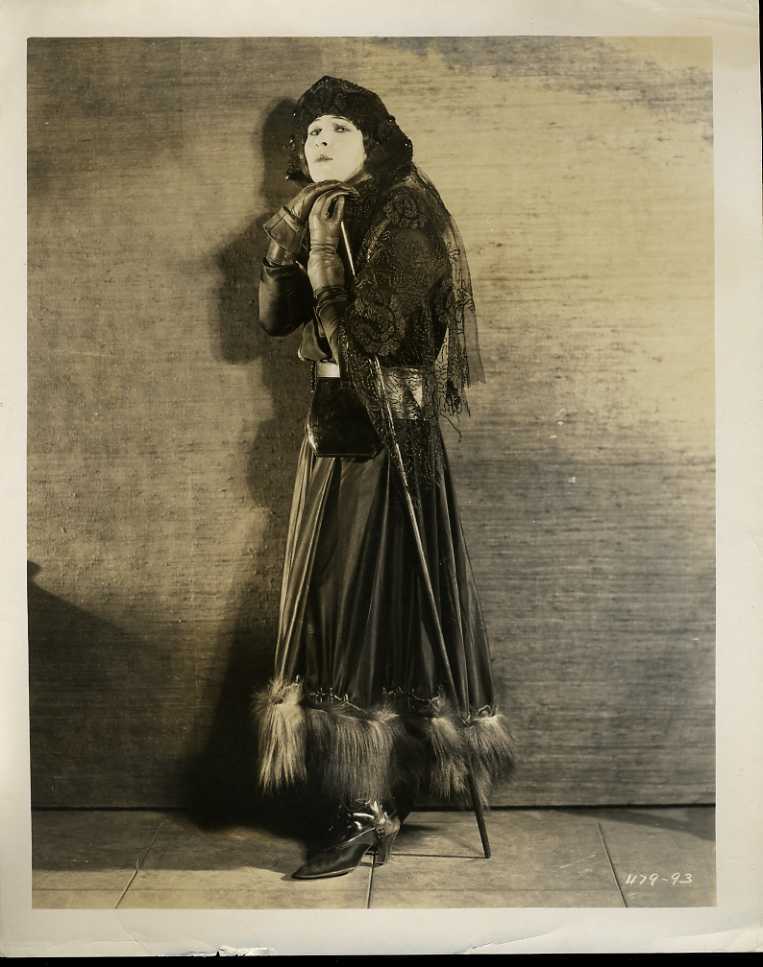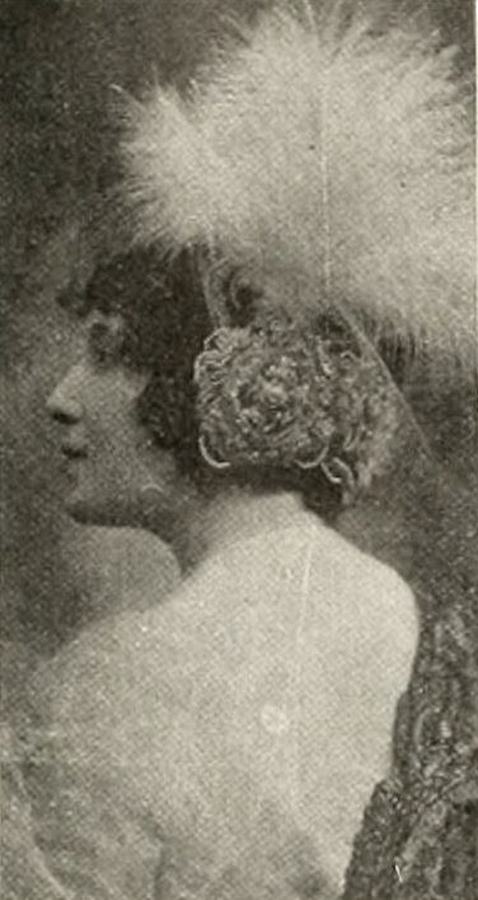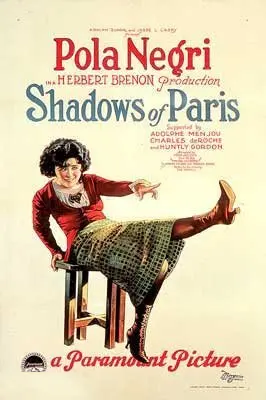
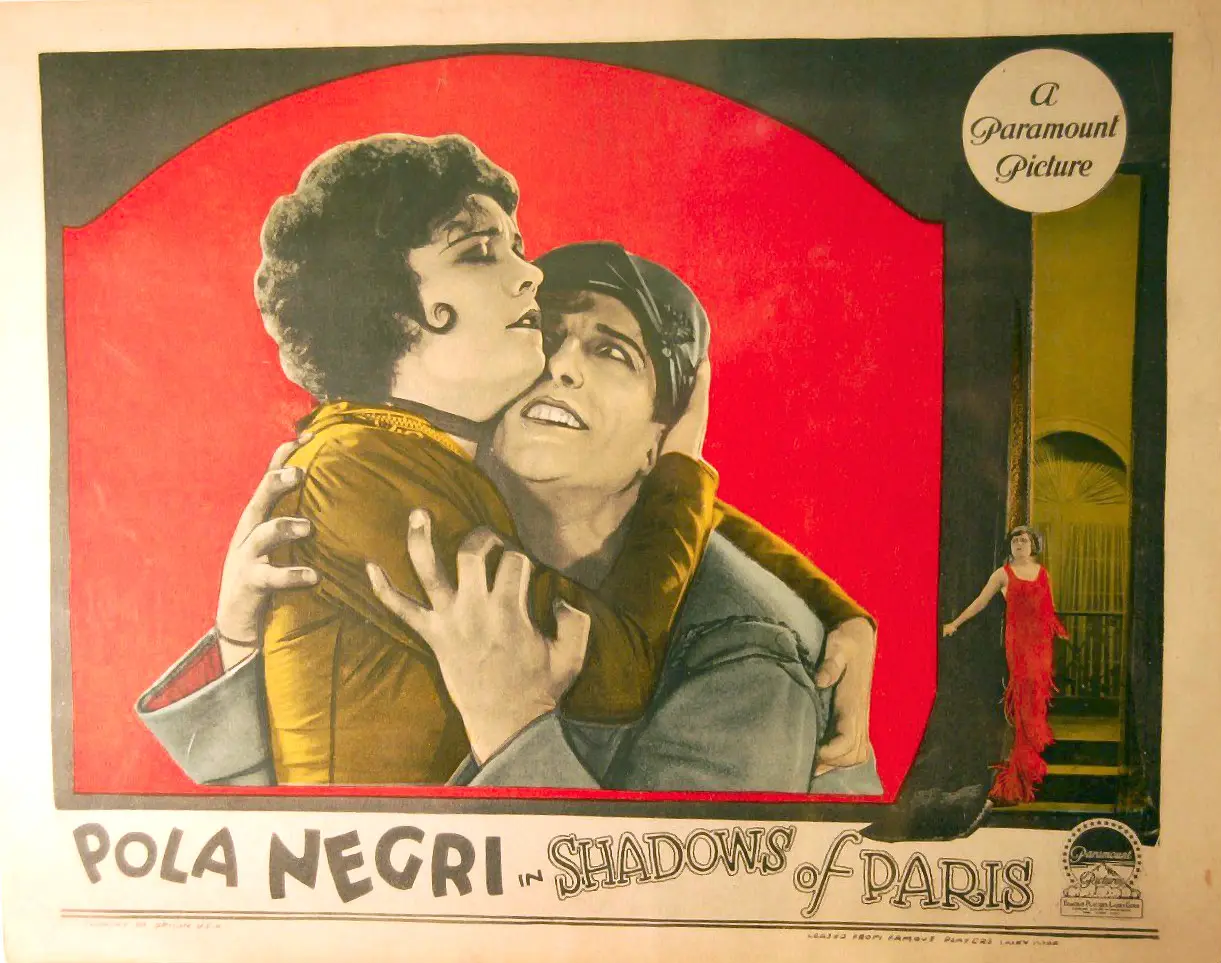
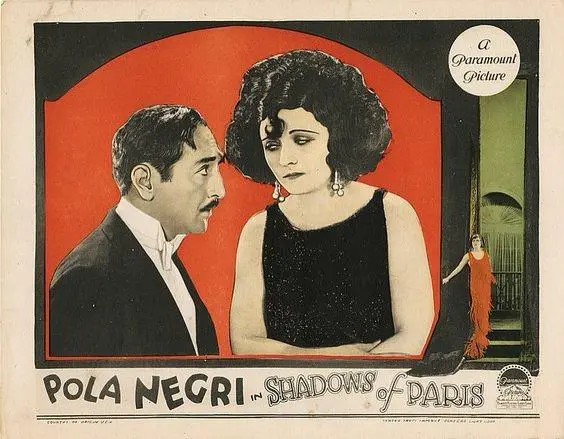
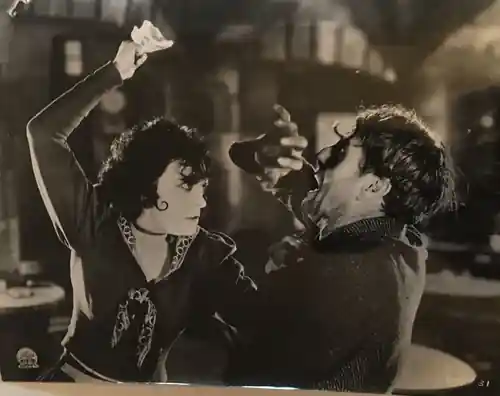
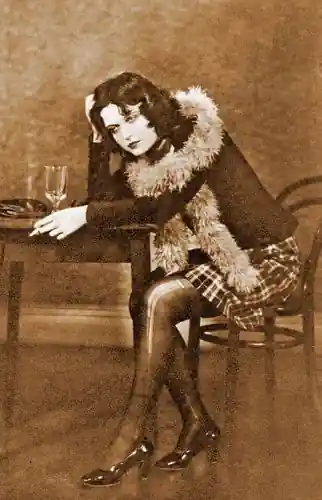
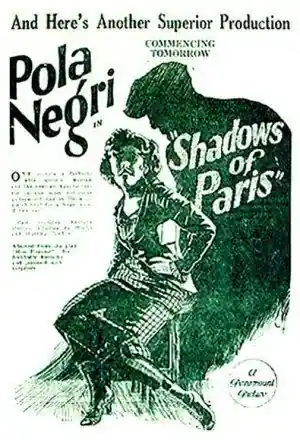
At the end of the war, Claire, queen of the Paris underground, finds herself in Paris high society. Believing that her apache lover, Fernand, has been killed in the war, Claire falls in love with Raoul, a French official.
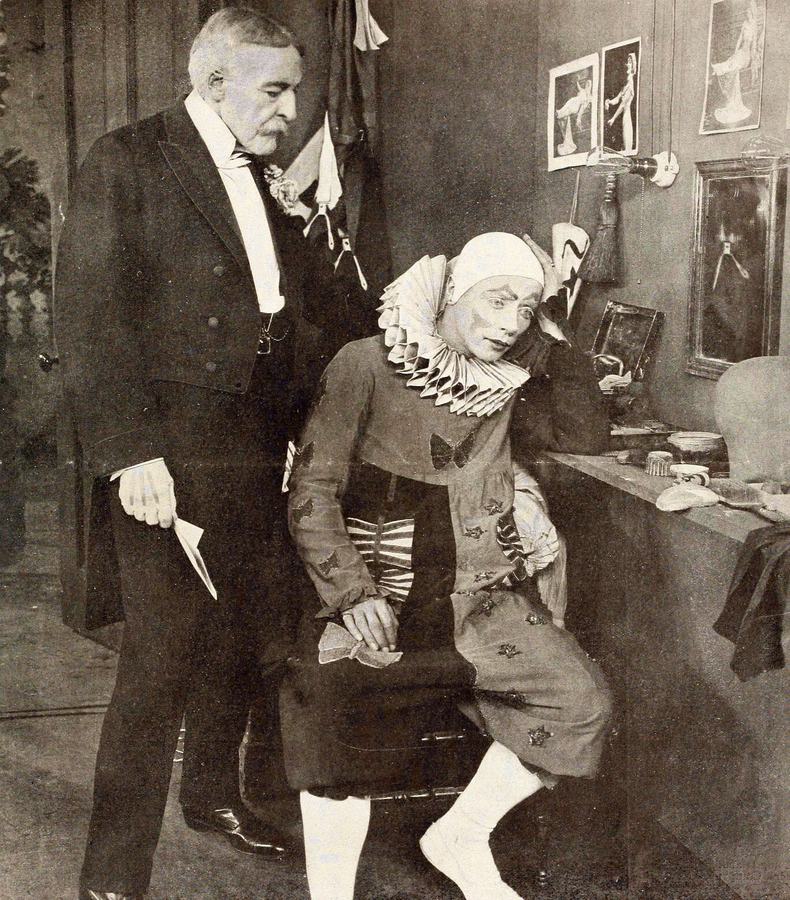
The cinematic landscape of 1924 was one of profound transition, a year where the silent medium began to grasp the intricate psychological nuances that would define the modern era. At the heart of this evolution stands Shadows of Paris, a film that doesn't merely depict a story of class migration but serves as a visce...
production_art
production_art
still_frame
still_frame
production_art
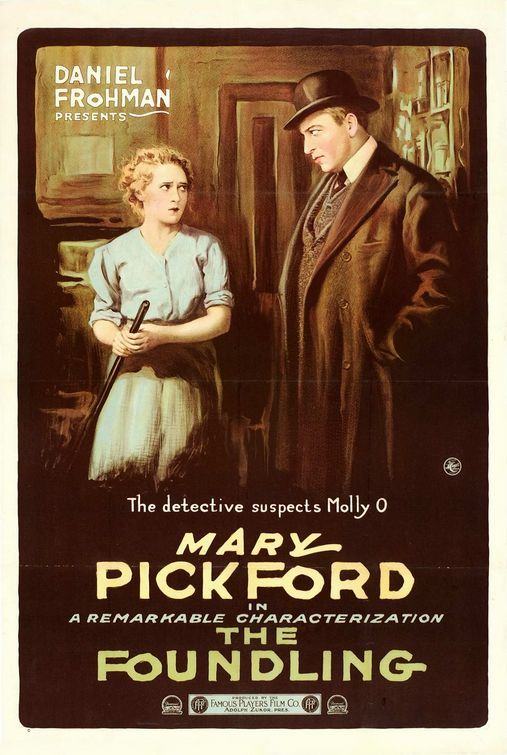
Comparing the cinematic DNA and archive impact of two defining moments in cult history.
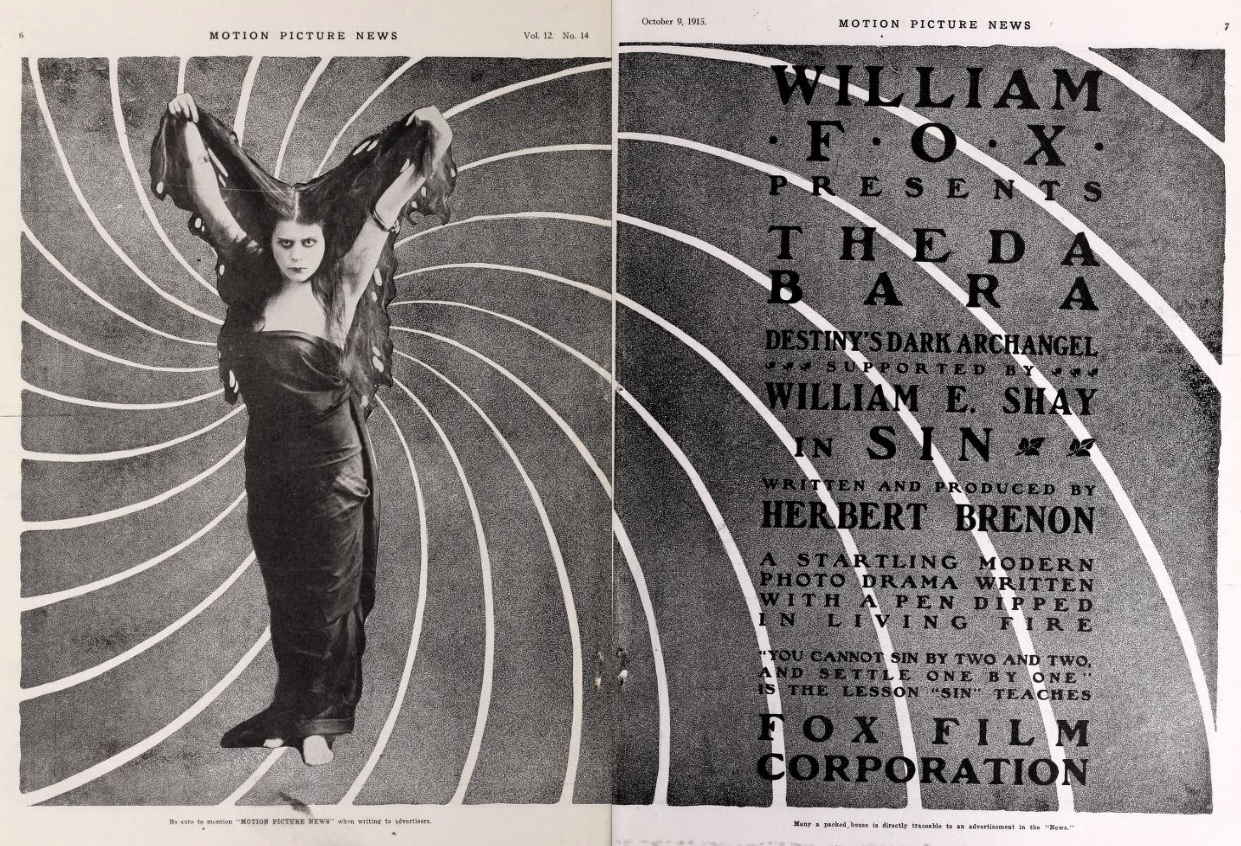
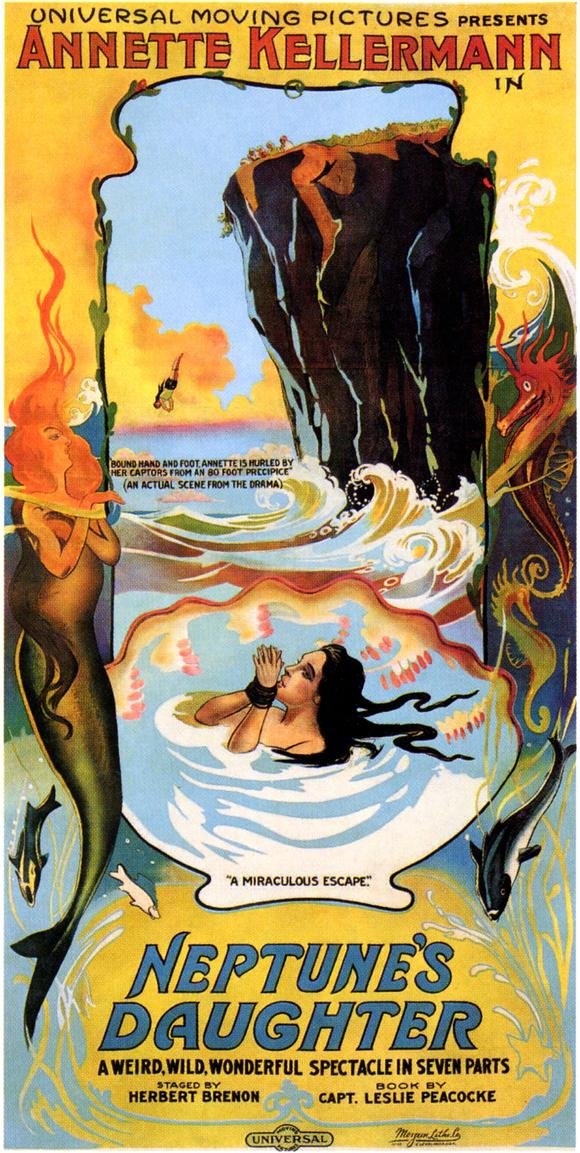
Herbert Brenon
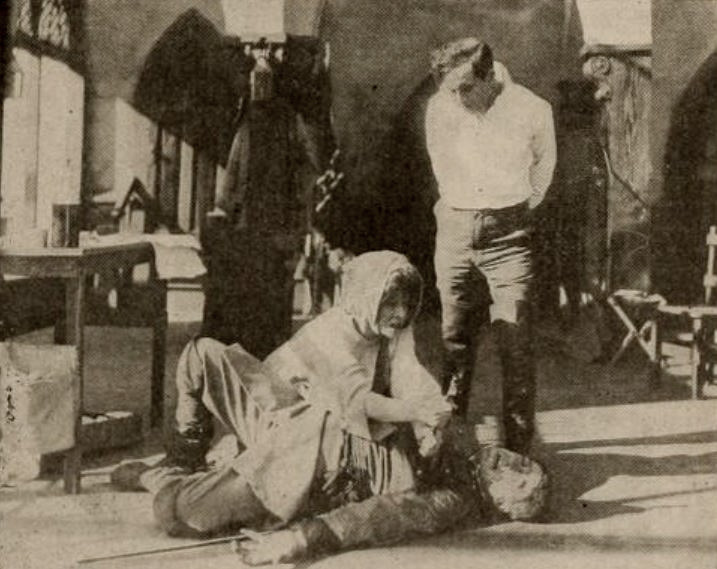
Herbert Brenon
Community
Log in to comment.
" The cinematic landscape of 1924 was one of profound transition, a year where the silent medium began to grasp the intricate psychological nuances that would define the modern era. At the heart of this evolution stands Shadows of Paris, a film that doesn't merely depict a story of class migration but serves as a visceral conduit for the anxieties of a post-war Europe. Directed by the visionary Herbert Brenon, the film is a sprawling tapestry of light and shadow, capturing the duality of a city ..."
Francis Carco, Frederick J. Jackson, André Picard, Eve Unsell
United States
Deep dive into the cult classic
Discover similar cinematic experiences
A Directorial Spotlight on Herbert Brenon