DbcultAccessing Vault...
4.6/10
Senior Film Conservator
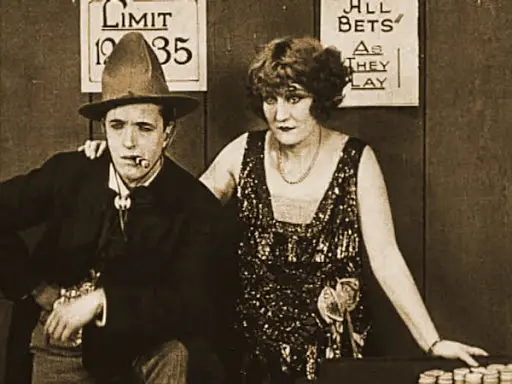
A definitive 4.6/10 rating for a film that redefined the boundaries of cult cinema. Wide Open Spaces remains a cornerstone of transgressive art.
Step right up, film aficionados, and prepare to journey back to an era where cinematic storytelling was a symphony of movement, expression, and the occasional perfectly timed pratfall. We're diving headfirst into the dusty, chaotic, and utterly hilarious world of Wide Open Spaces, a 1924 silent film that stands as a testament to the enduring power of satire, particularly when aimed squarely at the chest-thumping machismo of the Wild West. This isn't your grandfather's stoic, morally unambiguous Western; this is a rollicking, tongue-in-cheek send-up that gleefully skewers every sacred cow of the genre, leaving a trail of laughter and delighted disbelief in its wake.
Directed by the prolific and often unsung talents of the silent era, Wide Open Spaces, penned by the inventive H.M. Walker, doesn't merely poke fun at Western conventions; it takes a sledgehammer to them, then dances on the rubble with a gleeful abandon. The narrative, as deceptively simple as a tumbleweed, revolves around Gabriel Goober, portrayed with earnest, almost bewildered charm by Jack Ackroyd. Goober is the quintessential 'straight-shooting' rancher, a man whose moral compass is as unyielding as the desert sun. Yet, his idyllic, if somewhat naive, existence is rudely interrupted by a seemingly endless parade of nefarious bandits. Their relentless assaults force him to abandon his ranch, a pivotal moment that transforms him from a passive victim into an unlikely, almost accidental, agent of frontier justice.
Gabriel Goober's journey is a masterclass in comedic character development. Initially, he embodies the archetypal Western protagonist – honorable, hardworking, and deeply committed to his land. However, the sheer absurdity of the bandit attacks, escalating to a point of preposterous frequency, pushes him beyond the brink. It's not a gradual awakening of inner strength, but rather a sudden, almost involuntary transformation born of exasperation. Forced to flee, Goober stumbles into a nearby town, a veritable haven of lawlessness crying out for a hero, or at least someone capable of wielding a firearm with more purpose than the current inhabitants. Ackroyd's portrayal of this metamorphosis is subtle yet effective, conveying Goober's transition from mild-mannered rancher to a veritable one-man army with a nuanced blend of bewilderment and burgeoning competence.
The film revels in the sheer scale of Goober's newfound prowess. He doesn't just apprehend a few outlaws; he systematically eradicates 'hundreds' of his enemies in open warfare. This hyperbolic violence is, of course, the very essence of the satire. It mocks the often-unquestioned body counts and improbable feats of heroism that characterized many serious Westerns of the era. The audience isn't meant to recoil in horror, but rather to marvel at the sheer audacity of Goober's one-man crusade, punctuated by visual gags and physical comedy that elevate the absurdity to an art form. It's a delightful subversion of expectations, inviting viewers to laugh at the genre's excesses while still enjoying the thrill of a good old-fashioned showdown.
While Jack Ackroyd anchors the film with his central performance, Wide Open Spaces benefits immensely from an expansive and talented supporting cast, a veritable who's who of silent-era character actors and emerging stars. The ensemble includes familiar faces like William Gillespie, Noah Young, and Joe Bordeaux, whose contributions to the film's chaotic charm are undeniable. These actors, many of whom were veterans of two-reel comedies, understood the delicate balance between broad physical humor and nuanced character work required to make a silent satire truly resonate. Their reactions, their exaggerated movements, and their ability to convey personality without a single spoken word are crucial to the film's success.
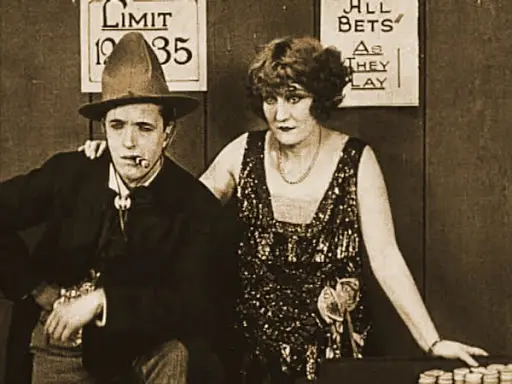
A particularly notable presence, even in what might have been a smaller role at this point in his career, is Stan Laurel. Before he became one half of the legendary Laurel and Hardy duo, Stan Laurel was a prolific actor and comedian, honing his craft in numerous silent productions. His inclusion in Wide Open Spaces offers a fascinating glimpse into his comedic evolution. While the film doesn't necessarily hinge on his particular brand of bewildered innocence, his presence undoubtedly adds another layer of comedic texture, a certain spark that only a performer of his caliber could provide. The interplay between these seasoned comedians, each bringing their unique brand of physical comedy and expressive acting, creates a rich tapestry of humor that ensures there's never a dull moment on screen. The dynamic energy among the cast members, even in a silent feature, is palpable, a testament to their collective talent and the skilled direction that allowed them to shine.
One of the defining characteristics of Wide Open Spaces is its masterful deployment of visual gags. Silent comedy, by its very nature, relies heavily on physical humor, exaggerated reactions, and ingenious sight gags to convey its message. H.M. Walker's screenplay, brought to life by the film's direction, is replete with these moments. From the escalating absurdity of the bandit attacks on Goober's ranch to the almost balletic chaos of the climactic showdowns, the film consistently delivers laugh-out-loud moments through purely visual means. The pacing is relentless, a rapid-fire succession of comedic beats that keeps the audience engaged and entertained. There's little room for contemplative pauses; instead, the narrative propels forward with an energetic momentum, mirroring the frenetic pace of a truly 'wild' Western.
The use of chase sequences, often a staple of Westerns, is given a comedic twist here. Instead of tense, dramatic pursuits, they become opportunities for slapstick and unexpected reversals. The film understands that the humor lies not just in what happens, but in how it happens, and the often-ridiculous reactions of the characters involved. The editing, while perhaps not as revolutionary as some of the montage experiments happening concurrently in European cinema, is effective in maintaining the comedic rhythm, cutting between actions to maximize impact and surprise. The interplay between cause and effect, often exaggerated for comedic effect, is expertly handled, allowing the audience to anticipate the punchline even as they are delighted by its execution. It's a testament to the filmmakers' understanding of silent film grammar and its capacity for comedic expression.
The Western genre, even in the 1920s, was already deeply ingrained in the American cultural consciousness. Films like On the Night Stage, while not a direct comparison in terms of tone, exemplified the serious, often dramatic approach to frontier life. Wide Open Spaces, however, bravely ventured where few dared to tread with such unrestrained glee: into the realm of outright parody. It challenged the solemnity, the moral absolutism, and the often-unrealistic heroism that defined many of its contemporaries. By presenting a protagonist who is simultaneously a straight-arrow and an almost accidental killing machine, the film cleverly dissects the very notion of the Western hero.
The film's satirical edge is sharp, yet never mean-spirited. It's a loving lampoon, born from an intimate understanding of the genre it critiques. It highlights the clichés – the dastardly villains, the damsel in distress (though perhaps less central here), the showdowns in the dusty streets – and twists them into comedic gold. The sheer number of enemies Goober dispatches, for instance, isn't meant to glorify violence, but to underscore the absurdity of the 'hero against impossible odds' trope. It invites the audience to consider how much of the Western mythos was, in fact, an exaggerated fantasy, and to find humor in that exaggeration. This critical yet affectionate approach to genre deconstruction is what gives Wide Open Spaces its enduring appeal and its significance in the history of cinematic comedy.
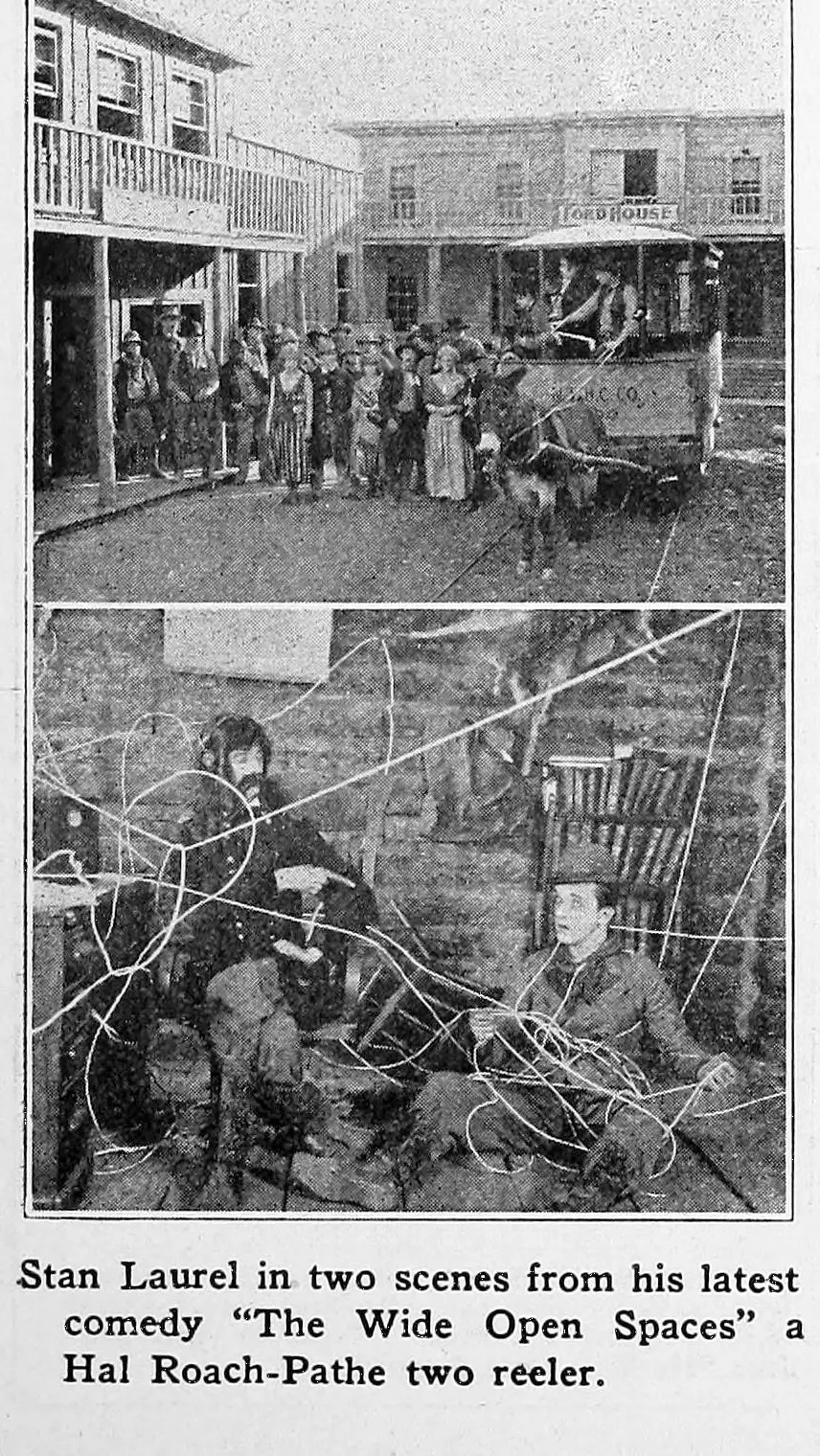
Beyond its comedic brilliance, Wide Open Spaces offers a fascinating window into the technical and creative landscape of early filmmaking. The cinematography, while perhaps not groundbreaking by later standards, is competent and effective, capturing the expansive landscapes that define the Western genre, even if those landscapes are often the backdrop for comedic mayhem. The use of intertitles, essential for conveying dialogue and plot points in silent films, is handled with a light touch, often adding to the humor with witty observations or exaggerated declarations.
The sheer scale of the production, even for a two-reel comedy, is noteworthy. Coordinating a large cast, numerous extras, and the logistics of filming action sequences (even comedic ones) in the vast 'wide open spaces' of the American West (or a convincing stand-in) required considerable skill and resources. The filmmakers managed to create a believable, if comically exaggerated, world for Goober's adventures. The costumes, the set designs, and the props all contribute to the authentic Western feel, which then serves as the perfect contrast for the outlandish events unfolding within it. This dedication to crafting a convincing environment, only to then turn it on its head for comedic purposes, is a hallmark of intelligent satire.
In an era that also saw a range of dramatic and romantic narratives, from The Auction Block to The Loves of Letty, Wide Open Spaces carved out its own niche by daring to be overtly, unapologetically funny within a genre often taken very seriously. Its success likely paved the way for future comedic Westerns, demonstrating that the frontier could be a source of endless amusement as well as epic drama. It's a reminder that humor, in its purest form, is often found in the unexpected, in the subversion of the familiar. The film's influence, though perhaps not as widely discussed as some of the more canonical silent features, is undeniable in its contribution to the comedic landscape of the 1920s.
The performances, particularly Ackroyd's, are a masterclass in silent screen acting. His ability to convey a wide range of emotions, from exasperation to determined heroism, without uttering a single word, is truly remarkable. The physical comedy is precise, the timing impeccable, and the overall effect is one of pure, unadulterated entertainment. It’s a film that transcends its historical context, offering genuine laughs and a clever commentary on genre conventions that remains relevant even today. Viewing Wide Open Spaces in the 21st century isn't just an exercise in cinematic archaeology; it's an opportunity to experience a vibrant, hilarious piece of film history that continues to entertain and impress with its audacious wit and timeless comedic sensibility.
Ultimately, Wide Open Spaces is more than just a historical curiosity; it's a vibrant, laugh-out-loud experience that holds its own against any modern comedy. It’s a brilliant example of how to satirize a genre effectively, using its tropes as building blocks for humor rather than merely tearing them down. The film's enduring charm lies in its commitment to its own absurdity, its energetic performances, and its clever, often ingenious, visual gags. It’s a testament to the ingenuity of silent filmmakers and their ability to craft compelling, entertaining narratives without the crutch of dialogue.
For anyone with an appreciation for classic cinema, silent film, or simply a good laugh, Wide Open Spaces is an absolute must-see. It’s a reminder that humor is a universal language, and that even a century ago, filmmakers were pushing boundaries and delighting audiences with their creative vision. So, saddle up, folks, and prepare for a wild ride through a Western that’s anything but straight-faced. It’s a delightful, energetic, and surprisingly insightful piece of cinematic history that deserves to be rediscovered and celebrated for its unique contribution to the art of comedy. The film stands as a shining example of how wit and innovation can transform a familiar genre into something entirely fresh and exhilarating, ensuring its place as a cherished, if often overlooked, classic of the silent era.
IMDb —
1924
Community
Log in to comment.