DbcultAccessing Vault...
6.5/10
Senior Film Conservator
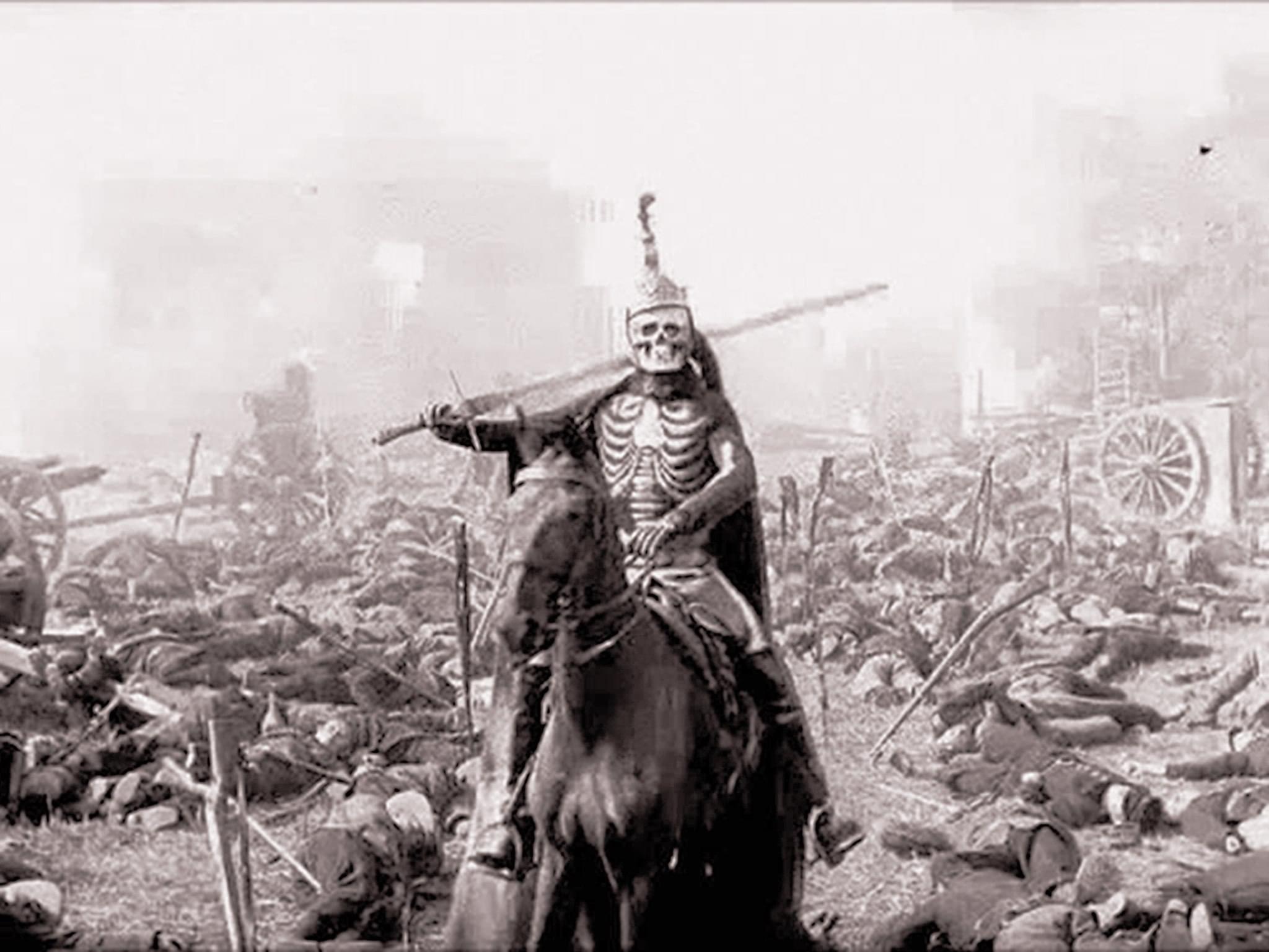
A definitive 6.5/10 rating for a film that redefined the boundaries of cult cinema. Peace on Earth remains a cornerstone of transgressive art.
From the very first frames, "Peace on Earth" invites its audience into a world grappling with an age-old, yet perennially urgent, question: Can humanity truly achieve lasting peace? This thought-provoking film, a testament to the collaborative vision of writers Sophus Michaëlis, Otto Rung, and Ole Olsen, transcends mere storytelling to become a philosophical inquiry. It is a cinematic meditation on the dichotomy between an achievable, localized harmony and the seemingly insurmountable challenge of universal accord. The narrative centers on a prince, portrayed with compelling gravitas by Frederik Jacobsen, who is not merely a ruler but a philosopher-king, deeply committed to an almost spiritual ideal of peace. His realm, presented as a haven of tranquility, serves as a microcosm, a living experiment in the feasibility of his grand design. This initial success, however, only sharpens the central dramatic tension, casting a long shadow of doubt over the scalability of such a delicate balance. Is this realm a blueprint for the future, or merely an isolated anomaly, a fleeting dream in a world perpetually on the brink?
Frederik Jacobsen's portrayal of the peace-loving prince is nothing short of masterful. He imbues the character with a quiet dignity, a profound earnestness that borders on the ascetic. This isn't a ruler who seeks power or conquest, but one who genuinely believes in the transformative potential of non-violence and mutual understanding. His eyes, often distant, seem to gaze beyond the immediate horizon, fixed on a future where conflict is an anachronism. Yet, there's a subtle undertone of melancholy, a hint of the immense burden he carries, for the success of his vision within his own borders is a double-edged sword. It proves his ideals are not entirely fanciful, but simultaneously highlights the daunting chasm between his tranquil domain and the turbulent world beyond. The film brilliantly uses his character to explore the very essence of leadership in the pursuit of peace: is it about gentle persuasion, or does it require a more forceful, perhaps even revolutionary, approach to truly take root globally? This internal struggle, silently conveyed by Jacobsen, is one of the film's most compelling elements, resonating with the timeless questions posed in works such as Pillars of Society, which often dissect the moral responsibilities of those at the helm of society.
No visionary can achieve greatness alone, and the prince's dream is sustained by a loyal and diverse retinue of followers. Carlo Wieth, with his characteristic intensity, embodies a key lieutenant, perhaps the pragmatic idealist who translates the prince's grand philosophies into tangible actions. His performance suggests a character torn between unwavering faith and the stark realities of the world. Aage Hertel, known for his commanding presence, likely plays a figure of authority, whose commitment to peace is perhaps more a matter of civic duty than spiritual conviction, adding layers of complexity to the collective effort. Julie Henriksen and Doris Langkilde, among others like Zanny Petersen and Agnes Lorentzen, represent the common people, the everyday citizens whose lives are directly impacted by the prince's policies. Their serene demeanor and quiet dedication within the realm are crucial; they are the living proof of the prince's success. Their faces, filled with a serene hope, are a powerful counterpoint to the implied chaos outside. The ensemble cast, including Axel Mattsson, Charles Willumsen, Peter Jørgensen, Carl Lauritzen, Anton de Verdier, Axel Boesen, Erik Holberg, Marius Egeskov, and Philip Bech, collectively paints a portrait of a society striving for an enlightened existence. Their performances are vital in grounding the abstract ideal of peace in human experience, showcasing the individual sacrifices and collective resolve required to maintain such a delicate societal structure. Their conviction is infectious, yet it also underscores the fragility of their achievement when confronted with external forces.
The intellectual scaffolding for "Peace on Earth" is robust, a testament to the combined talents of Sophus Michaëlis, Otto Rung, and Ole Olsen. Their screenplay delves deep into the philosophical underpinnings of peace, not as a mere absence of war, but as an active, cultivated state of being. They meticulously craft a narrative that forces the audience to confront uncomfortable truths about human nature and the inherent difficulties in transcending tribalism and self-interest. The writers cleverly use the prince's successful realm as a compelling argument for the *possibility* of peace, yet simultaneously employ the implied external world as a stark reminder of its *fragility*. This duality is the film's beating heart. They explore whether peace can be imposed, taught, or if it must arise organically from within each individual. The dialogue, though likely sparse in the silent era, would have been conveyed through potent intertitles, carefully chosen to articulate these complex ideas without sacrificing emotional resonance. The story's structure builds towards the inevitable confrontation between the localized utopia and the global reality, positioning the prince and his followers at a precipice, forced to decide whether their dream is worth fighting for, not with weapons, but with conviction. This narrative strategy echoes the moral complexities found in stories like Les Misérables, where grand ideals clash with harsh realities, and the individual's struggle for dignity mirrors a larger societal yearning for justice and peace.
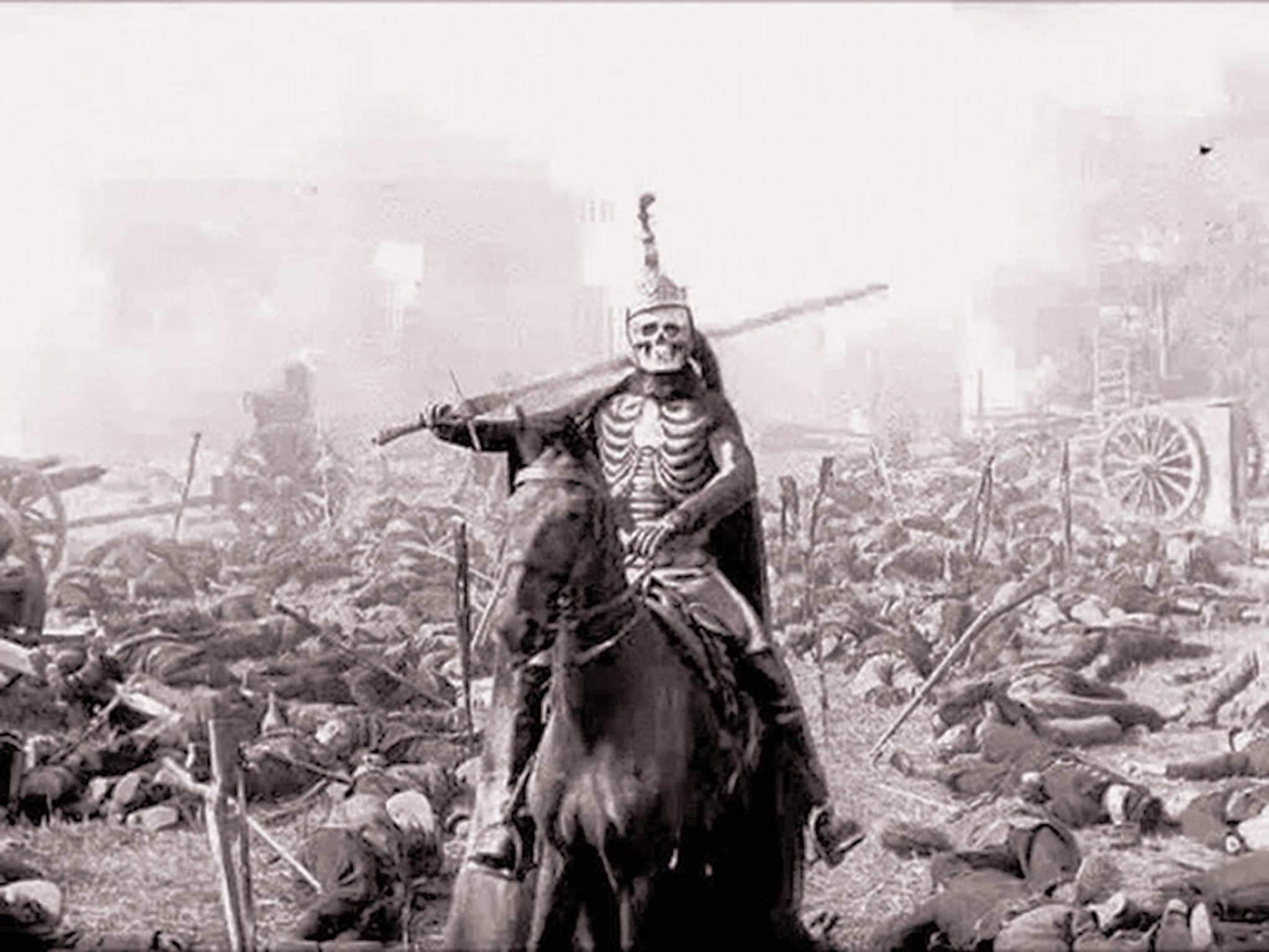
The central question posed by "Peace on Earth" is not if peace is *good*, but if it is *possible* on a global scale. The prince's realm, a shining example of internal harmony, stands in stark contrast to the turbulent, war-torn world that presumably surrounds it. The film masterfully builds this tension, often without explicitly showing the external conflicts. Instead, it relies on implication, on the worried glances of the prince's advisors, on the subtle shifts in the community's mood as news from afar filters in. This narrative choice is incredibly effective, allowing the audience to project their own understanding of global strife onto the film's backdrop. The film forces us to consider whether the prince's vision, so successful within its controlled environment, is merely a naive dream when confronted with the vast, often brutal, complexities of international relations, economic disparities, and ingrained historical animosities. The very concept of extending this peace beyond the realm's borders transforms the noble pursuit into a seemingly Sisyphean task. It's here that the film draws a powerful, if implicit, comparison to the harsh realities depicted in films like The Battle of Gettysburg or On the Fighting Line, where the devastating consequences of conflict are laid bare, making the prince's ideal seem all the more fragile and perhaps, tragically unattainable. The struggle is not just against external enemies, but against the very human propensity for division and conflict. Can an ideology of peace truly conquer the entrenched forces of war, or will it inevitably be subsumed by them?
Even in the silent era, cinema possessed an extraordinary power to convey complex emotions and grand ideas through visual storytelling. "Peace on Earth" would have leveraged this power to its fullest. One can imagine sweeping vistas of the prince's serene realm, perhaps bathed in soft, ethereal light, contrasting sharply with more stark, angular compositions depicting the external world's threats. The use of symbolism would be paramount: perhaps a lone dove against a stormy sky, or the gradual erosion of a pristine monument. The performances, particularly Frederik Jacobsen's, would rely heavily on nuanced facial expressions and body language to communicate the prince's internal struggles and unwavering conviction. The pacing, too, would be a crucial element, with moments of tranquil contemplation within the realm giving way to more urgent, perhaps even frenetic, sequences as the external pressures mount. The interplay of light and shadow, a hallmark of early cinema, would be expertly employed to emphasize themes of hope and despair, clarity and obfuscation. The film's aesthetic choices would not merely decorate the narrative but actively participate in its philosophical discourse, guiding the viewer through the prince's journey from localized triumph to global aspiration. The deliberate composition of each shot, the careful framing of characters against their environment, would articulate the film's deeper meanings, much like the allegorical depth found in a film such as Skazka mira, which translates to 'Tale of the World,' often weaving profound messages into its visual fabric.
What makes "Peace on Earth" resonate even decades after its release is its refusal to offer easy answers. It doesn't sugarcoat the monumental task of achieving global peace, nor does it dismiss the profound human yearning for it as mere folly. Instead, it presents a compelling, nuanced exploration of the idealism inherent in such a quest and the often-brutal realities that stand in its way. The film leaves the audience with a lingering question: is the vision of global peace an achievable reality, or merely a beautiful, yet ultimately unattainable, dream? This ambiguity is its strength, inviting continuous reflection and debate. It challenges us to look inward, to examine our own roles in perpetuating conflict or fostering harmony, both in our personal lives and on a larger societal scale. The film's message, crafted by Michaëlis, Rung, and Olsen, remains as pertinent today as it was in its original context, perhaps even more so in a world still grappling with geopolitical tensions, ideological divides, and the ever-present specter of conflict. It serves as a powerful reminder that while the dream of peace may be an ancient one, its pursuit requires continuous vigilance, unwavering dedication, and perhaps, a healthy dose of both idealism and pragmatism. The performances of Frederik Jacobsen, Carlo Wieth, and the entire cast contribute to this enduring legacy, embodying the human spirit's capacity for both grand aspiration and profound disappointment. This is not just a film; it is a profound cinematic essay on the human condition.
In its essence, "Peace on Earth" is a cinematic call to introspection, a gentle yet firm challenge to confront our collective responsibilities towards a more harmonious existence. It avoids didacticism, opting instead for a narrative that encourages empathy and critical thought. The film's enduring power lies not in providing a definitive solution to the world's conflicts, but in articulating the profound human desire for such a solution, and the heroic, often solitary, efforts of those who dare to dream of it. The prince's journey, from the successful establishment of peace within his realm to the daunting prospect of extending it globally, mirrors the larger human narrative of progress and setback, hope and despair. The contributions of every cast member, from the central figures like Frederik Jacobsen and Carlo Wieth to the supporting roles played by Aage Hertel, Julie Henriksen, Doris Langkilde, and others, coalesce to create a believable, aspirational society. The writers, Sophus Michaëlis, Otto Rung, and Ole Olsen, have bequeathed us a work that refuses to shy away from the complexities of its subject matter, ensuring its relevance for generations to come. It is a film that argues, with quiet conviction, that while the path to global peace is fraught with peril and uncertainty, the dream itself is a noble and necessary pursuit, one that continues to define the highest aspirations of humanity. It compels us to consider the true cost of peace, not in terms of war, but in terms of unwavering commitment, profound empathy, and the courage to envision a world fundamentally different from the one we inhabit. It is a masterpiece not just of storytelling, but of philosophical inquiry, a quiet epic in the grand tradition of cinema's ability to transcend mere entertainment and touch the very soul of human endeavor.

IMDb 5.9
1933
Community
Log in to comment.