DbcultAccessing Vault...
6.9/10
Senior Film Conservator
A definitive 6.9/10 rating for a film that redefined the boundaries of cult cinema. Pay or Move remains a cornerstone of transgressive art.
Stepping back into the raucous, yet curiously intimate, world of early 20th-century cinema, one encounters a cinematic landscape brimming with both nascent experimentation and a profound understanding of universal human predicaments. Among these often-overlooked treasures is Pay or Move, a film that, despite its age and the inherent limitations of its medium, transcends mere historical artifact status to offer a vibrant, incisive commentary on resilience, class struggle, and the indomitable spirit of the common man. It's a testament to the power of visual storytelling, where exaggerated gestures, meticulously choreographed slapstick, and the eloquent language of the human face convey narratives with a clarity that often eludes dialogue-driven features.
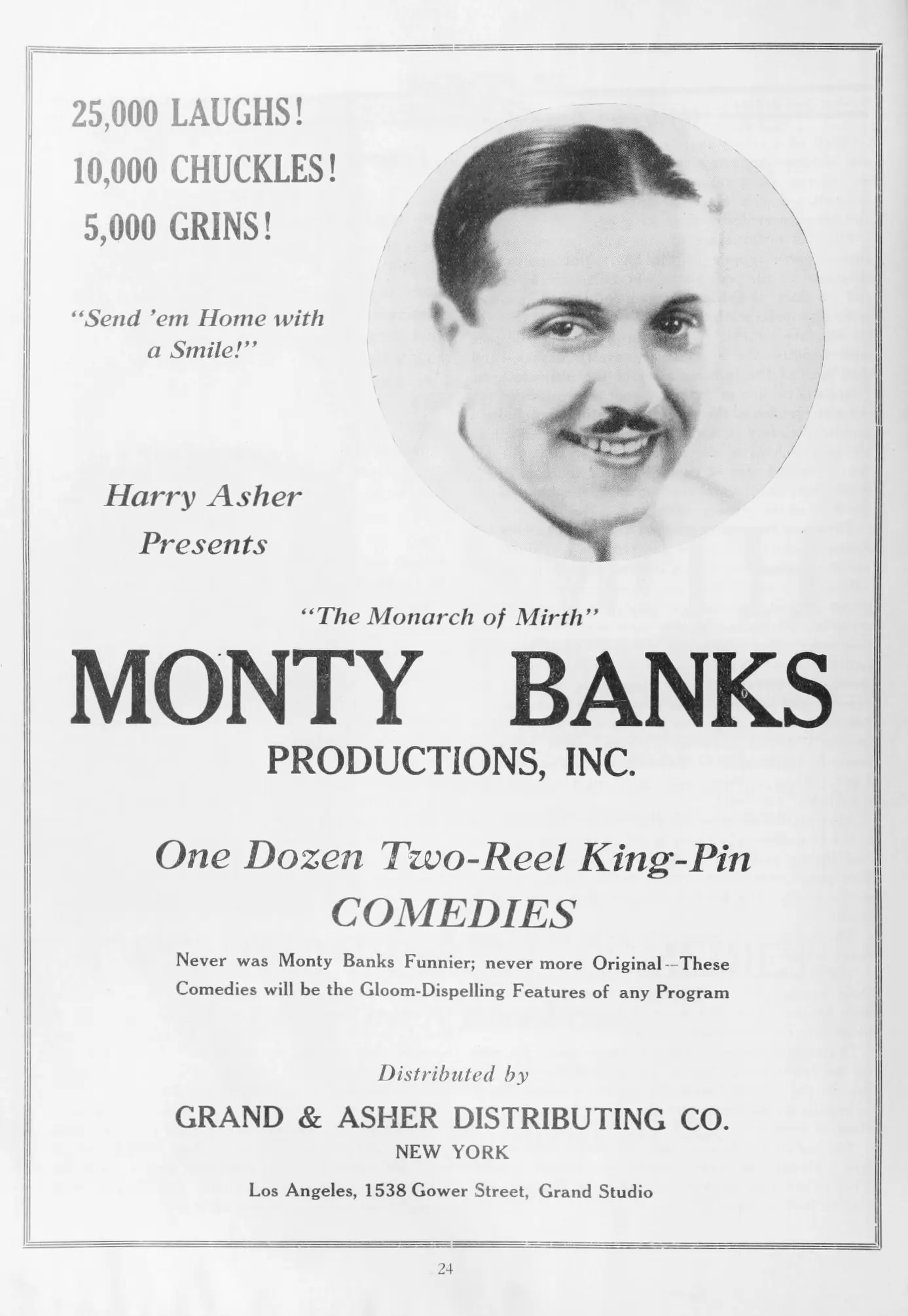
At its heart, Pay or Move is a classic underdog story, a narrative archetype that has captivated audiences across millennia. Our protagonist, Algernon "Algy" Piffle, brought to life with an infectious, almost acrobatic enthusiasm by the inimitable Monty Banks, is a character etched from the very fabric of aspiration and perpetual misfortune. Banks, a master of physical comedy whose career spanned both sides of the Atlantic, imbues Algy with a unique blend of innocent optimism and a knack for inadvertently stumbling into chaos. He's not merely a comedic foil; he's a symbol of the creative spirit struggling against the crushing weight of economic reality. His attic apartment, a veritable hodgepodge of half-finished inventions and artistic endeavors, becomes a poignant microcosm of dreams deferred, a space where ingenuity battles insolvency. This portrayal resonates with the spirit of other silent era figures, like the Tramp, who often found themselves at odds with societal structures, albeit with Banks injecting a distinctively more energetic, almost manic, brand of optimism.
Banks' performance is the undeniable gravitational center of Pay or Move. His physical prowess, honed through years in vaudeville and early cinema, is on full display. Every pratfall, every frantic dash, every wide-eyed expression of bewildered exasperation is delivered with impeccable timing and an almost balletic grace. He doesn't just perform comedy; he embodies it. Algy's attempts to raise money, from a disastrous street performance where his self-stirring soup spoon causes more mayhem than marvel, to his accidental entanglement with a local gangster's ill-gotten gains, are orchestrated sequences of escalating absurdity that Banks navigates with an unflagging commitment. His ability to convey complex emotions – fear, hope, desperation, and ultimately, triumph – without uttering a single spoken word is a testament to his profound understanding of the silent medium. One could draw parallels to the sophisticated physical comedy seen in Scratch My Back, where the comedic elements often drive the narrative forward through visual gags and physical interactions rather than dialogue.
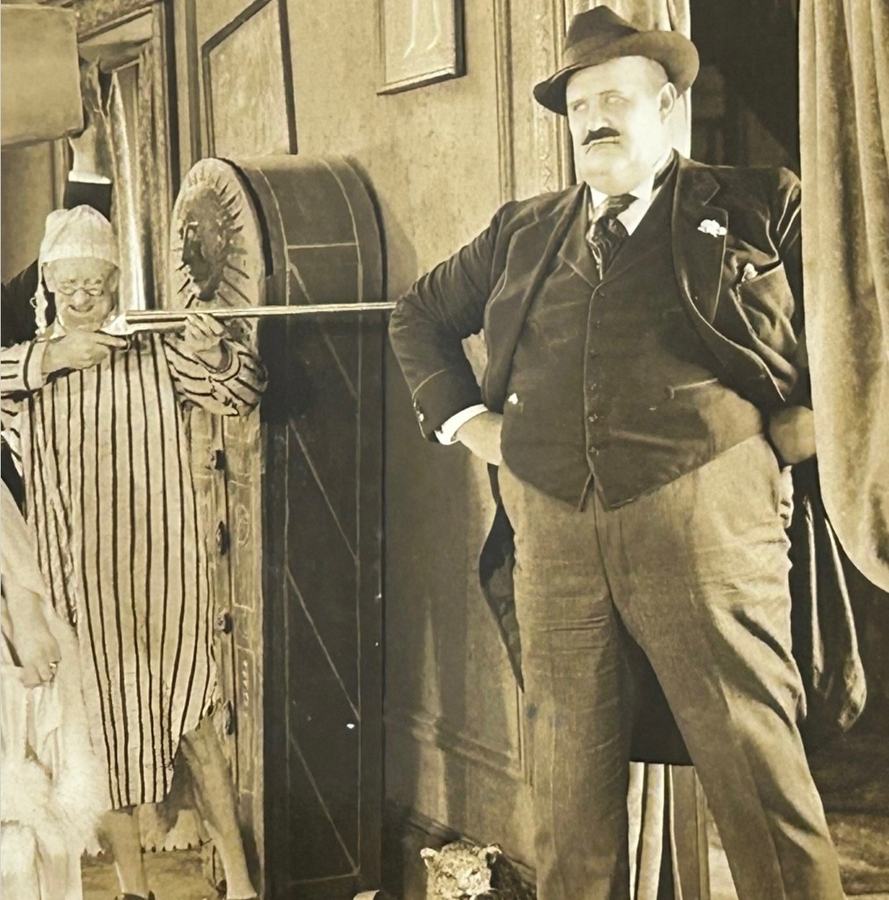
The dynamic tension in the film is expertly built around the antagonist, Mr. Grumbles, played with a delightful, almost cartoonish malevolence by William Blaisdell. Blaisdell's Grumbles is not merely a landlord; he is the embodiment of capitalist indifference, a figure whose every gesture, from the pursing of his lips to the stern tapping of his foot, screams fiscal tyranny. His presence provides a stark, rigid counterpoint to Algy's fluid, improvisational existence. The visual contrast between the two characters – Algy's often disheveled, expressive demeanor versus Grumbles' stiff, perpetually disapproving posture – is a masterclass in character differentiation through silent acting. Blaisdell's performance ensures that Grumbles is more than just a plot device; he is a formidable obstacle, a human wall against Algy's dreams, making Algy's eventual triumph all the more satisfying. This kind of stark class struggle was a common, yet potent, theme in the cinema of the era, echoing similar narratives of good versus greed found in films like The Price They Pay, though perhaps with a lighter, more comedic touch in Pay or Move.
Adding a crucial layer of emotional depth and charm to the proceedings is Ena Gregory as Lily Grumbles, the landlord's niece. Gregory's portrayal of Lily is nuanced and understated, a necessary anchor amidst Banks' comedic whirlwind. Lily is not a passive damsel; she is spirited, intelligent, and possesses a moral compass that points directly opposite her uncle's avarice. Her clandestine admiration for Algy, revealed through subtle glances and furtive acts of kindness, provides the romantic core of the film. The chemistry between Banks and Gregory is palpable, a delicate dance of unspoken affection and mutual respect. Lily's quiet acts of defiance against her uncle, her attempts to subtly aid Algy, are a testament to her character's strength and empathy. Her presence elevates the film beyond mere slapstick, grounding it in a genuine human connection. This romantic subplot, woven deftly into the broader comedic narrative, is reminiscent of the charming, often whimsical romances seen in films like Cupid Camouflaged, where love blossoms amidst unexpected circumstances.
The direction, though uncredited in many historical accounts, demonstrates a keen understanding of the silent film vernacular. The use of intertitles is sparse but effective, allowing the visual narrative to take precedence. The cinematography, while perhaps not groundbreaking for its era, is functional and often inventive, particularly in its framing of Banks' physical comedy. The camera often acts as an active participant, following Algy's frantic movements, capturing the intricate details of his inventions, and emphasizing the oppressive grandeur of Grumbles' office versus the bohemian clutter of Algy's attic. The urban setting, with its bustling streets and shadowy alleyways, is utilized effectively to create a sense of both opportunity and peril, a common trope in films of this period, from the gritty realism of On the Night Stage to the more romanticized portrayals of city life.
Beyond the laughter, Pay or Move delves into themes that remain strikingly pertinent today. The central conflict of "pay or move" is a timeless representation of economic precarity, the struggle to maintain one's home and dignity in the face of overwhelming odds. It speaks to the universal desire for stability and the fear of displacement. The film, through its comedic lens, subtly critiques unchecked greed and celebrates the ingenuity and resilience of those at the margins. It suggests that true wealth lies not in material possessions but in creativity, kindness, and the courage to pursue one's dreams, even when faced with insurmountable obstacles. This social commentary, wrapped in an entertaining package, is a hallmark of many successful silent films, much like the dramatic exploration of societal issues in The Auction Block, though with a decidedly more optimistic outlook.
The climax of Pay or Move is a masterclass in comedic resolution. Grumbles' final, ruthless attempt to evict Algy backfires spectacularly, leading to the accidental exposure of his own illicit activities, perhaps a hidden treasure or a fraudulent scheme. It’s a moment of poetic justice, where the villain's downfall is orchestrated not by a grand heroic act, but by the very forces of chaos and ingenuity that Algy embodies. One of Algy's forgotten inventions, previously dismissed as a mere folly, becomes the serendipitous key to Grumbles' undoing. This narrative device, where an overlooked detail or a seemingly insignificant object plays a pivotal role in the resolution, is a satisfying trope that rewards attentive viewing. It reinforces the film's underlying message: that even the most eccentric ideas can have profound, unforeseen consequences. The triumph of Algy, who not only secures his home but also wins Lily's affection and gains recognition for his inventive spirit, is a deeply satisfying conclusion, characteristic of the era's preference for happy endings, albeit ones earned through struggle and wit.
In comparison to other films of its time, Pay or Move stands out for its effective blend of physical comedy, understated romance, and social commentary. While it may not possess the epic scope of a historical drama like The Courtship of Myles Standish, nor the stark emotional intensity of something like The Black Stork, its strength lies in its intimate portrayal of everyday struggles and the enduring human capacity for hope and humor. It shares a certain thematic kinship with films that explore the individual's fight against systemic forces, such as The Law Decides, but chooses laughter as its primary weapon rather than stark drama.
Ultimately, Pay or Move is more than just a relic of the silent era; it is a vibrant, engaging piece of cinema that continues to amuse and resonate. It reminds us of the enduring power of silent film to communicate complex ideas and emotions without the crutch of dialogue. Monty Banks, Ena Gregory, and William Blaisdell, under the guidance of an astute directorial vision, craft a narrative that is both uproariously funny and surprisingly poignant. It's a film that celebrates the underdog, champions creativity, and ultimately asserts the triumph of kindness and ingenuity over avarice. For anyone interested in the foundational elements of screen comedy, the evolution of cinematic storytelling, or simply in enjoying a well-crafted narrative from a bygone era, Pay or Move offers a delightful and insightful journey. Its themes of economic struggle, the pursuit of dreams, and the power of love to overcome adversity are as relevant today as they were a century ago, proving that some stories, and some laughs, are truly timeless. It stands as a charming counterpoint to the more dramatic narratives of films like The Loves of Letty or the intricate plots of Die Gespensterstunde, asserting the simple, profound joy of a well-told comedic tale.
IMDb —
1923
Community
Log in to comment.