DbcultAccessing Vault...
5.4/10
Senior Film Conservator
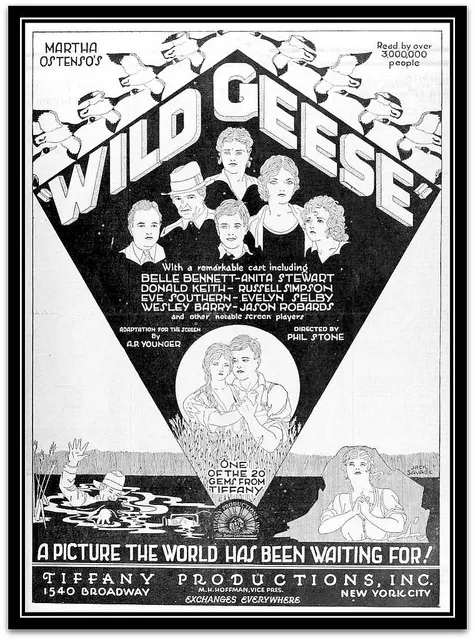
A definitive 5.4/10 rating for a film that redefined the boundaries of cult cinema. Wild Geese remains a cornerstone of transgressive art.
Short answer: Yes, but only if you are prepared for a psychological ordeal that feels surprisingly modern in its depiction of domestic abuse. This film is a essential viewing for those who appreciate the 'Rural Noir' aesthetic, but it is certainly not for viewers seeking the lighthearted escapism often associated with the late silent era.
This film belongs on the shelf of anyone who found themselves captivated by the cold, calculated greed of There Will Be Blood. It is a stark, unforgiving character study that trades in shadows and silence rather than grand, theatrical gestures.
1) This film works because Russell Simpson delivers a performance of such quiet, vibrating malice that he transforms a simple family drama into a proto-psychological thriller.
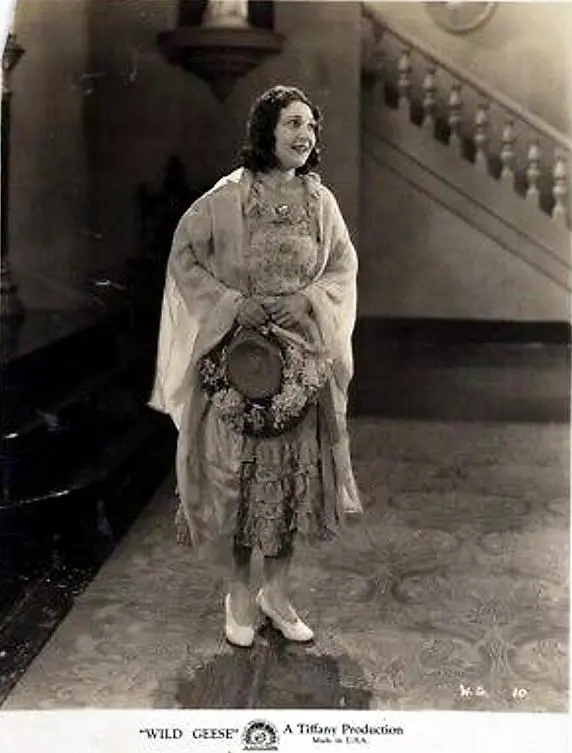
2) This film fails because the romantic subplot involving the local schoolteacher occasionally feels like a concession to 1920s commercial sensibilities, momentarily diluting the tension.
3) You should watch it if you want to see how silent cinema could handle complex themes of blackmail and patriarchal rot without relying on intertitle exposition.
In the world of Wild Geese, the land is not a provider; it is a taskmaster. Director Howard Estabrook (though often credited as a writer, the directorial vision here is cohesive) captures the Canadian prairie as a vast, open-air prison. Unlike the romanticized wilderness seen in God's Country and the Law, the farm here is a place of grinding labor and spiritual decay.
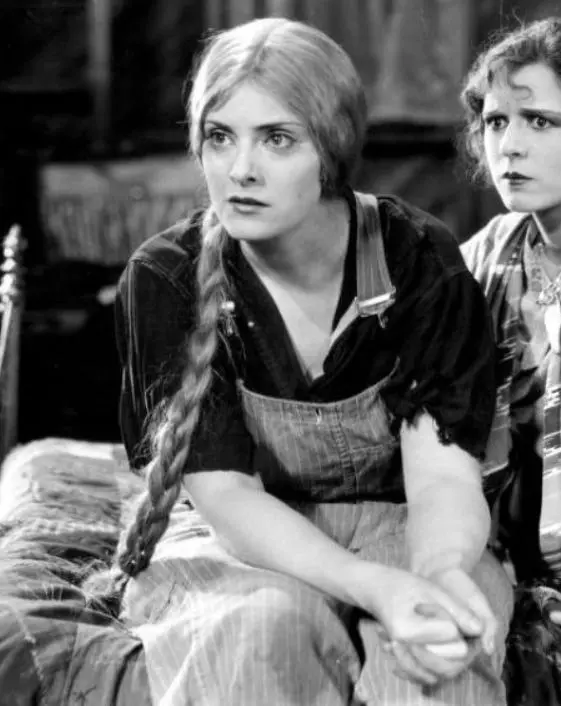
Caleb Gare, played with terrifying restraint by Russell Simpson, is a villain for the ages. He doesn't twirl a mustache or tie maidens to train tracks. Instead, he stands in his flax fields, looking out over his property with a possessiveness that extends to the very souls of his children.
One specific scene stands out: Caleb watching his daughter Judith from a distance. There is no physical violence in this moment, yet the way the camera frames him—half-hidden by the tall grass—suggests a predator waiting for the right moment to strike. It’s a chilling use of negative space that many modern directors could learn from.
Belle Bennett’s portrayal of Amelia, the mother living under the shadow of a past indiscretion, is heartbreaking. However, it is the performance of the daughter, Judith, that provides the film's emotional engine. She represents the 'wild geese' of the title—the urge to migrate, to leave the frozen earth behind for something warmer and more human.
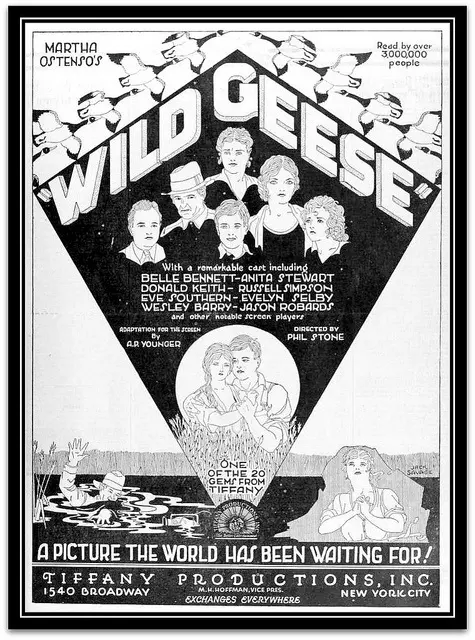
The film captures the physical toll of her rebellion. There is a moment where she is forced to work the fields until her hands bleed, a sequence that feels visceral even eighty years later. The contrast between her vitality and Caleb's skeletal, grim presence creates a friction that drives the entire second act.
Compared to the more sentimental heroines found in A Kentucky Cinderella, Judith is a character defined by grit. She isn't waiting for a prince; she is waiting for an opportunity to burn the whole system down. It is a refreshing, albeit painful, depiction of female agency in early cinema.
The visual language of Wild Geese is one of entrapment. Even in the wide-open spaces of the prairie, the characters are often framed by doorways, window panes, or the harsh vertical lines of the barn. This creates a sense of claustrophobia that mirrors the psychological state of the family.
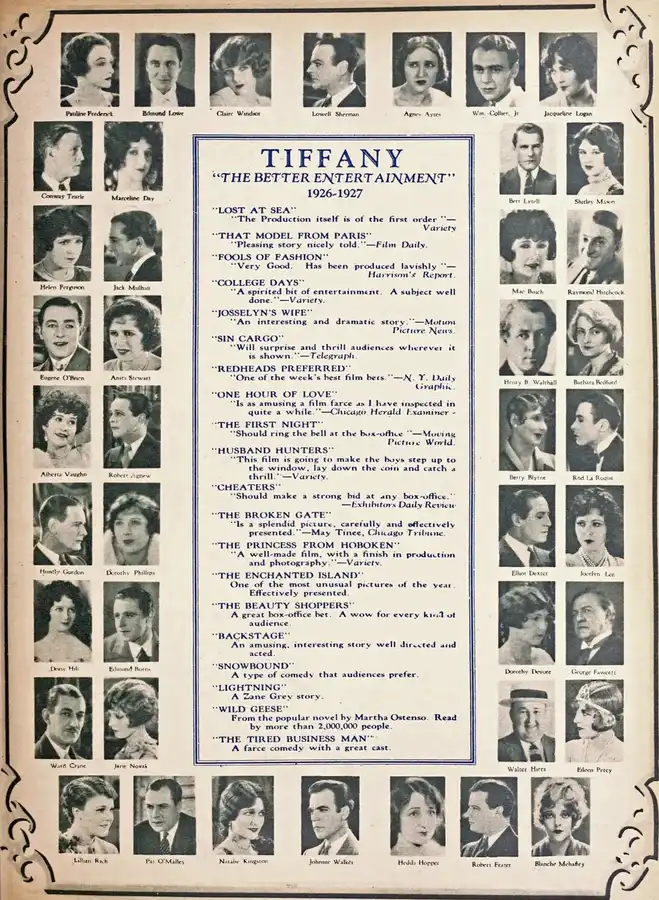
The use of light is particularly effective during the interior night scenes. The flickering lamps cast long, distorted shadows that make the Gare farmhouse feel haunted. It’s not ghosts that haunt these halls, but secrets. The film understands that the most terrifying thing isn't what's in the dark, but what's being hidden in plain sight.
This visual style is much more sophisticated than many of its contemporaries, such as Northern Lights, which, while beautiful, lacks the oppressive atmospheric weight found here. Every shot in Wild Geese feels intentional, designed to make the viewer feel the same weight that Amelia and Judith carry daily.
Some critics have argued that the ending of the film is too convenient, a 'deus ex machina' provided by nature itself. I disagree. The ending is a poetic necessity. If Caleb Gare lives for the land, it is only fitting that the land eventually decides his fate. It is a brutal, ironic justice that feels entirely earned after ninety minutes of his calculated cruelty.
The final shots of the film do not offer a traditional 'happy ending.' There is a sense of relief, yes, but also the realization that the scars left by Caleb will never truly heal. The geese fly away, but those left behind are still standing in the mud. It is a somber, honest conclusion.
Pros:
Cons:
Wild Geese is a jagged, uncomfortable, and ultimately rewarding piece of cinema. It strips away the myth of the noble pioneer and replaces it with a cold reality of greed and control. While it may not have the name recognition of other films from 1927, its psychological depth puts it in a class of its own. It works. But it’s flawed. And that flaw reflects the very human brokenness it seeks to portray. If you can find a copy, watch it. It will stay with you long after the final intertitle fades.
IMDb 6.6
1933
Community
Log in to comment.