DbcultAccessing Vault...
6.2/10
Senior Film Conservator
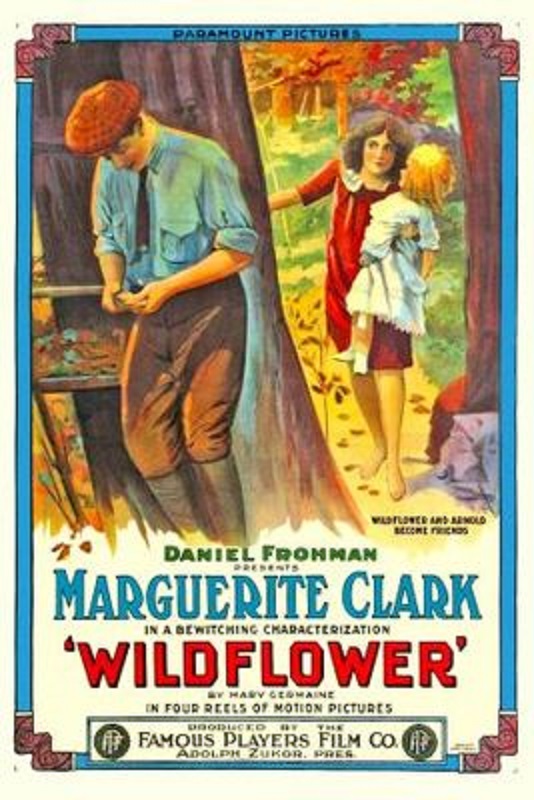
A definitive 6.2/10 rating for a film that redefined the boundaries of cult cinema. Wildflower remains a cornerstone of transgressive art.
A tinderbox of petals and penthouse shadows
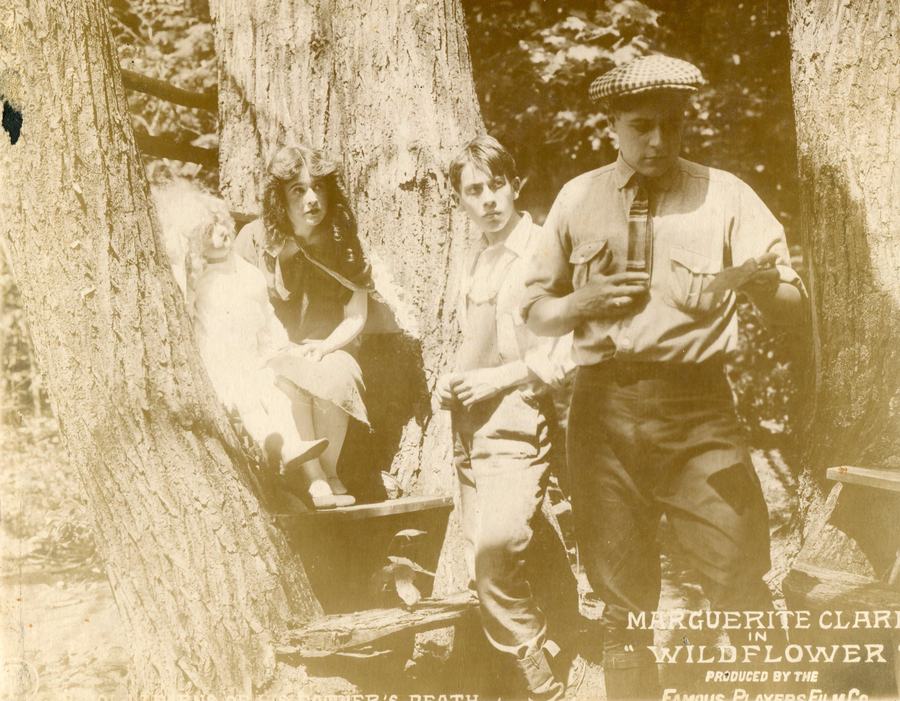
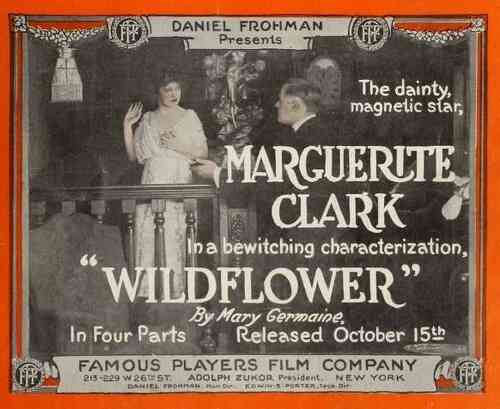
Allan Dwan’s Wildflower is a nitrate valentine scorched at the edges, a film that treats melodrama like chamber music—every close-up a pizzicato, every iris-in a funeral bell. Shot in the winter of 1914, while Europe was rehearsing the apocalypse, the picture smuggles savage emotional intelligence inside a corset of ostensible innocence. Marguerite Clark, barely five feet of porcelain resolve, incarnates Letty with the darting eyes of a sparrow who suspects every pane of glass is a trap. She begins as trope—rustic naïf—and ends as cartographer of her own desire, mapping fault-lines between brothers who personify the era’s warring philosophies of possession.
The celluloid grammar feels uncannily modern
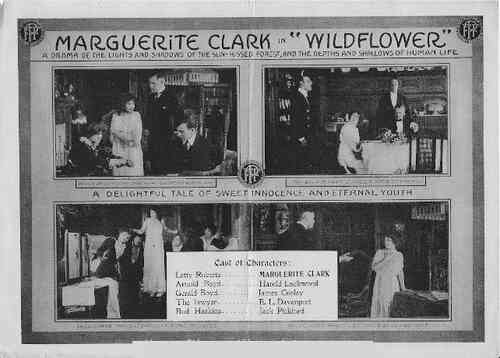
Dwan double-exposes thought: while Letty stares at a tapestry of Leda and the Swan, the camera superimposes Gerald’s smirk, hinting that myth and date-rape are cousins. Intertitles, usually the silent era’s clunky footnotes, here shimmer with haiku menace: “He kissed her like a warrant.” The palette is hand-pigmented—umber for country lanes, arsenic-green for the Manhattan ballroom—each tint drifting toward sepulchral orange when the brothers duel in a candlelit library. The fight choreography is ballet brutale: Edgar L. Davenport’s Arnold smashes a globe to brandish the axis mundi like club; James Cooley’s Gerald counters with a rapier of cynical laughter, only to be impaled by silence when Letty turns her gaze.
Reputation, that Edwardian currency, circulates more viciously than cash
The script, tri-authored by Mary Germaine, Eve Unsell, and Dwan himself, weaponizes gossip the way The Naked Truth would later weaponize nudity. Letty’s name is scrawled on a society column, ink wet as blood: “Country wench trades daisies for diamonds.” The irony—she never wanted diamonds—cuts less than the fact her parents read it while milking cows. The film’s most radical gesture is withholding judgment on her premarital night; instead it lingers on her boots, caked with mud from the elopement, resting against silk sheets. Contamination, not sin, is the terror.
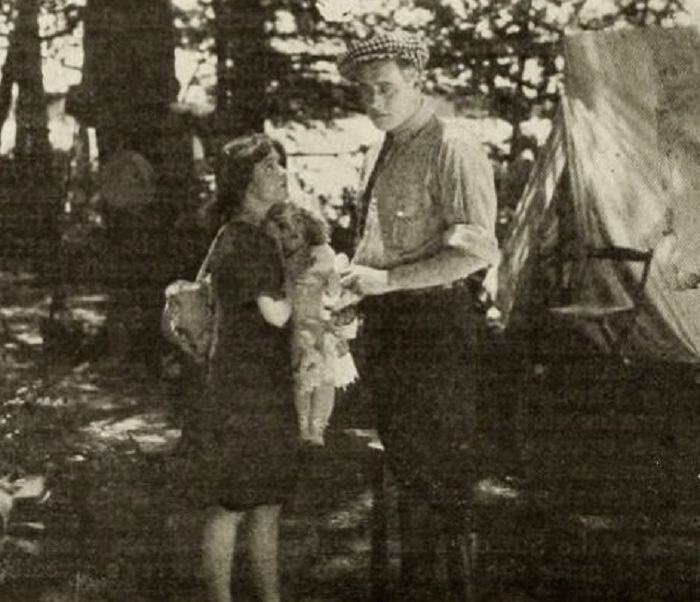
Comparative anatomy: where contemporaries like Jeffries-Johnson fetishized masculine collision and The Exploits of Elaine serialized peril like a pulp addiction, Wildflower internalizes the siege. Letty’s battlefield is the drawing-room glance, the footman’s whisper, the brotherly handshake that lingers half a second too long. Even the cityscape—New York glimpsed through lace curtains—feels predatory, a steel orchid hungry for pollen.
Marguerite Clark performs alchemy
At 31 she plays 17 without grotesque pantomime; she shrinks her voice into the intertitles, making them tremble. Watch her fingers in the proposal scene: they flutter toward Gerald’s boutonnière, then retract as if stung by future knowledge. The moment lasts three seconds yet diagrams the entire film’s arc—desire cauterized by foresight. When she finally confronts Arnold in the greenhouse, humidity fogging the glass, her confession—“I was sold to the wrong skyline”—lands like a divorce decree served on Fate itself.
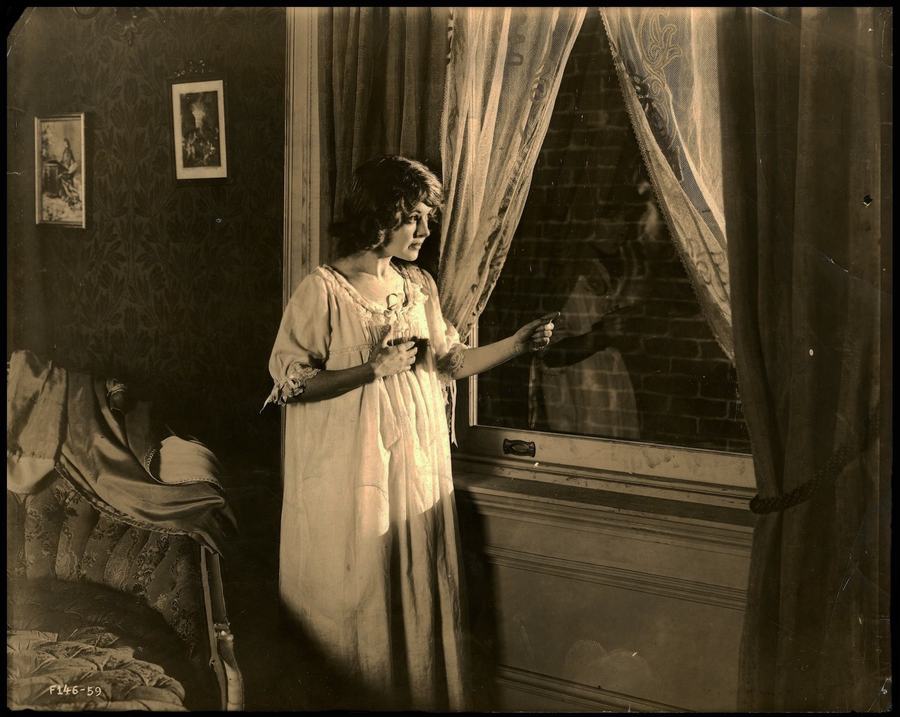
Jack Pickford, usually the eternal newsboy, cameos as a bellhop who pockets Gerald’s bribes; his smirk is the movie’s Greek chorus, reminding us that in 1914 corruption wore bellboy caps as readily as top hats. Harold Lockwood’s cinematography deserves resurrection: he lenses Clark against snow with a back-light that halos her ringlets, turning poverty into pagan iconography.
The score, lost for a century, survives in rumor
Accounts from Moving Picture World describe a live accompaniment of tremolo strings and toy-piano tinkle, musicians instructed to slam palms on the lid when Arnold discovers the marriage certificate. Imagine that percussive shame echoing across nickelodeons where immigrant audiences knew a thing about forged papers. Criticism of the era dismissed the film as “women’s weeper,” the same tag pinned to Joan of Arc when she wept at the stake; both heroines, incandescent with conviction, expose the label’s contempt.
Third-act revelations detonate like depth charges
Gerald’s debts are owed to a cabal whose emblem is the black chrysanthemum—echoing The Black Chancellor but with subtler menace. Arnold’s refusal to pay purchases not Letty’s freedom but her agency; she must choose the cage whose key she already holds. Their final walk along the East River occurs at the magic hour when tenements blush rose and even smokestacks look elegiac. Overcranked footage renders the water as mercury, time literally fluid under their feet. She slips her hand into Arnold’s—not submission, but treaty—and the iris closes on a long shot of the pair as silhouettes, city behind them a switchboard of lights beginning to stutter awake.
Legacy: the film vanished for decades, presumed melted like so many nitrate dreams. A 1989 discovery in a Slovenian monastery— reels mislabeled Divja Roža—restored only 42 minutes. Yet what survives is sufficient to graft Wildflower onto the family tree that flowers into Mute Witnesses and the urbane wounds of Hands Across the Sea. Modern viewers may flinch at the transactional marriage plot, but the movie’s DNA whispers a proto-feminist codicil: reputation is a male invention, and a woman can edit the footnotes.
Final whisper: watch the edges of the frame
In the ballroom sequence, a mirror reflects not the dancers but the cameraman and his tripod—an accidental Brechtian rupture. Yet it feels intentional, as if the film admits its own artifice while insisting the emotions are fugitives that refuse to be fenced. That slippage—between what is staged and what escapes—is where Wildflower truly blooms, perennial and defiant, a weed cracking through the pavement of 1914 certainty.
Verdict: essential viewing for anyone tracing the secret railroad by which silent cinema smuggled modernity into the American unconscious. Stream it with caution—its perfume lingers like tuberose, sweet until it claws.
IMDb —
1928
Community
Log in to comment.