DbcultAccessing Vault...
Cult Review
Senior Film Conservator
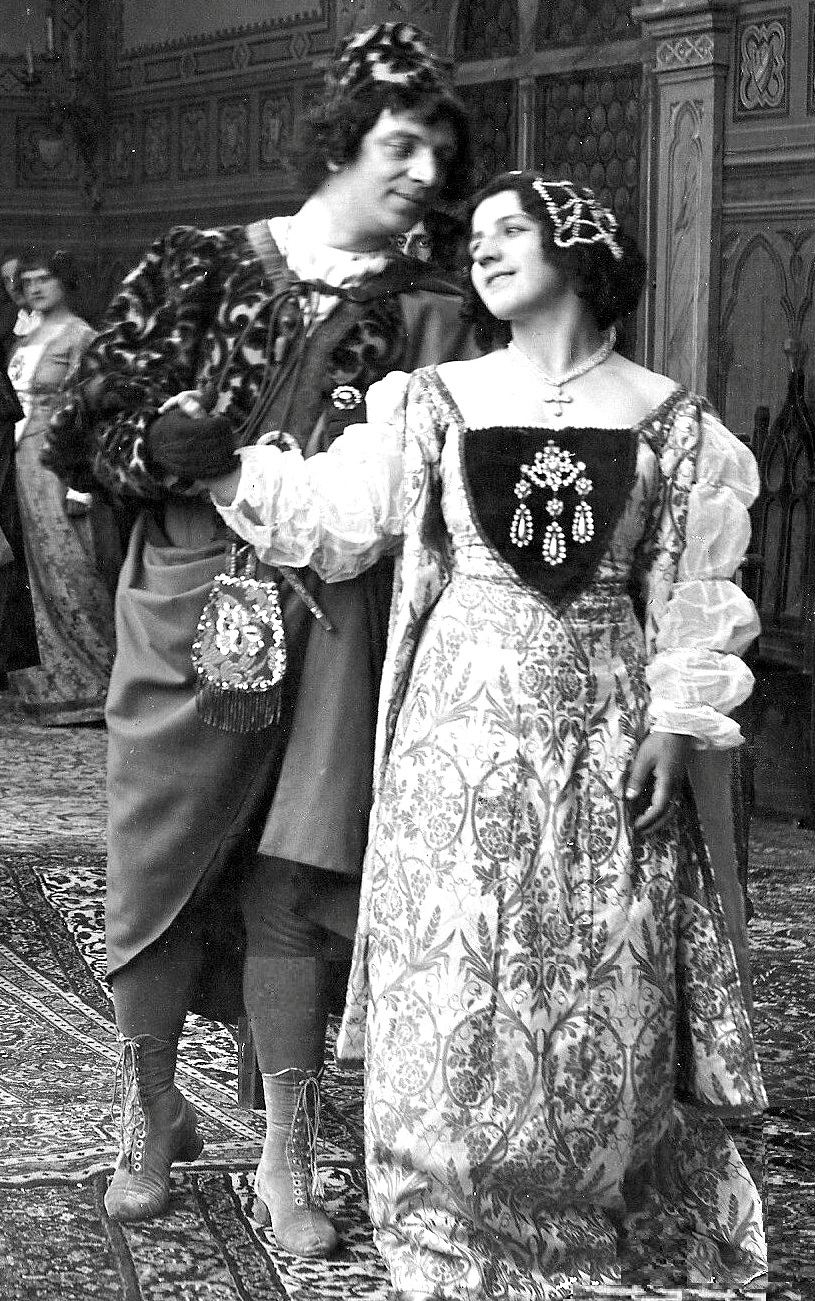
Francesco Dall’Ongaro’s only surviving celluloid child arrives like a damp parchment exhumed from a forgotten archivio: edges curled, ink bloomed, yet stubbornly legible. Il fornaretto di Venezia—literally “the little baker of Venice”—is far more than a quaint regional vignette; it is an early template for class-war noir, a venetian blind (pun irresistible) drawn across the gas-lamp of 1914 morality.
Shot on location when Venice still flushed its sewage straight into the canals, the film’s nitrate breathes sea-salt and mildew. Cinematographer Vittorio Tettoni—pulling double duty as the doomed protagonist—frames the bakery’s interior like a Caravaggio: umber shadows, saffron bursts of lard-flickering lamplight, dough rising with the slow insistence of a guilty conscience. Compare this chiaroscuro to The Crime of the Camora, where Naples is rendered in flatter newsreel greys; here, the lagoon itself becomes a liquid dolly track, gondolas gliding past the lens as mobile proscenia.
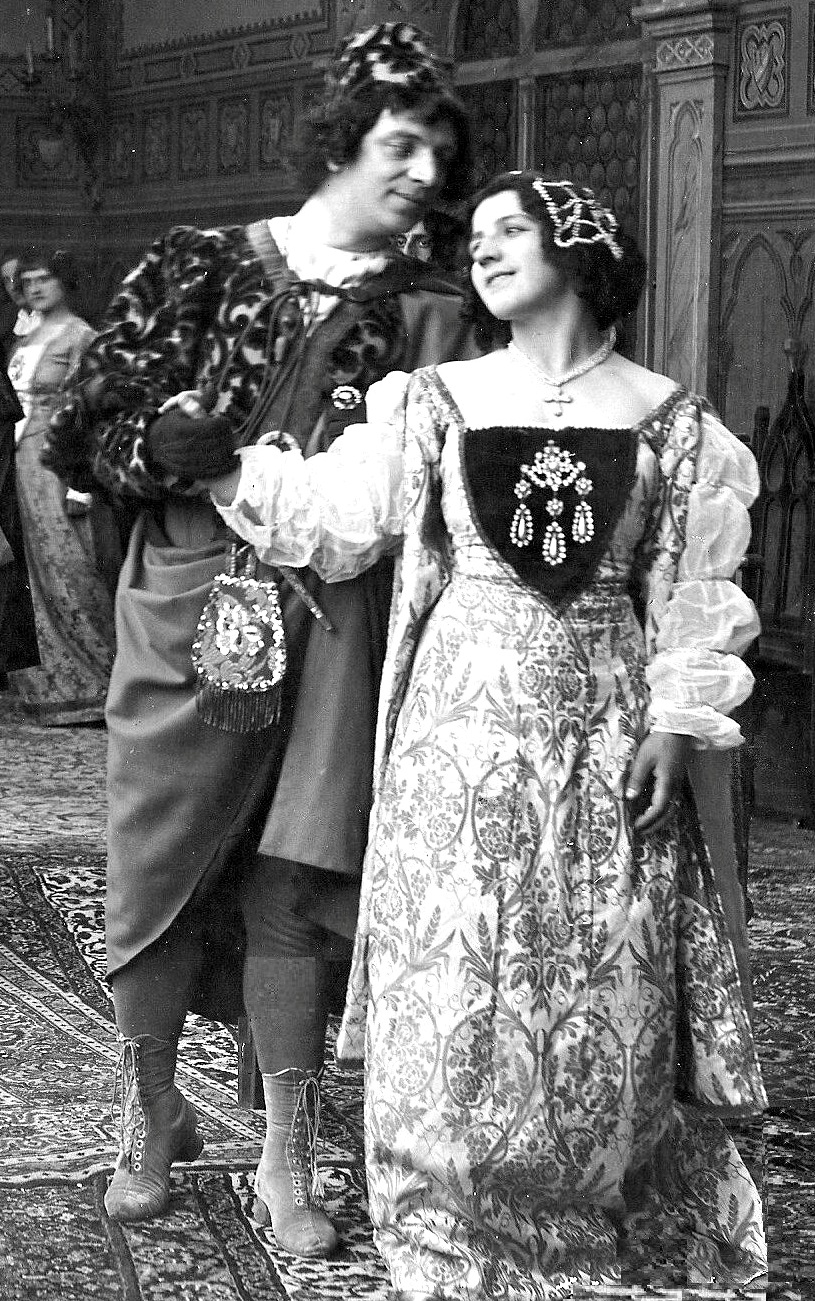
Paola Pezzaglia’s senator’s daughter flicks her fan open and shut like a stock ticker—every snap encodes a bourse of social capital. Her eyes, kohl-smeared and predatory, recall the femme figure in The Woman in Black yet predate Hitchcock’s icy blondes by four decades. Alberto Nepoti’s inquisitor, meanwhile, stalks the arcades with the languid menace of a bored god; watch how he removes his bauta mask in extreme close-up, the leather peeling away with the sound of a blade leaving velvet—an aural hallucination conjured entirely by the mind, for the film is silent.
Dall’Ongaro compresses a 200-page novella into 42 minutes of narrative osmosis. The ring—allegedly a signet encoding hereditary rights—functions like Kafka’s letter that never reaches its addressee, passed from palm to palm until it scars every hand it touches. Note the montage of breadcrumbs strewn across a ledger: a visual metaphor for accounting fraud that anticipates the bureaucratic dread of Den tredie magt by a full twelve years.
Production designer Guido Adami scoured the Palazzo Grassi for cracked stucco and flaking Tiepolo cherubs; the result is a Venice whose grandeur is already mortgaged. In one bravura shot, a mirror reflects both a frescoed ceiling and the gaping hole where a Jacopo Tintoretto once hung—empty frame as political indictment. This visual dialectic of opulence and absence resonates with the baroque claustrophobia of Hamlet (1911), yet replaces Elsinore’s stone chill with humid decadence.
Editor Alfredo Doria alternates between languid iris-ins and staccato intertitles that arrive like knife-thrusts. The average shot length hovers around 4.2 seconds—vertiginous for 1914—creating a proto-psychological montage that prefigures Soviet theories by a year. During the trial sequence, cross-cuts between the baker’s boy and a slab of unbaked dough foretell the capital punishment: the viewer watches innocence rise, blister, and collapse in real time.
Contemporary screenings often pair the film with Vivaldi pastiche; resist. The true soundtrack is the projector’s mechanical heart murmur, the creak of seats, the collective inhale when the boy’s body hits the pavement. Silence becomes a character—an accomplice—mirroring the conspirators’ coded glances. If you crave comparative context, revisit Bristede Strenge, whose score swells to melodramatic excess; here, absence scores deeper wounds.
Pezzaglia’s final gesture—she rejects an arranged marriage and sails east—transforms the narrative from tragedy to proto-feminist escape. The camera lingers on her wrist as she unpins the family crest, letting it sink into the canal like a rusted coin. This act of self-divestiture parallels Lena Rivers’ refusal to wed the hypocritical preacher in Lena Rivers, yet the Venetian heroine’s rebellion is secular, mercantile, and therefore more dangerous.
Scholarship has long crowned The Path Forbidden as the first Italian film to stage class betrayal, yet the baker’s boy antedates it by a trimester. Visconti cribbed the flour-dust motif for Senso; Rossellini lifted the lagoon-at-dawn shot for Viaggio in Italia. Even the Marvel Cinematic Universe owes a debt: the ring-as-MacGuffin template resurfaces in Infinity War, though Thanos’ gauntlet is infinitely less elegant.
The only extant print, housed at the Cineteca di Bologna, was rescued from a flooded cellar in 1987. Technicians used de-ionised water, rice paper, and patience worthy of saints to peel emulsion layers apart. Digital cleanup removed 73,000 instances of nitrate bloom, yet left intact the vertical scratch that bisects the boy’s cheek—scar of history, wound of time. Criterion, are you listening?
Some films enter the canon with trumpets; others slip in barefoot, trailing flour. Il fornaretto di Venezia is the latter—an artefact that proves silence can scream in dialect. Seek it out at any archive festival, but arrive early; the scent of fresh brioche from nearby cafés will mingle with century-old dread, and you will never again taste bread without hearing the swish of a garrote. In the words of an unnamed gondolier who watched the 1914 première: “La città è pane, ma il pane è sangue.” The city is bread, but bread is blood.
Comparative ratings on a curve of historical resonance: Il fornaretto di Venezia—9/10; Father John; or, The Ragpicker of Paris—6/10 for moralizing excess; The Flying Circus—7/10 for acrobatics but nil socio-political bite.
IMDb 6.3
1936
Community
Log in to comment.