DbcultAccessing Vault...
Cult Review
Senior Film Conservator
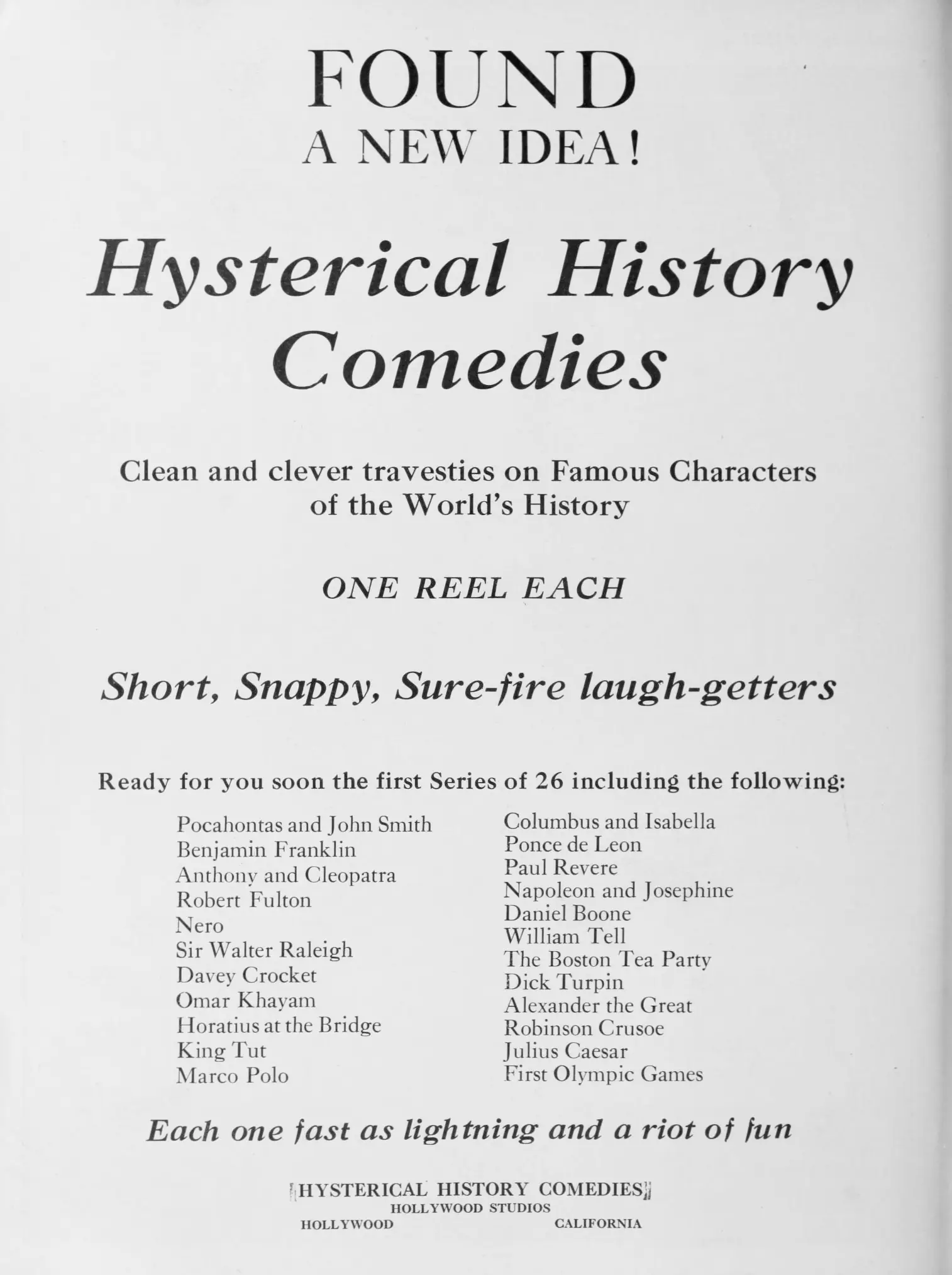
William Tell, a silent film from 1924, is a marvel of silent era comedy that infuses the familiar tale with a layer of humor that transcends its era. Directed by Bryan Foy, the film captures the essence of the Swiss sniper's legend through a blend of slapstick and clever satire, making it a standout among its contemporaries.
The plot revolves around the central character of William Tell (played by Merta Sterling), a man of principle and wit. His interactions with the tyrannical governor (played by Leo White) are the backbone of the film's comedic setup. The scene where Tell is forced to shoot an apple off his son's head to secure his freedom is both poignant and laugh-out-loud funny, a testament to the film's ability to balance drama and humor seamlessly.
What sets William Tell apart is its ingenious plot twists. Tell's attempt to use a pumpkin instead of an apple, and the subsequent confusion when his son eats one apple and an apple-hawk gets the other, showcases the filmmaker's sharp wit. The governor's failed attempt to replicate the feat with a bent arrow that boomerangs, striking him in the trousers, is a classic moment of silent film comedy: the visual humor is heightened by the lack of dialogue, making the audience's imagination run wild.
Supporting the main cast are the likes of Slim Summerville and Buddy Wilson, each adding their unique brand of humor to the proceedings. The chemistry between the actors is palpable, and their interactions provide a delightful mix of physical comedy and clever dialogue.
Comparatively, films like Honor Among Men and His Royal Highness offer a similar blend of comedy and drama, but William Tell stands out for its innovative storytelling. The film's ability to blend the legendary tale with modern comedic elements is a testament to its enduring appeal.
The film's success lies in its ability to balance the tension between the serious narrative and the comic elements. The subtle hand gestures, facial expressions, and clever use of props all contribute to the film's comedic effectiveness, making it a must-see for silent film enthusiasts and comedy aficionados alike.
While the film's silent nature means it relies heavily on visual storytelling, the performances and the clever use of technology like early sound effects (such as the sound of the arrow flying) enhance the overall experience. The use of these sound effects, albeit rudimentary by today's standards, adds an extra layer of humor and realism to the film's narrative.
In conclusion, William Tell is a silent comedy that not only captures the essence of its era but also transcends it. It is a film that reminds us of the power of visual storytelling and the enduring appeal of classic tales reimagined through a comedic lens. Whether viewed as a historical artifact or a delightfully crafted comedy, William Tell remains a compelling watch for any film lover.
Note: All films mentioned in the comparison are available for viewing through our extensive database of classic films.
IMDb 1.9
1919
Community
Log in to comment.