DbcultAccessing Vault...
Cult Review
Senior Film Conservator
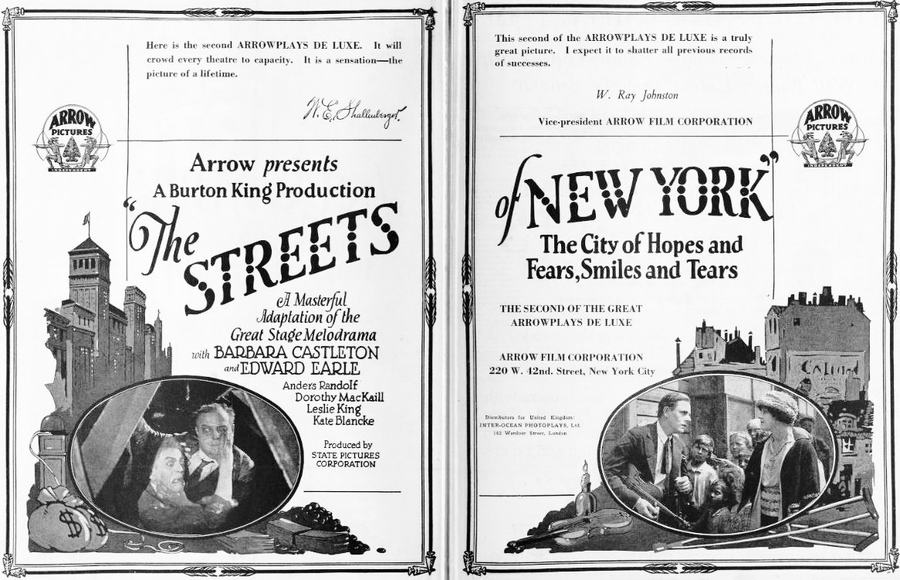
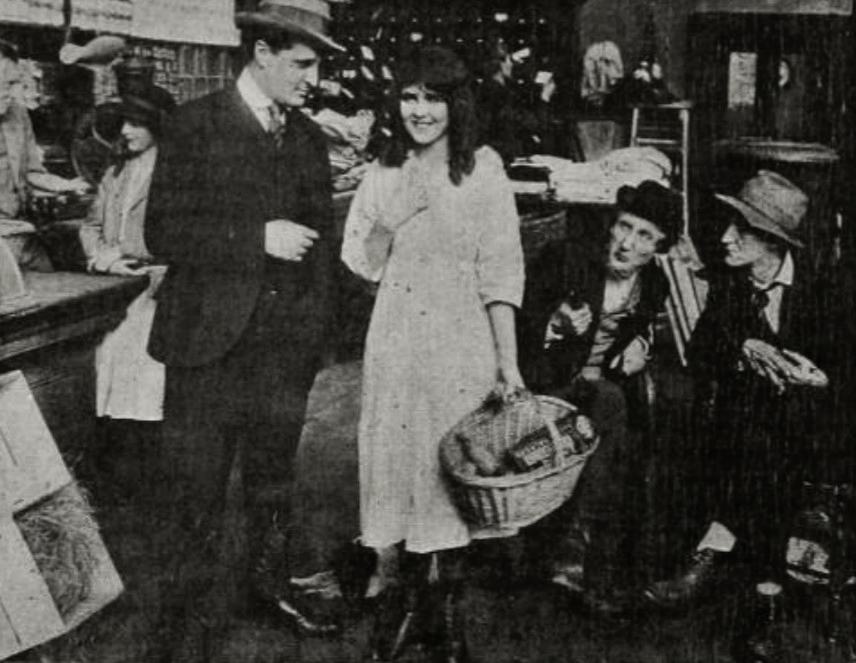
The Streets of New York is a film that defies easy categorization, blending elements of drama, romance, and thriller to create a truly unique cinematic experience. At its core, the movie is a character-driven exploration of the human condition, delving into the complexities of love, revenge, and redemption. Paul Fairweather, the protagonist, is a deeply nuanced character, whose life is forever altered when his father is robbed by the cunning Gideon Bloodgood.
As Paul navigates his complicated past, he finds himself drawn to Lucy Bloodgood, unaware that she is the daughter of his family's nemesis. This complicated web of relationships is expertly woven by the film's writer, Leota Morgan, who brings a level of depth and sophistication to the story. The character of Badger, a clerk who has been blackmailing Bloodgood for years, adds an extra layer of complexity to the narrative, his jealousy of Paul's blossoming relationship with Lucy prompting him to devise a sinister plan to eliminate both Paul and Bloodgood.
The film's use of setting is also noteworthy, with the streets of New York providing a gritty, unforgiving backdrop for the characters' struggles. The stormy weather that brews throughout the movie serves as a potent metaphor for the turmoil that is brewing within the characters, ultimately culminating in a dramatic showdown that will leave only some standing. In comparison to other films of the era, such as The Streets of New York stands out for its unflinching portrayal of the human condition, a trait that is also evident in films like Carmen and Chimmie Fadden Out West.
The cast of the movie delivers strong performances across the board, with Anders Randolf bringing a level of depth and nuance to the role of Bloodgood. Kate Blancke and Barbara Castleton also deliver notable performances, their characters adding an extra layer of complexity to the narrative. The chemistry between the leads is palpable, making their relationships all the more believable and engaging. In terms of cinematography, the film features a range of innovative techniques, including the use of low-key lighting and high-contrast imagery, which serves to heighten the sense of drama and tension.
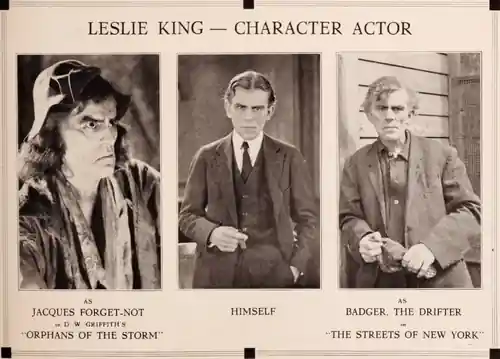
The themes of love, revenge, and redemption are timeless and universal, making The Streets of New York a movie that continues to resonate with audiences today. The film's exploration of the human condition is both unflinching and uncompromising, offering a gritty, realistic portrayal of life that is both captivating and thought-provoking. In comparison to other films that explore similar themes, such as Meet Betty's Husband and The Awful Spook, The Streets of New York stands out for its nuanced characterization and sophisticated storytelling. The movie's use of symbolism, particularly in its depiction of the stormy weather, adds an extra layer of depth and complexity to the narrative, making it a truly unforgettable cinematic experience.
In terms of historical context, The Streets of New York is a product of its time, reflecting the social and cultural attitudes of the era in which it was made. The film's portrayal of the social hierarchy of the time, with the wealthy elite holding power and influence over the lower classes, is both thought-provoking and insightful. The movie's use of social commentary is also noteworthy, with the character of Badger serving as a symbol of the corrupting influence of power and greed. In comparison to other films that explore similar themes, such as The White Terror and The Outsider, The Streets of New York stands out for its unflinching portrayal of the human condition and its sophisticated storytelling.
The film's influence can also be seen in later movies, such as Her Beloved Enemy and The Magic Cup, which explore similar themes of love, revenge, and redemption. The movie's use of cinematic techniques, such as the use of low-key lighting and high-contrast imagery, has also been influential, with many later films incorporating similar techniques into their own storytelling. In terms of cultural significance, The Streets of New York is a landmark film that continues to be celebrated for its timeless themes and universal appeal. The movie's exploration of the human condition is both unflinching and uncompromising, offering a gritty, realistic portrayal of life that is both captivating and thought-provoking.
In conclusion, The Streets of New York is a masterpiece of cinematic storytelling, with a richly nuanced narrative that explores the complexities of the human condition. The film's use of symbolism, social commentary, and cinematic techniques makes it a truly unforgettable cinematic experience. With its timeless themes and universal appeal, The Streets of New York is a movie that will continue to resonate with audiences for generations to come. Other notable films that explore similar themes and ideas include Common Ground, Do the Dead Talk?, Singing River, The Battle of Love, Good Gracious, Bobby, The Foolish Matrons, and Glory.
IMDb 6.6
1928
Community
Log in to comment.