DbcultAccessing Vault...
6.3/10
Senior Film Conservator
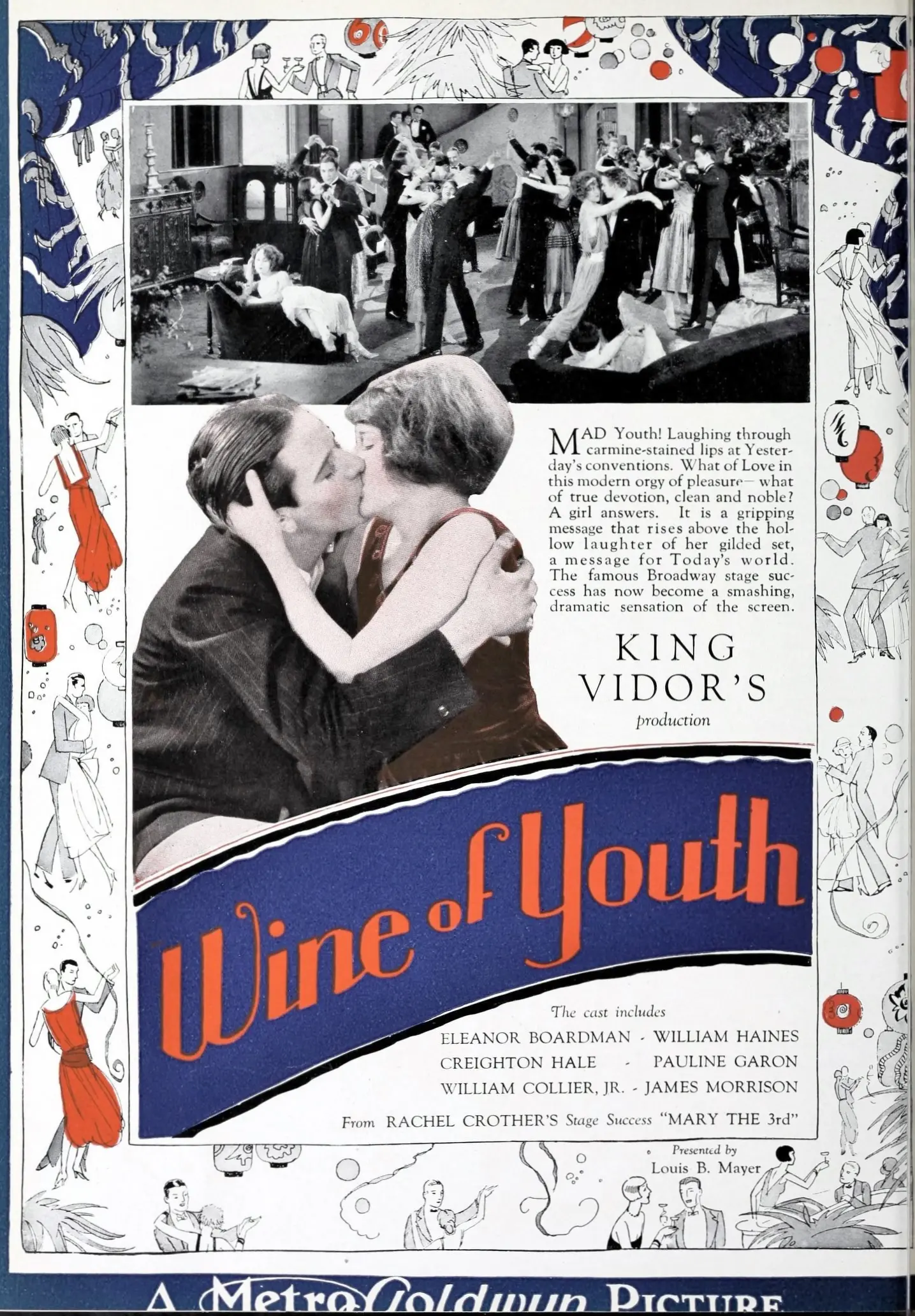
A definitive 6.3/10 rating for a film that redefined the boundaries of cult cinema. Wine of Youth remains a cornerstone of transgressive art.
In the pantheon of silent cinema, few films capture the tectonic shifts of the 1920s with the same vibrant, albeit conflicted, energy as Wine of Youth. This 1924 feature, an adaptation of Rachel Crothers’ provocative play Mary the Third, functions as both a time capsule of the flapper era and a surprisingly prescient interrogation of matrimonial endurance. At its core, the film is a generational dialectic. It begins with a stylized prologue, contrasting the demure, manipulative courtships of the mid-19th century with the frank, almost clinical approach of the post-war generation. Eleanor Boardman, portraying Mary the Third, embodies this new spirit with a performance that balances gamine charm with a hauntingly modern sense of ennui.
The narrative engine is driven by Mary’s refusal to accept the 'happily ever after' mythos at face value. While her grandmother and mother utilized the social weaponry of their respective eras to secure a husband, Mary demands an authenticity that her suitors are ill-equipped to provide. This search for truth leads her into a romantic triangle that serves as a microcosm for the era's masculine archetypes. On one side, we have Lynn (Creighton Hale), whose quietude and adherence to traditional decorum border on the tepid. On the other, Hal (Ben Lyon) represents the dangerous allure of the 'jazz-mad' youth—aggressive, impulsive, and ultimately, somewhat hollow. Unlike the more whimsical explorations of romance found in Her Temporary Husband, Wine of Youth treats the stakes of this choice as a matter of spiritual survival.
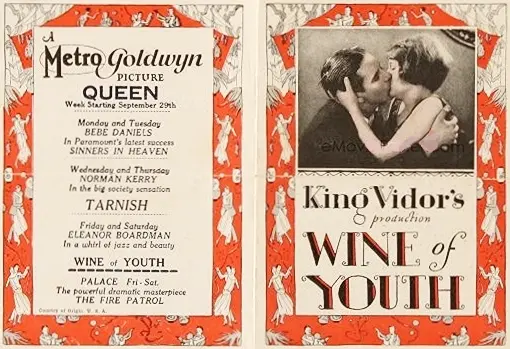
One of the film’s most daring thematic flourishes is its flirtation with the concept of the 'trial marriage.' In an era where the divorce rate was beginning to climb, the idea that young people should cohabitate—or at least spend extended, unchaperoned time together—to test their compatibility was scandalous. The outing Mary takes with her suitors and friends (including the delightful Zasu Pitts, who provides a grounded contrast to the central melodrama) is filmed with a kineticism that suggests liberation. However, the film quickly pivots into a cautionary tale. When the excursion leads to an attempted seduction, the narrative’s progressive momentum hits a brick wall of moral conservatism. This tension between the desire for freedom and the fear of its consequences is a recurring motif in silent-era social dramas, reminiscent of the ethical quandaries posed in The Burning Question.
The cinematography by John Arnold captures the opulence of the era without descending into mere spectacle. The lighting in the domestic scenes, particularly during the heated arguments between Mary’s parents (played with weary conviction by Eulalie Jensen and E.J. Ratcliffe), creates a claustrophobic atmosphere that justifies Mary’s cynicism. Seeing the 'ideal' union of her parents dissolve into bickering and resentment is the film's most potent emotional beat. It mirrors the disillusionment found in The Man Life Passed By, where the passage of time reveals the structural flaws in human relationships. Mary’s horror at her parents' reality is the catalyst for her rejection of Lynn and Hal alike, as she realizes that marriage might simply be a slow death of the soul.

Eleanor Boardman is the undisputed soul of the production. Her ability to convey complex internal monologues through subtle shifts in expression was a hallmark of the Vidor-era MGM style. She avoids the histrionics often associated with silent film, opting instead for a naturalism that feels remarkably contemporary. When she watches her mother and father reconcile, her face reflects a kaleidoscope of emotions: relief, confusion, and a lingering sense of betrayal. It is a moment of high drama that avoids the saccharine pitfalls of films like The Right to Be Happy, providing instead a messy, human conclusion to a messy, human problem.
The supporting cast is equally formidable. William Haines and Pauline Garon bring a levity that prevents the film from becoming a somber treatise on social decay. Zasu Pitts, even in this early role, demonstrates her unique ability to blend pathos with comedy, a skill she would later perfect in more experimental works. The chemistry between the 'sweethearts' Max and Tish serves as a foil to Mary’s intellectualized approach to love; they are the 'normal' couple, whose simple desires contrast with Mary’s profound questioning. This ensemble dynamic reminds one of the social tapestries woven in The Social Code, where individual desires are constantly weighed against the expectations of the collective.
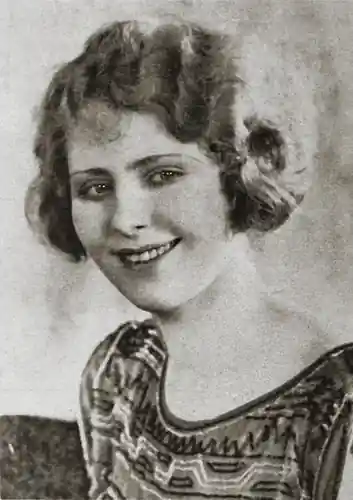
While we view Wine of Youth today as a silent film, it is important to remember the 'auditory' experience of its original audiences—the live orchestras or organists who would have underscored Mary’s existential crises with the popular jazz of the day. The film’s rhythm is inherently musical, shifting from the staccato energy of the party scenes to the long, melodic takes of Mary’s solitary reflections. The costume design, too, tells a story. Mary’s wardrobe evolves from the restrictive silhouettes of the prologue’s ancestors to the fluid, unbinding garments of the 1920s, symbolizing her literal and metaphorical shedding of the past. This visual storytelling is as potent here as the symbolic imagery in The Dreamer.
However, the film is not without its flaws. The resolution, which sees Mary finally accepting Lynn, feels somewhat like a concession to the censorship standards of 1924. After an hour of valid, searing critique of the marital institution, the sudden pivot back to domestic bliss feels slightly unearned. It lacks the psychological complexity of the ending in Comin' Thro' the Rye (1923), where the weight of the past is never fully lifted. Yet, in the context of Mary’s journey, one could argue that her choice of Lynn is not a surrender to tradition, but a conscious decision to build something new on the ruins of the old. She chooses the man who respects her autonomy, even if that respect comes in a traditional package.
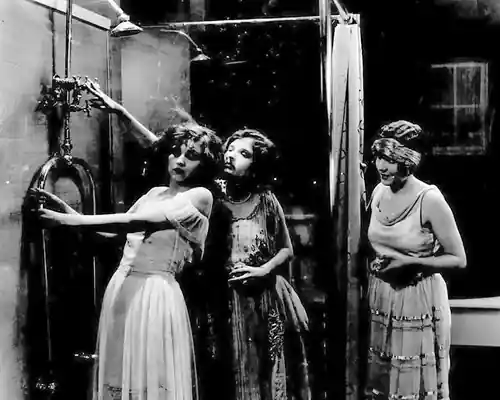
Wine of Youth remains a vital piece of cinema because it refuses to provide easy answers. It acknowledges that the 'wine' of youth is heady and intoxicating, but it also carries a bitter aftertaste of uncertainty. It stands alongside films like Burning the Candle in its depiction of the exhaustion that comes with hedonism. For the modern viewer, the film offers a window into a world that was just beginning to grapple with the concepts of female agency and psychological realism that we take for granted today.
The screenplay by Carey Wilson and Rachel Crothers is sharp, retaining much of the play’s witty dialogue through well-crafted intertitles. These cards do more than just move the plot; they offer philosophical musings on the nature of love that elevate the film above the standard 'flapper' fare. In a landscape often dominated by simple melodramas like One Wonderful Night, Wine of Youth dares to be intellectual. It asks if love can survive the death of illusion, and while its answer might be colored by the era’s requirements for a happy ending, the question itself remains hauntingly relevant.
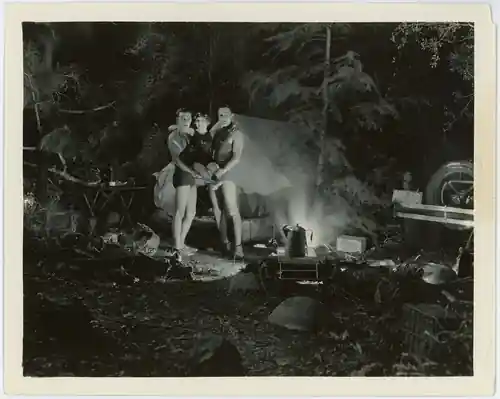
Ultimately, the film is a testament to the talent of Eleanor Boardman and the visionary direction of King Vidor (uncredited in the prompt but essential to the film's DNA). It is a vibrant, chaotic, and deeply moving exploration of what it means to be young in a world that is rapidly changing. Whether compared to the epic scope of Die Herrin der Welt 8. Teil or the intimate character studies of Waifs, Wine of Youth holds its own as a masterpiece of social commentary. It is a film that demands to be seen, not just as a relic of the past, but as a mirror to our own enduring struggles with intimacy and identity.
A shimmering, sophisticated drama that captures the vertigo of the 1920s. Despite a somewhat conventional finale, Boardman’s performance and the film’s radical questioning of marriage make it an essential watch for any serious student of silent cinema. It is the cinematic equivalent of a vintage vintage—complex, slightly acidic, but ultimately deeply satisfying.
IMDb 6.4
1927
Community
Log in to comment.