DbcultAccessing Vault...
Cult Review
Senior Film Conservator
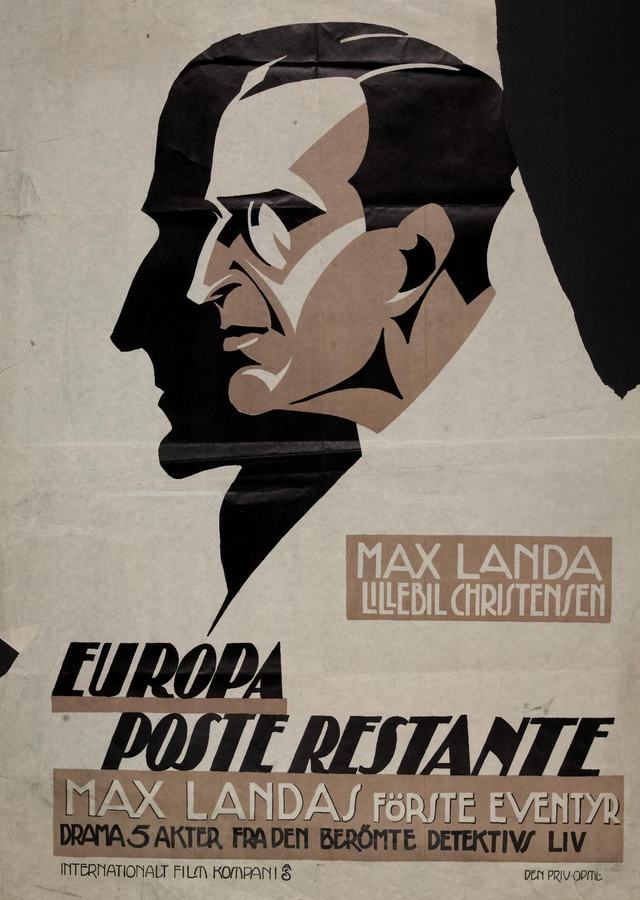
Stepping back into the hallowed, often dimly lit archives of silent cinema, one occasionally stumbles upon a forgotten gem, a flickering phantom from an era of nascent storytelling. Ewald André Dupont’s Europa postlagernd is precisely such a discovery—a film that, despite its relative obscurity in modern discourse, pulsates with an undeniable vitality, a testament to the audacious creativity and technical prowess of its time. This isn't merely a relic; it's a vibrant narrative tapestry woven with threads of intrigue, romance, and the universal quest for identity, all rendered with a directorial flair that feels remarkably prescient.
The film plunges us headfirst into a world where communication is both a lifeline and a labyrinth. At its heart lies Elara, portrayed with a mesmerizing blend of vulnerability and nascent strength by the incomparable Lillebil Ibsen. Her performance is a masterclass in silent acting, conveying entire soliloquies through a subtle shift in gaze, a trembling hand, or a sudden, heartbreaking smile. Elara's journey begins in the mundane, her existence a monochrome canvas in bustling Berlin, until a mysterious letter—addressed 'Europa postlagernd,' or general delivery across Europe—ignites a spark of adventure and self-discovery. This simple, yet profoundly evocative, plot device instantly establishes the film's central conceit: the idea of a destiny withheld, waiting to be claimed across borders and through the impersonal mechanisms of a continent-spanning postal service.
Dupont, a director celebrated for his innovative visual language and keen sense of psychological drama, crafts a narrative that is both sprawling in its geographical scope and intimate in its emotional resonance. As Elara follows the breadcrumbs of her past, collecting subsequent letters from various 'postlagernd' offices—from the romantic boulevards of Paris to the shadowy canals of Venice, and eventually to the austere grandeur of a forgotten principality—the audience is treated to a vivid, if often stylized, tour of a pre-war Europe. Each new locale isn't just a backdrop; it's a character in itself, contributing to the film's rich atmosphere. The architectural details, the shifting light, the bustling crowds, all serve to deepen the sense of Elara's escalating adventure and the lurking dangers.
The intrigue swiftly thickens with the introduction of Baron von Kessel, brought to life with menacing precision by Viktor Senger. Senger embodies the classic silent film antagonist: a figure whose sinister intentions are communicated through sharp, calculating glances and an almost predatory stillness. Kessel, a distant relative, is also after the elusive inheritance, and his machinations cast a long shadow over Elara's quest. His presence injects a palpable tension into the narrative, transforming Elara's journey from a personal pilgrimage into a desperate race against time and malevolence. Adding another layer of complexity is Countess Seraphina, exquisitely portrayed by Maria Andersen. Andersen's Seraphina is a study in ambiguity, a socialite whose charm conceals a shifting moral compass. Her alliances are fluid, her motives veiled, and her interactions with both Elara and Kessel add a delicious layer of uncertainty, making her a truly compelling, if morally ambiguous, character.
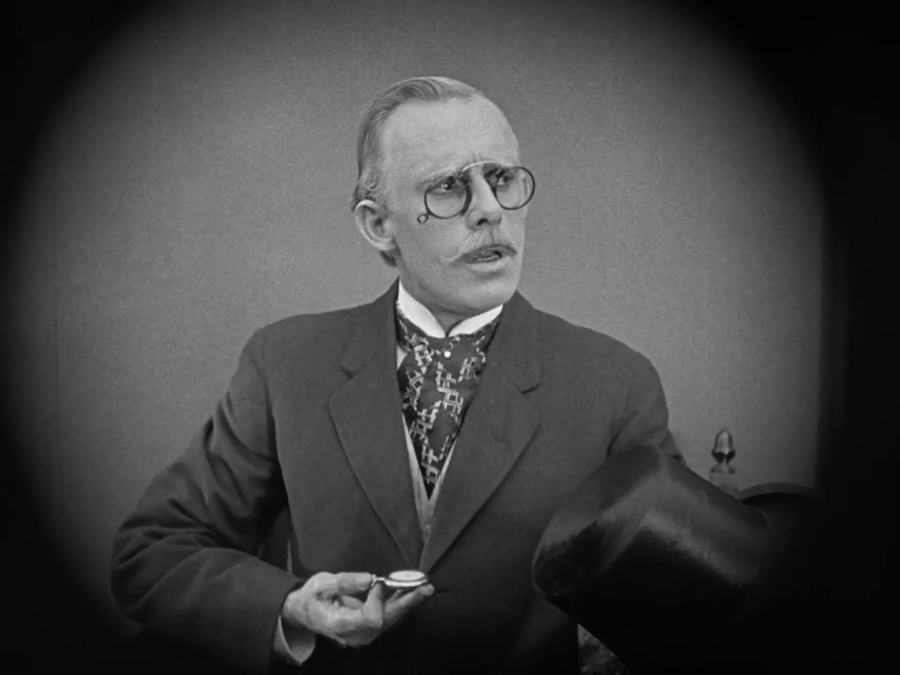
Amidst this web of deceit and danger, a beacon of hope emerges in the form of Inspector Armand Dubois, played by the ever-charismatic Max Landa. Landa, known for his suave demeanor and piercing gaze, injects Dubois with an irresistible blend of intellectual curiosity and protective gallantry. Dubois, initially investigating a separate case involving international forgery and a missing heir, finds his path inextricably linked with Elara’s. Their initial encounters are marked by suspicion and cautious observation, a dance of wits that slowly, beautifully, evolves into a profound connection. The chemistry between Ibsen and Landa is undeniable, a silent symphony of longing and trust that anchors the film’s emotional core. Their burgeoning romance isn't merely a romantic subplot; it's a crucial element that provides Elara with the strength and support she needs to confront the daunting truths of her past.
The supporting cast, though perhaps given less screen time, contributes significantly to the film's immersive quality. Leonhard Haskel, Lu Synd, Ernst Lübbert, Martin Lübbert, Helene Voß, Hugo Werner-Kahle, Stefanie Hantzsch, and Guido Herzfeld each inhabit their roles with conviction, whether they are minor functionaries, suspicious innkeepers, or shadowy figures lurking in the background. Their collective presence helps to flesh out Dupont's meticulously constructed world, adding texture and depth to the unfolding drama. It’s a testament to Dupont’s directorial skill that even the smallest roles feel integral to the grand design.
Ewald André Dupont's directorial vision for Europa postlagernd is nothing short of masterful. He employs a dynamic visual style, utilizing intricate set designs and innovative camera angles that elevate the silent film medium beyond mere theatrical recording. The use of deep focus in certain scenes, allowing multiple layers of action to unfold simultaneously, is particularly striking, demonstrating an advanced understanding of cinematic space. The pacing, too, is expertly managed; moments of breathless pursuit are juxtaposed with contemplative scenes of Elara poring over clues, creating a rhythm that keeps the audience utterly captivated. The intertitles, far from being mere narrative placeholders, are often crafted with poetic flair, adding to the film's literary sensibility and deepening the emotional impact of key moments.
Thematic richness abounds in Europa postlagernd. It explores the perennial themes of identity, belonging, and the search for truth in a world rife with deception. Elara's journey is not just about an inheritance; it's about reclaiming a lost self, piecing together the fragments of a past that was stolen from her. The film also subtly critiques the societal structures of the time, where lineage and wealth often dictated destiny, and where the vulnerable could easily be exploited. The concept of 'postlagernd' itself becomes a powerful metaphor for fragmented communication and the often-impersonal nature of modern life, even as it serves as a conduit for profound personal revelations. This narrative complexity and thematic depth set it apart from many contemporaries, positioning it as a work of considerable artistic merit.
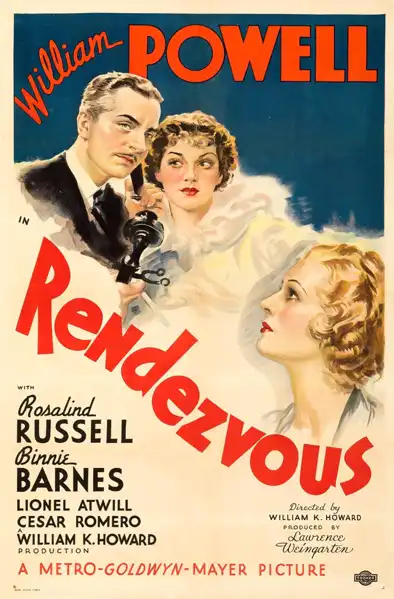
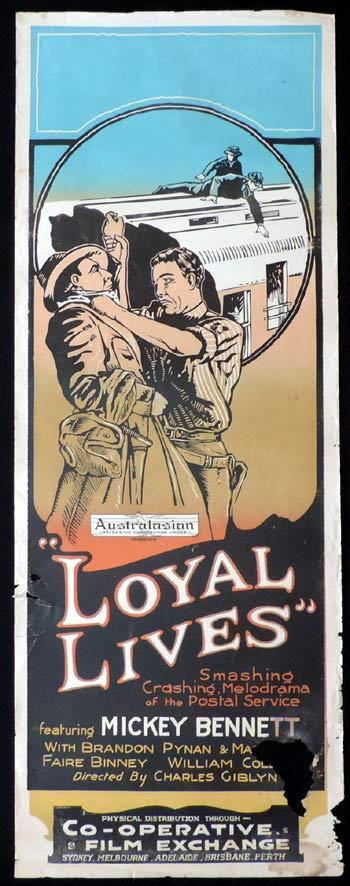
When considering other films of the era, Europa postlagernd stands out for its sophisticated blend of genres. While it possesses the grand romantic sweep found in films like Eternal Love, its intricate mystery and international espionage elements align it more closely with thrillers such as Money Madness or even the adventurous spirit of Four Feathers. Dupont manages to synthesize these diverse influences into a cohesive and compelling whole, offering audiences a rich cinematic experience that transcends simple categorization. The powerful, independent spirit of Elara also brings to mind the resilient protagonists seen in films like The Princess of Patches or Mary Moreland, characters who navigate complex social landscapes with courage and determination. The film’s dramatic revelations and high stakes also echo the intense emotional landscapes explored in The Heart of Rachael, demonstrating a shared understanding of profound human struggle and triumph.
The climax of Europa postlagernd is a masterclass in suspense and emotional payoff. The revelation of the hidden testament, concealed within the ancient architecture of the ancestral castle, is orchestrated with precision, leading to a dramatic confrontation that brings all the disparate narrative threads together. The performances of Ibsen, Senger, Andersen, and Landa reach their zenith here, each actor delivering an emotionally charged portrayal that resonates deeply. The film’s resolution, while providing a satisfying sense of closure, also leaves a lasting impression of the enduring power of love, justice, and the unwavering pursuit of truth.
Ewald André Dupont, the creative force behind this cinematic marvel, demonstrates a remarkable sophistication in storytelling and visual execution. His ability to orchestrate such a complex narrative with multiple characters and shifting locales, all while maintaining a coherent and compelling through-line, speaks volumes about his genius. The film's enduring appeal lies not just in its thrilling plot, but in its meticulous attention to detail, its nuanced characterizations, and its profound exploration of human desires and struggles. It’s a film that reminds us of the power of silent cinema to transcend language barriers and speak directly to the human soul.
In conclusion, Europa postlagernd is more than just a historical artifact; it is a vibrant, engaging, and emotionally resonant work of art that deserves to be rediscovered and celebrated. It offers a window into the cinematic innovations of its era and stands as a testament to the timeless appeal of a well-told story. For aficionados of silent film, or indeed anyone with an appreciation for masterful storytelling, this film is an absolute must-see, a journey into a bygone era that still speaks volumes to our contemporary world. Its rich tapestry of character, setting, and plot, under Dupont's masterful guidance, creates an experience that is both intellectually stimulating and deeply moving. The film is a powerful reminder that some stories, like true love and justice, are truly eternal, resonating across generations and transcending the limitations of time and technology.
IMDb 6.6
1922
Community
Log in to comment.