Summary
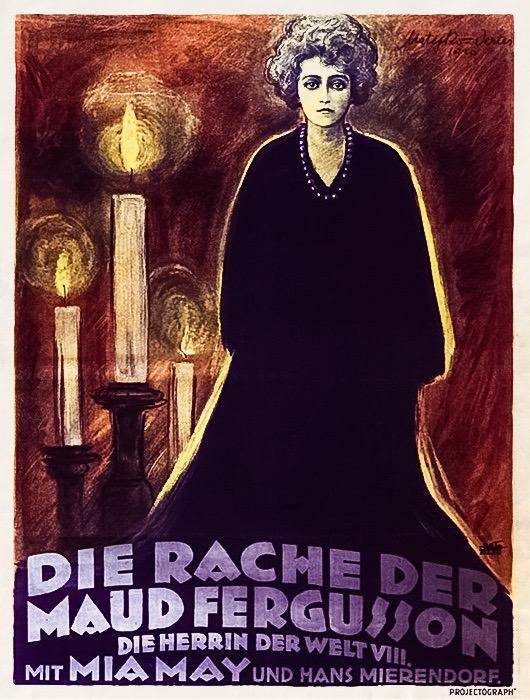
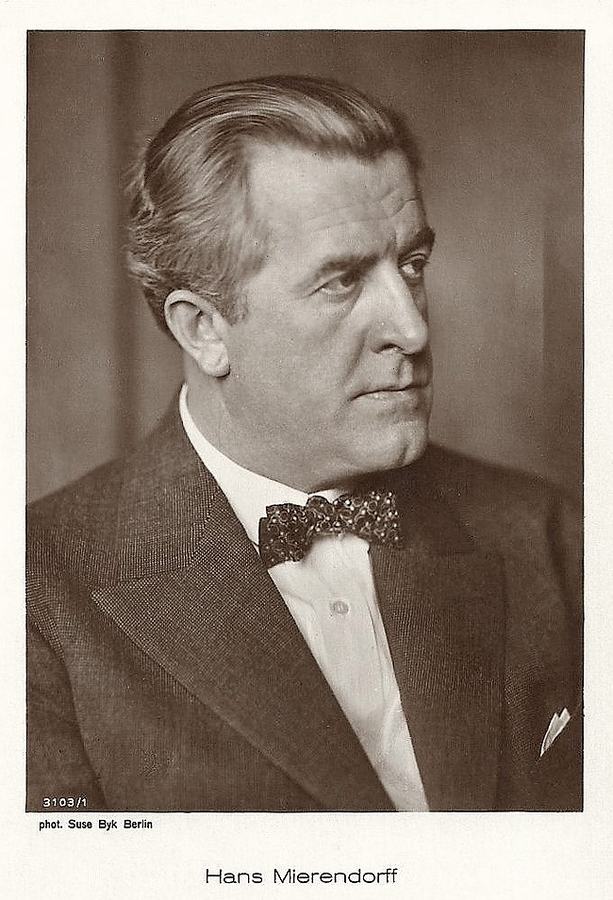
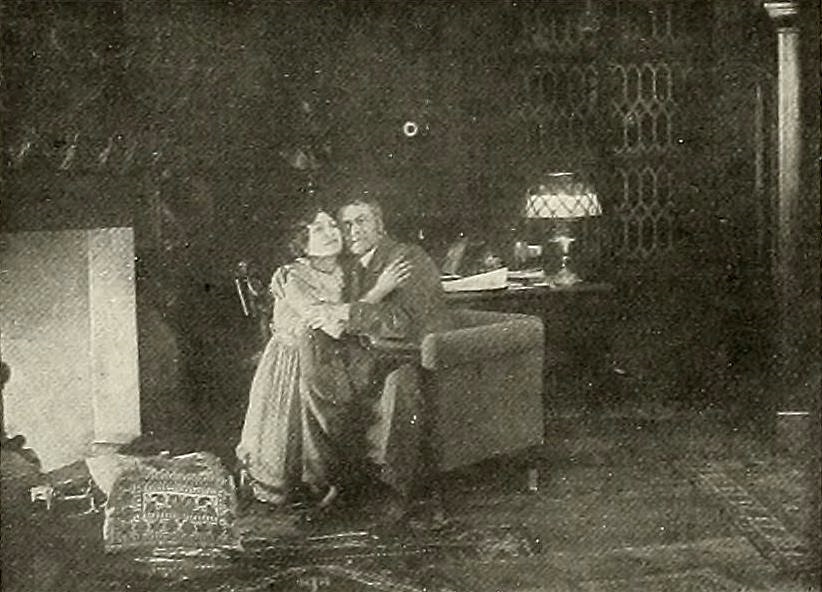
Berlin, 1920: the city’s arteries pulse with electric light and the sour perfume of coal smoke. Into this fever dream strides Maud Fergusson—aviatrix, adventuress, auburn-haired iconoclast—returning from the Hindu Kush with a bullet creased across her cheekbone and a treasure map inked on silk. The map, lifted from a collapsed maharajah’s palace, promises a mountain of jade capable of bankrolling a new world order; the bullet, fired by her former lover, the Prussian spy-cum-industrialist Alexander Ekert, now puppet-master of a clandestine armaments ring. Maud wants the jade to ransom her adoptive city from starvation; Ekert wants it to forge steel wings for the next war. Their duel zigzags from the Zeppelin hangars of Staaken to the cocaine-laced cabarets of Friedrichstraße, chased by a polyphonic chorus: Rudolf Lettinger’s cadaverous police inspector who collects crime-scene orchids, Hedy Searle’s shape-shifting mime who steals faces like pocket change, and Hans Mierendorff’s one-legged anarchist poet who broadcasts pirate manifestos from a barge lashed with red lanterns. At the center stands Mia May, incandescent as Maud, swinging from biplane struts in kid-leather boots, her pupils reflecting futures that never quite arrive. When the silk map is burned into her skin with photographic acid, the treasure ceases to be a place; it becomes her body, a living parchment everyone wants to flay. The climax erupts inside a derelict planetarium where constellations are re-projected as troop movements: Maud, lashed to an orrery, uses the mechanics of the solar system to sling Ekert into the path of a comet of his own making—an artillery shell meant for Paris. The jade mountain, revealed to be nothing more than green glass melted from beer bottles by war-orphans, dissolves into the Spree while Maud walks backward into the dawn, scarred, mapless, finally sovereign of nothing but her own flight.
Review Excerpt
"
The first time I saw Maud Fergusson’s silhouette burst through the aperture of a burning Zeppelin, I understood that cinema could cauterize history itself.
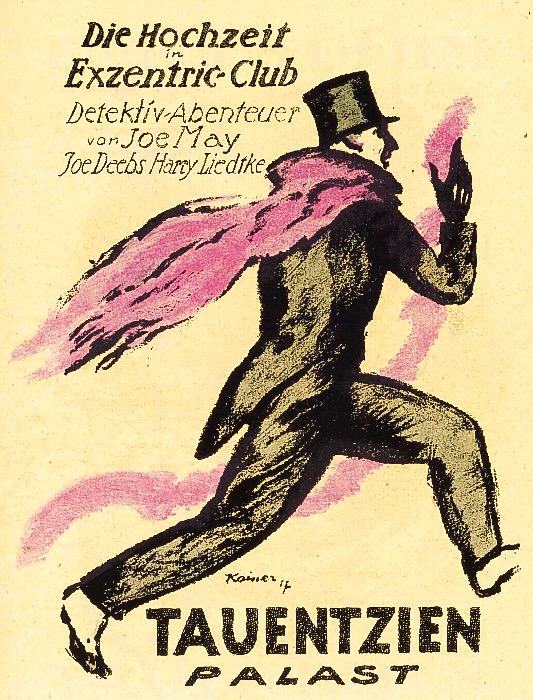
Joe May’s eighth installment of the Die Herrin der Welt cycle is less a sequel than a controlled detonation of everything we thought 1920 could look like. Forget the Weimar clichés of cigarette smoke and prosthetic decadence; here the future arrives pre-shattered, its shards reassembled into a kaleidoscope of mercury and neon. Mia May comman..."