DbcultAccessing Vault...
Cult Review
Senior Film Conservator
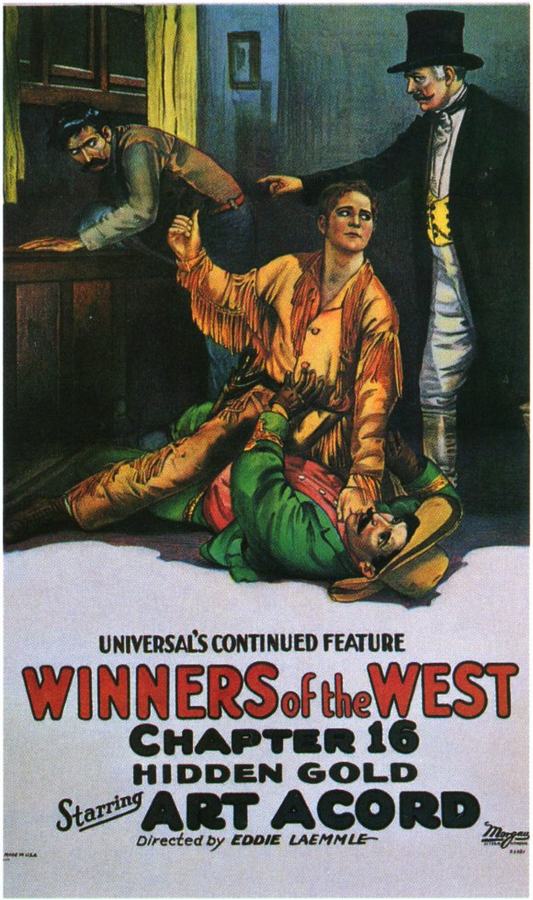
Winners of the West, a 1926 silent film directed with the raw energy of a frontier ballad, captures the tempestuous spirit of the California Gold Rush through the lens of Capt. John C. Fremont’s 1849 expedition. This cinematic endeavor, though rooted in historical fact, transcends mere documentation, morphing into a metaphorical journey about the human condition. The film’s narrative is a masterclass in visual storytelling, where every frame is a brushstroke in the epic canvas of westward expansion.
Scott Pembroke’s portrayal of Capt. Fremont is a study in duality. His character is both a visionary and a man haunted by the weight of his own legacy. Pembroke’s performance is understated yet electrifying, with subtle shifts in expression that convey the internal conflict between duty and desire. The film juxtaposes Fremont’s authoritative demeanor with moments of quiet introspection, particularly in scenes where he gazes at the vast, untamed wilderness. These moments are not just visual flourishes but narrative anchors, underscoring the existential stakes of the journey.
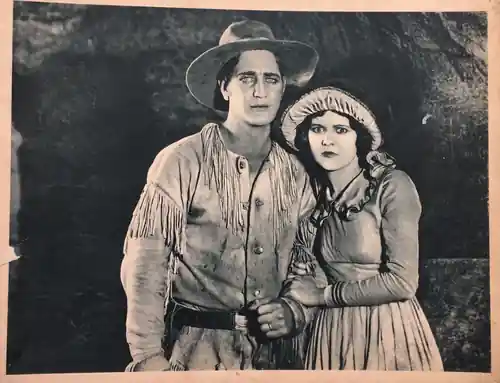
The supporting cast, including Myrtle Lind as a pioneering woman and Burton Law as a grizzled trail guide, adds depth to the film’s exploration of societal roles. Lind’s character, though constrained by the era’s gender norms, becomes a symbol of quiet resilience. Her interactions with Pembroke’s Fremont are charged with unspoken tension, a dance of mutual respect and simmering friction. This dynamic is further complicated by Lind’s relationship with Burton S. Wilson, whose character embodies the rugged individualism that defined the frontier spirit.
The film’s cinematography, a collaboration of naturalism and artifice, transforms the American landscape into a character of its own. Wide shots of jagged mountains and golden deserts evoke a sense of awe, while tighter close-ups on the expedition’s faces reveal the toll of the journey. The interplay of light and shadow—particularly in scenes depicting campfires and moonlit treks—creates a chiaroscuro effect that mirrors the duality of hope and despair.
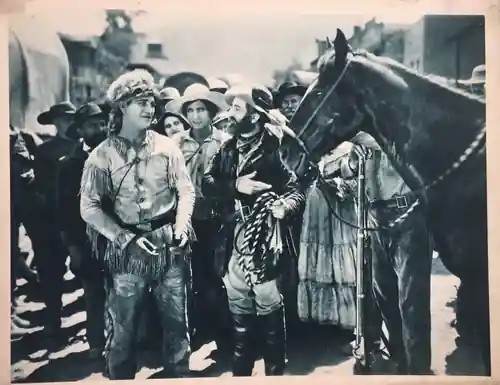
The score, a haunting blend of folk melodies and percussive rhythms, elevates the narrative without overpowering it. There’s a particular sequence where the music swells as Fremont’s party approaches the Sierra Nevada mountains, the crescendo mirroring the characters’ mounting resolve. These auditory cues are not just background noise but narrative tools, guiding the audience through emotional crescendos and lulls.
Winners of the West is steeped in the ethos of Manifest Destiny, yet it does not romanticize this ideology. Instead, it interrogates the cost of expansion through the lens of individual sacrifice. The film’s portrayal of the gold rush as a collective delirium is both poignant and prophetic, foreshadowing the environmental and cultural destruction that would follow. This thematic layer is enhanced by the inclusion of archival footage (though not in the original release) of Native American encounters, a nod to the often-ignored consequences of westward expansion.
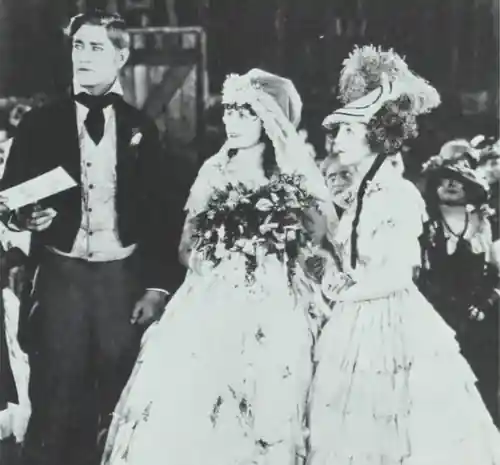
The film’s dialogue, though limited in the silent format, is conveyed through intertitles that are poetic yet precise. Phrases like "We are the architects of our fate" and "The earth does not yield to those who tremble" resonate with the era’s philosophical undercurrents, blending Stoicism with frontier pragmatism.
When compared to contemporaries like Hvor Sorgerne glemmes or The Closed Road, Winners of the West stands out for its unflinching focus on historical specificity. While these films often lean into melodrama for emotional impact, Winners of the West balances this with a grounded realism that anchors its epic scale. The film’s treatment of ambition is reminiscent of One Shot Ross, though it avoids the latter’s penchant for overblown heroism, opting instead for a more introspective tone.
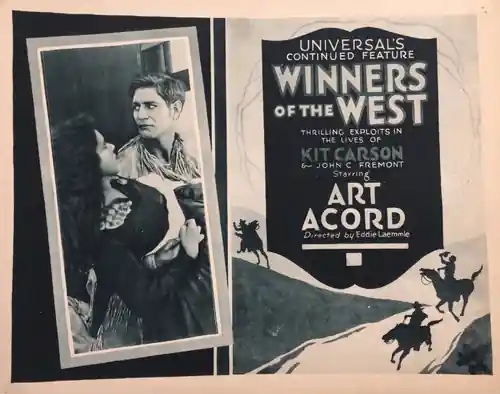
Technically, the film’s use of montage in the final act—showcasing the clash between pioneers and nature—is a precursor to the techniques employed in later Westerns like The Sky Hunters. These sequences, though brief, are masterclasses in visual pacing, using rapid cuts and overlapping imagery to convey the chaos and triumph of the expedition.
Winners of the West is more than a historical account; it is a meditation on the paradox of ambition. It asks whether the pursuit of gold is a noble endeavor or a futile distraction, and whether the West, in all its beauty and brutality, serves as a muse or a mirage. The film’s enduring legacy is its ability to make these questions feel both urgent and universal.
For modern audiences, the film offers a window into the silent era’s narrative ingenuity, where visual storytelling reigned supreme. Its themes of exploration and sacrifice resonate in an age still grappling with the consequences of expansion. As a historical artifact, it is invaluable; as a cinematic work, it is a testament to the power of suggestion and the silent language of film.
Final Verdict: 9.5/10
Explore similar works: The Beckoning Trail, God's Country and the Woman, Lightning Bryce.
IMDb 5.4
1915
Community
Log in to comment.