DbcultAccessing Vault...
6.4/10
Senior Film Conservator
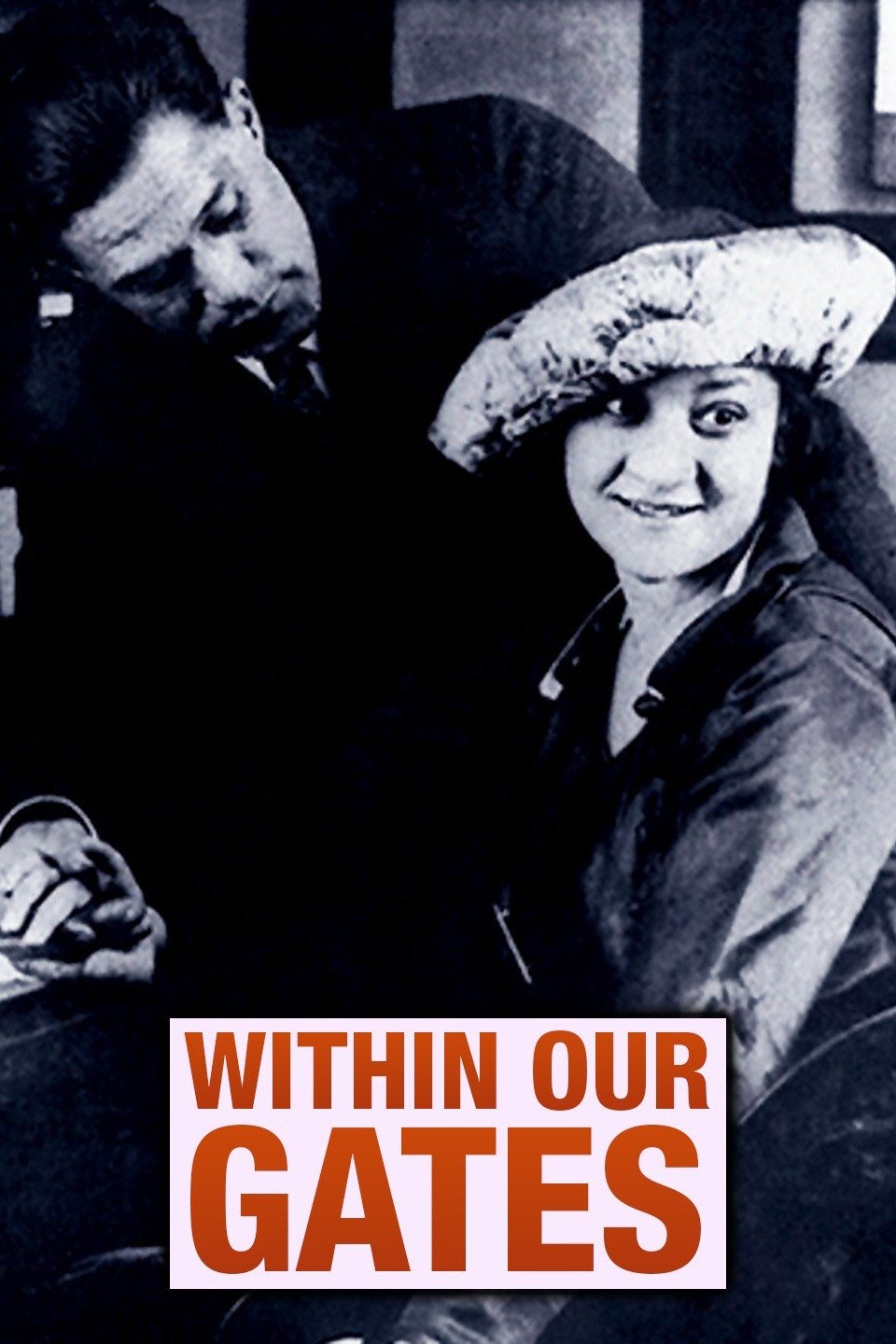
A definitive 6.4/10 rating for a film that redefined the boundaries of cult cinema. Within Our Gates remains a cornerstone of transgressive art.
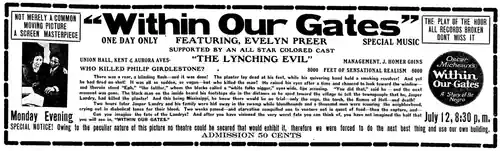
To witness Within Our Gates is to engage with a ghost that refused to be silenced. Produced in 1920 by the legendary Oscar Micheaux, this film stands as a monumental pillar of "race cinema," a defiant response to the vitriolic propaganda of its era. While mainstream Hollywood was busy canonizing the technical prowess of D.W. Griffith, Micheaux was operating on the periphery, wielding a camera like a scalpel to excise the rot of American mythology. Unlike the gothic melodrama found in The Shadow of Her Past, Micheaux’s work does not merely flirt with tragedy; it confronts it with a searing, unblinking gaze.
The film’s existence is a miracle of preservation. Lost for decades until a print surfaced in Madrid in the 1970s, it serves as a vital corrective to the vacuum of Black cinematic history. Micheaux was not just a director; he was a guerrilla artist, a novelist-turned-filmmaker who understood that the screen was the most potent battlefield for the soul of a nation. In this narrative, he eschews the simplistic moral binaries of contemporary silent shorts like Mary's Lamb, opting instead for a dense, layered exploration of class, colorism, and the pervasive shadow of the lynch mob.
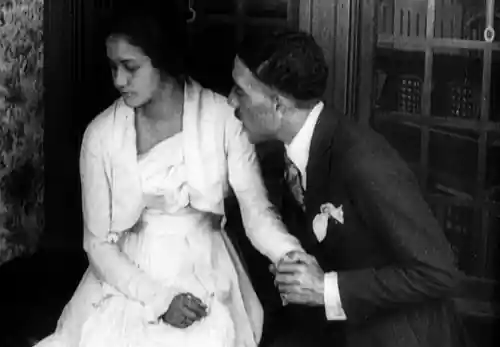
The luminous Evelyn Preer portrays Sylvia Landry, a character of immense fortitude and intellectual grace. The film begins in the North, where Sylvia is embroiled in a romantic entanglement that ends in heartbreak. This personal fracture serves as the catalyst for her return to the South, where she dedicates herself to the Piney Woods School. The school, led by the dedicated Reverend Jacobs, is a symbol of Black self-actualization, yet it is stifled by the lack of resources—a theme that resonates far more deeply than the whimsical struggles depicted in Betty to the Rescue.
Sylvia’s journey to Boston to solicit donations introduces us to Mrs. Warwick, a white philanthropist who represents the potential for interracial empathy. However, Micheaux is careful to juxtapose this with the character of Mrs. Geraldine Stratton, a Southern bigot who attempts to dissuade Mrs. Warwick from her charitable impulse. This ideological tug-of-war highlights the precarious nature of Black progress, which is constantly undermined by the active malice of those invested in the status quo. The narrative sophistication here far outstrips the lighthearted social maneuvering seen in Just Out of College.
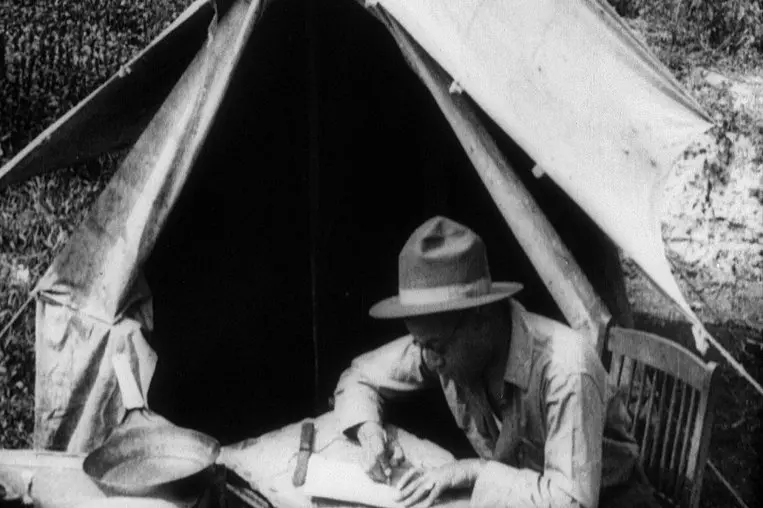
The true power of Within Our Gates lies in its central flashback, a sequence so harrowing that it remains difficult to watch even a century later. Micheaux utilizes cross-cutting—the very technique Griffith used to celebrate the Klan—to depict the simultaneous lynching of Sylvia’s parents and the attempted rape of Sylvia by a white man named Armand Gridlestone. It is a masterful subversion of cinematic language. By using the tools of his oppressors to document their atrocities, Micheaux achieves a level of verisimilitude that makes the fantastical elements of A Daughter of the Gods seem utterly frivolous.
The revelation that Gridlestone is actually Sylvia’s father, upon seeing a birthmark on her breast, is a moment of pure Greek tragedy. It exposes the horrific reality of miscegenation born of violence, a topic that was strictly taboo in the mainstream industry. This is not the stylized mystery of The Woman in Black; it is a raw, bleeding wound on the American psyche. The scene is a polemic against the "Southern chivalry" myth, revealing the predatory nature hidden beneath the veneer of aristocracy.
What distinguishes Micheaux from his contemporaries is his refusal to treat the Black community as a monolith. We see the spectrum of humanity: the heroic Dr. Vivian, the treacherous Old Ned, and the ambitious youth of the school. Old Ned, in particular, is a fascinating and tragic figure—a "race traitor" who grovels before white men for scraps of approval, only to realize in a moment of solitary reflection the depth of his own degradation. This psychological complexity is rarely found in the silent era, where characters often adhered to rigid archetypes, as seen in Fine Feathers.
The film also touches upon the Great Migration, the allure of the urban North, and the persistent dangers that followed Black bodies regardless of geography. Micheaux’s lens captures the vibrancy of Black social life, the dignity of the laboring class, and the burgeoning intellectualism of the "New Negro." This is not a film of rest or complacency, unlike the domestic tranquility suggested by Their Day of Rest. It is a film of constant movement, striving, and survival.
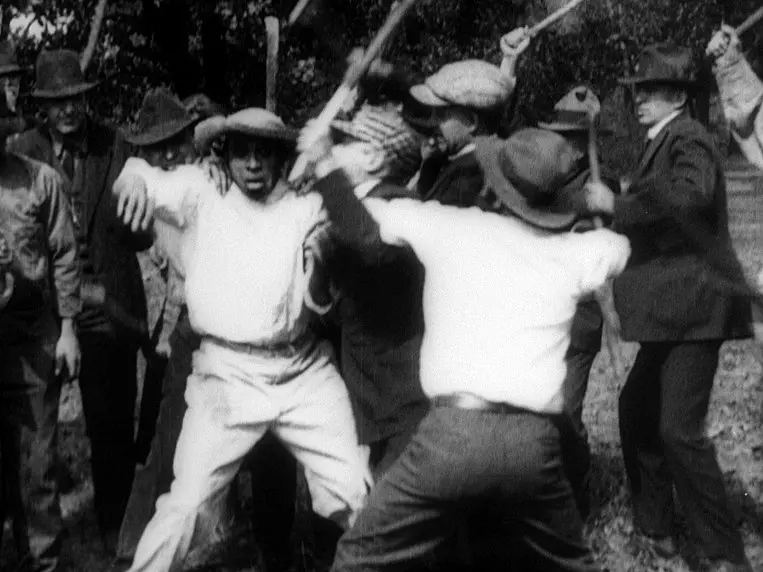
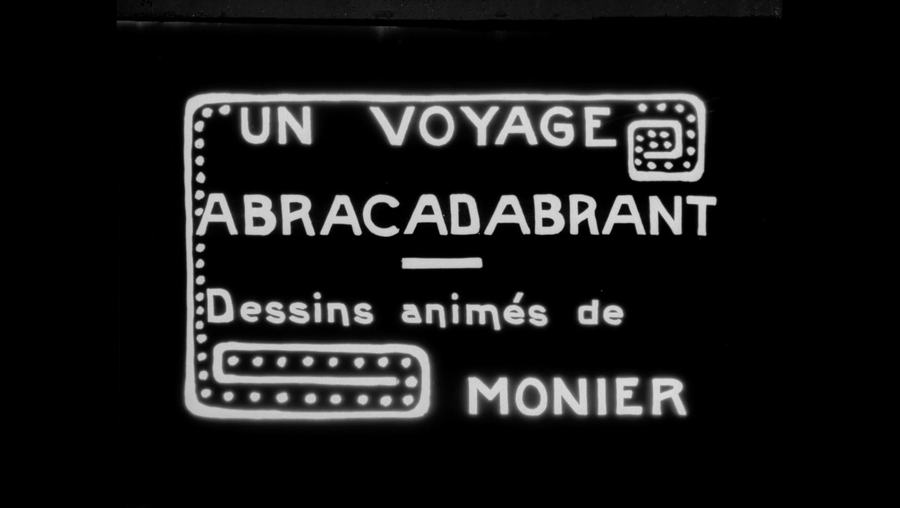
From a technical standpoint, Within Our Gates is a fascinating study in resourcefulness. Working with a fraction of the budget of a major studio production, Micheaux manages to create a sprawling epic. The editing is at times jarring, but this fragmentation mirrors the fractured lives of the characters. While European cinema was experimenting with surrealism in films like Le Voyage Abracadabrant, Micheaux was pioneering a form of social realism that was decades ahead of its time. He wasn't interested in the aesthetic beauty of En Død i Skønhed; he was interested in the truth.
The performances are heightened, as was the custom of the silent era, but Evelyn Preer brings a modern sensibility to her role. Her face is a map of sorrow and determination. In her eyes, we see the collective trauma of a people and the unwavering hope for a better future. The supporting cast, featuring Leigh Whipper and William Starks, provides a robust framework for this ambitious narrative. Even the minor characters feel lived-in, possessing a weight that is absent in more ephemeral works like The Soup and the Fish Ball or the farcical The Bogus Uncle.
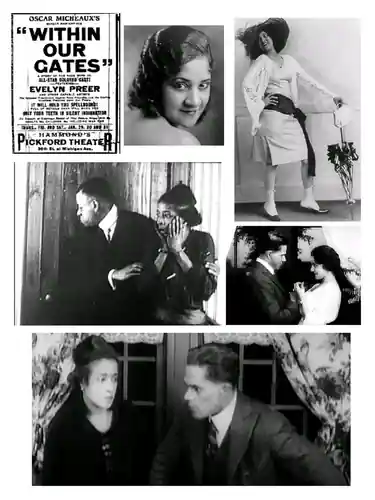
Ultimately, Within Our Gates is more than a film; it is a historical document of resistance. It challenged the prevailing narratives of its time and provided a mirror for a community that had been systematically erased or caricatured on screen. While other films of 1920, such as Leave It to Susan or A Woman's Experience, may have offered escapism, Micheaux offered engagement. He demanded that his audience look at the scars of the past to understand the struggles of the present.
The film’s conclusion, which emphasizes education and patriotism as the path forward, might seem conservative by modern standards, but in 1920, it was a radical assertion of citizenship. To claim a place within the American gates was an act of courage. Micheaux’s work remains a vital touchstone for anyone interested in the power of cinema to provoke, to educate, and to heal. It is a testament to the fact that even when the world is built to keep you out, the stories you tell can force the gates wide open. This film does not possess the exoticism of The Heart of a Gypsy, but it possesses something far more valuable: an unshakeable integrity.
In the pantheon of early cinema, Oscar Micheaux stands as a giant. Within Our Gates is his most enduring legacy, a film that continues to challenge viewers with its complexity and its compassion. It is a reminder that the camera is not just a tool for recording reality, but a weapon for changing it. As we look back on the silent era, let us ensure that the name Micheaux is spoken with the same reverence as the titans of the studio system, for he did more with less than almost any filmmaker in history.
IMDb 6.2
1919
Community
Log in to comment.