DbcultAccessing Vault...
5.6/10
Senior Film Conservator
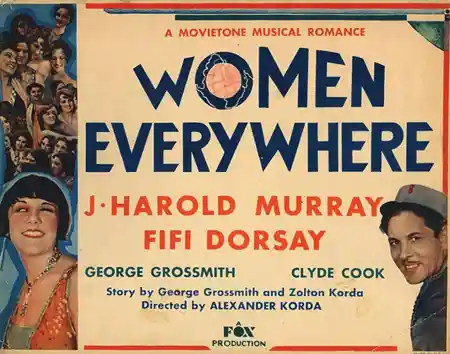
A definitive 5.6/10 rating for a film that redefined the boundaries of cult cinema. Women Everywhere remains a cornerstone of transgressive art.
If you're looking for a serious war movie about the French Foreign Legion, you should probably keep moving. This isn't that.
It’s mostly for people who like early talkies where everyone shouts their lines because they’re scared the microphone won't hear them. You’ll probably hate it if you can't stand random singing in the middle of a gun-running plot.
J. Harold Murray plays Charles Jackson. He’s a sea captain, a gun-runner, and a "singing soldier-of-fortune."
That last part is the weirdest bit. He’s literally smuggling weapons to rebels in Morocco but keeps stopping to belt out a tune like he’s on Broadway.
The title, Women Everywhere, is a total lie by the way. There are hardly any women in this movie at all.
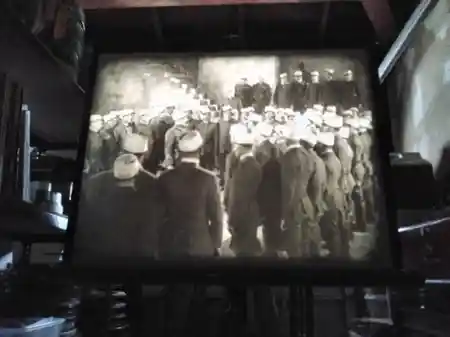
It’s mostly just dusty rooms, guys in heavy coats, and sand. I think they just picked the title to get guys into the theater back in 1930.
Fifi D'Orsay plays Lili La Fleur, and she’s basically the only reason to stay awake. She’s a singer in a Morocco café and has this energy that the rest of the movie is missing.
When she’s on screen, the movie feels alive. When she’s not, it’s just a lot of men standing around talking about duty and arrests.
There is this one scene where Charles is running guns and he gets caught by the Legion. It happens so fast you’d think he wanted to get caught.
The pacing is just... off. Like, they spent all the budget on the café set and then realized they had to film a war movie too.
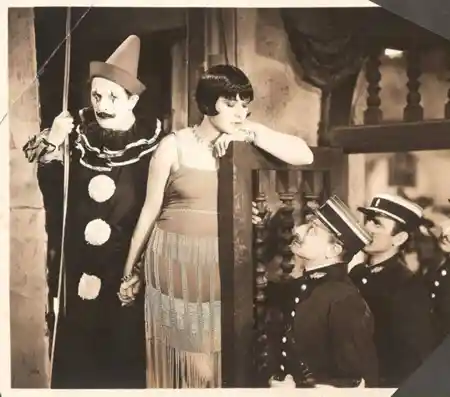
The Moroccan rebels look like they’re wearing leftover costumes from a different movie entirely. They don't look scary; they look like they’re waiting for the bus.
One reaction shot of a soldier lingers for about five seconds too long. He’s just staring into the distance, and you can almost hear the director off-camera forgetting to yell "cut."
It reminded me a bit of the atmosphere in The Blue Moon, but with more shouting. The sound quality is pretty rough, which is expected for 1930, but it adds this weird ghostly hiss to every scene.
Lili saves Charles from his arrest, and then suddenly he’s a hero. It doesn't really track, but the movie just barrels ahead anyway.
I noticed that the Legion uniforms look incredibly uncomfortable. They’re all sweating, and I don’t think it’s just the Moroccan heat; those coats look like they’re made of thick carpet.
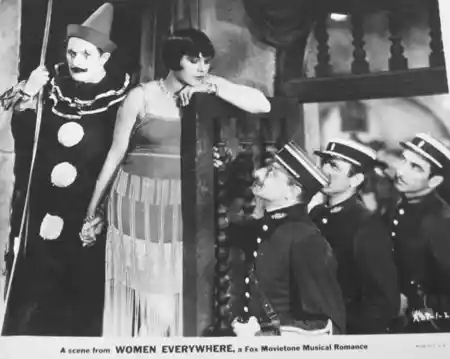
There’s a guy named Clyde Cook in this who provides "comedy relief." I put that in quotes because I didn't actually laugh once, but you can tell he’s trying really hard.
His face is very expressive, but his jokes feel like they were old even in 1930. It’s that very specific early cinema humor that involves a lot of falling over and looking surprised.
The musical numbers are staged in a way that feels very flat. The camera just sits there and watches them sing like it’s a security camera in a lobby.
Every now and then, the movie tries to be an action flick. There are some explosions that look like someone just threw a handful of flour and a firecracker into a pile of dirt.
I actually liked the scenes in the café more than the "heroic" stuff at the end. It felt more honest, even if the "Moroccan" vibe was clearly just a backlot in California.
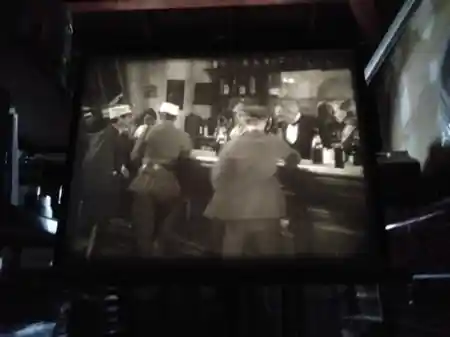
The script was written by a bunch of people, including Zoltan Korda. You can tell there were too many writers because the tone jumps from grim military drama to silly cabaret in about two seconds.
It’s not as cohesive as something like Black Is White. It feels more like a collection of ideas that didn't quite fit together.
One thing that stuck out was the way they used shadows. In some of the prison scenes, the shadows are huge and dramatic, almost like a horror movie.
Then they go back outside and everything is flat and bright again. It’s like two different people were filming it on different days.
J. Harold Murray has a good voice, I guess, but it’s hard to take a gun-runner seriously when he looks like he’s about to start tap-dancing.
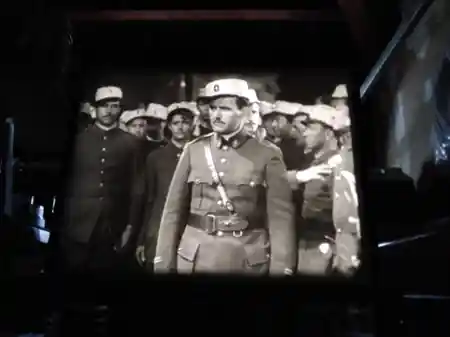
He has this very stiff way of walking. Like he’s worried he’s going to trip over the set decoration.
The ending feels incredibly rushed. He becomes a hero, everyone is happy, and the movie just stops.
I’m not saying it’s a bad way to spend an hour, but don't expect it to change your life. It’s a curiosity, a relic of a time when Hollywood was still figuring out how to make movies talk and sing at the same time.
If you enjoy seeing how sets were built back then, keep an eye on the background. You can see the edges of the "buildings" sometimes if you look close enough.
It’s charming in a clunky sort of way. Like a car that barely runs but has a really nice horn.
I kept thinking about The Hungry Heart while watching this, mostly because of how much better the pacing was in that one. Here, things just sort of happen because the script says so.
Anyway, watch it for Fifi D'Orsay. She’s the real star here, even if the posters say otherwise. 💃
Also, look out for the scene where the guy tries to salute and almost knocks his own hat off. It’s the little things that make these old movies worth it.
The whole gun-running aspect is basically forgotten by the halfway point. It’s just a way to get him to the desert so he can meet the girl.
It's a weird little movie. Not great, but definitely not boring if you like spotting mistakes. 🏜️
IMDb —
1924
Community
Log in to comment.