DbcultAccessing Vault...
Cult Review
Senior Film Conservator
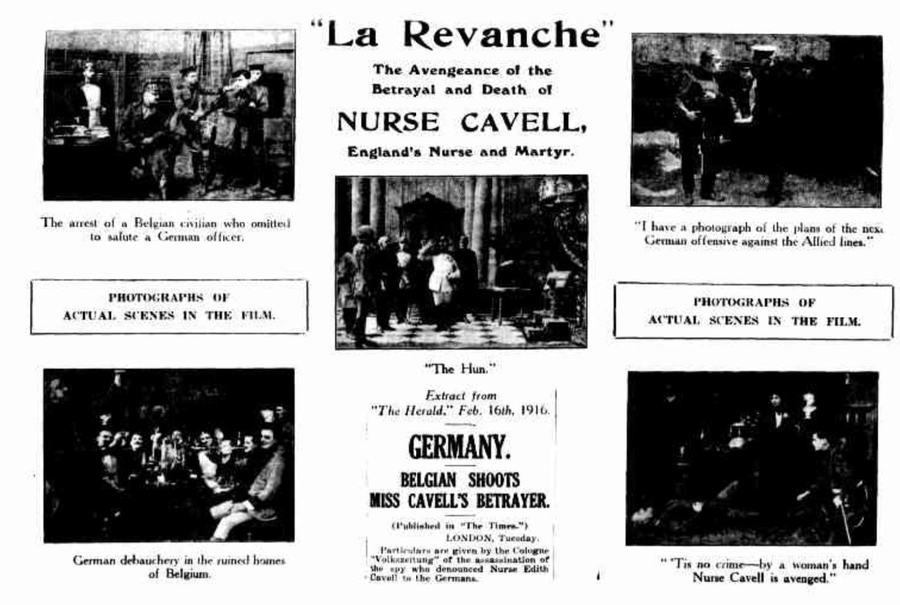
The intricate dance of retribution rarely unfolds with such chilling precision and psychological depth as it does in "La revanche." This isn't merely a tale of a wronged individual seeking justice; it's a meticulously crafted study in the corrosive nature of obsession, the fragility of identity, and the relentless pursuit of an equilibrium irrevocably shattered. From its opening frames, the film establishes a mood of brooding intensity, drawing the audience into a world where betrayal is not just an act, but a systemic dismantling of a life.
Agnes Keogh delivers a performance of breathtaking nuance as Elara Vance, the brilliant engineer whose revolutionary energy conduit system is cruelly usurped by her mentor, the charismatic yet utterly ruthless industrialist Victor Thorne. Keogh's portrayal of Elara's initial devastation is palpable, a raw wound that transforms into a steel-edged resolve. Her transition into 'Madame X' is nothing short of masterful. It's not a superficial disguise, but a complete metamorphosis, a shedding of the past self to become the architect of a new future – one steeped in vengeance. The subtle shifts in her posture, the glacial calm in her eyes, the almost imperceptible tremor of satisfaction when a phase of her plan clicks into place – these are the hallmarks of an actor fully inhabiting a complex, morally ambiguous character. Keogh doesn't just play a role; she embodies the very spirit of calculated fury.
Arthur Styan, as Victor Thorne, is equally compelling in his portrayal of a man whose outward success masks a deep-seated avarice and a profound lack of empathy. Styan imbues Thorne with a veneer of charm that makes his villainy all the more insidious. His smiles are practiced, his pronouncements of innovation hollow, and his eventual descent into paranoia is a fascinating spectacle. We witness the cracks appear in his meticulously constructed facade, each one driven by Madame X's unseen hand. Styan manages to make Thorne both despicable and, in his unraveling, almost pitiable, a testament to the actor's ability to plumb the depths of human fallibility. The cat-and-mouse game between Keogh and Styan forms the pulsating heart of the narrative, a psychological chess match where every move is pregnant with consequence.
Stewart Garner, as Inspector Dubois, provides the much-needed moral compass in this labyrinthine narrative. His quiet persistence, his unwavering belief in the truth despite the overwhelming evidence stacked against Elara in the past, grounds the film in a sense of justice, however delayed. Garner's performance is understated yet powerful, conveying Dubois's inner struggle as he pieces together the fragmented clues, sensing a deeper conspiracy at play. His character arc is less about personal gain and more about the restoration of fundamental fairness, making him a compelling anchor in a sea of moral ambiguity. The scene where Dubois slowly connects the dots, a flicker of recognition in his eyes as he revisits the old case files, is a masterclass in subtle dramatic tension.
The film's thematic explorations are as rich and multifaceted as its characterizations. "La revanche" delves deep into the nature of revenge itself. Is it a cathartic release, a necessary evil, or a corrosive force that ultimately consumes the avenger? The narrative doesn't offer easy answers. While Elara's actions are undeniably driven by a profound sense of injustice, the film subtly questions whether her meticulously planned retribution truly brings her peace, or if it merely leaves her hollowed by the very act of vengeance. This ethical tightrope walk is what elevates "La revanche" beyond a simple thriller, pushing it into the realm of profound human drama.
Stylistically, the direction is immaculate. The cinematography employs a muted palette, punctuated by stark contrasts between light and shadow, mirroring the moral ambiguity of the characters. Close-ups are used judiciously to highlight moments of intense psychological strain or revelation, particularly in Keogh's and Styan's performances. The pacing is deliberate, allowing the tension to build organically, each revelation carefully timed to maximize impact. There's a particular sequence, rendered in a chilling sea blue hue, depicting Madame X's meticulous planning – a montage of blueprints, financial ledgers, and coded messages – that speaks volumes about her dedication and intellectual prowess. It’s a testament to the film's visual storytelling that such moments resonate so deeply.
The script, with its intricate plotting and sharp dialogue, is a marvel of precision. Every line, every interaction, serves a purpose, advancing the plot or deepening our understanding of the characters' motivations. There are no wasted words, no superfluous scenes. The narrative unfolds like a complex clockwork mechanism, each gear perfectly meshed with the next. The film's ability to maintain suspense, even when the audience is largely aware of Madame X's ultimate goal, is a testament to the writers' skill in crafting compelling subplots and unexpected twists. The interplay between dialogue and unspoken communication, especially in the scenes between Madame X and Thorne, is particularly noteworthy. A glance, a pregnant pause, an almost imperceptible smirk – these non-verbal cues carry immense weight.
In its methodical unraveling of a villain's empire, "La revanche" bears a thematic kinship with films like The Ticket of Leave Man, where intricate schemes and hidden identities are pivotal to the plot's progression. Yet, where that film might focus more on the mechanics of disguise and detection, "La revanche" delves into the psychological toll of such a life. Similarly, the strategic manipulation and blackmail elements might evoke memories of V ognyakh shantazha, but "La revanche" elevates these tactics to an art form, driven by a deeply personal vendetta rather than mere criminal enterprise. The sheer intensity and single-mindedness of Elara's quest for justice also echo the thematic weight found in The Spirit of the Conqueror, but here, the conquest is not of territory, but of a soul, both the antagonist's and perhaps her own.
The film's exploration of identity, particularly Elara's transformation into Madame X, is another compelling thread. It raises questions about how much of ourselves we lose in the pursuit of a singular goal, and whether the person who emerges from the crucible of revenge is truly whole. This internal struggle is subtly conveyed by Keogh, whose moments of quiet contemplation hint at the profound personal cost of her mission. The film doesn't shy away from the idea that even 'justified' vengeance can leave indelible scars, a truth often overlooked in more simplistic narratives of good versus evil.
The score is another unsung hero of "La revanche." It's a haunting, evocative soundscape that perfectly complements the film's somber tone. The music swells during moments of high tension, recedes into an almost imperceptible hum during scenes of quiet contemplation, and occasionally introduces dissonant notes that underscore the moral unease permeating the narrative. It never overwhelms the visuals or the dialogue but rather enhances the emotional resonance of each scene, guiding the audience's feelings without dictating them. The use of a particular melancholy piano motif for Elara's internal monologues is particularly effective, offering a glimpse into the enduring sadness beneath her steely exterior.
The film's climax is not a simplistic explosion of violence, but a carefully orchestrated public unveiling, a moment of profound psychological warfare where Thorne's carefully constructed world implodes under the weight of his own transgressions. It's a testament to the script's intelligence that this confrontation is driven by revelation and consequence rather than brute force. The ensuing fallout, expertly portrayed by Styan, is a devastating portrait of a man stripped bare of his power and prestige, left with nothing but the ruins of his own making. This sophisticated approach to the climax distinguishes "La revanche" from many of its contemporaries, prioritizing intellectual and emotional impact over mere spectacle.
Ultimately, "La revanche" is a triumph of sophisticated storytelling and exceptional performances. It challenges its audience to grapple with uncomfortable truths about human nature, the allure of power, and the complex, often devastating, consequences of our actions. It is a film that lingers long after the credits roll, its themes echoing in the mind, prompting reflection on the nature of justice, the illusion of control, and the enduring human capacity for both profound betrayal and relentless perseverance. It's a dark, compelling masterpiece that solidifies its place as a benchmark in psychological thrillers, demanding repeated viewings to fully appreciate its intricate layers. The film's final shot, a lingering close-up on Agnes Keogh's face, a complex tapestry of triumph and sorrow, serves as a powerful, unforgettable exclamation point to a truly remarkable cinematic journey.
IMDb 5.7
1935
Community
Log in to comment.