DbcultAccessing Vault...
6.2/10
Senior Film Conservator
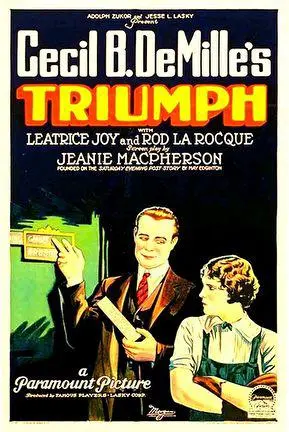
A definitive 6.2/10 rating for a film that redefined the boundaries of cult cinema. Triumph remains a cornerstone of transgressive art.
In the pantheon of silent cinema, few directors navigated the precarious bridge between high-concept spectacle and intimate character drama with the dexterity of Cecil B. DeMille. His 1924 opus, Triumph, stands as a fascinating artifact of an era grappling with the rapid mechanization of the American soul. It is a film that eschews the biblical grandiosity often associated with DeMille, opting instead for a gritty, soot-stained exploration of the industrial complex. Here, the clinking of tin cans serves as the percussion for a narrative that is as much about the evolution of the self as it is about the acquisition of wealth. The film presents a fascinating dichotomy, pitting the inherited privilege of the elite against the calloused-handed reality of the laboring class, a theme that resonates with the same moral weight found in The Sin of Martha Queed.
The narrative engine is fueled by the classic DeMillean trope of moral reformation. Rod La Rocque portrays King, a character whose name is an unsubtle nod to his unearned status. King is the quintessential wastrel, a man whose primary occupation is the dissipation of his father's fortune. Opposing him is William, played with a simmering, repressed intensity by Victor Varconi. William is the product of a different union, a man who has earned his place through the sweat of his brow and the sharpness of his managerial acumen. When the father passes, his will acts as a divine intervention from beyond the grave, demanding that King prove his worth in the very factory he has spent his life ignoring. This setup provides a fertile ground for a psychological study of entitlement, reminiscent of the societal tensions explored in Egyenlöség.
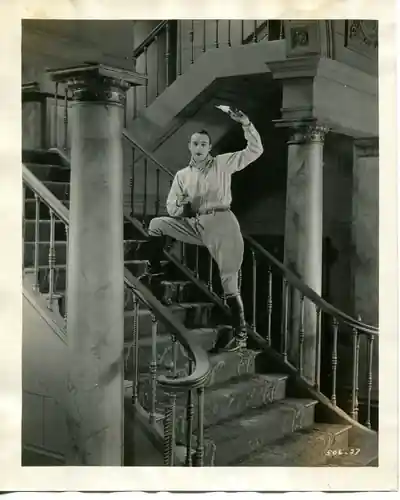
What makes Triumph particularly compelling is its refusal to paint these brothers in broad strokes of good and evil. While King is initially insufferable, La Rocque imbues him with a latent vulnerability that surfaces once he is stripped of his silken robes. Conversely, Varconi’s William is not a simple hero; his ambition is tinged with a bitterness that threatens to consume his integrity. The factory becomes a crucible, a place where the artifice of social standing is melted down to reveal the raw iron of the human spirit.
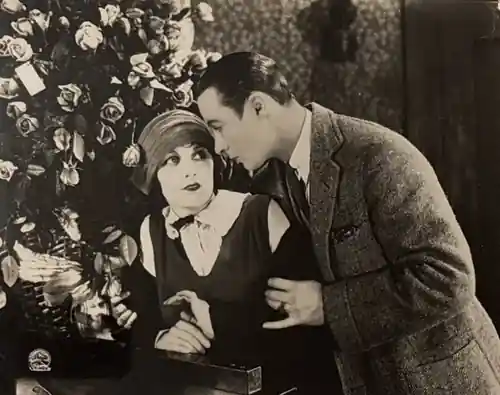
At the heart of this fraternal friction is Ann, played with luminous strength by Leatrice Joy. In many ways, Ann is the true protagonist of the film. As the factory forewoman, she represents a shift in the cinematic depiction of women—she is neither a damsel in distress nor a femme fatale, but a professional navigating a male-dominated hierarchy. Joy’s performance is a masterclass in silent-era nuance; her eyes convey a weary wisdom that suggests she has seen the worst of both worlds. She is the prize sought by both brothers, yet she remains fiercely independent, her loyalty tied more to the factory floor than to the bank accounts of her suitors. Her character arc mirrors the complexity of roles seen in Lulù, though Ann possesses a grounding that the former lacks.
"The factory is not merely a setting in Triumph; it is a living, breathing entity that demands sacrifice and offers redemption in equal measure."
The chemistry between Joy and La Rocque is palpable, particularly in the scenes where King is forced to work under her supervision. There is a delicious subversion of power dynamics here. The man who once owned her time now must obey her commands. DeMille utilizes this reversal to explore the eroticism of labor, a theme that was quite provocative for 1924. The way the light catches the metallic dust in the factory air creates a shimmering, almost ethereal atmosphere that contrasts sharply with the harsh reality of the work being performed.
Jeanie Macpherson’s screenplay is structured with a rhythmic precision that mirrors the assembly lines of the tin factory. One of the film's most visually arresting sequences is the "Rose of the World" fantasy, a hallmark of DeMille’s penchant for incorporating allegorical spectacles within his contemporary dramas. This sequence serves as a psychological mirror, reflecting the characters' internal desires and the corrupting nature of beauty and wealth. It provides a brief, hallucinatory escape from the grime of the factory, much like the stylistic departures found in Paradise Lost.
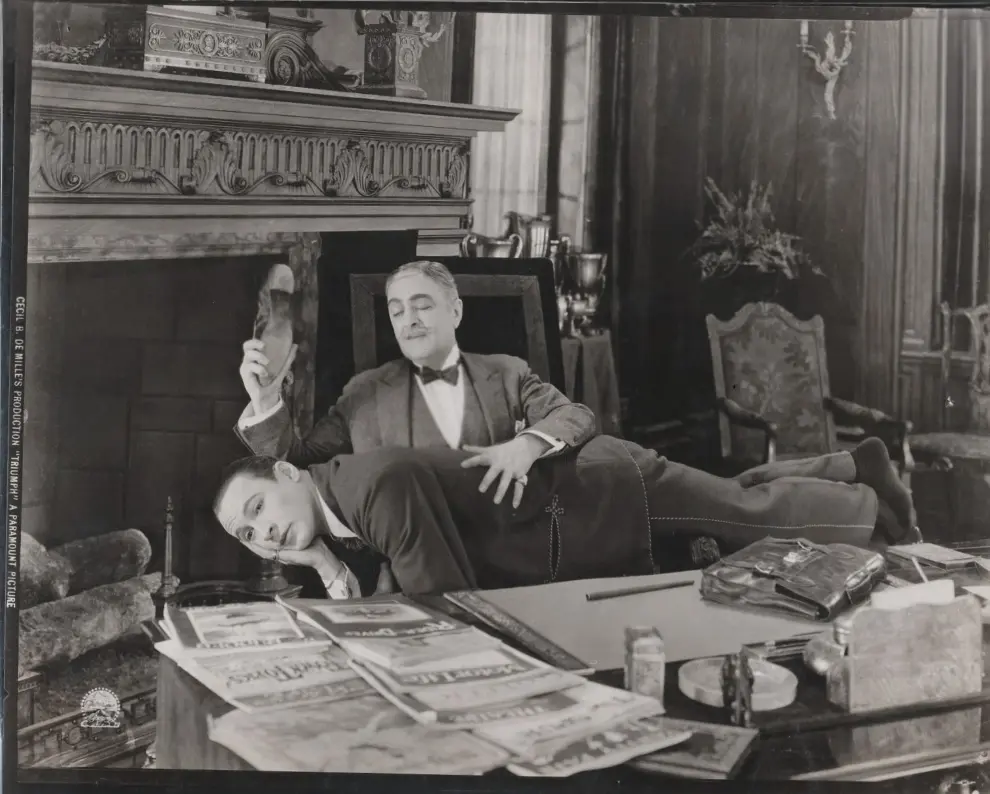
The cinematography by J. Peverell Marley is nothing short of revolutionary for the mid-20s. The use of deep shadows and high-contrast lighting underscores the moral ambiguity of the plot. The factory scenes are shot with a documentary-like grit, capturing the rhythmic movement of the machines and the synchronized toil of the workers. This realism is juxtaposed with the opulent, soft-focus world of the wealthy, creating a visual language that speaks volumes about the class divide without the need for intertitles. This visual sophistication is comparable to the atmospheric depth found in The Man Who Played God.
The ensemble cast adds layers of texture to the central conflict. Zasu Pitts delivers a poignant performance as a downtrodden factory worker, her expressive face serving as a silent testament to the hardships of the working class. Julia Faye and Alma Bennett represent the vapid allure of the upper crust, their characters serving as reminders of the life King is forced to leave behind. Even the smaller roles, such as those played by Theodore Kosloff and Raymond Hatton, contribute to the sense of a fully realized world. The film populates its environment with a diversity of human experience that feels far more modern than many of its contemporaries, such as Lena Rivers.
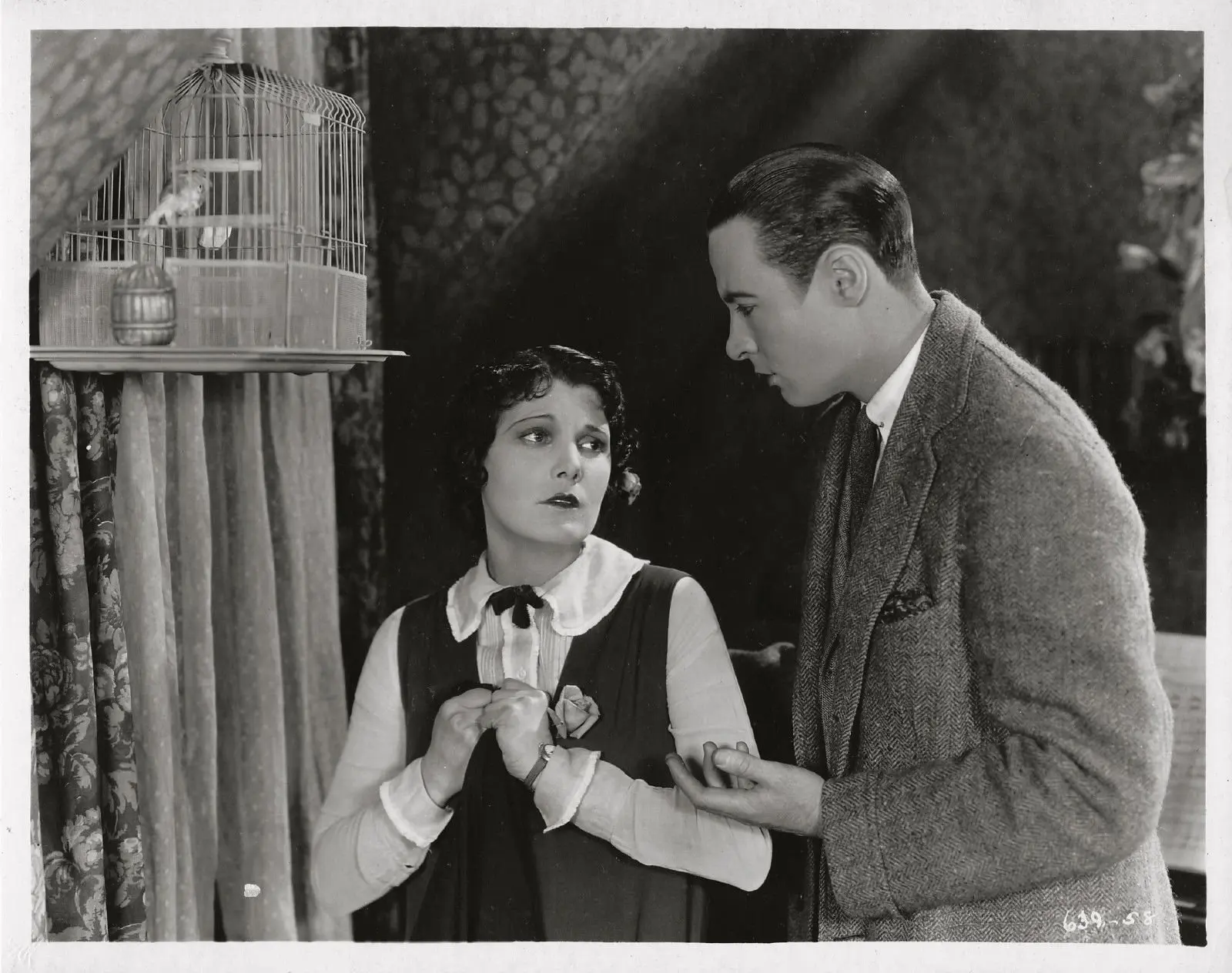
The pacing of the film is deliberate, allowing the audience to feel the weight of the characters' decisions. DeMille understands that true transformation is not instantaneous; it is a slow, painful process of shedding one’s former self. King’s transition from a man who sees people as commodities to a man who understands the value of a day's work is handled with a surprising amount of subtlety. The film avoids the easy sentimentality that plagued many silent melodramas, opting instead for a more cynical, yet ultimately hopeful, view of human nature.
Looking back at Triumph from a century’s distance, its relevance has not waned. The questions it asks about inheritance and merit remain at the center of our socio-political discourse. Is a person defined by their lineage or their labor? Can the structures of capitalism ever truly allow for a meritocratic outcome, or is the game rigged from the start? These are heavy questions for a 1924 silent film, yet DeMille tackles them with a boldness that is refreshing. While films like Sands of the Desert offered pure escapism, Triumph demanded that its audience look at the world around them.
The technical aspects of the film, from the set design of the sprawling tin factory to the intricate costume work, reflect a high level of craftsmanship. The factory itself is a marvel of production design, appearing both functional and oppressive. It is a labyrinth of belt-driven machinery and steam, a precursor to the industrial nightmares seen in Fritz Lang’s later works. The film captures the terrifying beauty of the machine age, a theme also touched upon in La montagne infidèle.
In the grand tapestry of 1924 cinema, Triumph is a standout for its narrative ambition and visual execution. It lacks the slapstick levity of Back from the Front or the lightheartedness of Toonerville's Fire Brigade, choosing instead to dwell in the complex shadows of the human heart. It is a film that rewards careful viewing, revealing new layers of meaning in its silent exchanges and carefully composed frames. The ending, while satisfying the requirements of the era’s morality, leaves enough ambiguity to haunt the viewer. It suggests that while King may have achieved a personal triumph, the system that created him remains unchanged.
For those interested in the evolution of Cecil B. DeMille as a filmmaker, Triumph is essential viewing. It showcases a director in full command of his craft, using the medium of silent film to tell a story that is both timely and timeless. It is a poignant reminder that even in the silent era, cinema was capable of addressing the most pressing issues of the day with sophistication and grace. Whether compared to the romantic yearning of The Bashful Lover or the dark morality of The Devil's Garden, Triumph holds its own as a pillar of silent dramatic storytelling. It is a film that, like the tin it depicts, is durable, resilient, and possesses a unique, metallic luster all its own.
Ultimately, the film succeeds because it treats its characters as human beings rather than mere symbols of their class. We care about King’s redemption because we see the pain it costs him. We care about Ann’s choice because we understand the weight of her responsibility. In the end, Triumph is not just about a factory or a will; it is about the universal struggle to find meaning in a world that often values what we have over who we are. It is a cinematic achievement that deserves to be remembered and studied for another century to come.
IMDb 5.4
1934
Community
Log in to comment.