DbcultAccessing Vault...
6/10
Senior Film Conservator
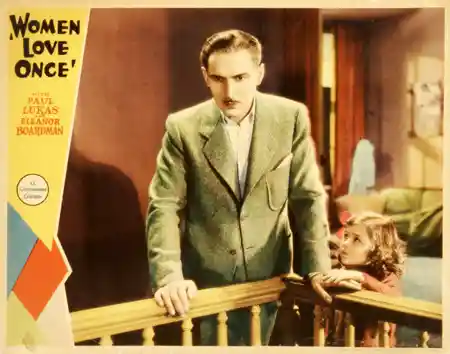
A definitive 6/10 rating for a film that redefined the boundaries of cult cinema. Women Love Once remains a cornerstone of transgressive art.
Honestly? Maybe if you’re a completionist for early talkie melodramas, but otherwise, probably not. If you like your movies to punish characters for having basic human desires while leaning heavily into 1930s soap opera logic, you might find something here. But for everyone else, it’s a bit of a slog.
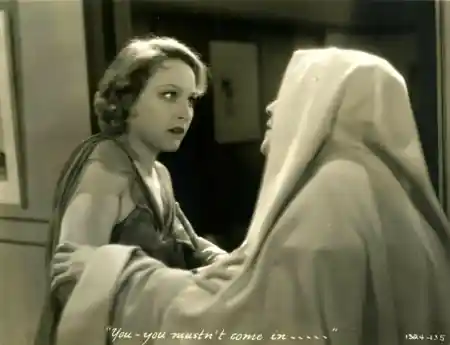
The whole thing kicks off with Paul Lukas—who is usually a reliable presence—deciding he needs to go to Europe to 'find himself' or whatever. It’s the classic excuse for men in these movies to act like absolute idiots while the women at home are left to pick up the pieces. He starts an affair with Juliette Compton, and the movie makes sure we know this is a *very serious artistic choice*.
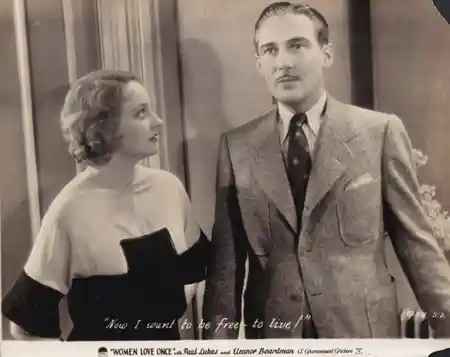
Spoiler alert: it isn't. It’s just messy.
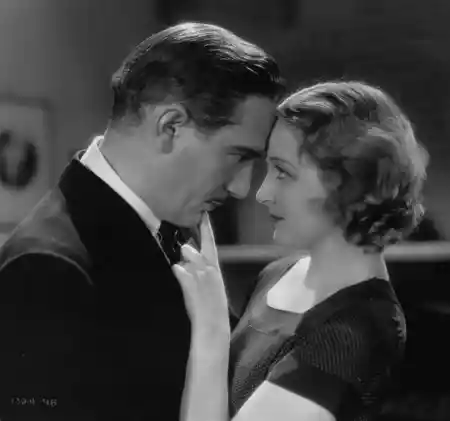
Ann Harding is stuck playing the wife who has to endure the fallout, and she does that thing where she looks perpetually worried in every single frame. When she finally runs away, it feels like the only logical choice, even if the script treats it like a total disaster. Then the daughter, played by Marilyn Knowlden, chases after her and gets hit by a car. It’s handled with all the grace of a sledgehammer.
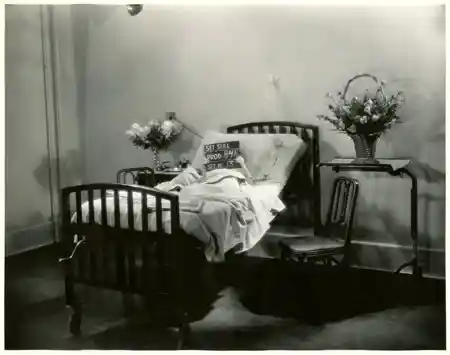
I couldn't help but compare the heavy-handed drama here to something like Guilty of Love, which at least has the decency to lean into its own absurdity. Here, the movie really wants you to take every single teary-eyed confession as gospel truth. It’s exhausting.
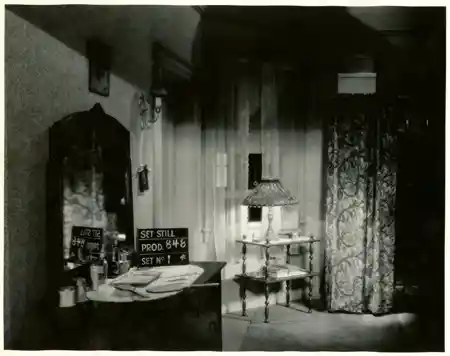
The camera work is pretty static. It feels like they just set up a tripod and told everyone to talk at it. Every now and then, the lighting gets moody, but it feels more like a technical glitch than an artistic choice. It’s not quite as visually interesting as the stuff you’d see in Rebuilding Broken Lives.
I kept waiting for the movie to stop taking itself so seriously, but it never does. It just keeps doubling down on the misery. Sometimes you just want a movie to let a character have a win, but nope, not here. Just pain and bad decisions until the credits roll. 🎞️
It’s not the worst movie from this era, but it’s definitely one that feels like it's trying way too hard to be profound. Sometimes a story about a crumbling marriage is just a story, not a grand statement on the human condition. They should have just let it be small.
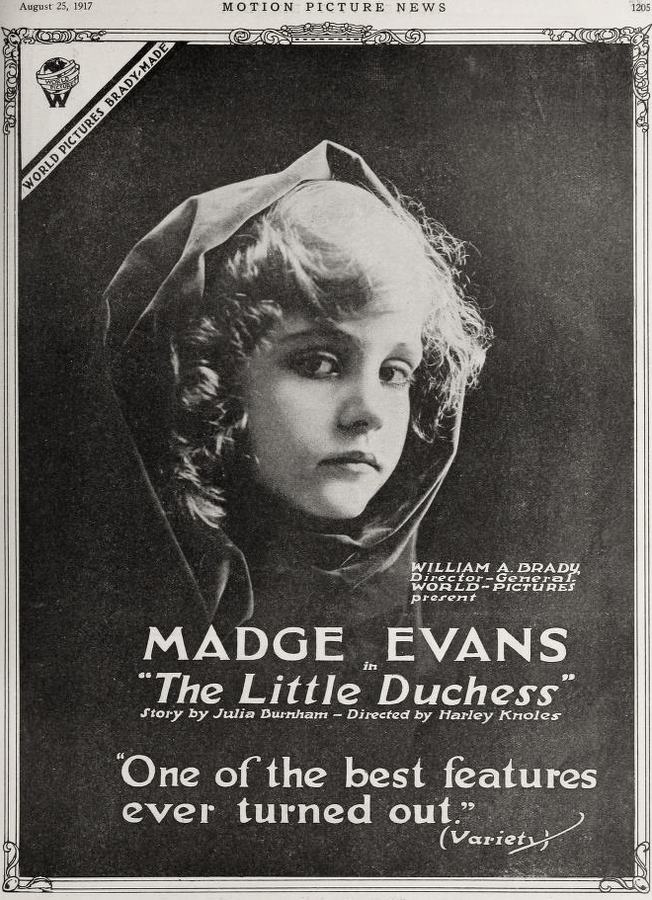
IMDb —
1917
Community
Log in to comment.