DbcultAccessing Vault...
6/10
Senior Film Conservator
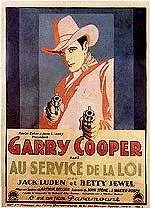
A definitive 6/10 rating for a film that redefined the boundaries of cult cinema. The Last Outlaw remains a cornerstone of transgressive art.
Is The Last Outlaw a forgotten gem or a dusty relic of a bygone era? Short answer: It is a fascinating archival curiosity for Gary Cooper fans, but a slow burn for everyone else.
This film is strictly for cinema historians and those who want to witness the exact moment the 'strong, silent' archetype was born. It is definitely not for those who require fast-paced action or the high-fidelity soundscapes of modern cinema.
1) This film works because it showcases the raw, unpolished charisma of a young Gary Cooper before the Hollywood machine refined him into a polished icon.
2) This film fails because the narrative structure is strictly formulaic, offering little that wasn't already standard by 1927, even within the silent Western genre.
3) You should watch it if you are a student of Western history or want to see the transition of 1920s cinematography into the more grounded styles of the 30s.
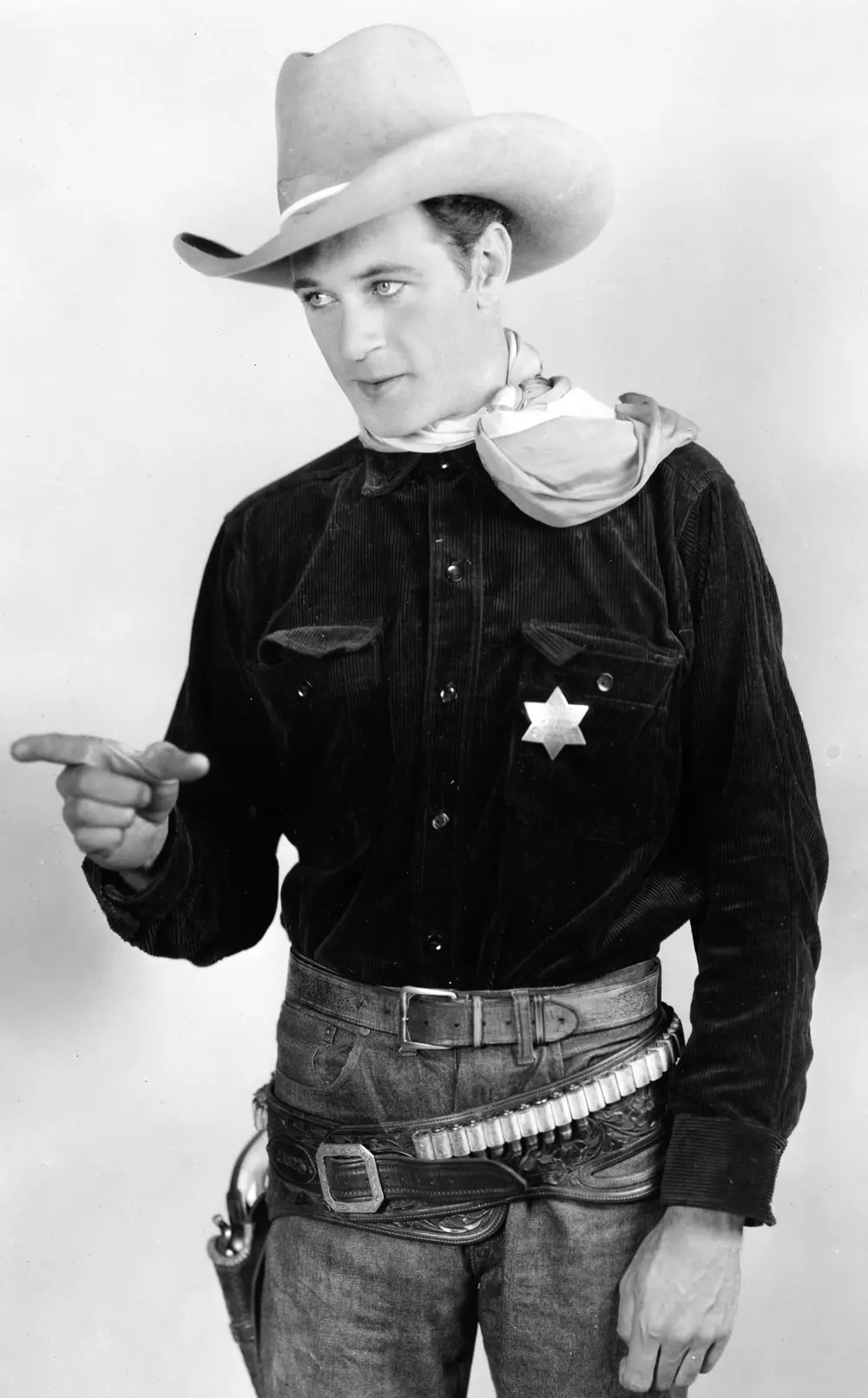
By 1927, the silent film industry was at its technical peak, yet Westerns were often seen as 'B-tier' filler. The Last Outlaw challenges that notion by stripping away the theatricality seen in films like The Enchanted City. Instead of grand sets, we get the brutal, sun-bleached reality of the American West. The cinematography, handled with a steady hand by the Rosson team, focuses on the vastness of the horizon. It makes the characters look small, vulnerable, and ultimately human.
The most striking element is Gary Cooper. He isn't the primary lead—that honor goes to Lane Chandler—but Cooper steals every frame. While Chandler performs with the exaggerated gestures typical of the era, Cooper is remarkably still. He understands the camera in a way his peers didn't. In one specific scene where he leans against a fence post, he conveys more through a slight squint than his co-stars do with their entire bodies. It is an early masterclass in screen presence.
The pacing, however, is a hurdle. Silent films often relied on long, sweeping landscape shots to build mood, but here, the middle act drags. Compared to the tight editing of a film like Skid Proof, this movie feels its age. There are moments where the intertitles do the heavy lifting that the visual storytelling should have handled. It is clunky. But it works as a time capsule.
Arthur Rosson was a director who understood the mechanics of the horse. In The Last Outlaw, the chase sequences are filmed with a kinetic energy that rivals the stunt work in Headin' Home. Rosson places the camera low to the ground, allowing the dust kicked up by the hooves to obscure the frame. This creates a sense of chaos and danger that higher-budget films of the era often avoided for the sake of clarity.
The writing, credited to J. Walter Ruben and Richard Allen Gates, is functional but lacks the psychological depth we see in later Westerns. The villains are black-hatted tropes without much motivation beyond greed. However, the chemistry between the 'buddies' on the ranch provides a warmth that keeps the viewer engaged. It lacks the haunting atmosphere of The Wolf Man, but it replaces that dread with a sense of camaraderie.
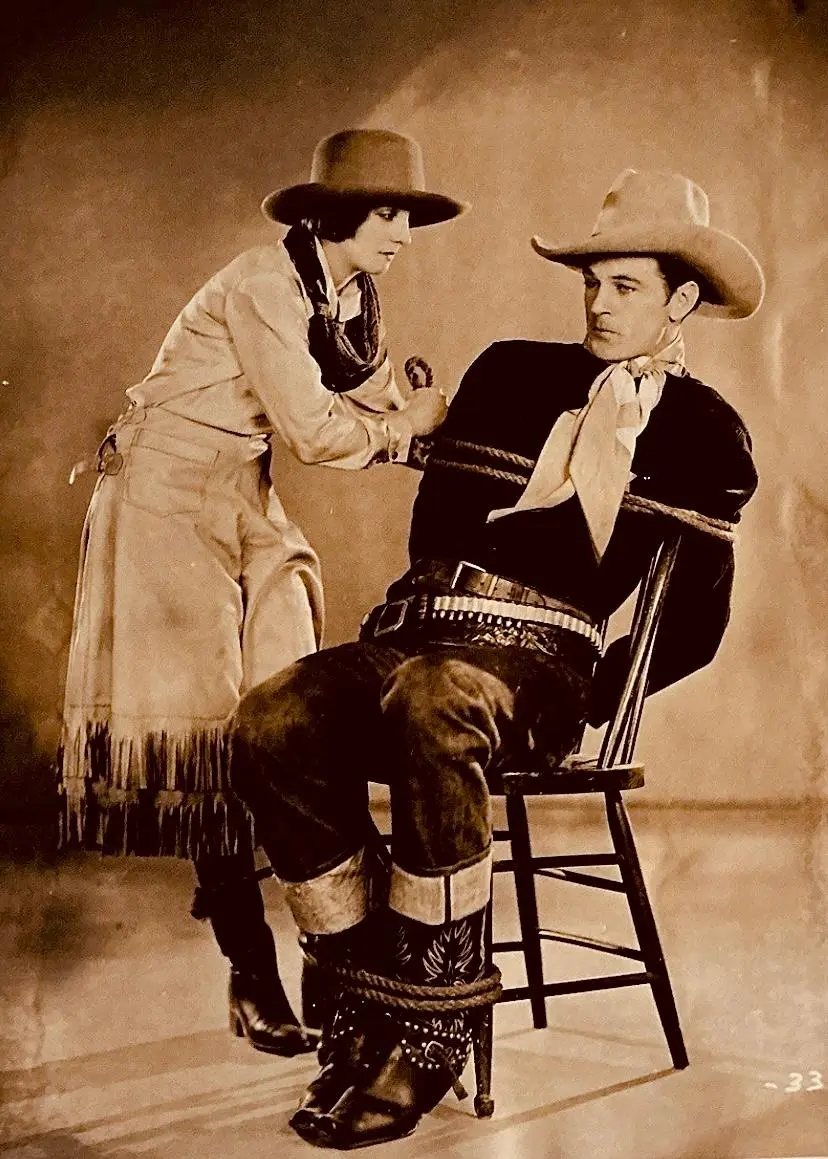
"The Last Outlaw doesn't try to reinvent the wheel; it just tries to make sure the wheel keeps turning through the mud and the grit of the frontier."
Yes, but only if you have the patience for silent storytelling. If you are looking for the roots of the American hero, this is where you find them. It is a bridge between the Victorian-style acting of the early 1910s and the naturalism of the 1930s.
If you enjoy the technical aspects of early film, you will appreciate the natural lighting. The film uses the sun as its primary key light, creating deep, harsh shadows that emphasize the ruggedness of the actors' faces. It is a stark contrast to the soft-focus glamour shots found in The Narrow Street.
Pros:
Cons:
When we look at other films from the same period, like The Dawn of Love or The Old Nest, we see a cinema trying to find its feet in terms of emotional resonance. The Last Outlaw succeeds by not trying too hard to be emotional. It is a physical movie. It is about the way a man sits on a horse and the way he draws a gun.
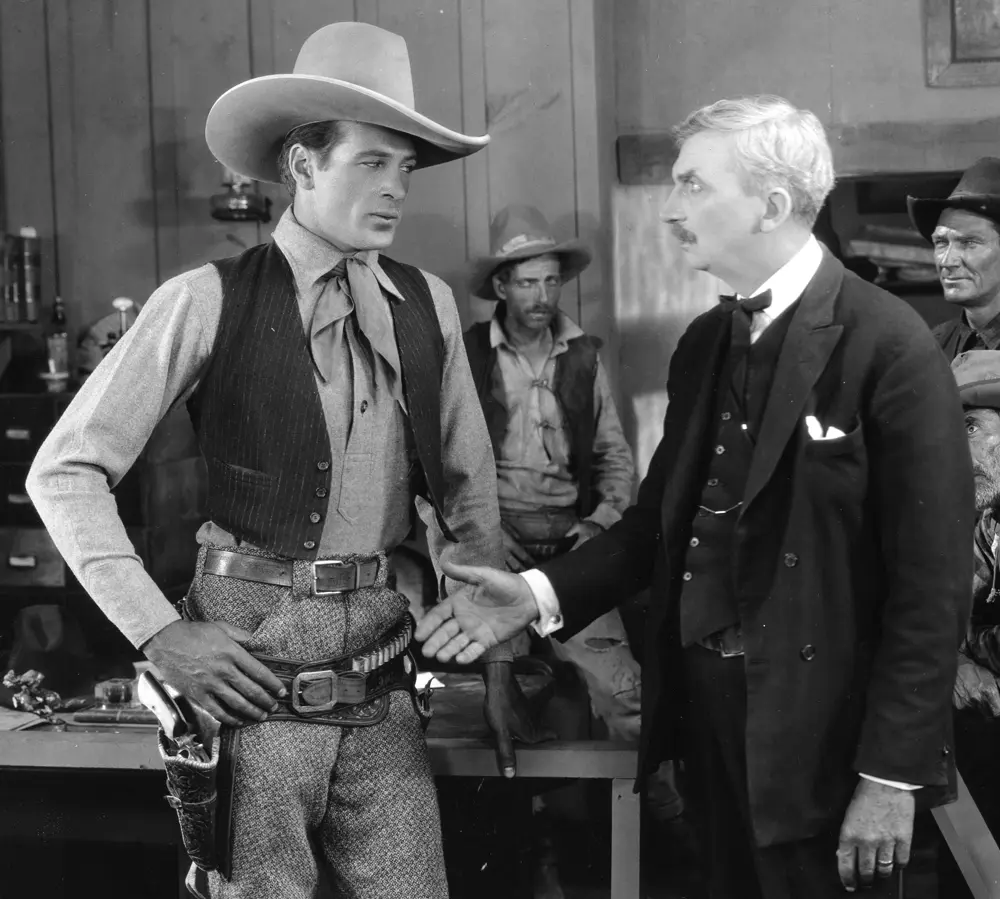
There is a brutal simplicity to it. In one scene, the confrontation in the saloon is handled with minimal intertitles. We know exactly what is at stake because of the blocking. The tension is palpable. It doesn't need the frantic energy of Beaches and Peaches; it relies on the stillness of the desert.
The film also highlights the divide between the 'old' world and the 'new.' By 1927, the real West was long gone, and films like this were already mythologizing a period that was only a few decades old. This creates a strange, nostalgic layer to the viewing experience. We are watching people in 1927 pretend to be people from 1880, and we are watching them from the perspective of the 21st century. It is a double layer of history.
The use of shadows in the night scenes is particularly noteworthy. While many silent films used 'day-for-night' tinting (blue filters), The Last Outlaw manages to maintain a sense of texture in its darker moments. It lacks the experimental flair of European films like Mots croisés, but it excels in its utilitarian approach. The camera is a witness, not a participant.
The pacing is the film's Achilles' heel. While the action beats are excellent, the connective tissue—the scenes where characters explain their motivations or travel from point A to point B—feels elongated. It lacks the rhythmic sophistication of Die Minderjährige. However, for a genre piece intended for mass consumption in 1927, it exceeds expectations in terms of visual clarity.
The Last Outlaw is a sturdy, if unremarkable, example of the silent Western. Its primary value today lies in its cast and its raw depiction of the frontier. It isn't a masterpiece of narrative innovation, but it is a vital piece of the puzzle in understanding how the American Western evolved. It is a film of quiet moments interrupted by bursts of dust and gunfire. It works. But it’s flawed. If you can handle the silence, the reward is seeing a legend in the making.
IMDb 4.8
1934
Community
Log in to comment.