DbcultAccessing Vault...
6.5/10
Senior Film Conservator
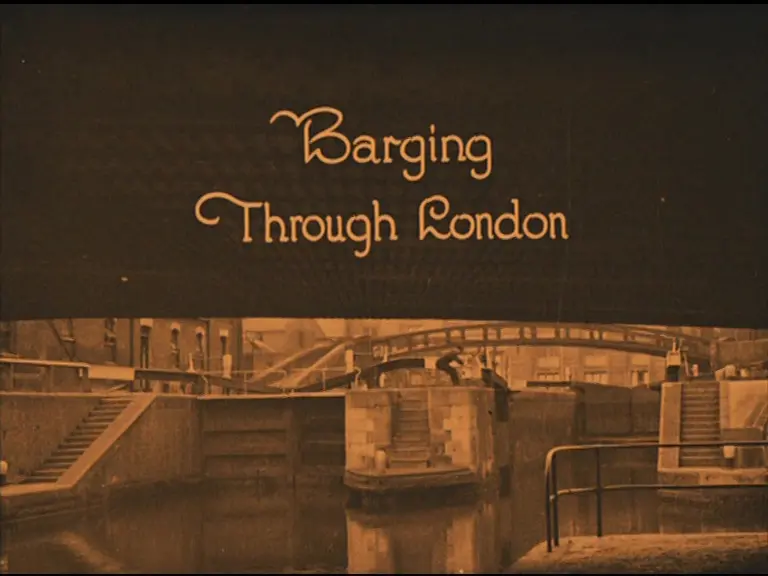
A definitive 6.5/10 rating for a film that redefined the boundaries of cult cinema. Wonderful London: Barging Through London remains a cornerstone of transgressive art.
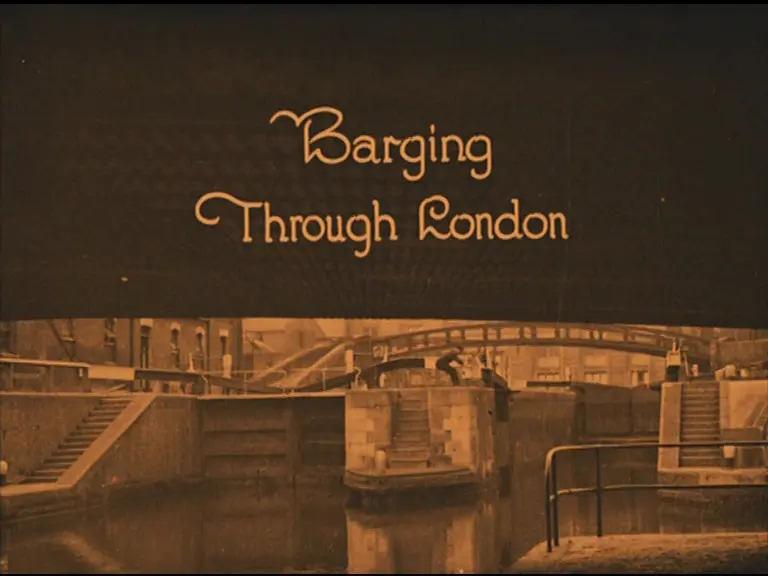
Stepping into the world of 'Wonderful London: Barging Through London', one is immediately enveloped in the charm of a bygone era, yet the film’s approach is refreshingly modern. Directed and co-starring Frank Miller, the film invites viewers on a serene and picturesque journey through the Regent's Canal, a waterway that has been a silent witness to the city’s evolution over centuries.
The cinematography is nothing short of magical, with each frame exuding a sense of tranquility and wonder. The canal, adorned with lush vegetation and vibrant life, becomes a mirror reflecting the myriad emotions and stories of London. Frank Miller, along with co-star Harry B. Parkinson, guides us through this ethereal journey, their presence lending a human touch to the otherwise ethereal setting. Their dialogue, while sparse, is rich in meaning, weaving together the fabric of urban life with the natural beauty that surrounds them.
The film’s narrative is as much about the canal as it is about the city. It captures the essence of London, its past, and its present, offering viewers a poignant reflection on the relationship between urban development and the preservation of nature. The canal, with its winding paths and serene waters, serves as a metaphor for the city’s resilience and adaptability. This is not just a film about a waterway; it’s a meditation on the city itself, a celebration of its enduring charm.
One of the most striking aspects of 'Wonderful London: Barging Through London' is its ability to blend documentary elements with artistic expression. The film’s creators, Frank Miller and Harry B. Parkinson, have crafted a piece that is both educational and visually stunning. The canal, with its vibrant flora and fauna, becomes a canvas for storytelling, each scene painting a picture of London’s diverse communities and their interactions with this hidden gem.
The film’s pacing is deliberate, allowing the audience to immerse themselves in the environment. The use of music is subtle yet effective, enhancing the overall mood without overpowering the visuals. The score, composed to complement the natural ambiance, adds a layer of emotional depth to the journey. It’s a testament to the filmmakers’ skill that the film maintains a sense of balance, neither overwhelming the viewer with too much information nor leaving them feeling disconnected from the narrative.
The Regent's Canal, a linear park running through the heart of London, is more than just a physical space; it’s a symbol of the city’s rich history and cultural heritage. 'Wonderful London: Barging Through London' takes us on a walk through this hidden corridor, revealing the stories of those who live and work along its banks. The canal is a microcosm of London, reflecting the city’s diverse population and the complex interplay between nature and urban development.
While 'Wonderful London: Barging Through London' may not be a conventional narrative film, it excels in capturing the essence of the human experience. The story of the canal is, in essence, the story of London. It’s a testament to the resilience of the human spirit and the enduring beauty of nature in the midst of urban sprawl. The film serves as a reminder of the importance of preserving our natural spaces, even as cities continue to grow and evolve.
Comparatively, 'Wonderful London: Barging Through London' stands out in the realm of urban exploration films. It draws inspiration from works like 'Pitfalls of a Big City' (1923), which also delved into the hidden corners of urban life. However, what sets this film apart is its poetic approach and the way it intertwines the canal with the broader narrative of the city. It’s a film that offers a fresh perspective on urban exploration, one that is both visually stunning and emotionally resonant.
In conclusion, 'Wonderful London: Barging Through London' is a film that transcends its documentary roots, becoming a work of art in its own right. It’s a celebration of London’s hidden beauty, a tribute to the power of nature, and a poignant reflection on the human condition. It invites viewers to pause, to take a moment to appreciate the world around us, and to find a sense of solace in the simple yet profound moments of everyday life.
Community
Log in to comment.