DbcultAccessing Vault...
5.8/10
Senior Film Conservator
A definitive 5.8/10 rating for a film that redefined the boundaries of cult cinema. Worldly Goods remains a cornerstone of transgressive art.
“Worldly Goods,” from 1930, is probably a tough sell for most folks today. If you're into early cinema, especially silent-era melodramas where morals are big and bold, you might find something interesting here.
But honestly, if you're looking for fast plots or characters with layers, you'll likely bounce off this one pretty hard. It’s definitely a film for historical curiosity, or maybe a cozy Sunday afternoon when you’ve watched everything else. 🕰️
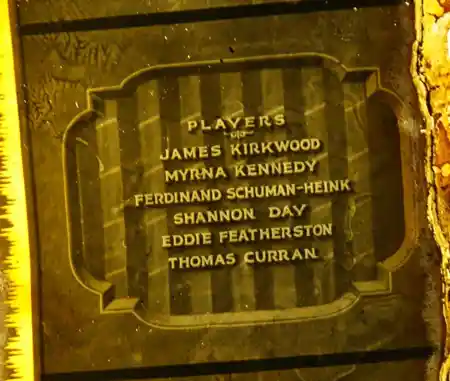
Ferdinand Schumann-Heink plays our driven businessman, the kind who just lives and breathes making money. You can almost see the gears turning in his head when he's closing a deal, all intense stares and purposeful strides.
But then you see him in those quieter moments, maybe looking out a huge window. It’s like he’s realizing how empty his fancy office actually feels, despite all the supposed success.
That one shot of him alone at his huge, polished desk, just staring blankly, really stuck with me. It’s a classic visual cue, but still effective in its simple sadness. 😔
Merna Kennedy is there too, I think as the object of his unbought affections. She brings a certain softness, a real contrast to his hard edges.
You can feel the movie trying to convince you this connection matters, that she represents everything he’s missing.
There's this scene where he tries to shower her with big, expensive gifts. Her reaction isn't what he expects at all, and his face... it's a slow burn of confusion, then almost, a real sadness.
It’s pretty classic silent movie acting, maybe a bit much for modern eyes, but it gets the point across. You know exactly what he’s feeling, or not feeling.
The pacing, well, it's 1930. Things move. Then they stop. Then they move again. A few scenes felt like they just held on a touch too long, waiting for the audience to really get the emotion.
It reminded me a little of the simpler, almost parable-like stories you find in films like Lovebound, where the message is always right there, front and center.
The sets are pretty minimal, as you'd expect from the era. His office looks suitably imposing, all dark wood and big windows, but the "home" scenes feel a bit staged, like they’re just waiting for the drama to unfold.
There’s a small, almost throwaway moment where he walks past a street musician. He barely glances, but for a split second, you see a flicker, like he's remembering something he's lost in his pursuit of riches. It's a tiny detail, easy to miss.
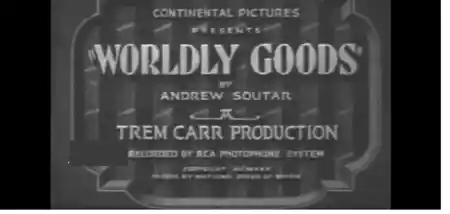
The writing, credited to Andrew Soutar and Scott Littleton, with John Grey, keeps things pretty clear. No big twists, just a straightforward journey from “money is everything” to “oh, maybe it isn’t.”
One reaction shot of him, after a rejection, lingers so long it almost becomes funny. You just want to nudge him and say, “Come on, man, move on!” But that's part of the charm, I guess. It’s a very earnest movie.
You can almost feel the movie trying to teach you a lesson. It doesn't hide its intentions for a second, which some might find heavy-handed.
Overall, it’s a peek into early cinema's heart. Not a masterpiece, but a solid example of a type of storytelling that largely faded away. It offers a clear window into the moral tales popular at the time.
It's definitely not for everyone, but if you're curious about film history or just enjoy a good old-fashioned melodrama, give it a shot. Just adjust your expectations for the era. ✨
IMDb —
1915
Community
Log in to comment.