DbcultAccessing Vault...
Cult Review
Senior Film Conservator
Stepping into the hallowed, often shadowy, halls of early cinema, one occasionally unearths a gem that resonates with a timeless, albeit melodramatic, power. Such is the case with The House of Tears, a film that, despite its vintage, weaves a narrative tapestry so fraught with human failing, ambition, and the relentless hand of fate, it compels attention. This isn't merely a silent film; it's a grand, operatic tragedy, played out on a canvas of stark contrasts—from the quiet desperation of domestic collapse to the dizzying heights and precipitous falls of Wall Street, and the unforgiving expanse of the American West. It’s a compelling testament to the era’s storytelling prowess, where exaggerated gestures and poignant intertitles conveyed the very depths of the human soul, often without uttering a single audible word.
The narrative commences with an almost idyllic, though fragile, domestic scene: Robert and Alice Collingwood, with their infant daughter, Gail. However, this fragile peace is swiftly shattered by a revelation of infidelity, Alice’s compromising entanglement with Henry Thorne. The ensuing divorce proceedings, a public spectacle of private anguish, award custody of Gail to a devastated Robert, leaving Alice ostracized and free to pursue her scandalous liaison. This initial rupture sets in motion a chain of events, each link forged in the fires of betrayal and despair, that will reverberate through generations. Alice and Thorne, now married, seek a fresh start in the burgeoning West, a land of promise that quickly sours into a crucible of Thorne’s incessant failures as a prospector. His inability to strike it rich becomes a corrosive agent, eroding Alice’s initial hope and replacing it with a quiet, gnawing unhappiness. The film starkly illustrates how personal choices, made in moments of passion or desperation, can irrevocably alter the course of multiple lives, a theme echoed in films like Ungdomssynd, which similarly explores the societal repercussions of illicit affairs.
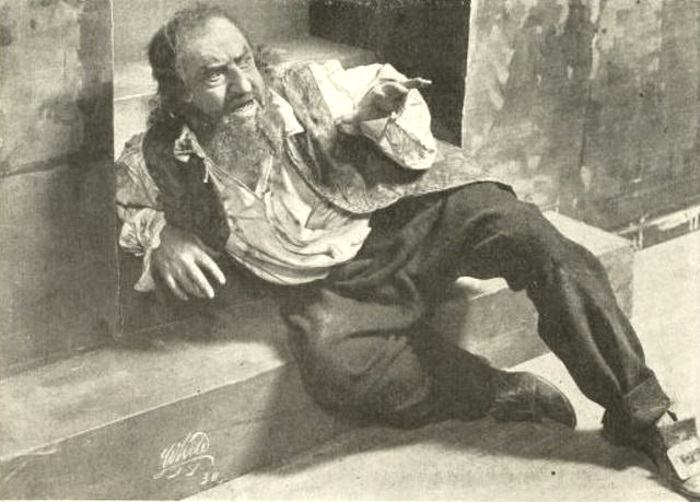
Meanwhile, back in the East, Robert Collingwood, a man already fractured by marital strife, succumbs to the pressures of Wall Street. His fortune, like his sanity, unravels amidst ruthless financial manipulations. The once-dignified patriarch descends into a terrifying madness, a raving maniac who, in a chilling climax, attempts to murder his own daughter. His tragic demise, a fall during a frantic chase, is a stark act of poetic justice, yet one that leaves Gail orphaned. Miraculously, a pre-established annuity, a small bastion of foresight amidst the financial wreckage, secures Gail’s future, ensuring her education and eventual emergence as the resourceful Alice Gail, a reporter for the Evening News. This remarkable resilience in the face of overwhelming adversity is a recurring motif in cinematic narratives, often seen in films focusing on the triumph of the human spirit against immense odds, such as The Waif.
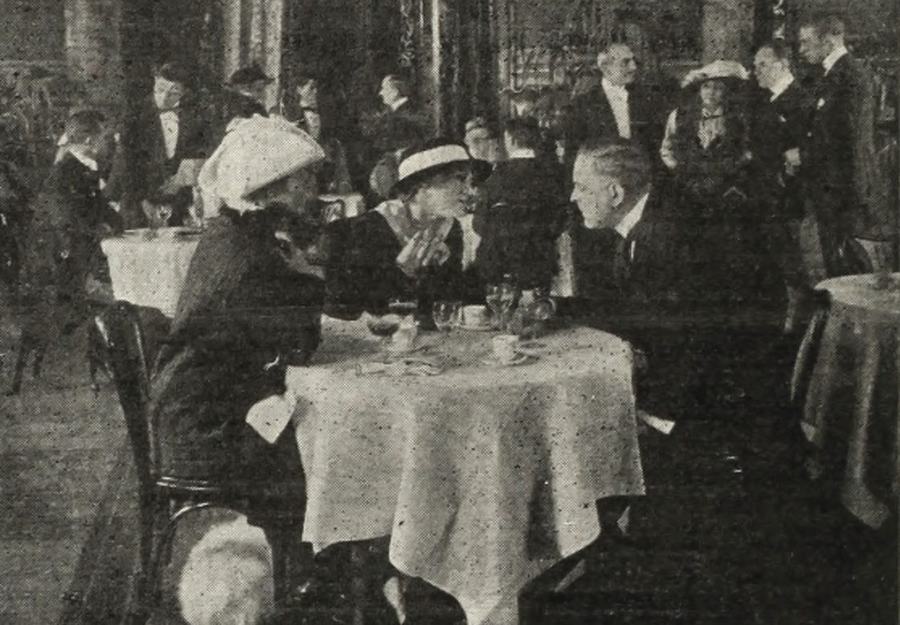
Fifteen years later, destiny’s wheel turns again. Henry Thorne, still languishing in the West, experiences an astonishing reversal of fortune, winning a substantial sum at faro. This sudden influx of wealth, however, does not bring contentment. Instead, it fuels his latent ambition and a profound weariness of Alice, the woman he won through deceit. He resolves to return to Wall Street, a new man, leaving Alice behind. Her desperate plea for financial security escalates into a violent confrontation, leaving her gravely wounded, Thorne convinced of her death. This moment marks Thorne's definitive break from his past, a ruthless shedding of old ties in pursuit of new power. His subsequent metamorphosis into the elegant and influential “Edward North” on Wall Street is breathtakingly swift, a testament to his cunning and the era's fascination with self-made men, even those with questionable pasts. The film masterfully builds tension through these parallel narratives, drawing them ever closer to an inevitable, explosive collision, much like the intricate plotting of a film like Conscience, where past deeds invariably catch up to their perpetrators.
The cruelest twist arrives when Gail, now a burgeoning journalist, is assigned to interview the enigmatic Edward North. Unaware of their shared, tragic history, they are drawn to each other, their acquaintance blossoming into a fervent love, culminating in their betrothal. Just as their future seems assured, the specter of the past materializes. Alice, having miraculously recovered, journeys eastward, a ghost from Thorne’s forgotten life. In a devastating stroke of dramatic irony, Gail, driving a vehicle loaned by her fiancé, accidentally strikes her own mother, now a destitute, wandering figure. This accidental collision is not merely a plot device; it is a profound symbolic moment, forcing the past and present into a violent, inescapable embrace. The recognition between mother and daughter, a moment of profound heartbreak and revelation, sets the stage for the final act of vengeance and redemption. Their shared resolve to expose “North” leads to a meticulously orchestrated confrontation, where Thorne is brought face-to-face with the woman he believed dead. The ensuing terror, his mind unable to reconcile the apparition with reality, propels him into a frenzied flight, culminating in a suicidal plunge from a bridge. His death, a final, desperate act of a man undone by his own transgressions, leaves mother and daughter to navigate a newly reunited, albeit scarred, existence, seeking solace in a future free from the shadow of his deceit. The cyclical nature of suffering and its eventual, often violent, resolution is a theme explored with similar intensity in Carmen, albeit through different narrative lenses.
The characters in The House of Tears are not mere archetypes; they are complex beings, each driven by a cocktail of desire, despair, and an unyielding will to survive. Robert Collingwood, though a secondary figure, casts a long, tragic shadow. His initial portrayal as the wronged husband quickly gives way to a man consumed by grief, whose mental collapse and violent end serve as a stark warning against unchecked despair. His trajectory highlights the devastating psychological toll of betrayal, transforming a respectable man into a figure of terrifying madness. His fate underscores the fragility of the human psyche when confronted with profound personal loss and public humiliation.
Alice Collingwood, the catalyst for much of the film’s drama, is perhaps its most compelling and morally ambiguous figure. Initially portrayed as the 'other woman,' her journey is far more nuanced than simple villainy. Her early choices, driven perhaps by passion or a yearning for something more, lead to her social exile. Yet, her endurance in the harsh West, her struggle against Thorne’s failures, and her miraculous recovery from a near-fatal wound transform her into a symbol of resilience. Her eventual reunion with Gail and their shared quest for justice elevates her from a fallen woman to a survivor seeking belated retribution. Her arc is a powerful exploration of societal judgment, personal survival, and the enduring strength of a mother’s bond.
Henry Thorne, later Edward North, embodies the quintessential opportunistic villain of melodrama. His ambition is boundless, his morality elastic. He takes Alice from Robert, abandons her for Wall Street, and ruthlessly climbs the financial ladder. His transformation into the sophisticated “Edward North” is a masterful portrayal of a man who believes he can outrun his past, only to be consumed by it. His fear when confronted by Alice, whom he believed dead, is palpable, demonstrating that even the most hardened individual can be undone by the specter of their own misdeeds. His final, frenzied drive and death are a fitting, if dramatic, comeuppance, a testament to the inescapable nature of one's actions. This character’s journey from humble beginnings to a powerful, yet ultimately doomed, figure resonates with themes found in films exploring social mobility and its moral costs, such as The Remittance Man.
Gail Collingwood, or Alice Gail, represents innocence corrupted by circumstance but ultimately strengthened by it. Orphaned and unknowingly intertwined with the very man who destroyed her family, her professional success as a reporter speaks to her innate resilience and intelligence. Her burgeoning romance with “Edward North” is tinged with tragic irony, making her accidental collision with her mother all the more poignant. Gail’s journey is one of discovery—of her true parentage, of the dark secrets of her past, and of her own capacity for justice. Her character provides the moral compass and the eventual instrument of poetic justice, bringing the convoluted narrative to its dramatic conclusion.
At its core, The House of Tears is a profound meditation on the inescapable nature of consequence. Every act of betrayal, every ambition pursued without ethical grounding, generates ripples that eventually return as devastating waves. The film masterfully employs the motif of poetic justice, ensuring that characters like Thorne, who build their empires on deceit, are ultimately undone by the very past they sought to bury. This relentless pursuit of justice, often through the agency of the wronged, provides a deeply satisfying, if tragic, resolution for audiences of the era.
The narrative also delves into the destructive power of ambition and social mobility. Thorne’s journey from a struggling prospector to a Wall Street titan, under a new identity, highlights the allure and dangers of reinventing oneself. Yet, the film argues that true identity, inextricably linked to one's past actions, cannot be shed so easily. This theme finds parallels in other films of the period that examine the moral compromises made in the pursuit of wealth and status. Furthermore, the enduring strength of family bonds, particularly between mother and daughter, emerges as a powerful counterpoint to the pervasive betrayal. Despite years of separation and the tragic circumstances of their reunion, the instinctual connection between Alice and Gail ultimately triumphs, offering a glimmer of hope amidst the wreckage.
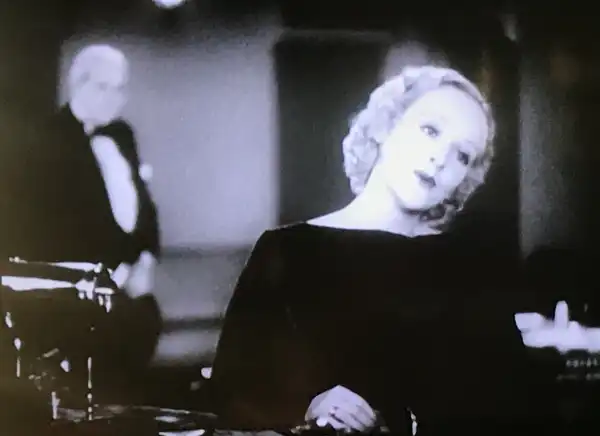
As a product of its time, The House of Tears showcases the unique artistry of silent film. The performances, characterized by heightened gestures and emotive facial expressions, are crucial to conveying the story’s intense emotional landscape. Actors like Madge Tyrone and Bernard Randall would have relied on a nuanced understanding of their characters’ inner turmoil, translating it into a visual language that transcended the absence of spoken dialogue. The cinematography, while perhaps rudimentary by today’s standards, effectively uses light and shadow to create mood, emphasizing the dramatic shifts from domestic bliss to urban despair and the rugged isolation of the West. Intertitles, far from being mere dialogue substitutes, serve as a narrative voice, guiding the audience through the complex plot and underscoring key emotional beats, much like a Greek chorus commenting on the unfolding tragedy. The direction, by June Mathis and Frank Mitchell Dazey, demonstrates a keen understanding of pacing, building suspense and pathos with deliberate, often breathtaking, precision. The film’s ability to elicit such profound emotional responses without sound is a testament to its masterful visual storytelling and the raw power of its performers.
The thematic richness of The House of Tears allows for fascinating comparisons with other cinematic works, both contemporary and historical. The film's exploration of moral compromise and eventual comeuppance finds a strong resonance in Conscience, where characters grapple with the weight of their decisions. The destructive nature of obsession and illicit love, which drives much of Thorne’s and Alice’s initial actions, can be seen in the passionate, often fatalistic, narratives of films like Carmen, where desire often leads to tragic ends. The journey of a character attempting to shed a past identity for a new, more prosperous one, as Thorne does, is a trope explored in various forms, from the social climbing of The Remittance Man to the more dramatic self-reinvention seen in The Masqueraders. Moreover, the accidental reunion of mother and daughter, a moment steeped in profound recognition and tragic irony, echoes the heart-wrenching rediscoveries often central to melodramas like The Waif, where long-lost family ties eventually bind. These comparisons not only highlight the film's place within a broader cinematic tradition but also underscore the enduring human themes it so powerfully addresses.
The House of Tears, for all its melodramatic flourishes, stands as a potent and emotionally charged piece of early cinema. It’s a compelling exploration of human frailty, the relentless grip of fate, and the eventual triumph of justice, however grim. The film's intricate plot, memorable characters, and powerful visual storytelling ensure its place as a significant example of the silent era's dramatic capabilities. It reminds us that even without spoken dialogue, the human story, in all its complexity and heartbreak, can be told with astonishing depth and resonance. It's a journey through the darkest corners of the human heart, ultimately reaffirming the enduring, if sometimes painful, quest for truth and reconciliation.
IMDb 5.1
1934
Community
Log in to comment.