DbcultAccessing Vault...
5.4/10
Senior Film Conservator
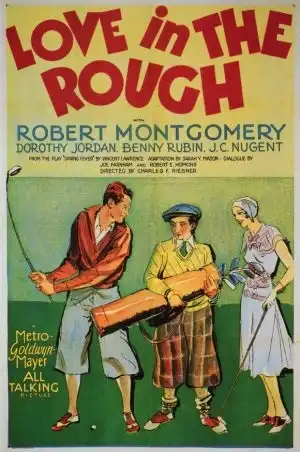
A definitive 5.4/10 rating for a film that redefined the boundaries of cult cinema. Love in the Rough remains a cornerstone of transgressive art.
Okay, so Love in the Rough from 1930. If you’re into really old Hollywood, the kind with that early talkie feel, this one might be a fun little escape.
It’s got a sweet, uncomplicated vibe that’s a nice change from today’s loud movies. But if you need fast pacing and modern sensibilities, you’ll probably find yourself checking your watch.
It's definitely for the classic film buffs, or maybe folks who just love a good golf story, even a goofy one. Anyone expecting a sleek, fast-moving rom-com will likely be a bit bored.
The setup is pretty simple, as most films were back then. Robert Montgomery plays Jack Kelly, a shipping clerk who’s unexpectedly good at golf.
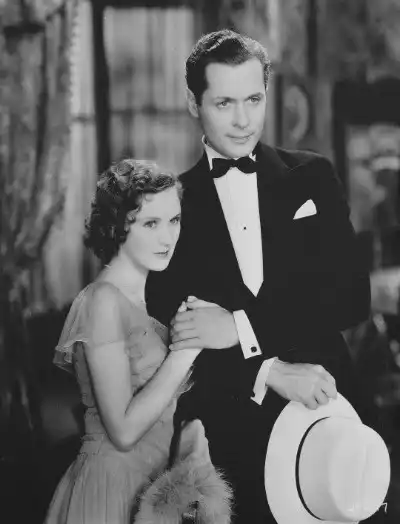
His boss, a snob, wants him to improve his game to help seal a deal. But there’s a catch: Jack has to pretend he's rich at the country club.
You know, the usual poor boy trying to fit into high society.
Montgomery, even this early in his career, has this undeniable charm. He carries the film, even when the plot feels a bit thin.
He just looks like he belongs on a golf course, even if his character is supposed to be out of place.
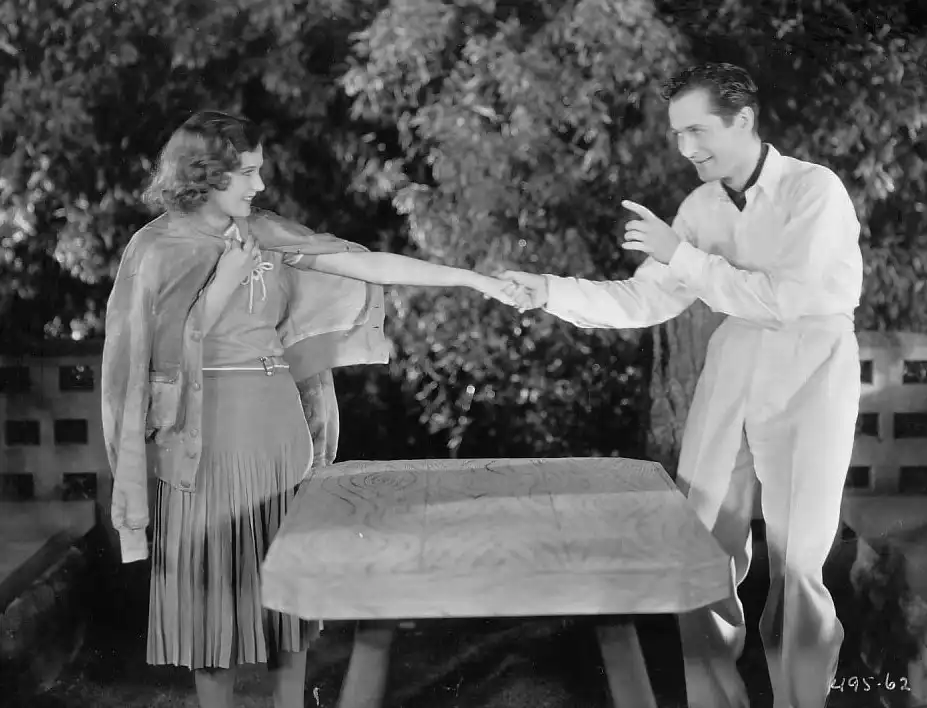
There's a scene where he's trying to impress Dorothy Jordan's character, Marilyn, by talking about "vintage" clubs, and you can just see the gears turning in his head. It’s a nice touch, how he tries to fake it.
Speaking of Marilyn, Dorothy Jordan is just delightful. She’s got this really bright, engaging presence.
Her reactions to Jack’s sometimes clumsy attempts to be posh are great. Not over-the-top, just enough to make you smile.
The golf itself… well, it’s 1930s golf. You see a lot of swings, and then they cut to the ball landing.
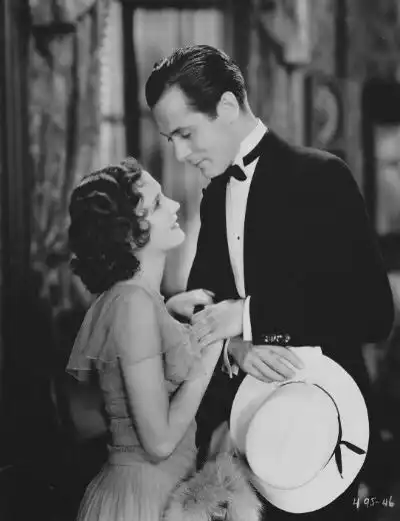
Sometimes it’s a bit rough around the edges, but you get the idea.
There’s one sequence where Jack is practicing, and the camera lingers on his swing for just a beat too long. It’s almost like they were really proud of capturing it. 🏌️
And then there's Roscoe Ates. Oh man, Roscoe Ates.
He plays Johnson, one of the club members, and his famous stutter is on full display. Every time he opens his mouth, you know exactly what’s coming, and it’s still funny.
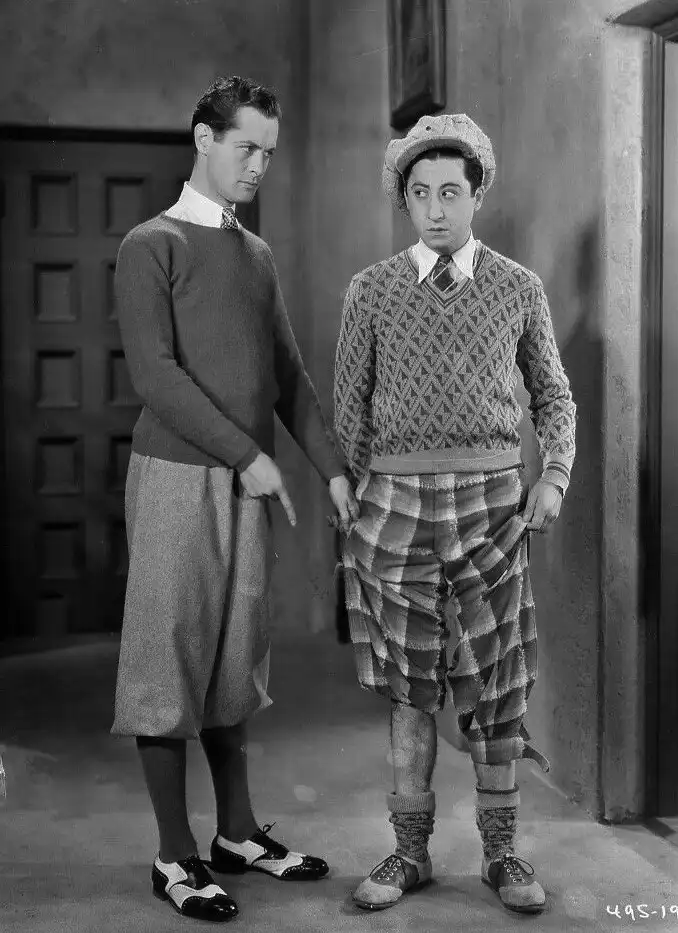
He’s not a huge part, but he steals every single scene he’s in. You find yourself waiting for him to talk.
It's a very specific kind of humor, but it works.
The whole "pretending to be rich" thing never gets too complicated. It’s more about the awkward situations it creates.
Like, Jack trying to navigate the fancy club dances without stepping on too many toes.
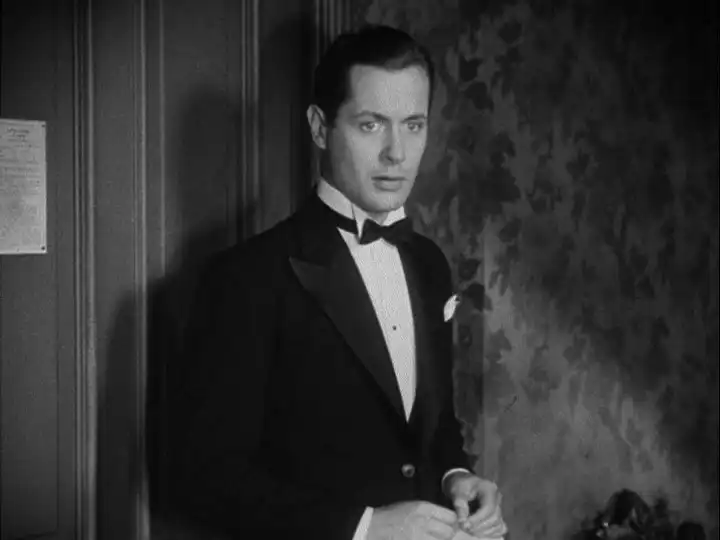
There's a moment where he's served some kind of elaborate dessert, and he just looks at it with this confused expression. It’s a very small thing, but it tells you everything about his character’s fish-out-of-water situation.
Sometimes the sound feels a bit off, like they recorded it in a big empty room. But that's just part of the charm of these old movies, isn’t it?
You learn to listen past the hiss. It gives it a certain... authenticity.
It’s not a film that will change your life, not by a long shot. But it’s a pleasant way to spend an hour and a bit.
A real slice of early talkie sweetness. It mostly stays on the lighter side, a simple romance with a few chuckles.
The plot wraps up neatly, no big surprises.
This isn't a deep dive into class struggle or anything. It's just a guy, a girl, some golf, and a misunderstanding.
A simple, enjoyable peek into a different era of filmmaking. No great shakes, but not a bad way to spend an afternoon either.
IMDb 5.8
1932
Community
Log in to comment.