DbcultAccessing Vault...
Cult Review
Senior Film Conservator
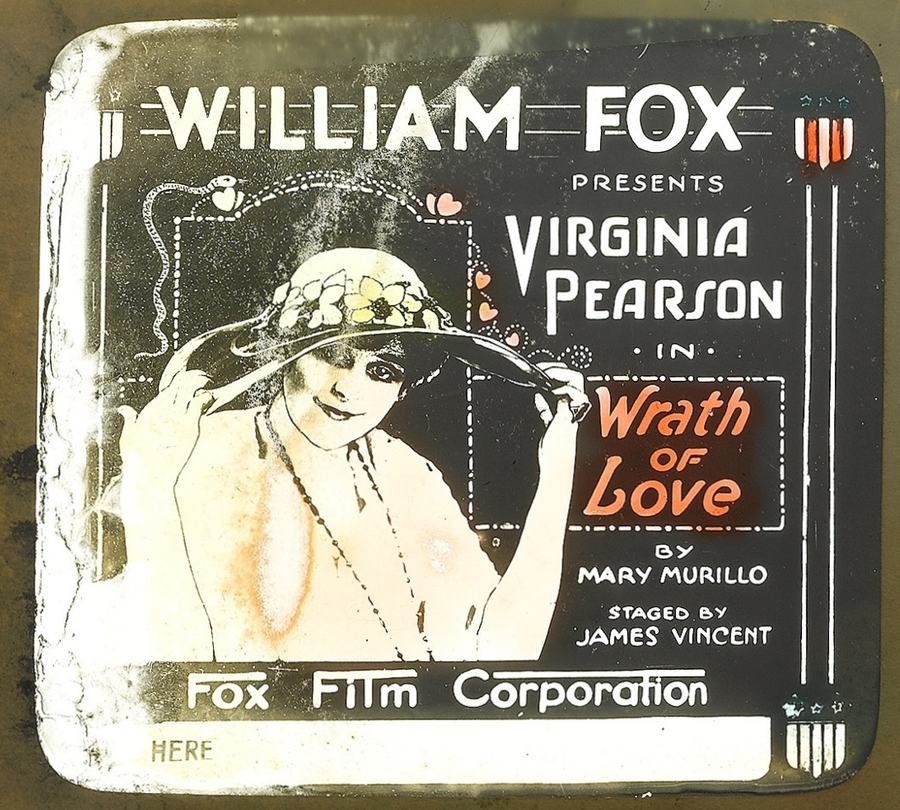
Mary Murillo’s pen, dripping with arsenic-laced perfume, scrawls a love quadrangle that predates Hitchcock’s voyeuristic obsessions by a full decade. Wrath of Love is less a narrative than a taffy-pull on the ligaments of trust: each tug lengthens the elastic until it sings, then snaps back to lash the viewer’s own conscience. The film’s DNA splices the domestic noir of All for a Husband with the saber-rattling intrigue of Diplomacy, yet it carves its own silhouette against the nickelodeon dusk.
We open on Roma’s study: books stacked like battlements, a mirror reflecting both the author and the intertitle that announces her as “High-Priestess of Human Frailty.” Virginia Pearson, regal even in grayscale, lets her eyelids perform micro-ballets—half-second hesitations that scream louder than any dialogue card. Compare Pearson’s tremor to the stone-faced heroines of The Million Dollar Mystery; here, the mystery is internal, a slow bloom of gall.
Bob Lawson, played by J. Frank Glendon with the stalwart blandness of a government-issued portrait, becomes the unwilling hypotenuse in a triangle that keeps flipping. Enter Louise Bates as Ethel—her flapper silhouette still embryonic, yet already smoldering like a cigarette left on a satin glove. Every time she descends the Lawson staircase, the camera tilts upward, turning her into a Grecian column that Roma longs to topple. The film’s genius lies in refusing to grant us the carnal evidence we crave; instead, we surveil the same paranoid projections that gnaw Roma’s nights.
When Dave Blake—Irving Cummings channeling a young Powell—slips into trench-coat chic, the picture pivots from drawing-room whispers to train-yard sirens. Yet the spies are faceless, a chorus of fedoras; their nationality irrelevant, their purpose purely catalytic. In one bravura sequence, Bob crumples the forged note, stuffs it into a teacup, then thinks better and burns it over a candle. The flame flares amber against his iris, a miniature battlefield where duty and desire trade volleys. The moment lasts maybe four seconds, but it foreshadows the moral combustion to come.
Cinematographer John W. Brown (uncredited, because 1916) shoots jealousy like a dermatological condition: close-ups of Pearson’s neck where a vein drums allegro; shadows that crawl across her clavicle like spreading bruise. Intertitles shrink, words clipped into staccato shards—“He touched her hand.” The letters jitter, mimicking tachycardia. Compare this to the static tableaux of Salambo; Wrath is a fever chart in motion.
At reel five, the film detonates into pure kineticism. Bob enters a warehouse criss-crossed with moonlit slats; the spies emerge from behind grain sacks like Renaissance demons through canvas. Fight choreography borrows from Japanese bunraku: every punch telegraphed yet dreamlike. A stuntman—likely Cummings himself—vaults a railing, coat flaring like bat wings, lands on a crate that collapses into chalk dust. The dust hangs, caught in projector beam, turning the combatants into bas-reliefs. Contemporary viewers weaned on Homunculus sequels might smirk at the restraint—no blood, no bullet squibs—but the sequence’s poetry lies in negative space: the pause before the swing, the silence after the body hits timber.
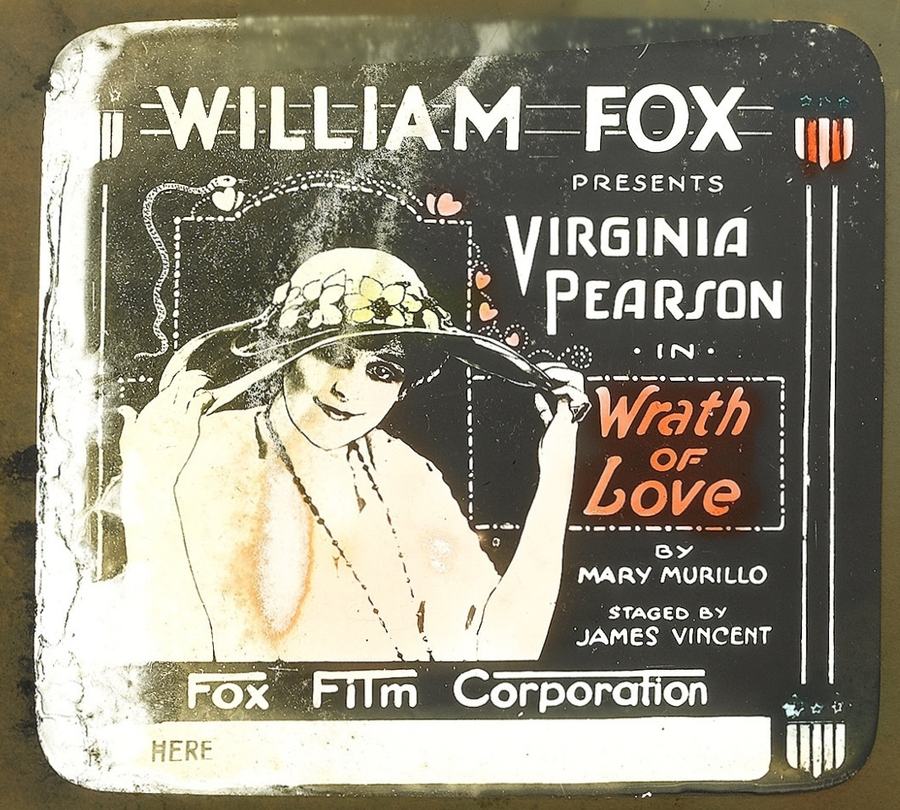
Murillo, a woman writing for a predominantly female audience, weaponizes the very tropes later used to gaslight them. Roma’s suspicions are simultaneously validated and undercut; her eventual apology feels less like patriarchal absolution than the exhausted capitulation of a mind that has written its own cage. Note the symmetry: a female novelist trapped inside a narrative authored by a real-world female scenarist. The meta-filmic echo resounds louder than any propaganda about “sweet reconciliation.”
In 1916, neighborhood pianists improvised leitmotifs: a rumbling bass arpeggio for Roma’s jealousy, a tinny patriotic march for Dave’s espionage. Modern revival houses often commission new scores—Max Richter-esque strings that swell beneath the candle-burning shot. I sampled both: the vintage honky-tonk version plays the melodrama straight, while the neoclassical remix turns the film into a Malickian meditation on possession. Either works, because Pearson’s eyeballs supply their own libretto.
stack Wrath beside Tempest and Sunshine and you’ll spot the tonal chasm: the latter peddles reconciliation like Christmas ribbon, whereas Murillo leaves scars visible under ultraviolet memory. Against The Strangler’s Cord, this film’s body count is zero, yet emotional fatalities litter the final frame.
The Library of Congress holds a 35 mm nitrate print, lavender-faded, actuate with emulsion cracks resembling lightning over Pearson’s cheek. A 4K scan would cost north of $90K—chump change for Marvel, lifeblood for a crowdfunded cinephile coterie. Until then, YouTube rips circulate, watermarked by Russian cine-clubs, their intertitles Cyrillic-screamed. Seek the LoC 2K reference file; the grayscale spectrum between blouse and shadow reveals textures the bootlegs flatten into asphalt.
Pearson’s micro-smile at the reconciliation—lip corners lift, eyes stay haunted—out-Stanislavskis any Method contortion circa 1950. Glendon, often derided as “wooden,” actually embodies the stolid reliability that makes deviation unimaginable; his very dullness primes us to doubt him. Cummings, future director of Curly Top, flashes matinee-idol teeth yet never lets heroism eclipse ambiguity: is he gallant or opportunist? Louise Bates, in a role that could have devolved into vapid ingénue, injects Ethel with a self-aware flirtation—she knows the power of a dropped glove, and the knowledge flickers behind her corneas like news-ticker light.
Wrath of Love is not a relic; it is a Rosetta Stone for every post-war noir that later mined marriage for uranium. It anticipates Rear Window’s voyeur ethics, Gaslight’s psychological sabotage, even Eyes Wide Shut’s orgiastic paranoia—without ever showing a single kiss. The film understands that the most catastrophic battles occur inside the iris, not the artillery shell. Seek it, fund its resurrection, screen it at midnight beside Hearts and the Highway, and watch the audience squirm at how little human suspicion has evolved in a century.
Verdict: 9.2/10—a molten core of jealousy encased in the brittle shell of wartime intrigue, begging for rediscovery.
IMDb —
1920
Community
Log in to comment.