DbcultAccessing Vault...
Cult Review
Senior Film Conservator
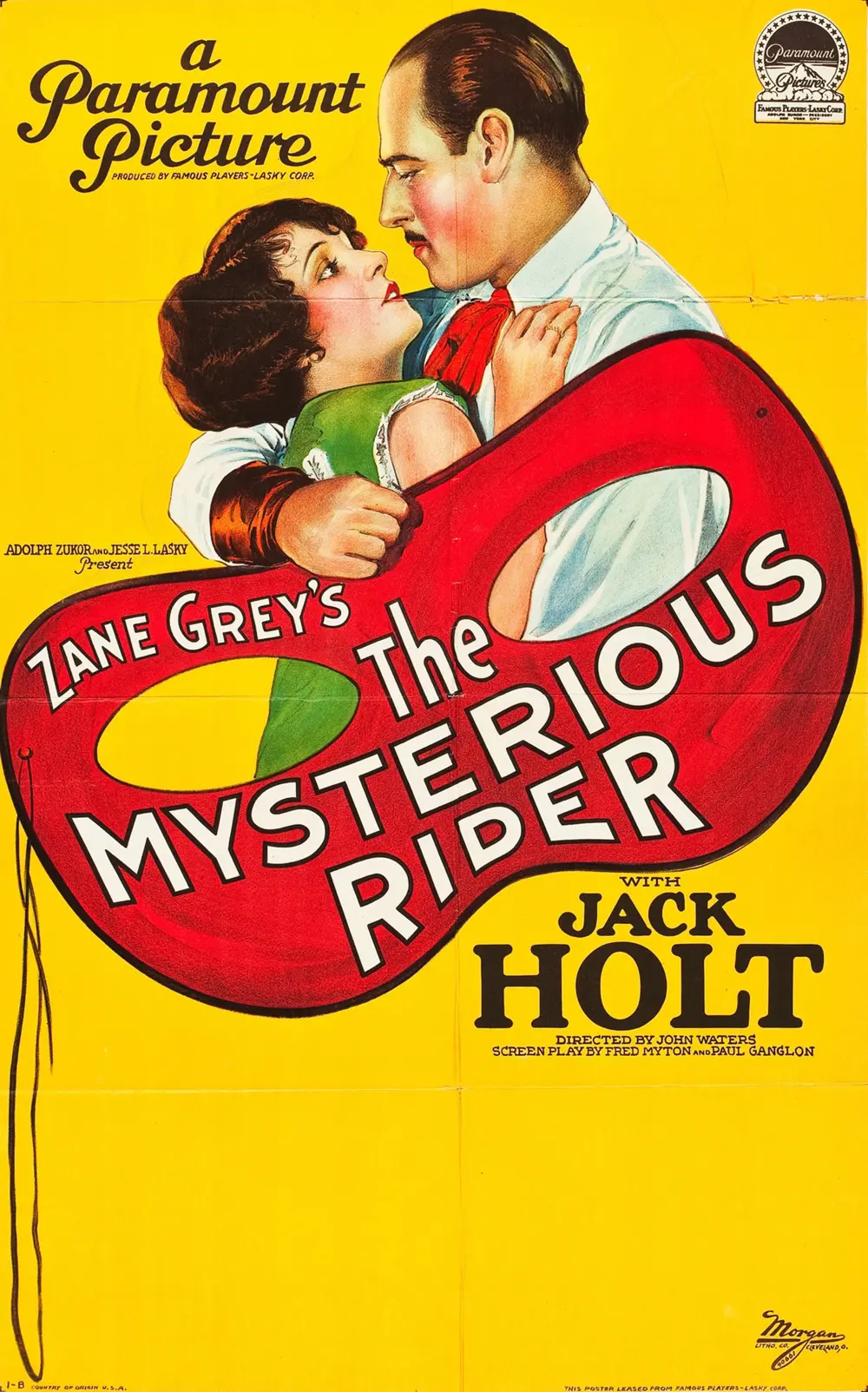
Is The Mysterious Rider (1927) worth watching today? Short answer: yes, but with a significant caveat. This silent Western, based on a Zane Grey novel, offers a fascinating glimpse into early cinematic storytelling and the foundational myths of the American West, yet it demands a certain patience and appreciation for historical context that not every modern viewer possesses.
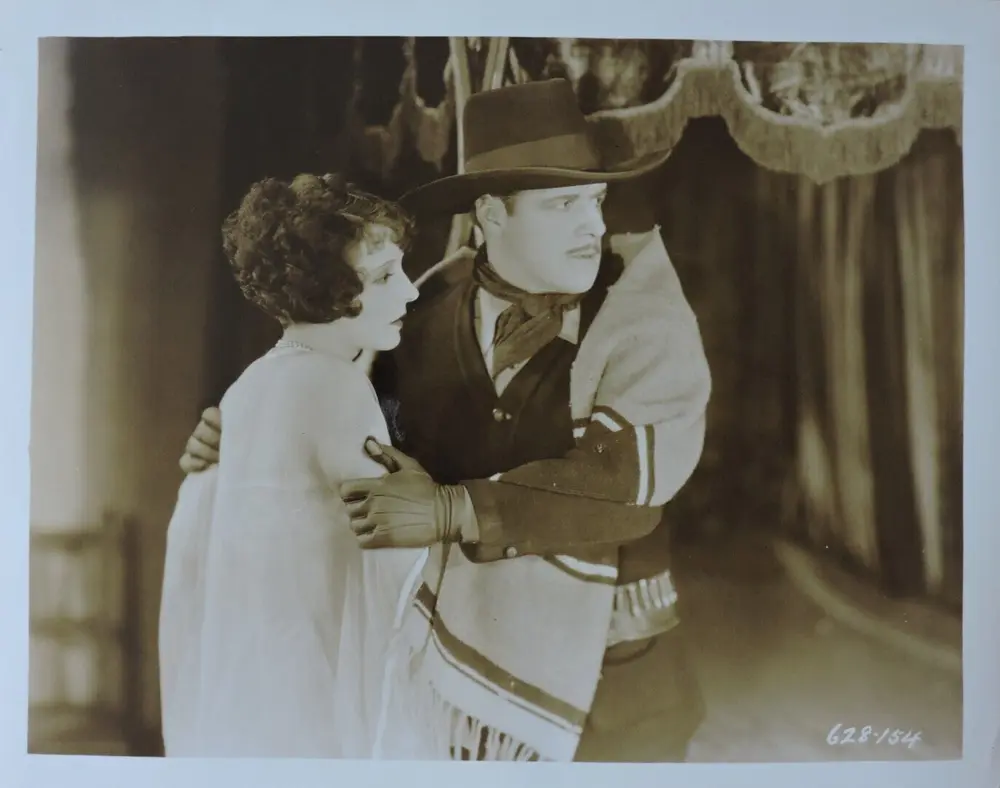
This film is for the cinephile, the Western enthusiast curious about the genre's origins, or anyone seeking to understand the evolution of narrative film. It is decidedly not for those expecting fast-paced action, complex character arcs by contemporary standards, or dialogue-driven drama. Its appeal lies in its raw, unfiltered adherence to classic tropes and its reliance on visual storytelling.
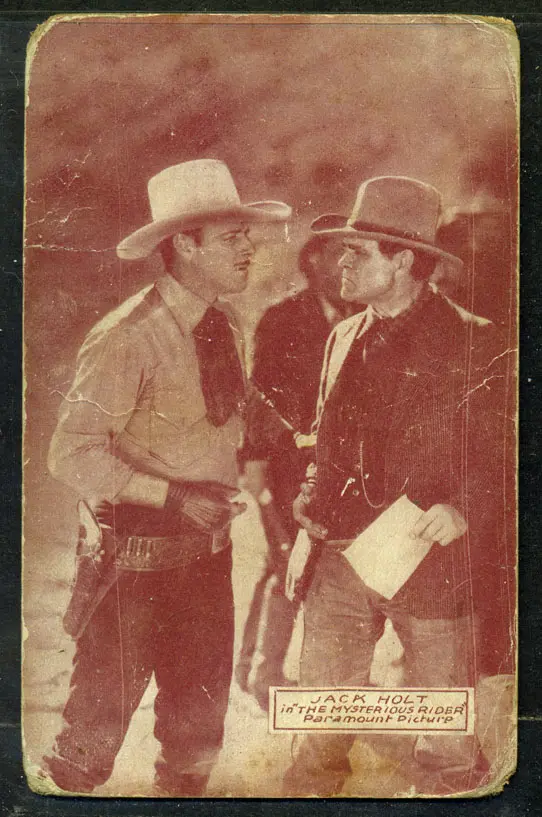
This film works because of its unwavering commitment to a clear-cut narrative of good versus evil, delivered with the earnest intensity characteristic of the silent era. It fails because its melodramatic flourishes and simplified character motivations can feel dated, challenging modern immersion. You should watch it if you appreciate the historical significance of silent cinema and the foundational elements of the Western genre, understanding that its charms are often tied to its age.
The Mysterious Rider, directed by Fred Myton and adapted from Zane Grey’s popular novel, functions as a remarkably pure distillation of the Western genre’s enduring appeal. It’s a story rooted in the elemental struggle for land, a theme as old as civilization itself, but given a distinctly American twist through the lens of homesteaders versus corporate greed. Here, the California desert isn't just a backdrop; it's a crucible, forging character and revealing the true nature of men. The film wastes little time establishing its central conflict: vulnerable settlers, whose livelihoods are tied to the soil, face eviction by the cunning Cliff Harkness, who wields a dubious Spanish land grant as his weapon. This premise immediately taps into the deep-seated fear of dispossession, a potent emotional trigger that resonates throughout the narrative.
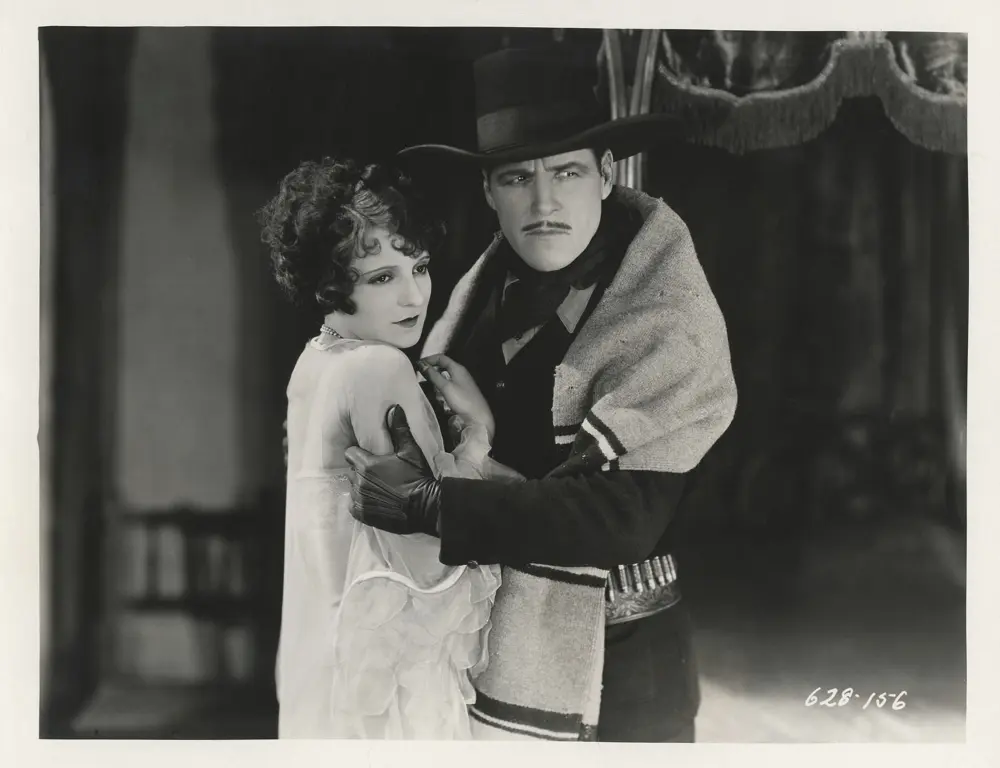
The introduction of Bent Wade, the eponymous 'mysterious rider' in spirit if not always in overt action, provides the moral compass and the driving force for justice. He is the archetypal Western hero: quiet, principled, and ultimately, a man of action. The plot swiftly escalates from a simple land dispute to a full-blown tale of betrayal, facilitated by the deceitful Harkness and the opportunistic Mark King. The infamous 'disappearing ink' plot device, while overtly theatrical, serves its purpose in elevating the stakes, transforming a mere bad deal into a criminal act of fraud. This particular narrative twist is a testament to the era's storytelling conventions, where visual spectacle and overt villainy often superseded nuanced realism. It’s a bold move, almost cartoonish in its simplicity, but undeniably effective in galvanizing audience sympathy for the wronged homesteaders and fueling their righteous anger against Wade, who, through no fault of his own, becomes the immediate scapegoat.
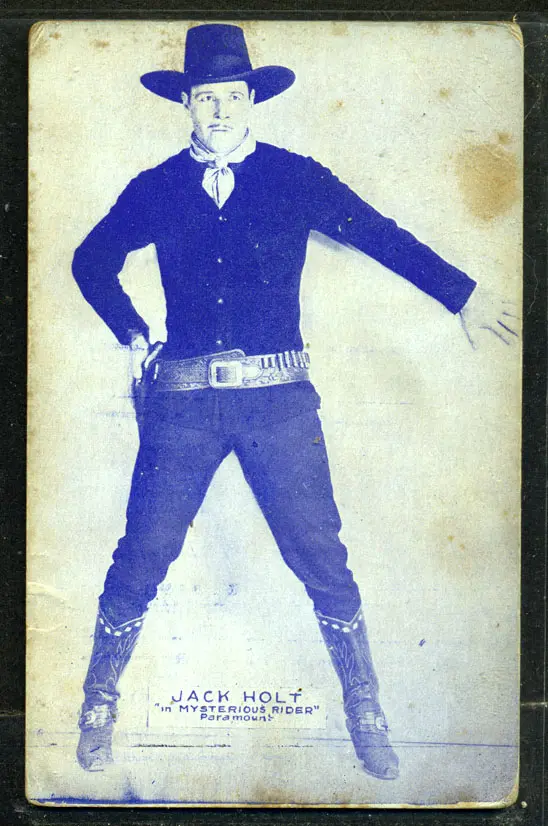
Myton’s direction, while not groundbreaking, is competent in establishing the necessary tension and pacing for a silent film. The narrative progression is linear, almost episodic, moving from the initial threat to the betrayal, the hero's fall from grace, his escape, and finally, his triumphant return. This structure is highly effective in building anticipation, even if the resolutions are often telegraphed well in advance. The film embraces the genre’s inherent melodrama, using it to heighten emotional impact rather than dilute it. The themes of loyalty, justice, and the harsh realities of frontier life are painted with broad strokes, leaving little room for ambiguity. This clarity, while perhaps simplistic to modern eyes, was precisely what made such stories so compelling to audiences of the time, offering a clear moral framework in a world often perceived as chaotic.
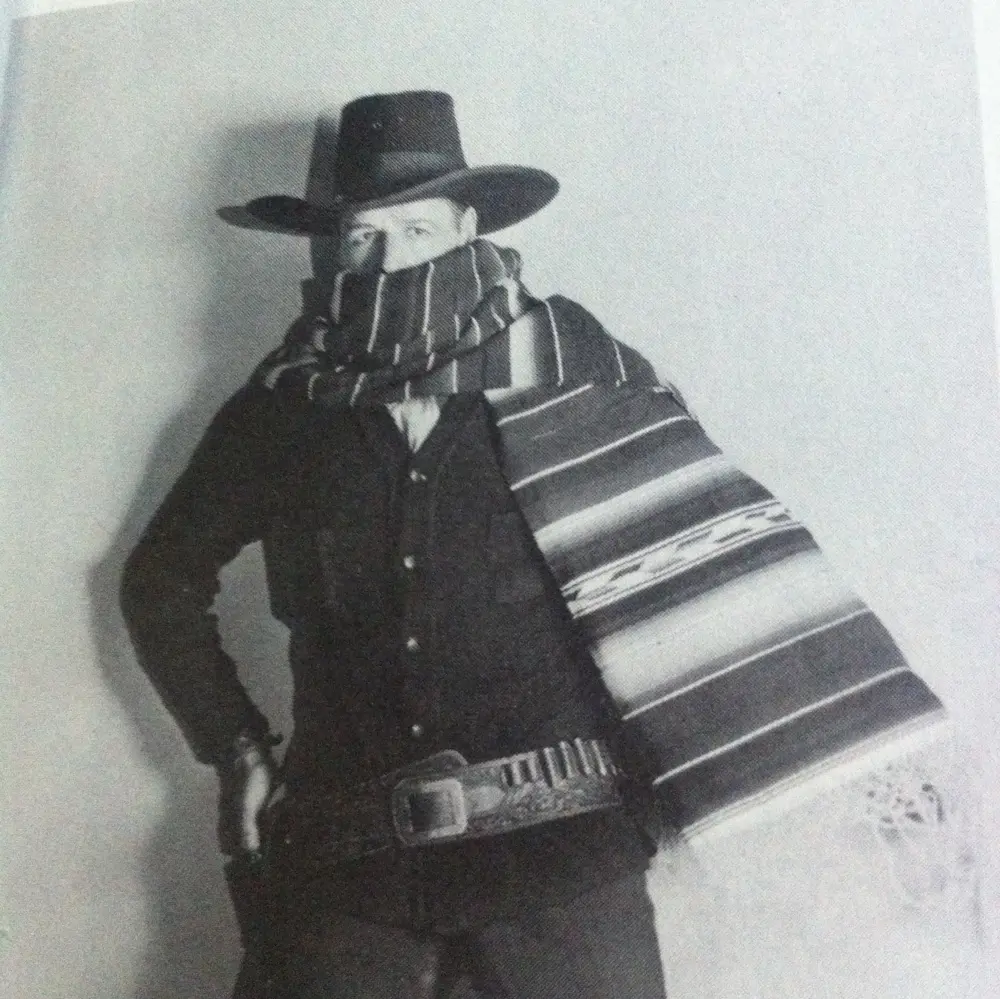
In silent cinema, acting is a language of the body, the eyes, and exaggerated gestures. For The Mysterious Rider, the weight of conveying emotion and intent falls squarely on its cast, and for the most part, they rise to the challenge with admirable conviction. Jack Holt, as Bent Wade, is the film's anchor. Holt embodies the stoic, rugged hero with a compelling blend of quiet determination and simmering intensity. His performance is less about overt emoting and more about conveying an inner strength through his posture and focused gaze. When Wade is accused and faces the wrath of the homesteaders, Holt’s portrayal of betrayed dignity, rather than outright fear, is palpable. He doesn't need dialogue; his face tells a story of injustice.
Conversely, Al Hart, playing the villainous Cliff Harkness, provides a masterclass in silent-era perfidy. Hart’s sneering expressions, shifty eyes, and often theatrical gestures perfectly encapsulate the character’s duplicity. His scene signing the disappearing ink receipt is particularly memorable
IMDb —
1916
Community
Log in to comment.