DbcultAccessing Vault...
6.8/10
Senior Film Conservator
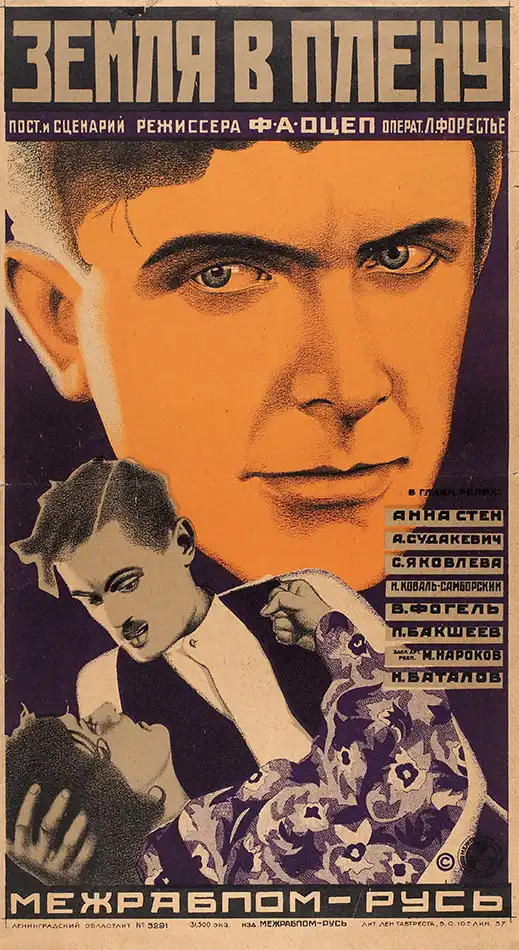
A definitive 6.8/10 rating for a film that redefined the boundaries of cult cinema. Yellow Pass remains a cornerstone of transgressive art.
Fyodor Otsep's 1927 drama, Yellow Pass (also known as Zemlya v plenu or Land in Captivity), is not an easy film. It’s a stark, often brutal journey through the oppressive realities of pre-revolutionary rural life, anchored by a fiercely committed performance from Anna Sten. For viewers willing to engage with its grim, unrelenting narrative and silent-era conventions, it remains an essential piece of cinematic history and a potent social commentary. If you’re a devotee of early Soviet cinema, drawn to unflinching social realism, or fascinated by powerful female leads in early film, this film absolutely warrants your time.
However, if you prefer brisk pacing, overt emotional catharsis, or a narrative that softens its blows, Yellow Pass will likely prove a challenging, perhaps even frustrating, experience. This is a film that demands patience and rewards close attention to its visual storytelling and the profound emotional labor of its lead.
Anna Sten, in particular, carries the film's emotional weight with a remarkable intensity. Her Marie is a figure of quiet endurance, her face a canvas of escalating despair and fleeting hope. Watch her in the scene where she's forced to nurse Anya’s baby: the subtle tension in her jaw, the way her eyes dart around the opulent room, a stark contrast to her own barren home. It’s a performance built on internal struggle, rarely theatrical, which makes her eventual breakdown all the more impactful.
Porfiri Podobed as Jacob, her husband, offers a compelling counterpoint, embodying a kind of crushed masculinity. His initial eagerness for land curdles into a bitter resignation, visible in his slumped shoulders and the way he often avoids Marie's gaze, particularly after the scandal begins to fester. The supporting cast, while serving their roles in the narrative, are often drawn with broader strokes. Vladimir Fogel as Anya's predatory husband, for instance, embodies a clear villainy, but his menace often feels more archetypal than psychologically complex.
The film’s pacing is undeniably deliberate, almost punishingly so in its early sections. The long, drawn-out shots of Jacob and Marie struggling with the rocky soil, pulling stones from the ground, establish their Sisyphean struggle with an almost documentary-like precision. This slow burn effectively builds a sense of their desperation, making the Baron’s eventual demands feel even more crushing.
Once Marie is forced into the Baron’s household, the rhythm shifts slightly, taking on a more claustrophobic tension as she navigates the predatory environment. The tone remains relentlessly grim, offering little in the way of levity or hope. The sequence where she is given the yellow passport feels particularly abrupt and brutal, a sudden, almost bureaucratic act of dehumanization that accelerates her downfall with a chilling efficiency. There are no grand speeches or overt emotional pleas; instead, we witness the quiet, grinding machinery of oppression.
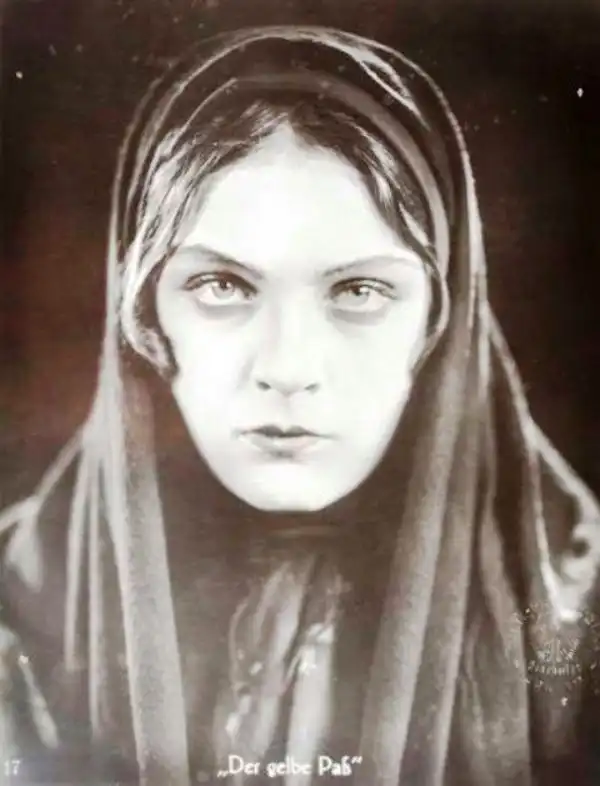
Visually, Yellow Pass employs a stark, almost unadorned realism that serves its narrative exceptionally well. The cinematography often favors wide shots of the desolate landscape, emphasizing the isolation and the sheer scale of the struggle against nature, only to abruptly cut to tight close-ups on Marie’s face, capturing her internal turmoil. The contrast between the sun-baked, rock-strewn fields and the shadowed, opulent interiors of the Baron’s estate is particularly striking – one signifying back-breaking labor and scarcity, the other a suffocating luxury built on the exploitation of others.
The editing, while not always dynamic by modern standards, effectively uses juxtaposition to highlight the film’s themes. We see Marie's suffering often intercut with the indifferent, even cruel, opulence of her employers. There’s a notable sequence where the camera lingers on the Baron’s hand as he slowly signs the eviction notice, a small, deliberate gesture that carries immense weight, illustrating the casual cruelty of power that defines Marie’s fate.
One of the film's undeniable strengths is its refusal to romanticize poverty or suffering. It presents Marie's degradation not as a grand, operatic tragedy, but as an insidious, systemic process. Her journey is a grim indictment of a social order that grinds individuals underfoot, especially women, with little recourse.
The film’s greatest weakness, however, might be its occasional tendency towards broad characterizations among the secondary players. While Sten and Podobed deliver nuanced performances, some of the figures in the Baron’s household, particularly Anya’s husband, veer closer to caricature, diminishing the psychological complexity in those interactions. Also, the final scene, while thematically powerful in its ambiguity, might leave some viewers craving a more definitive resolution, preferring catharsis over stark realism. The bleakness can, at times, feel overwhelming without moments of respite.
Despite its challenging pacing and a narrative that offers little in the way of comfort, Yellow Pass remains a powerful and important film. It’s a testament to the enduring power of silent cinema to convey profound social critique through visual storytelling and compelling performance. Fyodor Otsep, as both writer and director, crafts a narrative that feels both historically specific and tragically timeless in its depiction of exploitation and resilience.
For those interested in the harsh realities of a bygone era and the quiet defiance of the human spirit against overwhelming odds, it’s a film that demands to be seen and considered, long after the credits roll. It’s not an easy recommendation for casual viewing, but for serious students of cinema and social history, Yellow Pass is an essential, if demanding, experience.
IMDb 6.5
1933
Community
Log in to comment.