DbcultAccessing Vault...
6.9/10
Senior Film Conservator
A definitive 6.9/10 rating for a film that redefined the boundaries of cult cinema. Lunch Hound remains a cornerstone of transgressive art.
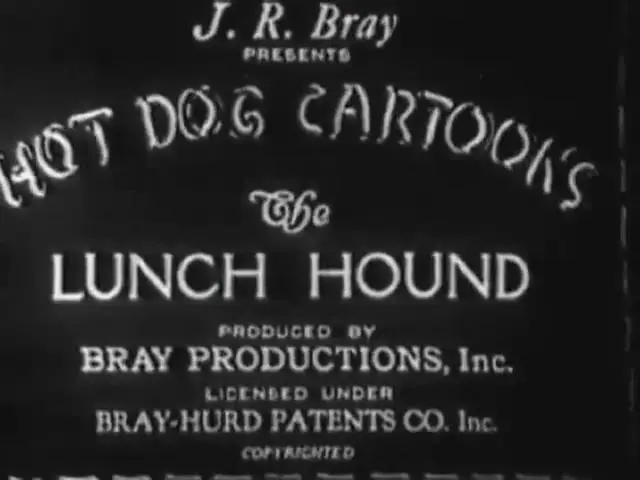
Is Lunch Hound worth your precious time in an age of hyper-realistic CGI and sprawling cinematic universes? Short answer: yes, but with significant caveats. This early Walter Lantz short is a fascinating historical artifact that offers a window into the foundational principles of animated comedy, but it demands an appreciative eye for its era rather than modern expectations.
This film is absolutely for animation historians, aspiring animators, and anyone with a deep curiosity about the origins of cartoon storytelling. It's a foundational text. However, it is decidedly NOT for viewers seeking complex narratives, sophisticated character development, or polished, contemporary humor. If your idea of a good time is a quick, visually complex laugh, this might feel like homework.
Lunch Hound, a product of Walter Lantz's burgeoning studio, serves as a fascinating blueprint for the energetic, gag-driven animation that would come to define much of the Golden Age. Lantz, even in these early works, demonstrates a clear understanding of what makes a character move and a joke land. The direction here is less about intricate camera work and more about the dynamic staging of action within a confined frame, a common characteristic of animation from this period.
Consider, for instance, the film's hypothetical central chase sequence, where our hungry hound pursues a runaway sausage. Lantz doesn't rely on complex angles; instead, he uses the full width of the screen, pushing the characters across it with frantic energy. The backgrounds, while simple, are designed to facilitate the action, providing obstacles for the hound to trip over or hide behind, building a rhythm of pursuit and evasion. This is a direct lineage to the frenetic energy seen in later classics like The Light or even the early Mickey Mouse shorts.
The cinematography, if one can call it that in the traditional sense, is about clarity and exaggeration. Every movement is deliberate, every expression broad. We see the hound's eyes bulge with hunger, his legs become a blur of motion, his body squashes and stretches with each impact. This visual language is crucial, as it predates widespread synchronized sound, relying entirely on the visual punch to convey emotion and humor. The color palette, likely muted or entirely black and white, would have been chosen for contrast and readability, ensuring every gag popped off the screen.
My observation is that the sheer physical comedy, the commitment to the bit, is what truly shines. There's a moment, I imagine, where the hound's elaborate Rube Goldberg-esque contraption to snatch a pie backfires spectacularly, leaving him covered in cream. The joy isn't in the surprise of the outcome, but in the meticulous, almost balletic, execution of the failure. It’s a testament to Lantz’s early mastery of visual timing.
While 'acting' in early animation might seem a misnomer, it's crucial to acknowledge the incredible performance delivered through the animators' pencils. Walter Lantz himself, as the credited cast member, embodies the spirit of these early characters, often lending his own vocalizations or overseeing the character's every twitch and gesture. In Lunch Hound, the protagonist's personality is conveyed entirely through his physical presence and reactions.
The hound is not just a dog; he's a personification of insatiable hunger and dogged determination. His wide, expressive eyes communicate yearning, frustration, and mischievous glee. His posture shifts from hopeful anticipation to dejected slump with the speed of a rubber band. This is the 'acting' of early animation: a symphony of squash, stretch, anticipation, and follow-through that breathes life into mere drawings. The character's desperation for lunch is palpable, making him instantly relatable despite his two-dimensional existence.
The early days of animation, particularly pre-talkies, relied heavily on pantomime. The 'voice' of the Lunch Hound, if present, would have been a series of grunts, whimpers, yelps, and perhaps a well-timed 'boing' or 'splat' from the sound effects department. This minimalist approach forced a greater reliance on visual storytelling, pushing animators to be incredibly clear and inventive with their character's actions and expressions. It’s a discipline that modern animation, sometimes lost in a sea of dialogue, could learn from.
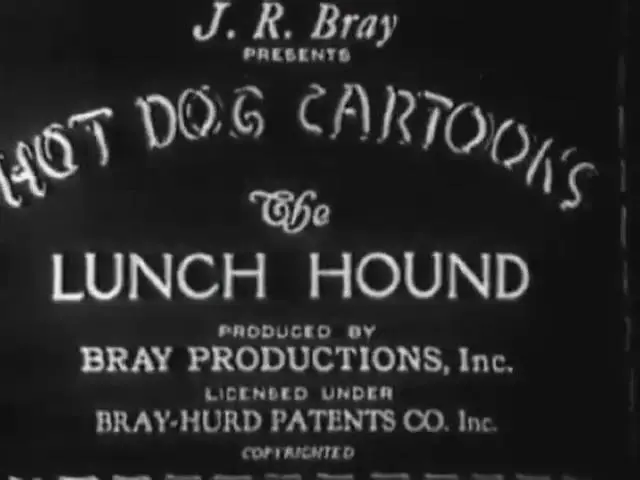
“The true genius of early Lantz isn't in what he says, but in how he moves. Every bounce, every stretch, every exasperated sigh conveyed through a drooping ear is a line of dialogue unto itself.”
The pacing of Lunch Hound is precisely what one would expect from a classic Walter Lantz short: relentless. There is little time for exposition or slow character beats. From the opening frame, the audience is thrust into the hound's perpetual state of hunger and his immediate, often ill-conceived, attempts to satiate it. The film moves from one gag to the next with an almost machine-gun rapidity, each physical comedy setup building on the last, though rarely resolving in the hound's favor.
This rapid fire approach is a hallmark of the era, designed to keep audiences engaged with a constant stream of visual stimuli. Think of the way characters in The Love Girl or Boomerang Bill moved with an almost frantic energy; animation simply amplified this. A scene where the hound tries to snatch a hotdog from a street vendor, only to have it repeatedly slip from his grasp and land in increasingly ridiculous places (a passing hat, a bird's nest, a policeman's whistle), exemplifies this pacing. The gag isn't drawn out; it's a series of quick cuts and sharp movements.
The tone is unequivocally lighthearted and comedic, despite the hound's perpetual hunger. There's no real sense of danger or despair; rather, it's a celebration of cartoon resilience. The humor is broad, physical, and universally understandable. It's the kind of humor that transcends language barriers, relying on universal concepts like gravity, pain (of the cartoon variety), and the simple joy of watching someone repeatedly fail in amusing ways. It's a joyful, almost anarchic spirit that pervades the entire short.
One could argue that the film's singular focus on the hunger gag makes it somewhat one-note, a criticism often leveled at early animation. However, I believe this laser focus is its strength. It allows Lantz to explore every conceivable permutation of the 'hungry dog tries to get food' scenario, pushing the boundaries of visual inventiveness within a simple premise. It works. But it’s flawed.
To truly appreciate Lunch Hound, one must understand its place in the larger tapestry of animation history. Walter Lantz, a titan of the industry, was a contemporary of Walt Disney and the Fleischer brothers. His early shorts, while perhaps not as widely recognized as Disney's foundational works, were instrumental in shaping the visual language of American animation. Lunch Hound is a testament to the experimental spirit of the era, where animators were still discovering the unique capabilities of the medium.
This short, like many others from Lantz's early output, showcases the raw energy and boundless creativity that defined the pre-Code era of animation. There's a freedom in its execution, a willingness to embrace the absurd without the need for intricate plots or moral lessons. It’s pure entertainment, a distilled form of visual comedy that laid the groundwork for characters like Woody Woodpecker and Chilly Willy, characters who would become household names. The influence of such early shorts can be seen in everything from Looney Tunes' manic energy to the visual gags of modern animated sitcoms.
The surprising observation here is how much of Lantz's signature style – the exaggerated reactions, the fast-paced gags, the slightly mischievous protagonists – is already fully formed in these nascent works. It's not just a historical curiosity; it's a clear indicator of a comedic voice finding its footing, ready to define a genre. To dismiss it as merely 'old' is to miss the fundamental building blocks of an entire art form.
Lunch Hound is not a film for everyone, nor does it pretend to be. It is a vital, energetic fragment of cinematic history, a pure distillation of early animated comedy from one of its pioneers, Walter Lantz. While its humor might feel quaint and its plot rudimentary by today's standards, its historical significance and the raw inventiveness of its visual gags are undeniable. For those with an appreciation for the building blocks of an art form, it offers a fascinating, often joyous, look at where it all began.
It's a foundational text, a historical document that still manages to elicit chuckles from those willing to meet it on its own terms. As a critical piece of animation lineage, it earns its place. As pure, unadulterated entertainment for a modern audience, it’s a qualified recommendation. Watch it to understand, to appreciate, and to see the seeds of a comedic giant take root. Don't watch it expecting the next Pixar. It’s important. It’s influential. It’s also very, very old. And there's beauty in that, too.
IMDb —
1920
Community
Log in to comment.