DbcultAccessing Vault...
6.3/10
Senior Film Conservator
A definitive 6.3/10 rating for a film that redefined the boundaries of cult cinema. Yolanda remains a cornerstone of transgressive art.
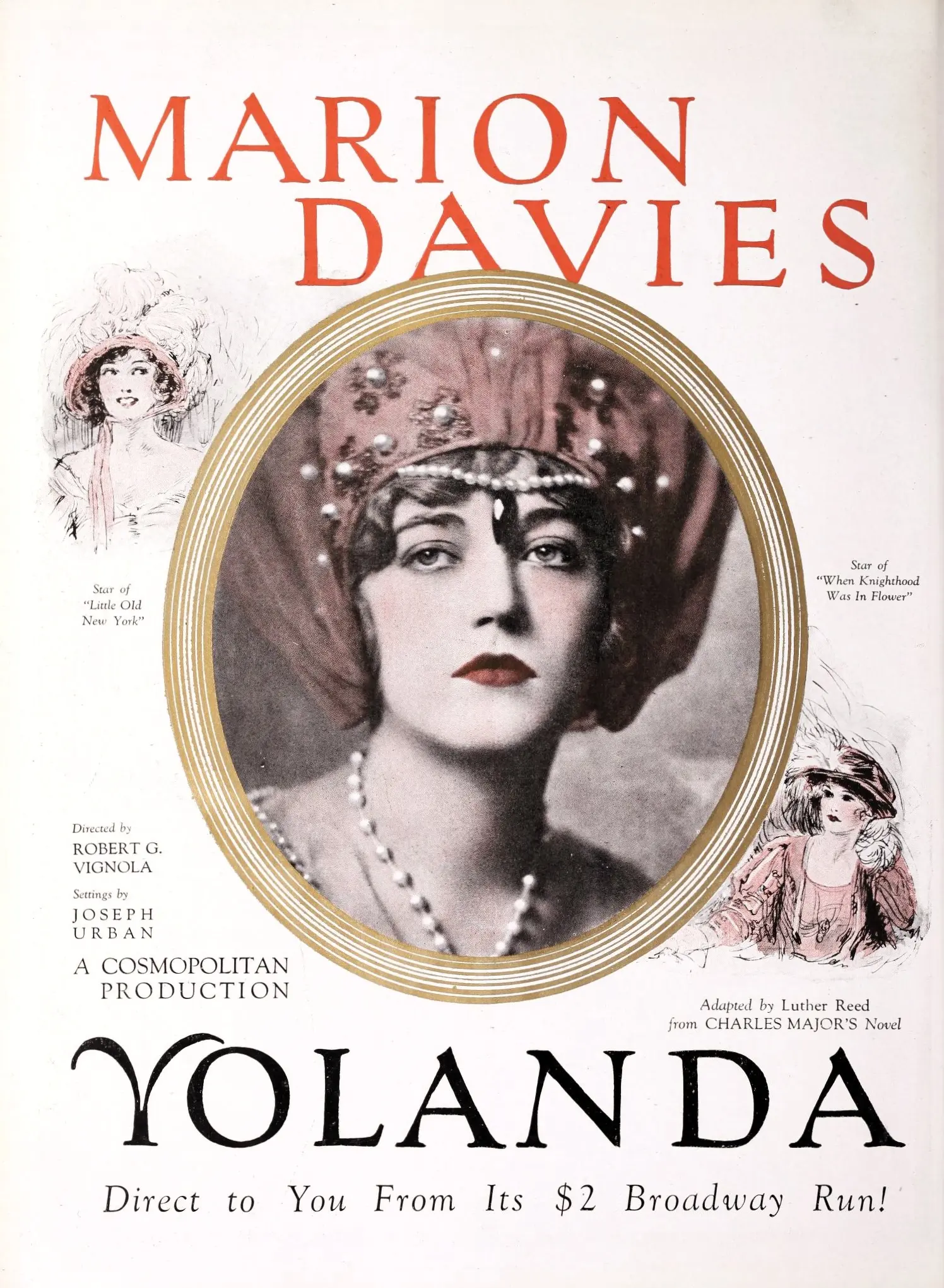
The annals of silent cinema are replete with grand romances, sweeping historical epics, and tales of star-crossed lovers battling against the insurmountable odds of fate, class, and political machination. Among these treasures, Yolanda, a 1924 production starring the inimitable Marion Davies, stands as a testament to the era's capacity for lavish spectacle and heartfelt drama. Directed with a keen eye for both intimacy and grandeur, this film, based on the novel by Charles Major and adapted for the screen by Major himself alongside Luther Reed, plunges viewers into a meticulously crafted vision of 15th-century Burgundy, where the whims of love collide head-on with the cold calculus of statecraft.
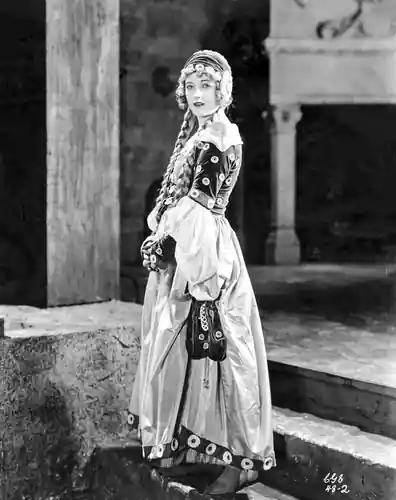
Marion Davies, an actress of remarkable versatility often overshadowed by her personal life, delivers a performance in Yolanda that underscores her profound talent. She embodies Princess Mary of Burgundy with a captivating blend of regal bearing and youthful exuberance. The narrative hinges on Mary's audacious decision to shed her royal identity, venturing into the world as 'Yolanda,' a commoner seeking a taste of life unburdened by the crown. This conceit, while a familiar trope, is handled with a delicate touch, allowing Davies to showcase her range from the vivacious, curious maiden to the resolute, heartbroken monarch. Her ability to convey complex emotions through gesture, expression, and the subtle shift of her eyes, without the aid of spoken dialogue, is nothing short of masterful. It's a performance that resonates with the same earnest charm found in her work in A Lady of Quality, where she similarly portrays a spirited woman defying societal expectations.
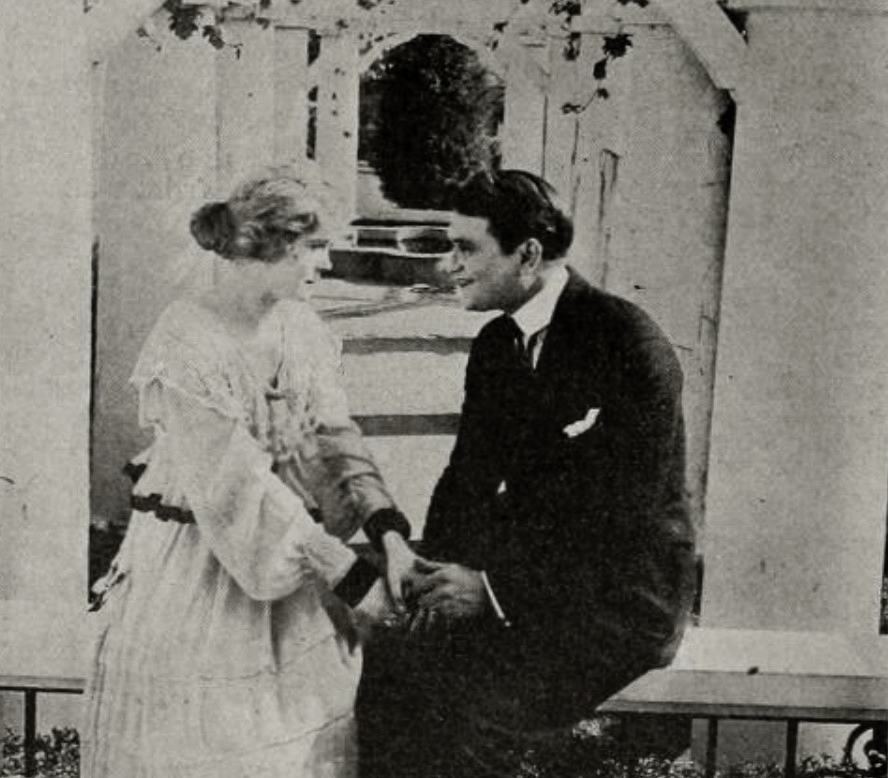
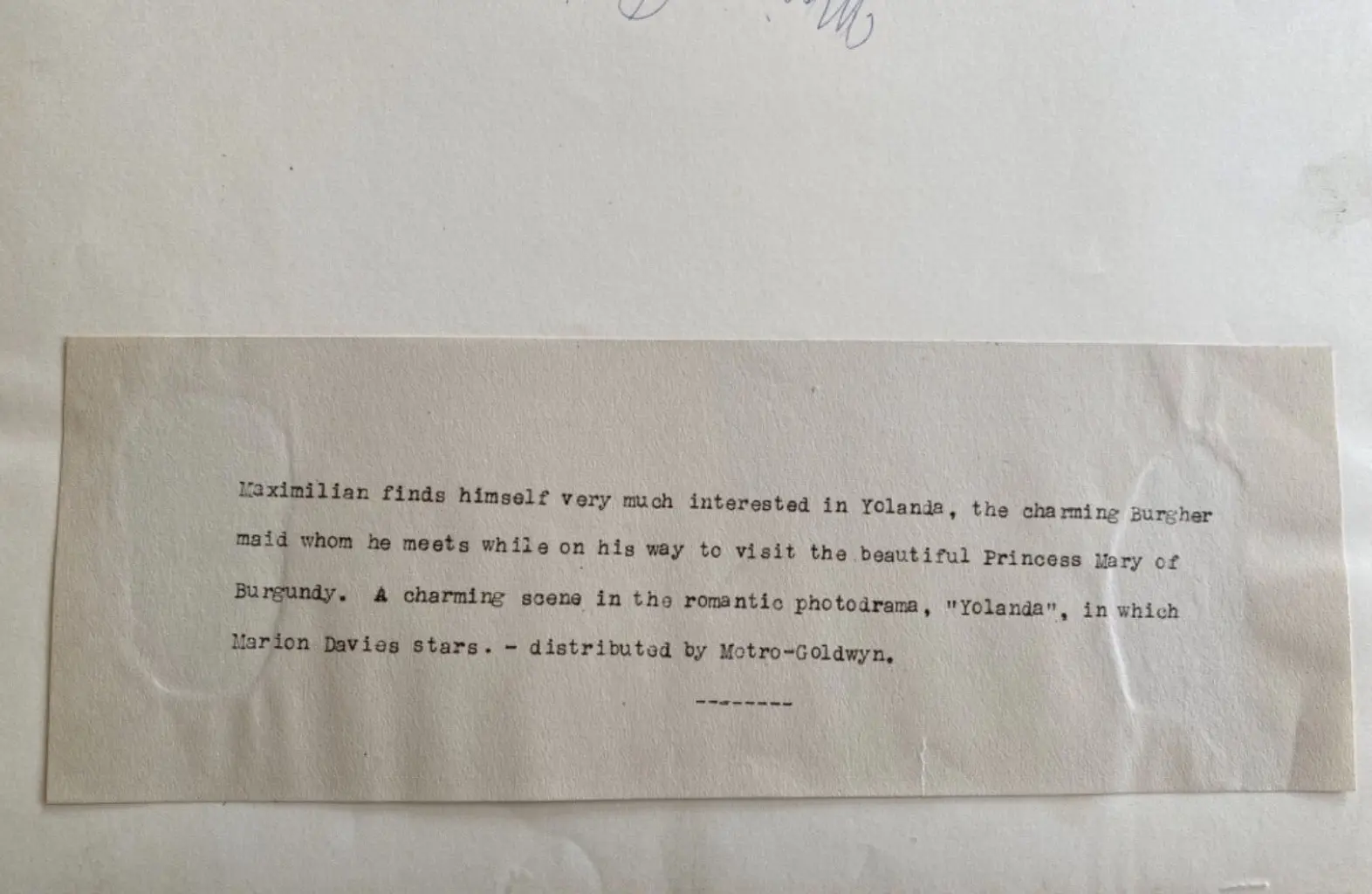
The plot, a tapestry woven with threads of romance, intrigue, and political peril, unfolds with a compelling rhythm. Mary’s disguised foray into a silk fair leads to an enchanting encounter with Maximilian, a man whose own noble lineage is concealed beneath the guise of a knight. Their immediate connection is palpable, a whirlwind romance sparked by genuine attraction rather than dynastic obligation. This initial phase of the film is a delightful exploration of innocent love, a brief respite before the storm of royal duty and treacherous plots descends. Ian Maclaren, as Maximilian, projects an air of noble gallantry and steadfast devotion, making him a fitting romantic foil for Davies' spirited princess. Their chemistry, conveyed through lingering glances and tender gestures, forms the emotional core of the film.
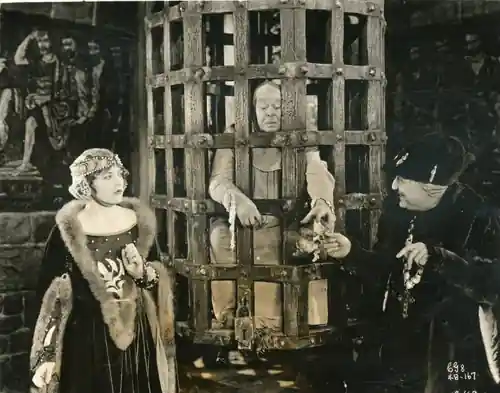
However, the idyllic romance is swiftly disrupted by the dark undercurrents of courtly conspiracy. Maximilian finds himself ensnared in a web of deceit, framed and imprisoned by those who seek to destabilize the Duchy. This turn of events injects a thrilling sense of urgency into the narrative, transforming Mary from a playful princess into a determined rescuer. Her ingenuity and courage in orchestrating Maximilian's escape highlight her strength of character, proving that her spirit is as formidable as her royal title. The tension built during these sequences is remarkable, a testament to the effective use of visual storytelling and the dramatic pacing characteristic of the era's best silent films. It evokes a similar sense of urgency and heroic intervention seen in films like The Rescue, where protagonists face seemingly insurmountable odds to save their beloved.
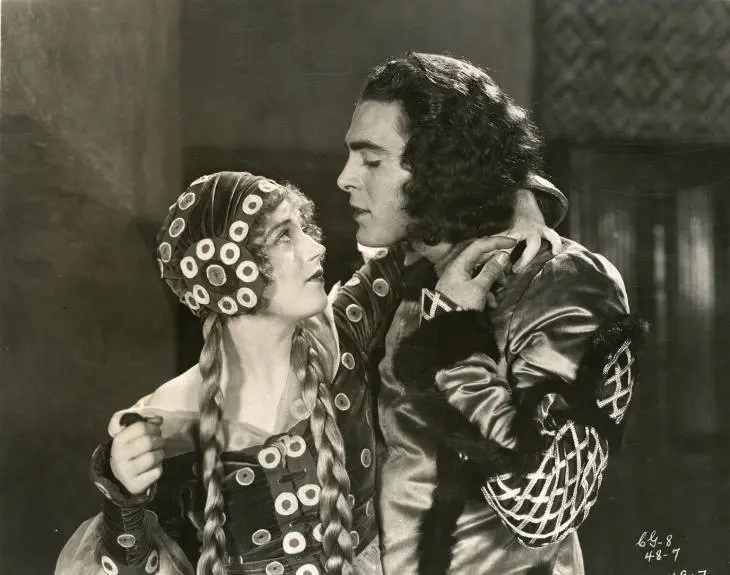
The film's true dramatic weight, however, lies in the political machinations that threaten to tear Mary and Maximilian apart. The looming threat of war with the powerful Swiss Confederacy, should Mary marry Maximilian, forces her father, the Duke, into an agonizing decision. He is compelled to arrange a politically advantageous, yet personally devastating, marriage for Mary with the mentally unstable Dauphin of France. This development introduces a poignant layer of sacrifice and duty, forcing the protagonists to confront the harsh realities of their station. The portrayal of the Dauphin, while brief, is enough to convey the tragedy of Mary's impending fate, making Maximilian's subsequent resolve to rescue her all the more heroic. This dramatic conflict between personal desire and political necessity is a timeless theme, handled here with gravitas and emotional resonance.
The supporting cast, though perhaps less luminous than the leads, provides a robust framework for the central drama. Theresa Maxwell Conover, Arthur Donaldson, Roy Applegate, and the formidable Holbrook Blinn as the Duke, each contribute to the rich tapestry of courtly life and intrigue. Blinn, in particular, conveys the Duke's anguish and difficult choices with a subtle strength, making his character's predicament profoundly sympathetic. Gustav von Seyffertitz, often cast as a villain, likely adds a layer of menace or cunning to the conspiratorial elements, though the specific details of his role are less central to the romantic core. The collective performances effectively build a world where power plays and personal desires are constantly at odds.
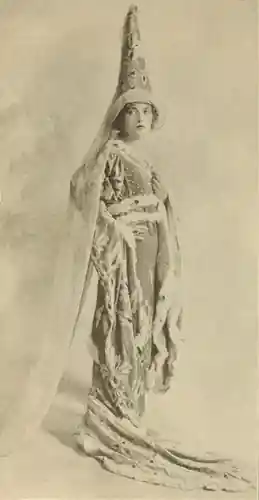
From a technical standpoint, Yolanda is a visual feast. The production design, costumes, and set pieces transport the audience directly into 15th-century Burgundy. The lavishness of the royal court is contrasted effectively with the rustic charm of the market fair, creating a rich visual landscape. Cinematography in silent films was paramount, and here, the camera work likely employs a blend of majestic wide shots to capture the grandeur of castles and battlefields, alongside intimate close-ups to convey the subtle emotional shifts of the actors. The use of lighting, a critical tool in the silent era for establishing mood and highlighting drama, would have been carefully orchestrated to amplify the tension of Maximilian's imprisonment or the romance of Mary and Maximilian's clandestine meetings. Such attention to visual detail was common for major productions of the time, striving to immerse audiences in the story without the benefit of sound, much like the ambitious staging found in Cameo Kirby.
The narrative, crafted by Charles Major and Luther Reed, is a testament to effective storytelling. They manage to balance the grand sweep of historical events with the intimate human drama at its heart. The pacing, while perhaps slower by modern standards, allows for a thorough development of characters and plot points, building suspense and emotional investment gradually. The dialogue, conveyed through intertitles, is concise yet impactful, driving the story forward without over-explanation. This careful construction ensures that even without sound, the audience remains fully engaged with the unfolding tale of love, betrayal, and heroism.
The themes explored in Yolanda are timeless. The conflict between love and duty is central, a recurring motif in historical romances. Mary's struggle to reconcile her personal desires with the responsibilities of her birth resonates deeply. Maximilian's unwavering commitment to rescue her, even at the precipice of war, speaks to the power of true love and heroic sacrifice. The film also delves into the politics of power, the fragility of alliances, and the often-unseen human cost of diplomatic maneuvering. The idea of disguise and concealed identity, too, plays a crucial role, allowing the characters to explore different facets of themselves before being forced back into their prescribed roles. This exploration of identity, albeit in a different context, can be seen in films like The Picture of Dorian Gray, where outward appearance and inner reality are starkly contrasted.
Historically, the film draws inspiration from the real-life Mary of Burgundy, a powerful and influential figure who, indeed, faced immense political pressure regarding her marriage. Her union with Maximilian I, Archduke of Austria, was a pivotal moment in European history, shaping the geopolitical landscape for centuries. While Yolanda takes significant dramatic liberties with the historical record, it captures the essence of the period's political volatility and the personal plights of those caught within its currents. This blend of historical backdrop and romanticized narrative creates a compelling viewing experience, allowing audiences to both learn about a historical era and lose themselves in a captivating love story.
In conclusion, Yolanda is more than just a silent film; it is a vibrant historical epic, a poignant romance, and a showcase for the considerable talents of Marion Davies. It exemplifies the craftsmanship of early 20th-century filmmaking, where visual storytelling, nuanced performances, and engaging narratives were paramount. While some might find the pacing of silent films challenging, those willing to immerse themselves in its world will discover a rich and rewarding experience. It reminds us that even without spoken dialogue, the power of human emotion, the thrill of adventure, and the enduring strength of love can transcend the boundaries of time and medium. This film, much like its heroine, possesses a quiet strength and an undeniable charm that continues to captivate those who appreciate the artistry of the silent era. It’s a compelling watch for anyone interested in the evolution of cinema, the enduring appeal of historical romance, and the often-understated brilliance of its leading lady, Marion Davies. Its legacy lies not just in its historical setting, but in its ability to tell a timeless story with grace and conviction, proving that some narratives, like true love, need no voice to be heard.
IMDb —
1927
Community
Log in to comment.