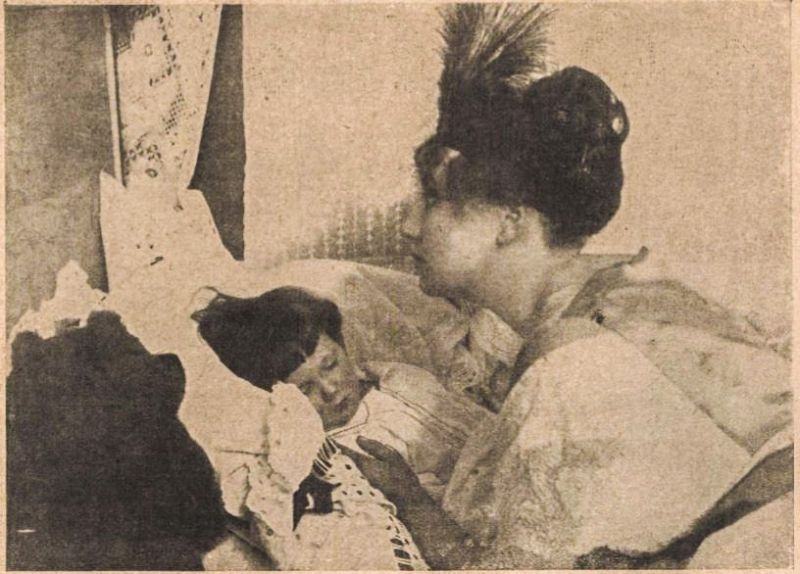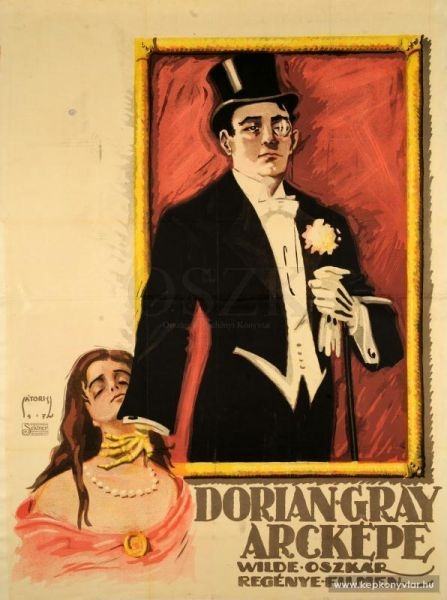
A corrupt young man somehow keeps his youthful beauty, but a special painting gradually reveals his inner ugliness to all..
Oscar Wilde, József Pakots
Hungary
::selection{background:#EAB308;color:#000;} a{color:#0E7490;text-decoration:none;border-bottom:1px dotted #0E7490;} a:hover{color:#EAB308;border-color:#EAB308;} blockquote{margin:2em 0;padding:1em 2em;border-left:4px solid #C2410C;background:rgba(198,65,12,.08);font-style:italic;font-size:1.05em;} strong{co...
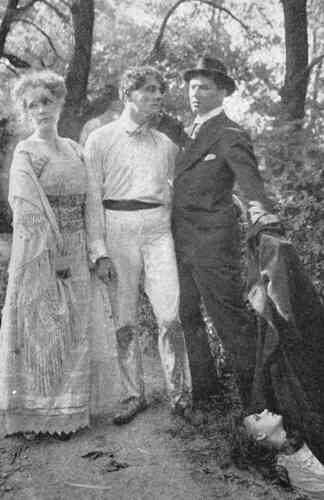
still_frame
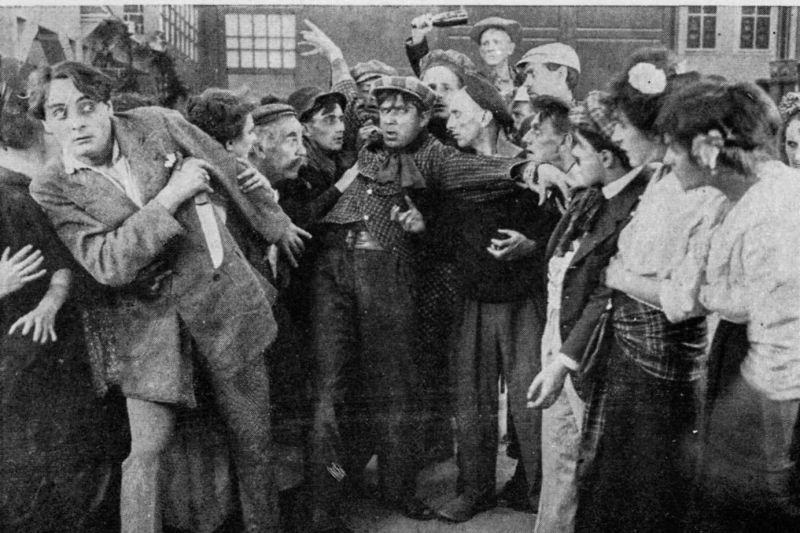
still_frame
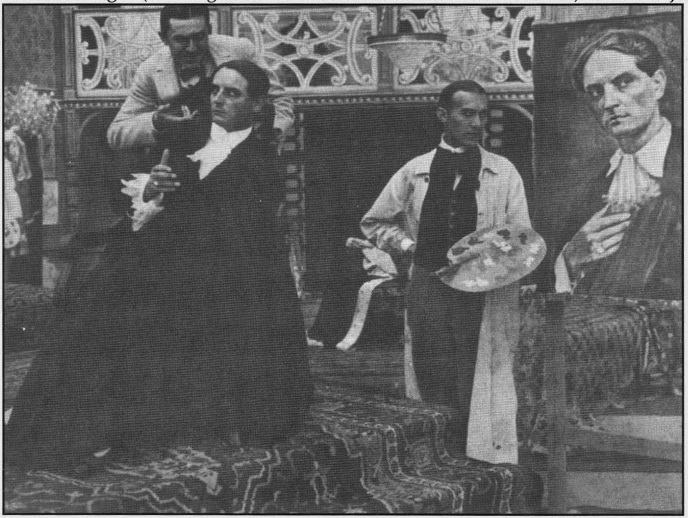
still_frame
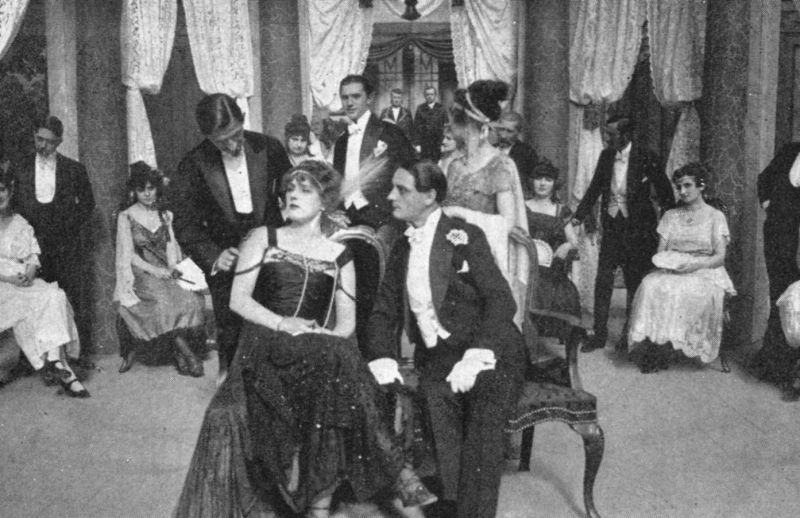
still_frame
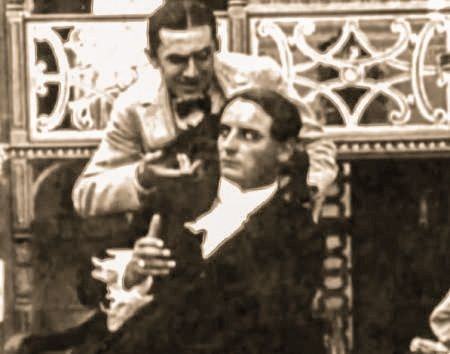
still_frame
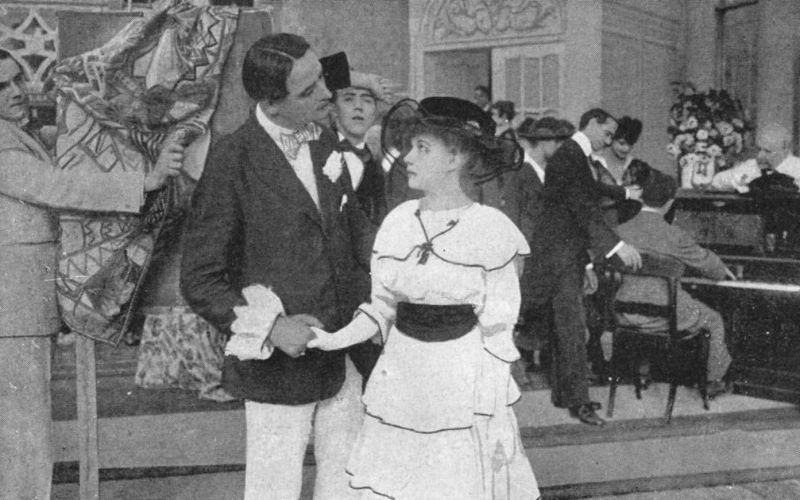
still_frame
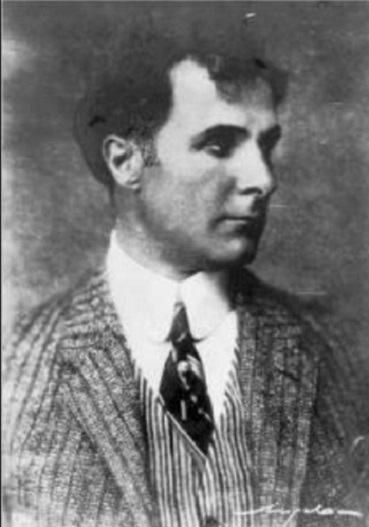
behind_the_scenes
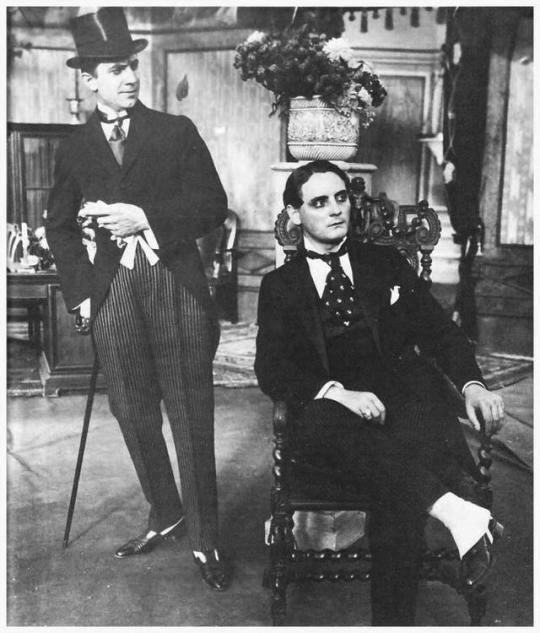
still_frame
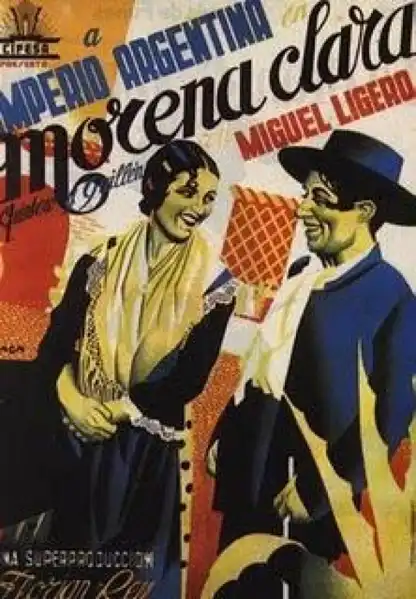
Comparing the cinematic DNA and archive impact of two defining moments in cult history.
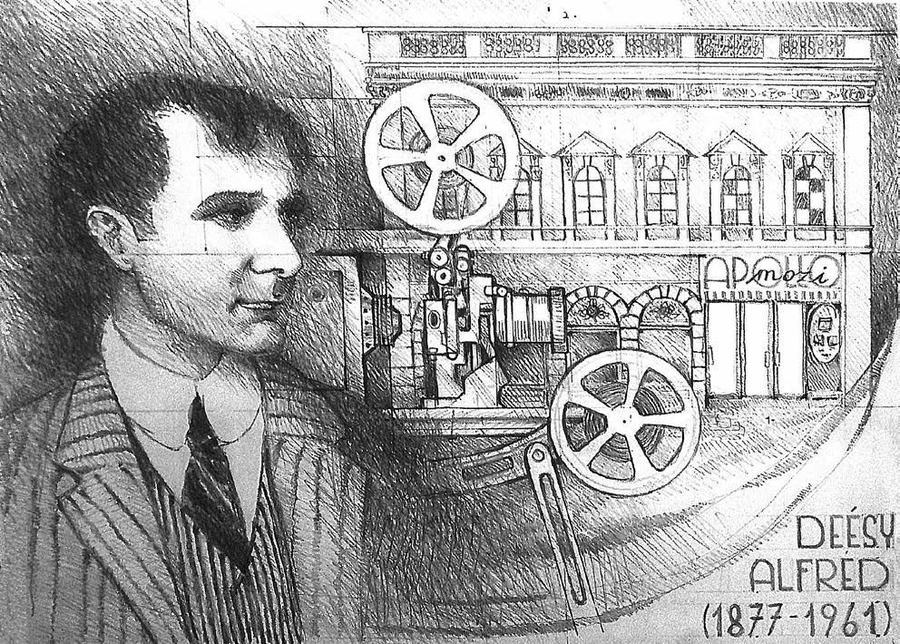
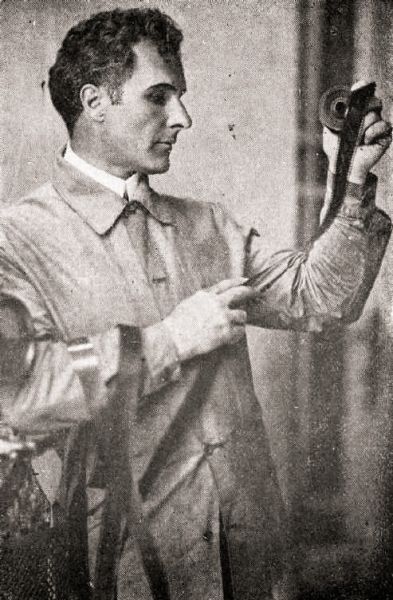
Alfréd Deésy
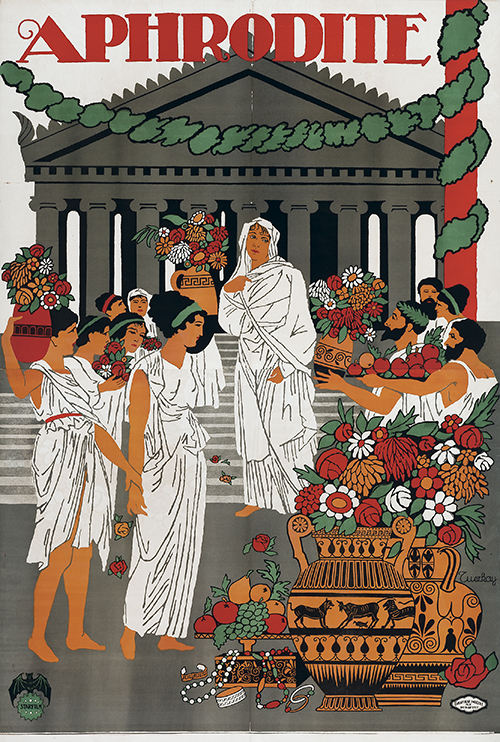
Alfréd Deésy
Community
Log in to comment.
" ::selection{background:#EAB308;color:#000;} a{color:#0E7490;text-decoration:none;border-bottom:1px dotted #0E7490;} a:hover{color:#EAB308;border-color:#EAB308;} blockquote{margin:2em 0;padding:1em 2em;border-left:4px solid #C2410C;background:rgba(198,65,12,.08);font-style:italic;font-size:1.05em;} strong{color:#EAB308;font-weight:600;} em{color:#C2410C;font-style:normal;font-weight:500;} hr{border:none;border-top:1px solid rgba(255,255,255,.15);margin:3em 0;} There is a moment—..."
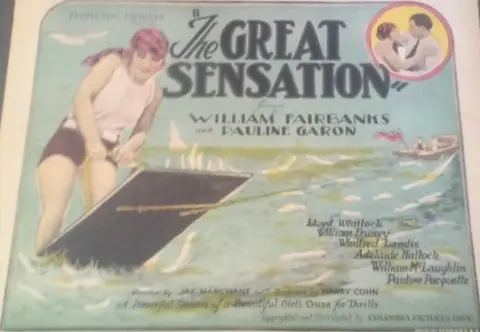
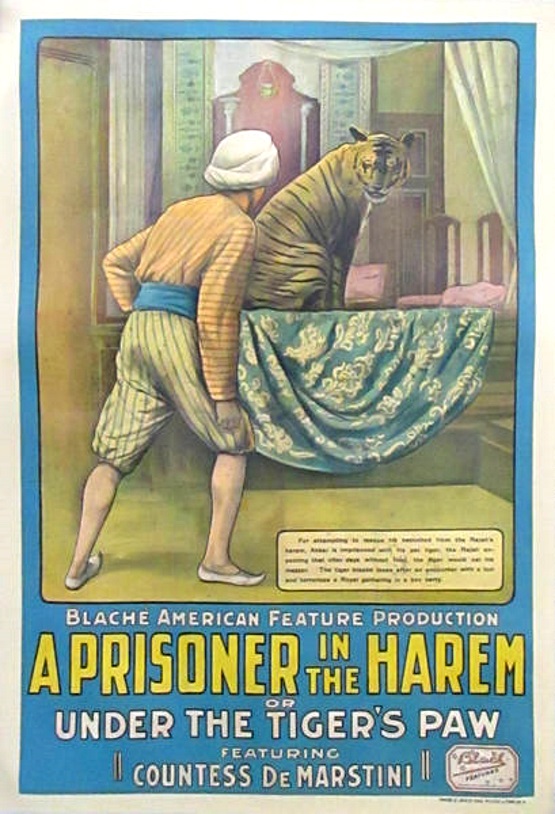
Deep dive into the cult classic
Discover similar cinematic experiences
A Directorial Spotlight on Alfréd Deésy