DbcultAccessing Vault...
7.1/10
Senior Film Conservator
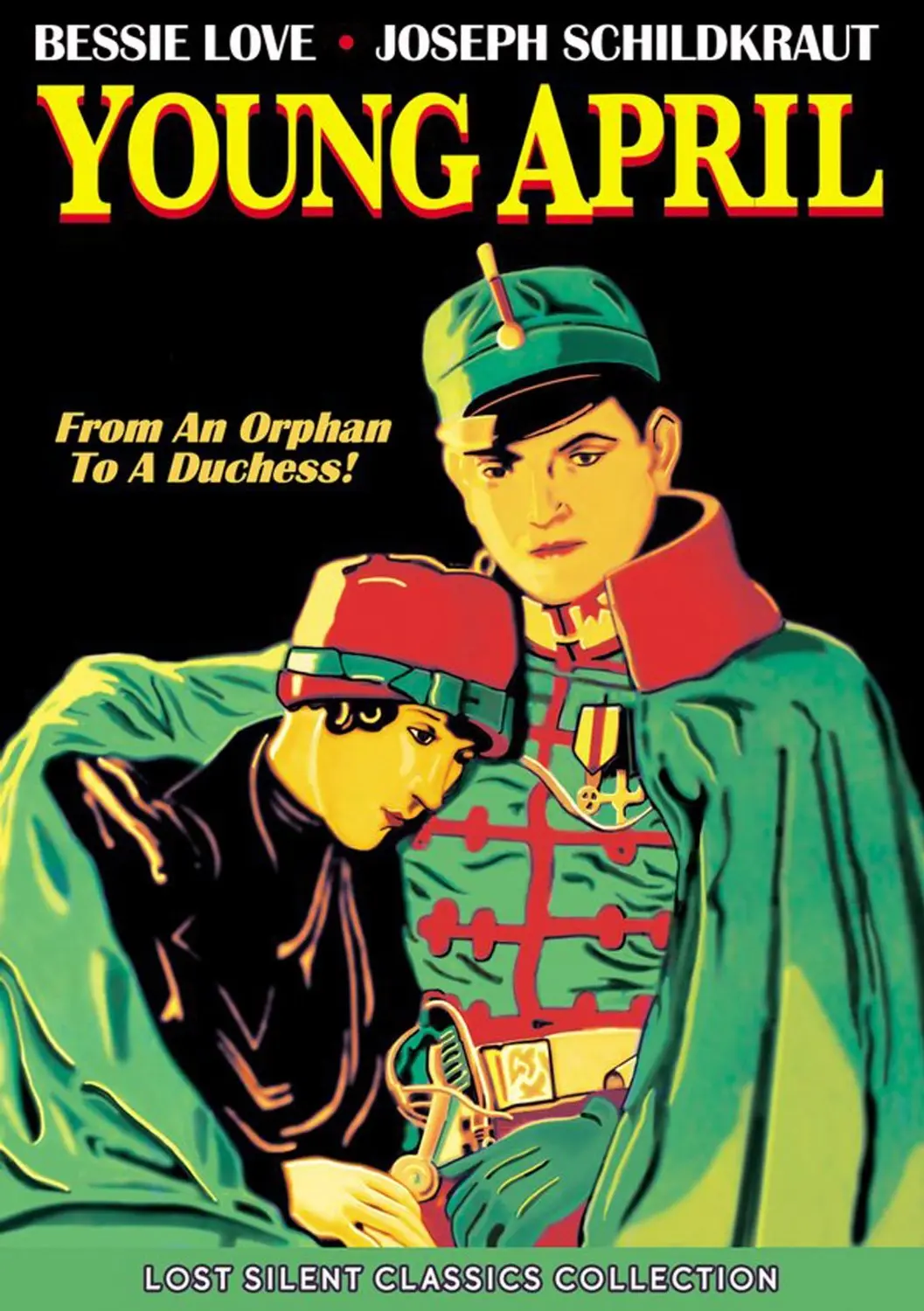
A definitive 7.1/10 rating for a film that redefined the boundaries of cult cinema. Young April remains a cornerstone of transgressive art.
Short answer: Yes, but it's a slow, character-driven film that might not appeal to everyone's taste in silent cinema. 'Young April' tells the story of Victoria Sax, an orphan who becomes a grand duchess and is summoned to a remote kingdom. This film is a fascinating exploration of power, loyalty, and transformation, but it's not for those who prefer fast-paced action or a more straightforward narrative.
This film works because: The character development of Victoria Sax is nuanced and compelling. Bessie Love's performance is particularly noteworthy, capturing the complexity of a young woman thrust into a world of political intrigue and personal struggle. The slow pace and detailed character arcs make 'Young April' a rewarding viewing experience for those who appreciate thoughtful storytelling.
This film fails because: The pacing can be slow, and some viewers might find the political machinations and romantic subplots too drawn out. The film's silent nature, while charming, may not appeal to those less familiar with the silent era's aesthetics and storytelling techniques.
You should watch it if: You're interested in silent cinema, character-driven narratives, and stories of transformation and political intrigue. 'Young April' offers a unique glimpse into the silent era's storytelling style and the challenges faced by young women in high-stakes situations.
Short answer: Yes, but it's a slow, character-driven film that might not appeal to everyone's taste in silent cinema.

Bessie Love delivers a standout performance as Victoria Sax, bringing depth and nuance to the character. Love's portrayal captures the innocence and vulnerability of a young girl thrust into a world of political power and personal turmoil. Rudolph Schildkraut and Alan Brooks also have significant roles, adding to the ensemble, though their characters are less developed than Love's.
Director Douglas Z. Doty and cinematographer Clarence Wilson work together to create a visually engaging film, with a stark contrast between the opulence of the royal palace and the stark simplicity of the orphanage. The use of shadow and light is particularly effective in conveying the emotional weight of the characters' struggles.
The pacing of 'Young April' is deliberate, with a focus on building character and atmosphere rather than advancing the plot at a breakneck pace. This approach can be frustrating for viewers who prefer faster narratives, but it allows for a deep exploration of the characters' inner lives and the political landscape they inhabit.
The plot of 'Young April' is a blend of romance and political intrigue. Victoria Sax's journey from orphan to grand duchess is interwoven with her romantic entanglements and the power struggles within the royal court. The film's use of flashbacks and dream sequences adds layers to the narrative, enhancing the sense of a young woman coming to terms with her new reality.
For those who appreciate the subtleties of character-driven storytelling and the complexities of silent cinema, 'Young April' is a worthwhile watch. However, if you're looking for a fast-paced action film or a straightforward narrative, you might find it too slow and meandering. The film is a testament to the artistry of silent cinema and the challenges faced by young women in high-stakes situations.
It works. But it’s flawed. 'Young April' is a character-driven silent film that offers a unique and engaging viewing experience. While it may not be for everyone, it's a must-see for those who appreciate the subtleties of silent cinema and the complexities of character development. The film's deliberate pacing and focus on atmosphere make it a rewarding viewing experience, but it may not be the most accessible entry point into the genre for those unfamiliar with silent cinema.
IMDb 8.5
1917
Community
Log in to comment.