DbcultAccessing Vault...
6.2/10
Senior Film Conservator
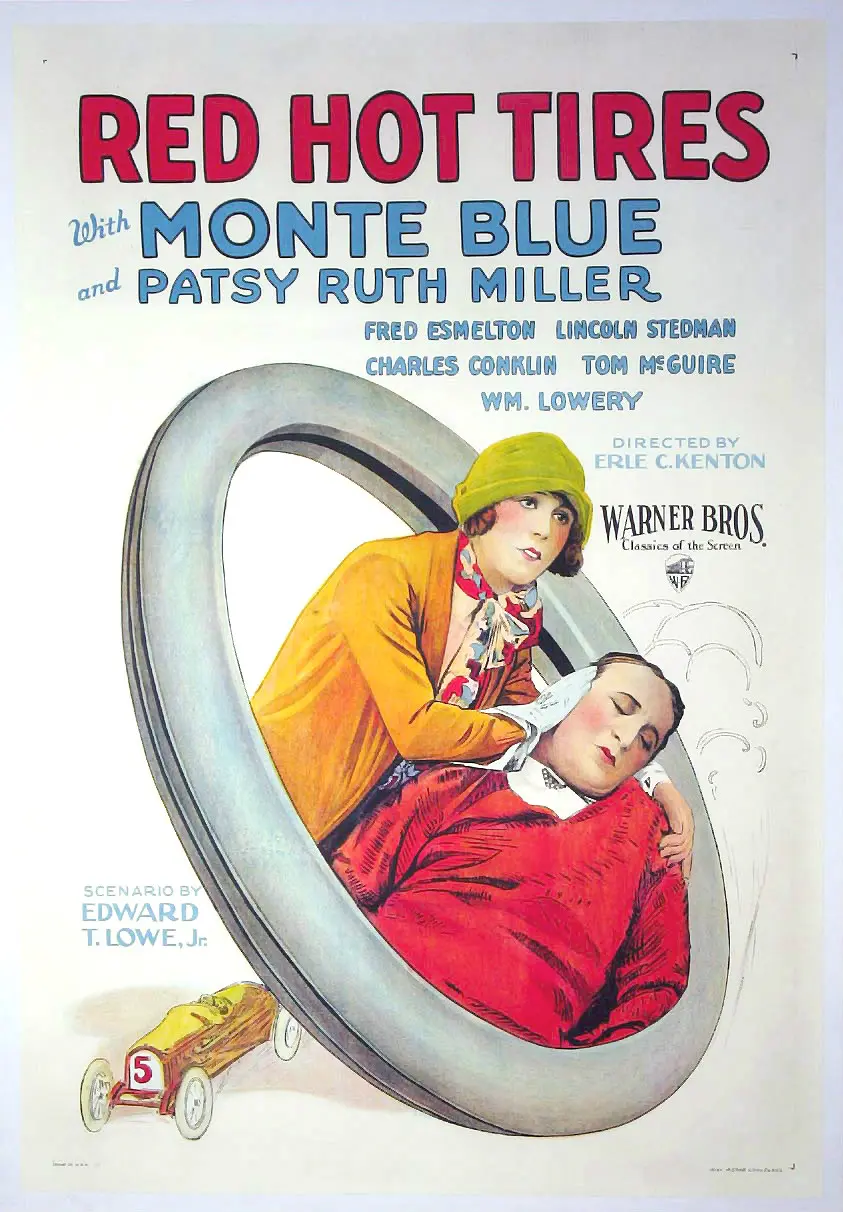
A definitive 6.2/10 rating for a film that redefined the boundaries of cult cinema. Red Hot Tires remains a cornerstone of transgressive art.
Is Red Hot Tires, a silent comedy from 1925, worth your precious modern viewing time? Short answer: yes, but with significant caveats. This film is a fascinating relic, a whirlwind of physical comedy and proto-romantic hijinks, but it demands a particular kind of patience and appreciation for an era long past.
It's a film best suited for silent cinema enthusiasts, film historians, or those curious about the roots of romantic comedy and action-adventure tropes. If you're looking for nuanced character development or sophisticated humor by today's standards, this is unequivocally not the film for you.
The pacing, while frantic for its time, can feel glacially slow to modern audiences accustomed to rapid-fire edits and constant exposition. Yet, within its period context, it’s a vibrant, often hilarious, and surprisingly progressive piece of entertainment that showcases the raw talent and boundless energy of its performers.
This film works because it fully commits to its absurd premise, delivering a relentless barrage of sight gags and escalating chaos that is genuinely infectious. The chemistry between its leads, however rudimentary, provides a charming through-line for the narrative.
This film fails because its narrative logic is, at best, flimsy, often sacrificing coherence for the next comedic set-piece. The villainous subplot feels tacked on, serving primarily as a mechanism to force the final, car-centric resolution rather than an organically integrated threat.
You should watch it if you appreciate the artistry of silent film, have a soft spot for early automotive culture, or simply want to see how far cinematic storytelling has evolved from its boisterous, often unhinged beginnings. It’s a pure, unadulterated slice of 1920s escapism.
The narrative of Red Hot Tires unfolds with the kinetic energy of a pinball machine, each collision propelling its protagonists into further, more improbable predicaments. We are introduced to Al Jones, a man whose existence seems intrinsically linked to the automobile, often to his detriment. His initial encounter with Elizabeth Lowden is a masterclass in comedic disaster: a sudden, distracting vision of beauty leading directly to a vehicular tête-à-tête with a steamroller. This isn't just a meet-cute; it's a 'meet-catastrophe' that perfectly sets the tone for their relationship.
Their second collision, equally farcical, involves Elizabeth's car startling Al's horse, sending him tumbling. This incident, rather than fostering concern, ignites a chain reaction of bureaucratic overreach and chivalrous indignation. Elizabeth's father, the local police chief, embodies a peculiar brand of justice, promptly jailing his own daughter for the 'crime' of speeding to aid an injured man. Al, witnessing this bizarre paternal judgment, is spurred into action, not by rational thought, but by an almost primal urge to right a perceived wrong. His deliberate, if clumsy, attempt to join Elizabeth behind bars speaks volumes about his character: impulsive, well-meaning, and perpetually drawn to chaos.
The film then veers into an unexpected tangent, as Al's post-release efforts to re-enter jail (a testament to the film's commitment to absurdity) inadvertently cross paths with a gang of petty criminals. This subplot, while feeling somewhat extraneous to the core romance, serves a critical function: it provides the catalyst for Al to overcome his deep-seated aversion to automobiles. Elizabeth's subsequent kidnapping by these very crooks forces Al to confront his fear, transforming the car from an instrument of mishap into a tool of heroic liberation. The climax, an exhilarating chase and subsequent elopement in a 'speedster,' isn't just a happy ending; it's a symbolic embrace of modernity, a reconciliation with the very technology that defined their tumultuous courtship. It's a journey from automotive bane to automotive boon, cementing their bond in the thrilling, often dangerous, embrace of the open road.
The direction in Red Hot Tires, while uncredited, clearly adheres to the kinetic, often exaggerated style prevalent in 1920s silent comedies. The camera work is functional, prioritizing the clear presentation of physical gags over aesthetic flourishes. There's a raw energy to the staging, particularly in the chase sequences, which, while not as sophisticated as a Keaton or Lloyd, still manage to convey a sense of genuine speed and peril. The film's strength lies in its relentless pacing, constantly pushing the narrative forward through a series of increasingly outlandish scenarios. It feels less like a carefully constructed narrative and more like a series of interconnected vaudeville sketches, each designed to elicit a laugh or a gasp.
Tom McGuire, as Al Jones, embodies the everyman thrust into extraordinary circumstances. His physical comedy is broad, relying on exaggerated expressions and pratfalls, a staple of the era. He's endearing in his hapless determination, particularly when his attempts to get arrested are met with comedic futility. McGuire's performance is less about internalizing character and more about externalizing reactions, and in that, he succeeds admirably. He sells the fear of the automobile and the eventual triumph over it with conviction.
Patsy Ruth Miller, as Elizabeth Lowden, is the spirited counterpoint to McGuire's bumbling charm. She brings a vivacious energy to the role, portraying Elizabeth as independent and capable, even when she's the damsel in distress. Her performance, especially in the scenes where she's jailed, conveys a delightful blend of indignation and resilience. The chemistry between McGuire and Miller isn't overtly romantic by modern standards; it's more of a playful, almost sibling-like dynamic that slowly evolves into something deeper, driven more by shared adversity than overt passion. It's an unconventional pairing, but it works within the film's comedic framework.
The supporting cast, particularly William Lowery as Elizabeth's overzealous police chief father, adds to the film's comedic tapestry. Lowery's performance is a masterclass in comedic authority, his stern demeanor constantly undermined by the absurdity of his actions. Malcolm Waite and Heinie Conklin, as members of the criminal gang, provide suitably menacing, if somewhat one-dimensional, antagonists. Their roles are primarily functional, serving to propel the plot toward its climactic rescue. The film doesn't waste time on character backstories; it's all about the immediate action and reaction.
The cinematography of Red Hot Tires, characteristic of its period, is straightforward and functional. There are no groundbreaking camera movements or intricate lighting setups. The focus is on clarity and ensuring the audience can follow the rapid physical comedy. Exterior shots, particularly those involving the cars, are well-executed, capturing the sense of speed and the burgeoning automotive culture of the 1920s. The film makes effective use of practical effects for its crashes and stunts, which, even today, possess a certain visceral appeal. You can feel the impact, the dust, the genuine effort involved in these pre-CGI sequences. A particularly memorable shot involves the steamroller incident, a simple yet effective visual gag that immediately establishes the film's tone.
Pacing is where Red Hot Tires both excels and, for some, falters. For a silent film, it moves at a breakneck speed, constantly introducing new conflicts and comedic scenarios. There's a breathless quality to the narrative, a feeling that the characters are perpetually running from one predicament to the next. This rapid-fire succession of events ensures that boredom rarely sets in, particularly in the film's first two acts. However, this relentless pace comes at the expense of character depth or thematic exploration. The film is a pure adrenaline rush, a rollercoaster of gags and chases, but it offers little in the way of introspection. The final chase, while thrilling, feels slightly protracted, a common pitfall in silent action sequences where the visual spectacle sometimes outlasts the narrative necessity.
The prevailing tone of Red Hot Tires is one of unbridled comedic energy. It's a film that doesn't take itself seriously, reveling in its own absurdity. The humor is largely physical, relying on pratfalls, chases, and exaggerated reactions. There's a charming innocence to the comedy, a stark contrast to the often cynical humor of contemporary cinema. Yet, beneath the surface of slapstick, there are subtle thematic currents. The film inadvertently explores the burgeoning impact of the automobile on society, portraying it as both a source of chaos and liberation. Al's journey from fearing cars to embracing them in his climactic rescue is a microcosm of a society grappling with new technology.
There's also a surprisingly progressive undercurrent in Elizabeth's character. She's not merely a passive damsel; she's an active participant in the chaos, capable of driving a car (and driving it fast), and quick to voice her indignation at injustice. Her father's arbitrary use of power to jail her, while played for laughs, also hints at a subtle critique of authority figures who abuse their position. This film, alongside others like Why Worry?, shows a generation fascinated by speed, danger, and the changing landscape of American life. It’s a snapshot of a world caught between horse-drawn tradition and the roaring twenties’ embrace of the machine.
Red Hot Tires is a delightful, if occasionally bewildering, journey into the heart of silent comedy. It’s a film that embraces chaos with open arms, delivering a potent blend of slapstick, automotive thrills, and an unlikely romance born from repeated vehicular mishaps. While its narrative can be as wobbly as a flat tire, and its villains as forgettable as a discarded spark plug, the sheer energy and charm of its lead performers, coupled with some surprisingly daring stunts, make it a worthwhile watch for those willing to adjust their expectations. It’s not a film that changed cinema, but it’s a film that perfectly encapsulates a specific, exhilarating moment in its history. It works. But it’s flawed. This is a film that demands to be seen through the lens of its era, and when viewed that way, it’s a roaring good time. Don't expect Why Worry? levels of genius, but do expect a solid, entertaining ride.
IMDb 8.1
1919
Community
Log in to comment.