DbcultAccessing Vault...
Cult Review
Senior Film Conservator
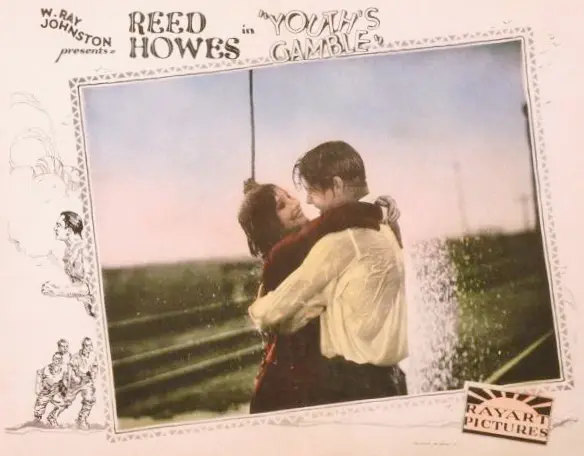
Is Youth's Gamble worth watching today? Short answer: yes, absolutely, but with a specific audience in mind. This silent-era comedy, a delightful concoction of paternal deceit, burgeoning romance, and farcical crime, offers a fascinating glimpse into the narrative creativity of early cinema, proving that a compelling story doesn't need dialogue to resonate.
It's a film for those who appreciate the physical artistry of silent acting, the charm of an uncomplicated plot, and a historical perspective on comedic storytelling. However, if your cinematic palate demands rapid-fire dialogue, complex psychological depth, or modern pacing, Youth's Gamble will likely feel like a quaint, albeit occasionally thrilling, relic.
Let’s get straight to the heart of it. This film works. But it’s flawed. Its strengths lie in its ingenious premise and the sheer energy of its performers, yet it occasionally falters under the weight of its own ambition.
Here’s a quick breakdown:
Youth's Gamble doesn't just present a plot; it presents a social experiment disguised as a narrative. William Ignatius Newton, played with a charmingly oblivious air, is the ultimate trust-fund baby of his era. His father, a millionaire with a pedagogical streak, decides his son needs a dose of reality. The inheritance of a car, a dime, and a valet is a stroke of theatrical genius, setting the stage for William's forced journey into self-reliance.
The introduction of Hazel Dawn, the female detective commissioned to monitor William, elevates the stakes. She's not merely an observer; she becomes an active participant, a silent partner in William’s misadventures. Her role is crucial, anchoring the farcical elements with a touch of grounded competence, and arguably making her the film's most compelling character. Her intelligence and resourcefulness provide a stark contrast to William's initial naivety.
As William attempts to incorporate himself – a surprisingly modern twist for the period – the film introduces its rogues' gallery: the delightfully named Tombstone Reilly and Obituary Blake. These criminals, aware of the elder Newton's continued existence, inject a genuine sense of peril and underhanded dealings into the otherwise lighthearted proceedings. Their attempts to gain control of William's nascent company provide the primary antagonist force, moving the narrative beyond simple coming-of-age tropes.
The aging spinster, driven by her desperate pursuit of a young husband, adds another layer of comedic chaos. While her subplot could have easily felt extraneous, it cleverly intertwines with the corporate battle, creating moments of genuine hilarity and demonstrating the film's ability to juggle multiple comedic threads. It’s a slightly uncomfortable, yet undeniably effective, portrayal of societal pressures on women in that era, played for laughs.
The narrative truly ignites when William discovers his father's elaborate deception. This revelation shifts the dynamic from a passive learning experience to an active quest for agency and vindication. William and Hazel, now united by shared knowledge and a common goal, embark on a series of escalating escapades, culminating in a genuinely thrilling rooftop fight. This climax is a testament to the film's ambition, moving beyond drawing-room comedy into full-blown action-adventure.
Silent cinema demands a particular breed of actor, one capable of conveying complex emotions and driving narrative through sheer physicality and facial expression. Youth's Gamble is a masterclass in this, with its cast delivering performances that are both broad and surprisingly nuanced.
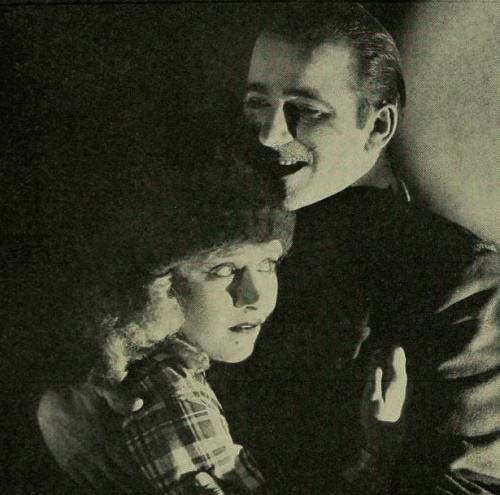
Gale Henry, as Hazel Dawn, is a standout. Her portrayal is a delicate balance of intelligence, wit, and subtle charm. She communicates volumes with a raised eyebrow or a knowing glance, often serving as the audience's surrogate, observing William's antics with a mix of exasperation and affection. Her physical presence is understated but effective, especially in moments where she needs to outmaneuver the more boisterous male characters. In one memorable scene, her quick thinking to divert the criminals with a feigned injury speaks volumes about her character's practical intelligence.
David Kirby, as William Ignatius Newton, perfectly embodies the 'charming but worthless' protagonist. His transformation, from pampered idler to resourceful adventurer, is conveyed through subtle shifts in posture and expression. Initially, his wide-eyed bewilderment at his new circumstances is genuinely amusing. Later, as he gains confidence, his movements become more purposeful, his expressions more determined. He doesn't just act; he reacts, and his reactions are often the source of the film's best comedic moments, such as his priceless expression when he first realizes the meager extent of his 'inheritance'.
The villains, Tombstone Reilly and Obituary Blake, played by William Buckley and James Thompson respectively, are a hoot. Their exaggerated menace and bumbling attempts at corporate espionage are classic silent comedy fare. They lean into the theatricality, with grand gestures and menacing scowls that never quite hide their underlying ineptitude. One particular sequence where they attempt to intimidate William through increasingly absurd physical threats is a highlight, showcasing the comedic timing of the ensemble.
Even the smaller roles, like Margaret Morris's aging spinster, contribute significantly. Her frantic pursuit of a husband, expressed through overly dramatic sighs and desperate advances, is both comical and a little poignant. It's a performance that, while played for laughs, hints at the societal pressures of the time.
Wilfred Lucas's direction of Youth's Gamble is remarkably assured, especially given the technical limitations and burgeoning language of cinema at the time. He understands that in a silent film, every frame, every gesture, and every cut must serve a purpose. The film's visual storytelling is its backbone.
The cinematography, while not groundbreaking by today's standards, is effective. Lucas frequently uses medium shots to capture the full physical comedy of his actors, allowing their body language to carry much of the narrative weight. Close-ups are employed sparingly but powerfully, often to emphasize a character's shock, cunning, or despair, such as Hazel's intense gaze as she pieces together a clue. The use of intertitles is judicious, providing necessary dialogue or exposition without bogging down the visual flow.
The pacing of Youth's Gamble is generally brisk, particularly once William and Hazel embark on their joint adventure. The early setup, while necessary, is the slowest part. However, once the various conflicts are established, Lucas keeps the action moving, building momentum towards the climactic rooftop chase. This sequence, in particular, is a masterclass in silent action, using dynamic camera angles and rapid cutting to create genuine suspense and excitement. It rivals similar sequences in more celebrated silent films, showcasing a surprising level of stunt work and directorial ambition.
The tone is consistently lighthearted, even when dealing with criminals. It's a world where peril is always undercut by a sense of impending absurdity. Lucas manages to maintain this delicate balance, ensuring that the audience is invested in the characters' plight without ever taking the threats too seriously. This tonal consistency is a major strength, allowing the film to shift seamlessly from slapstick to romantic intrigue to action without feeling disjointed.
One unconventional observation is how effectively the film uses its limited sets and locations. The transition from the opulent Newton estate to the grittier urban landscapes, and finally to the dizzying heights of the skyscraper roof, is handled with a simple yet effective sense of scale, giving William's journey a tangible progression.
Yes, you should. Youth's Gamble offers a charming, often hilarious, and surprisingly adventurous escape into early cinema. It's a well-crafted silent comedy with a unique premise and engaging performances. It provides valuable insight into the filmmaking techniques of its era, demonstrating how compelling narratives were built without spoken dialogue. It's an excellent choice for film students, silent film enthusiasts, or anyone curious about the roots of modern storytelling. However, if you typically find silent films slow or struggle with the absence of sound, prepare for a different viewing experience. Its historical value is undeniable, and its entertainment value holds up better than many contemporaries.
For those accustomed to the rapid-fire editing and complex soundscapes of contemporary cinema, a silent film like Youth's Gamble requires a different kind of engagement. You must be willing to lean into the visual language, to interpret the exaggerated expressions and physical comedy, and to appreciate the artistry of storytelling through movement and intertitles. It's an active viewing experience, not a passive one.
Compared to other silent comedies of its time, such as The Slim Princess (1920) or even the more dramatic Integritas, Youth's Gamble stands out for its intricate plot and the clever integration of its various subplots. It’s more than just a series of gags; it’s a cohesive, character-driven adventure, albeit with a comedic lens.
The film’s portrayal of a young man coming to terms with responsibility, albeit under duress, still resonates. The themes of wealth, privilege, and the true meaning of character are timeless. While the specific social context is dated, the core human experience remains relatable. It's a film that reminds us that even a 'worthless' individual can find purpose when pushed to their limits.
Youth's Gamble is more than just a curiosity; it’s a surprisingly robust and entertaining silent film that holds up remarkably well a century later. It doesn't just rely on slapstick; it builds a genuine narrative that is both humorous and, at times, genuinely thrilling. While it demands a certain patience and an appreciation for its historical context, the rewards are considerable. Gale Henry's Hazel Dawn is a revelation, a strong female character who is both intelligent and charming, easily stealing scenes from her male counterparts. The film’s climax on the rooftop is a testament to the ambition of early filmmakers, delivering a sequence that would not feel out of place in a modern action-comedy.
This is a film that deserves to be rediscovered, not just for its historical significance, but for its sheer entertainment value. It's a clever, well-executed piece of cinematic history that proves ingenuity knows no linguistic bounds. Give it a chance, and you might just find yourself charmed by William's absurd journey and Hazel's understated heroism. It’s a gamble, perhaps, but one well worth taking.
IMDb 5.6
1933
Community
Log in to comment.