DbcultAccessing Vault...
5.9/10
Senior Film Conservator
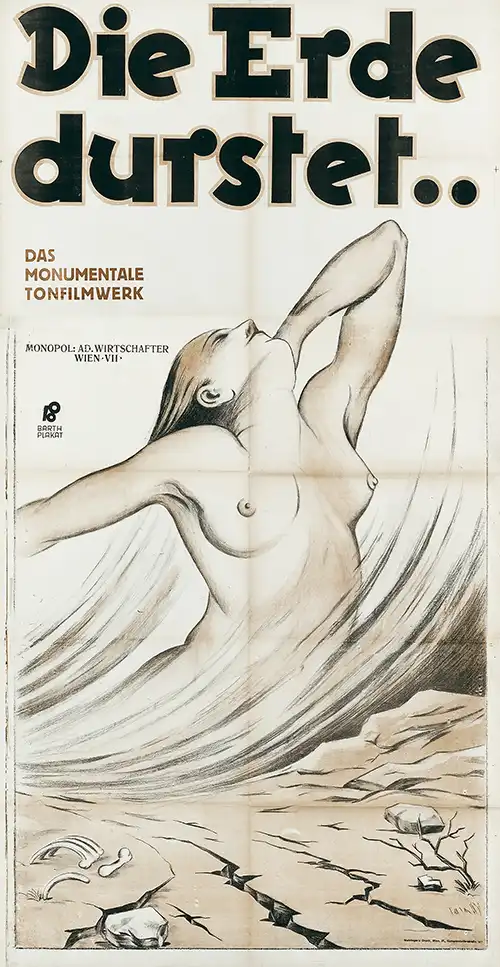
A definitive 5.9/10 rating for a film that redefined the boundaries of cult cinema. Zemlya zhazhdet remains a cornerstone of transgressive art.
If you like looking at beautiful, grainy shots of sand dunes for an hour, then yes. This is a movie for people who appreciate silent cinema and don't mind a bit of old-school propaganda.
You will probably hate it if you need a lot of dialogue or a plot that moves faster than a turtle. It is a very slow experience. 🏜️
The movie is called Zemlya zhazhdet, which means 'The Earth Thirsts.' It really lives up to that name.
I found myself reaching for my water bottle about fifteen minutes in. The heat in this movie feels very real, even though it was filmed almost a hundred years ago.
The story follows some students who go to the desert to build a canal. They want to bring water to people who have lived in the dust forever.
It sounds like a boring government training video, but it doesn't feel like one. The director focuses so much on the faces of the people.
I. Aksyonov plays one of the leads, and he has this very intense way of looking at the horizon. You can tell he is thinking about water constantly.
The desert itself is the biggest character in the film. The way the wind moves the sand across the ridges is honestly better than most CGI today.
There is a scene where the wind is just howling and the characters are trying to walk through it. You can almost feel the grit in your own eyes.
I noticed a small detail where a man is trying to pour a tiny bit of water and his hands are shaking. It was a very small moment but it stuck with me.
The movie reminds me a little bit of the dry landscapes in The Parson of Panamint. Both films make the environment feel like a monster that is trying to eat the characters.
Sometimes the editing is a bit jumpy. I think some of the film might have been lost or just roughly put back together over the years.
There are these long shots of the desert that go on for a while. Usually, I would get bored, but the light is so interesting.
The shadows on the dunes look like black ink. It is very stark and beautiful in a way that modern movies rarely are.
I liked Kira Andronikashvili in this, even though she doesn't have a ton to do. Her presence adds a bit of humanity to all the talk of engineering and dirt.
The film is very much about the 'new world' fighting the 'old world.' The local people are skeptical of the students and their big pipes.
It is a classic Soviet theme, similar to what you might see in Giuli. There is always that tension between tradition and progress.
One guy in the village has this incredible beard that looks like it hasn't seen water in decades. He looks like he is made of wood.
I did get a bit confused about who was who among the students. They all kind of wear the same hats and look very dusty.
There is a scene where they finally find a source of water and the music (if you have a scored version) gets really loud. It feels like a massive victory, even though it is just a puddle.
It made me think about how we take our sinks and showers for granted. These people are literally fighting for a cup of brown liquid.
The pacing is definitely uneven. Some parts feel like they are moving in slow motion, and then suddenly everything happens at once.
It isn't a polished masterpiece like some other silents from that era. It feels a bit more raw and unfinished, which I actually liked.
It feels like someone just took a camera out into the middle of nowhere and started filming. There is a lot of dust on the lens sometimes.
I wonder how many cameras they ruined making this. The sand gets into everything.
If you have seen Dangerous Waters, you know how much a movie can rely on just one element like water. This is the opposite—it is the lack of it that drives everything.
The ending is a bit predictable because it is a propaganda film. You know they are probably going to get the water eventually.
But the journey there is so visually interesting that I didn't really care about the ending. I just liked being in that world for a bit.
There is a weird shot of a camel that lingers for too long. It is just staring at the camera like it knows a secret.
I laughed a little bit because the camel looked so bored while the humans were dying of thirst. Animals in old movies are always so unbothered.
The title cards are simple and don't get in the way. They mostly just say things like 'The sun is hot' or 'We need to dig.'
It is much more relaxing than something like New York Nights which is all noise and city energy. This is just the sound of wind (in your head, anyway).
I would recommend watching this on a big screen if you can. Or at least in the dark so you can see the textures of the sand.
It is a short movie, which is good. If it were two hours long, I think I would have turned into a raisin.
Overall, it is a cool piece of history. It shows a part of the world that most of us will never go to.
The struggle feels honest. Even if the politics are outdated, the feeling of being thirsty is universal.
I'm glad I watched it, but I don't think I'll watch it again for a long time. It is a bit of a heavy lift emotionally.
Just make sure you have a glass of water nearby. You are going to need it by the middle of the second act. 💧
Also, the way they handle the shovels is very specific. You can tell these actors actually spent some time digging in the heat.
No one looks 'movie pretty.' They look sweaty and tired and miserable.
That is the best part of these old films. They didn't have hair and makeup trailers in the middle of the Kara-Kum desert.
It is real cinema. Even when it is trying to sell you an idea, it feels real.

IMDb 6.5
1936
Community
Log in to comment.