DbcultAccessing Vault...
6.8/10
Senior Film Conservator
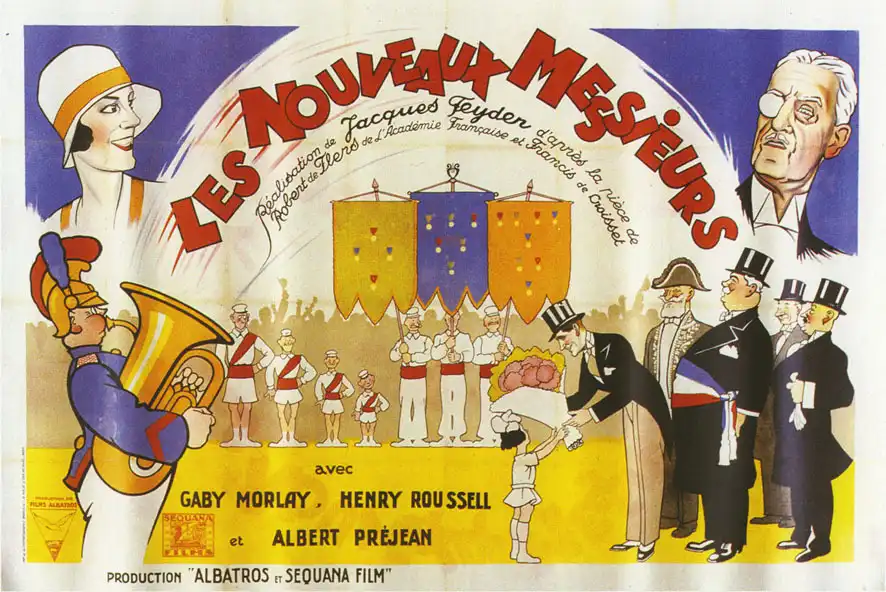
A definitive 6.8/10 rating for a film that redefined the boundaries of cult cinema. Les nouveaux messieurs remains a cornerstone of transgressive art.
Okay, so Les nouveaux messieurs? If you're into silent films that aren't afraid to poke fun at power while still telling a genuinely sweet, if a little naive, love story, then yeah, this one’s definitely worth digging up today. It’s a charming 1928 French flick that swings between light comedy and a bit of romantic drama. Folks who like their movies fast-paced and full of snappy dialogue might find the *slower rhythm* a bit of a stretch. But if you've got a soft spot for classic cinema and don't mind reading a few intertitles, you’ll probably enjoy the ride. It’s a good one for a quiet Sunday afternoon. 🎬
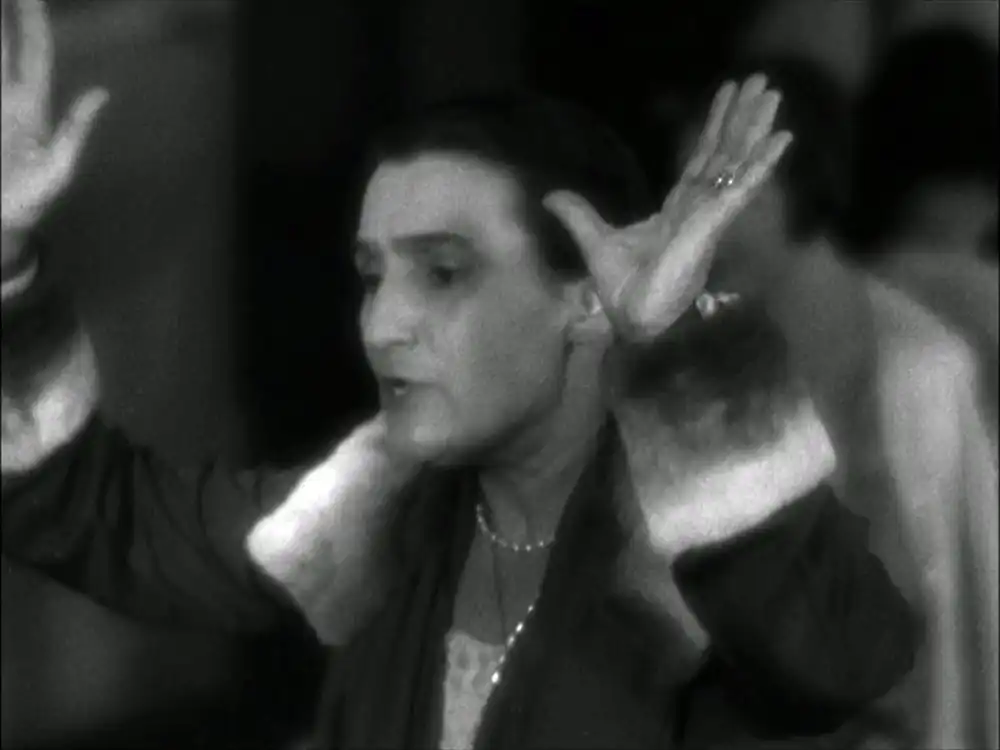
Albert Préjean as the electrician, Georges, he’s got this earnest quality about him. You really buy into his infatuation with Suzy, the dancer, right from the start. You see it in the way he just *stares* at her during rehearsals, completely lost, even when he’s supposed to be pulling levers.
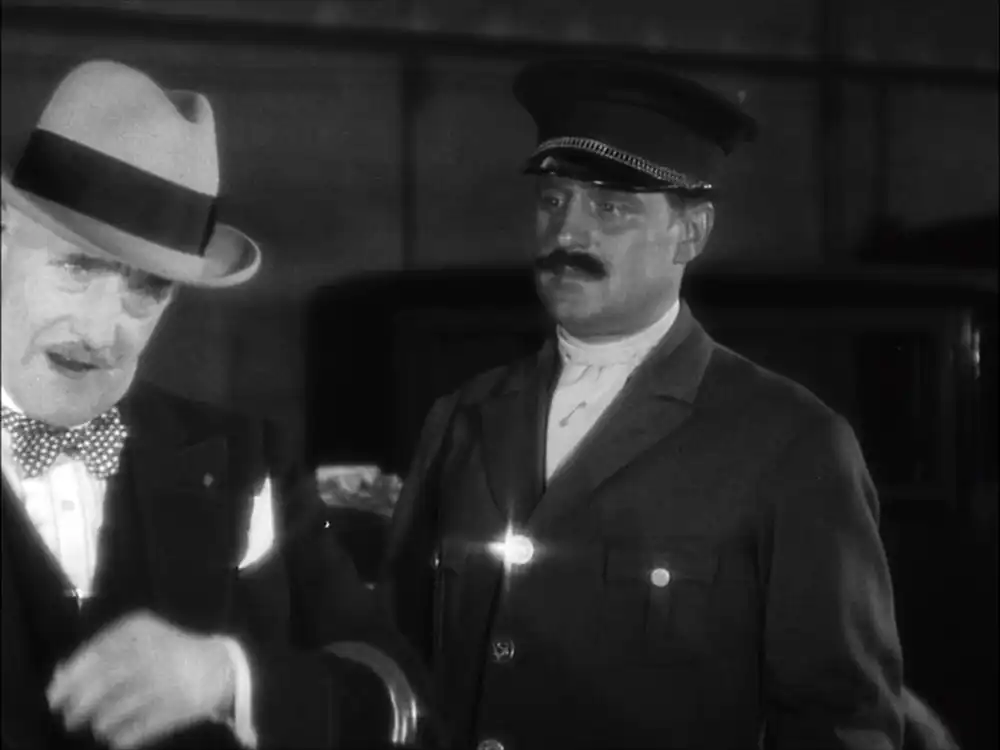
Gaby Morlay’s Suzy, she’s wonderful. Not just some passive love interest, you know? There’s a scene where she’s practicing, and you can almost feel the *effort* in her movements, the sheer dedication to her craft. Then, later, when Georges is all caught up in politics, her expressions often speak volumes about her confusion and, well, a little bit of exasperation with his new world.
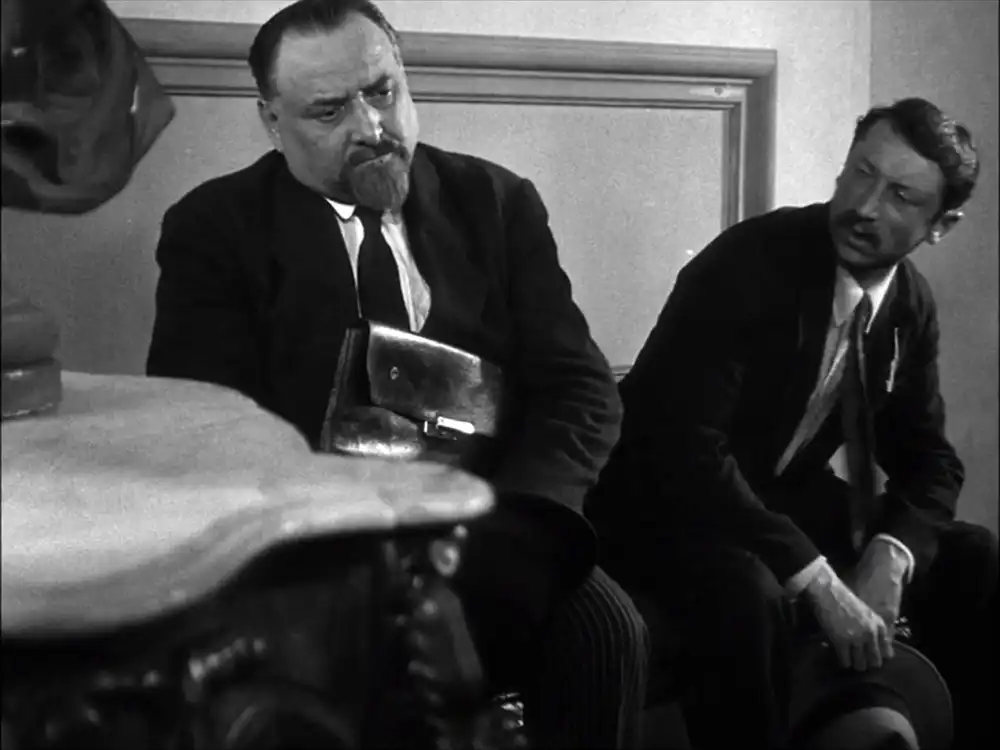
The contrast between the backstage world of the theater and the grand halls of parliament is really well done. One minute it’s all dust and stagehands, the next it’s marble and stern-faced politicians. It’s almost like two different movies glued together, but it works to show George’s journey, how he moves from one reality to another.
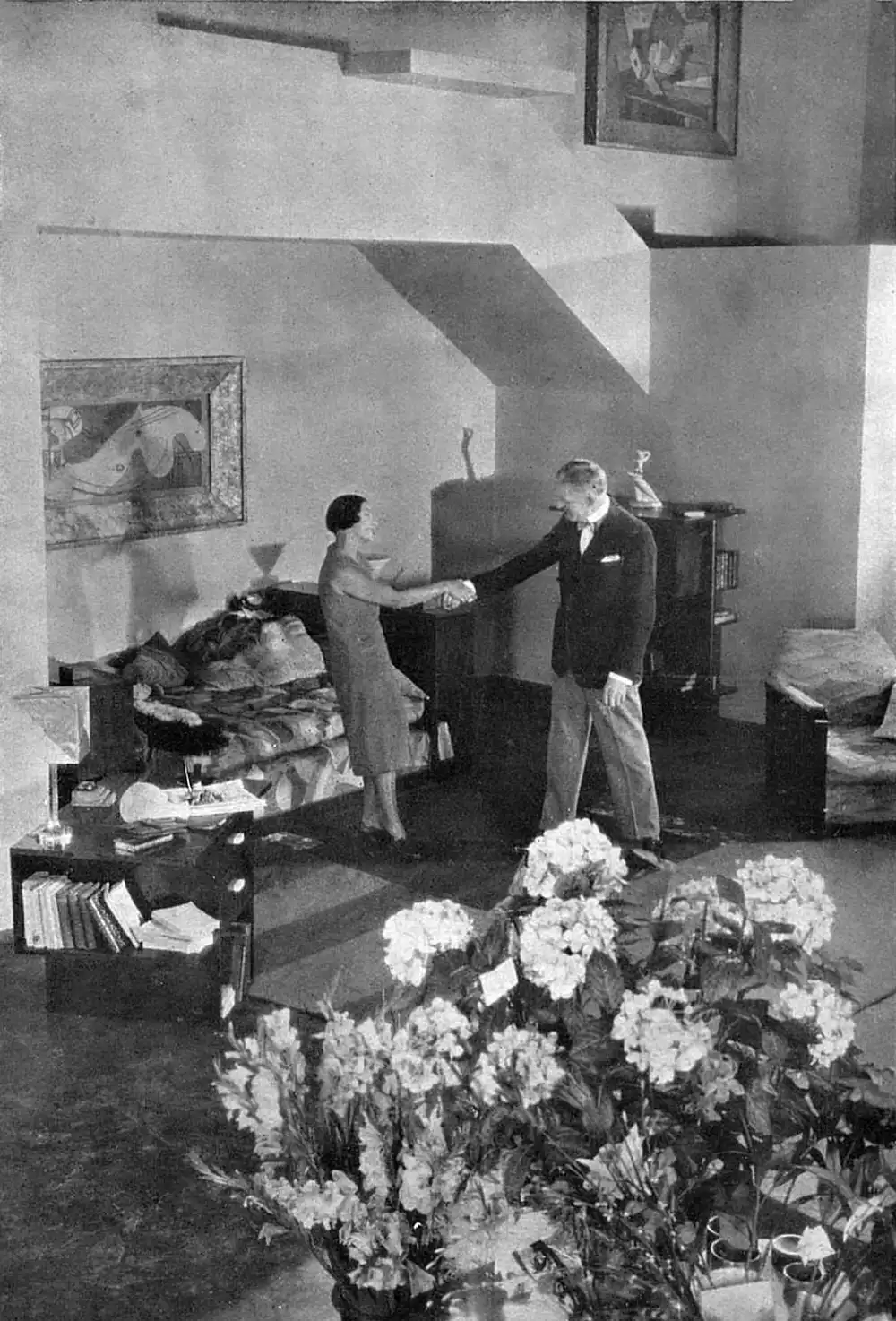
There’s this moment when Georges first gets elected, and he’s just *beaming*. So full of hope, so sure of himself. And then you watch him slowly get swallowed by the political machine, and that initial spark dims. It’s not a sudden change, more of a slow fade, which feels pretty real, I think.
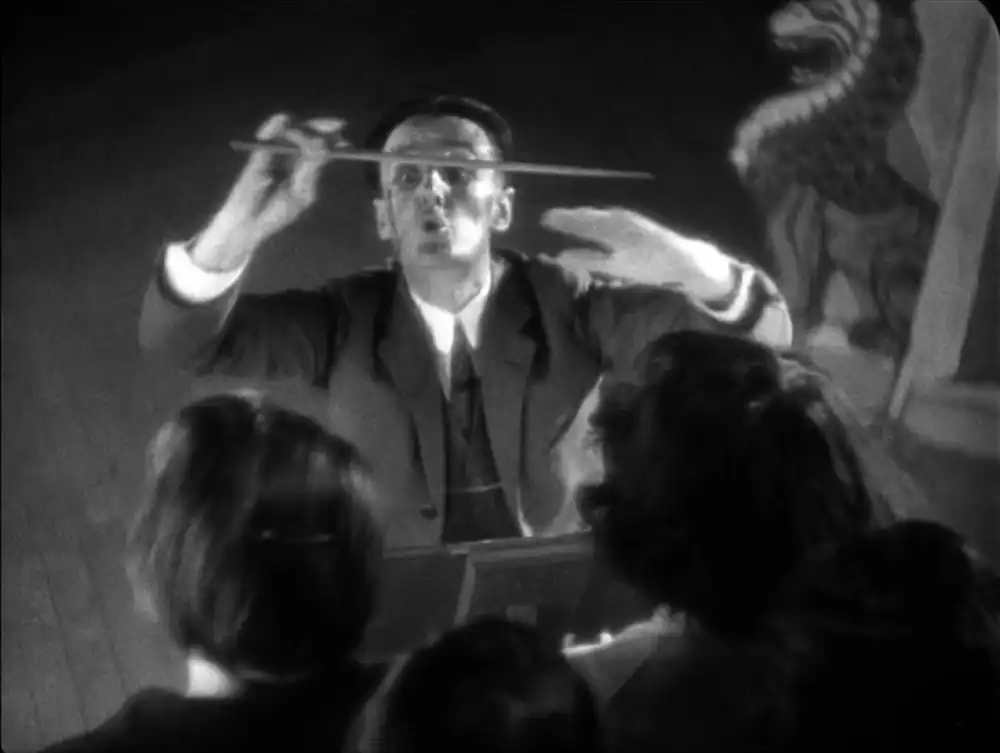
The political satire is surprisingly sharp for its time, truly. They don't shy away from making the politicians look a bit silly, self-important, and out of touch. There’s a scene in a debate where everyone is just gesticulating wildly, and it’s quite funny, almost a caricature of real-world politics.
You can tell Jacques Feyder had a real knack for directing actors. Even without dialogue, the emotions are crystal clear. Préjean’s frustration when he can’t get through to Suzy about his political ideals is palpable. And Suzy’s own struggle between her career and his new demands… it’s all *right there* on their faces, without a single spoken word.
One thing that stuck with me: the way the crowd scenes in the political rallies are shot. They feel *energized*, even a bit chaotic, which really sells the excitement and fervor around Georges’ rise. It’s a nice touch that adds a lot of life to those moments.
There’s a sequence where Georges is trying to impress Suzy with his new political clout, and it just backfires spectacularly. His heart’s in the right place, maybe, but he’s just so clumsy about it. It makes you cringe a little, but also root for him to figure things out.
Sometimes the intertitles linger a tad too long, making you wonder if you missed a subtle gesture or some small action. But then, you just move on. It’s part of the charm, I guess, part of the rhythm of watching an older film. It doesn't break the experience.
The ending isn't some neat little bow tied up perfectly. It feels a bit… messy, in a good way. It leaves you thinking about whether love can really survive such different ambitions, especially when one person’s world changes so dramatically. Or if it even should, sometimes.
IMDb —
1920
Community
Log in to comment.