DbcultAccessing Vault...
7/10
Senior Film Conservator
A definitive 7/10 rating for a film that redefined the boundaries of cult cinema. Zigano remains a cornerstone of transgressive art.
Does Zigano hold up as a piece of entertainment in the modern age? Short answer: No, unless you are a dedicated scholar of the 'Sensationsfilm' or a Harry Piel completist. This is a film that prioritizes the kinetic over the cerebral, offering a window into a very specific era of German populist cinema that has largely been overshadowed by the high-art Expressionism of the same period.
This film is for the archival enthusiast who finds beauty in the mechanics of early stunt work and the evolution of the action hero. It is absolutely not for the casual viewer seeking a cohesive, emotionally resonant narrative or the visual sophistication found in contemporaries like The Four Horsemen of the Apocalypse.
1) This film works because: Harry Piel’s physical magnetism and the sheer audacity of the practical stunts provide a raw energy that transcends the limitations of the silent medium.
2) This film fails because: Henrik Galeen’s script feels like a collection of disjointed set-pieces rather than a unified story, leading to a jarring experience for anyone accustomed to modern pacing.
3) You should watch it if: You want to see the direct DNA of the modern blockbuster and understand how the 'Iron Man' of German cinema paved the way for the action stars of today.
Harry Piel was a phenomenon. Long before Tom Cruise was hanging off the side of airplanes, Piel was the undisputed king of the 'Sensationsfilm'—a genre built entirely on the back of death-defying feats. In Zigano, his presence is the gravity that holds the film together. While his acting range might be described as 'functional' at best, his physical commitment is undeniable.
Take, for instance, the sequence involving the rooftop escape. In an era where safety standards were essentially non-existent, Piel moves with a fluidity that makes the danger feel immediate. It’s not just about the stunt; it’s about the confidence he radiates. He isn't playing a character so much as he is playing an archetype of masculine capability.
However, this reliance on Piel's physicality creates a vacuum where the emotional stakes should be. We don't care about Zigano because of his inner life; we care because we want to see if he survives the next reel. It’s a shallow hook, but for 1925, it was revolutionary. It lacks the grit of Assunta Spina, but it replaces that realism with pure, unadulterated spectacle.
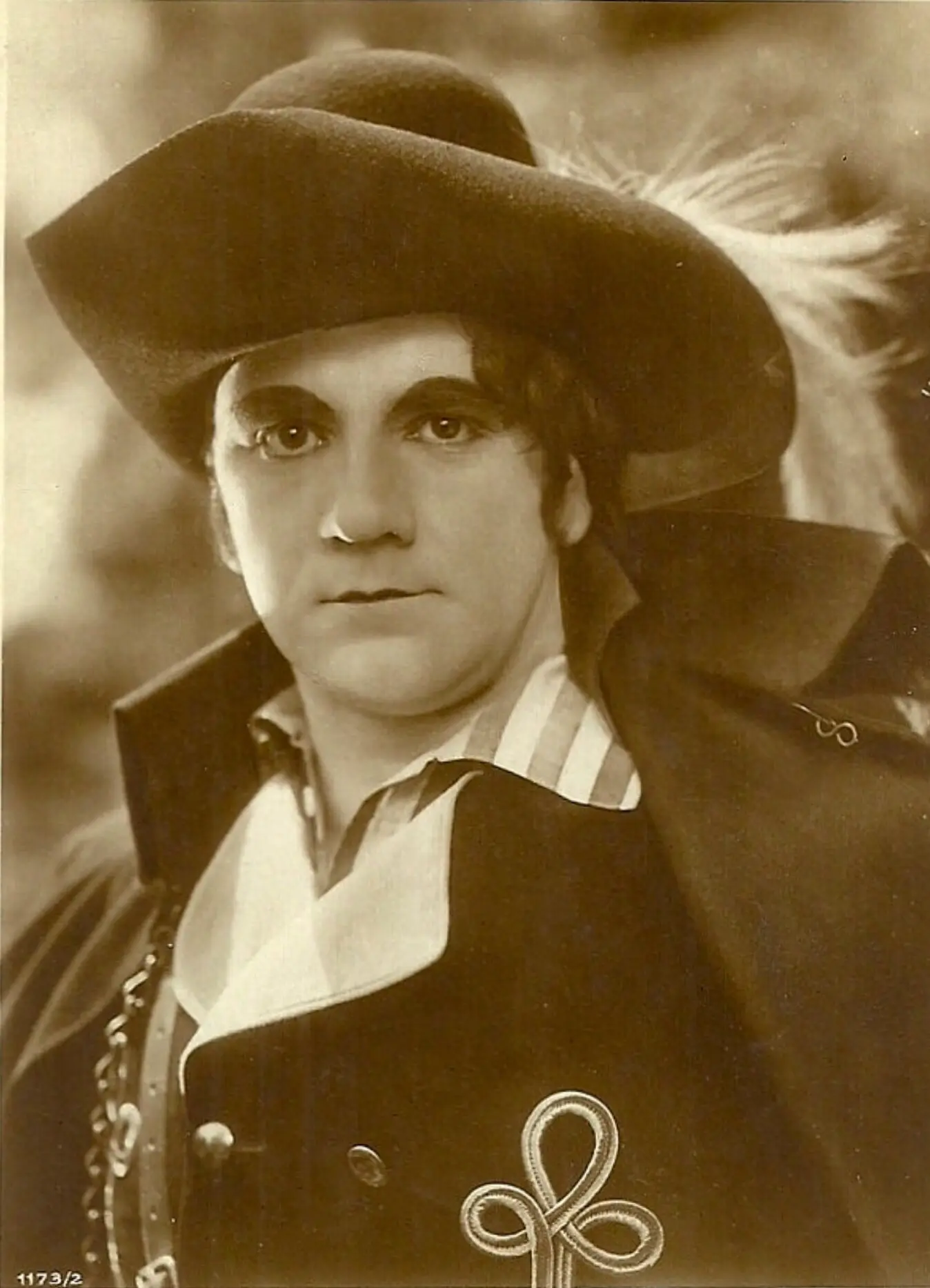
The most fascinating aspect of Zigano is the presence of Henrik Galeen in the writing credits. Galeen is the man behind the shadows of Nosferatu and The Golem. One might expect a certain level of gothic depth or psychological complexity. Instead, we get a script that feels like Galeen was trying to write with one hand tied behind his back while Piel shouted instructions about explosions.
The plot is a labyrinth of convenience. Characters appear and disappear with little motivation beyond the need to trigger the next chase. There is a discernible struggle between Galeen’s desire for atmospheric storytelling and the commercial requirement for constant motion. This tension is never quite resolved, leaving the film in a state of narrative limbo.
Unlike the more focused drama of Freie Liebe, Zigano refuses to sit still long enough to explore its own themes. It is a film of 'and then' rather than 'therefore.' This makes it a difficult watch for those who value tight screenwriting. It works. But it’s flawed. The script is the weakest link in a chain made of iron and sweat.
Visually, Zigano is a mixed bag. There are moments where the lighting hints at the burgeoning Expressionist movement—sharp shadows in the hallways of the aristocratic estates, a certain gloominess in the tavern scenes. But these are fleeting. For the most part, the camera is a passive observer of Piel’s antics.
The framing is often wide to ensure the audience sees the full scale of the stunts. This is practical, but it robs the film of intimacy. We are rarely allowed to see the sweat on the actors' brows or the fear in their eyes. Everything is performed for the back row of the theater. It’s a theatrical approach to cinema that feels dated compared to the more intimate character studies like Chickie.
One specific scene involving a carriage chase through the countryside stands out. The use of natural light and the integration of the landscape show a budding understanding of how to use the environment as a character. It’s not quite the mastery seen in Exile, but it’s a step above the stage-bound productions of the early 1920s.
Is Zigano worth watching for a modern audience?
Only if you are interested in the history of action cinema. For the average viewer, the lack of emotional resonance and the episodic nature of the plot will be a barrier. However, for those who appreciate the evolution of film technique, Zigano offers a rare look at the commercial 'popcorn' movies of the Weimar Republic. It is a loud, brash, and physically impressive artifact that proves the desire for spectacle is as old as the medium itself.
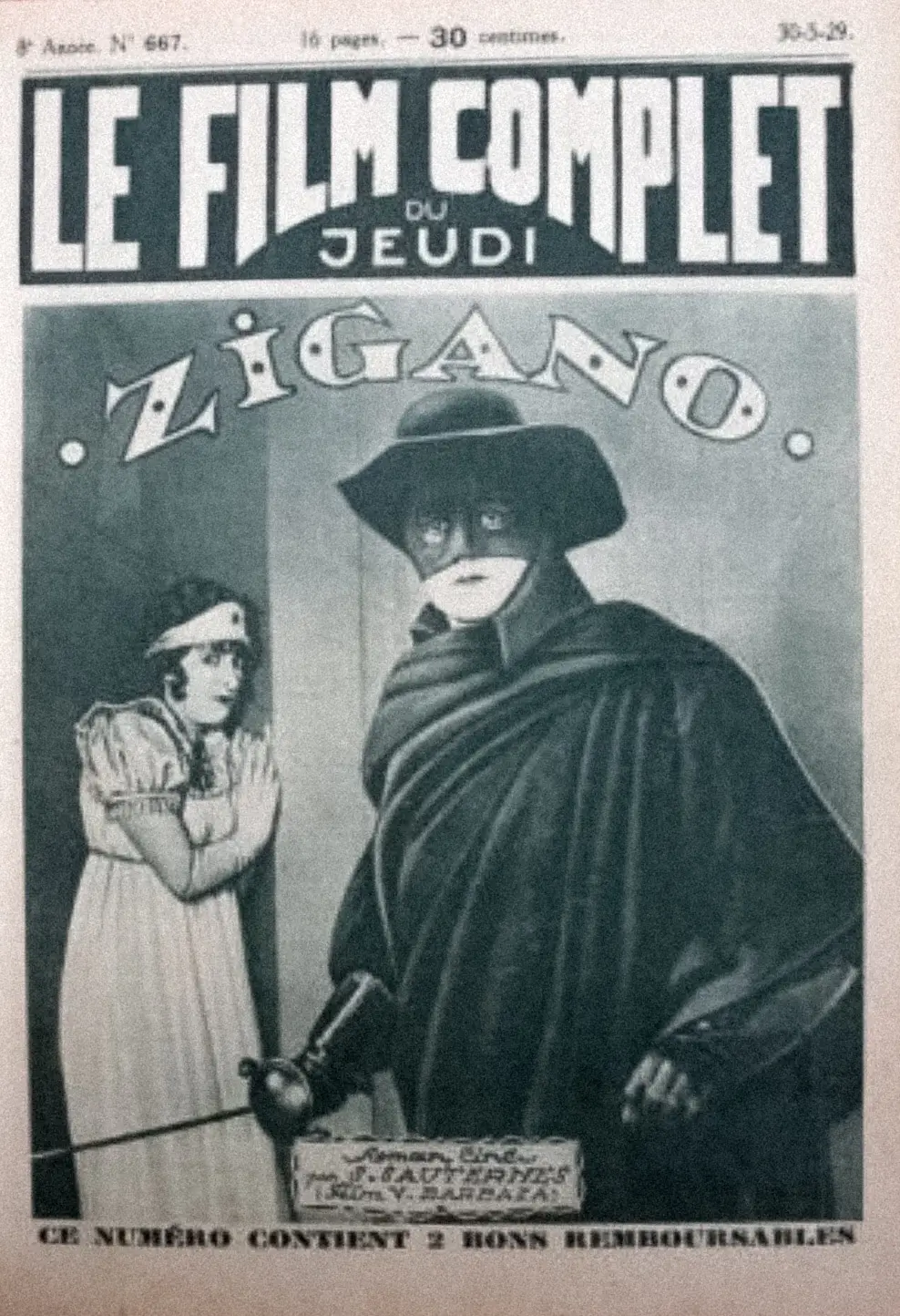
Pros:
- Energetic performances from the lead cast.
- Genuine historical value as a 'Sensationsfilm'.
- High production values for its time, especially in location shooting.
- Fascinating collaboration between Galeen and Piel.
Cons:
- Pacing is uneven, with long stretches of exposition leading to sudden bursts of action.
- Characters are thin and lack meaningful motivation.
- The film lacks the visual artistry of contemporary German masterpieces.
- Some sequences feel repetitive and overlong.
While Piel is the star, the supporting cast includes names like Dary Holm and Raimondo Van Riel. Holm, in particular, brings a much-needed softness to the film, though her role is largely relegated to that of the damsel or the romantic interest. It’s a waste of her talent, which was better utilized in films like The Sporting Venus.
Raimondo Van Riel provides a solid foil to Piel, playing the villainy with a restrained menace that contrasts well with Piel's exuberant heroism. However, the film never allows their conflict to become anything more than a physical obstacle. There is no ideological battle here, only a race to the finish line. It makes the stakes feel lower than they should be.
Even Henrik Galeen himself appears in the cast, a meta-touch that suggests the production was a tight-knit affair. One wonders if Galeen’s presence on set was more about damage control than artistic expression. The film feels like a compromise between two very different worlds of cinema.
Zigano is a loud, clattering engine of a movie. It doesn't have much of a soul, but it has plenty of heart—the kind of heart that beats fast during a cliffhanger. It is a testament to the power of the movie star as a concept. People didn't go to see Zigano; they went to see Harry Piel. In that regard, the film is a total success.
As a piece of narrative art, it falls short. It is a collection of moments rather than a story. It is a relic of a time when the mere sight of a man jumping from a moving train was enough to justify the price of admission. If you can watch it through that lens, you might find something to enjoy. If you expect more, you will be disappointed. It’s a fascinating failure, but a failure nonetheless. It is pulp, pure and simple.
"Zigano is the cinematic equivalent of a circus act—thrilling in the moment, but forgotten the second the lights come up."
Final thought: If you've already seen Alone in London or Shattered Idols and are looking for something with more 'kick,' Zigano is your next stop. Just don't expect it to stay with you once the credits roll.
IMDb 4.7
1937
Community
Log in to comment.