DbcultAccessing Vault...
7.3/10
Senior Film Conservator

A definitive 7.3/10 rating for a film that redefined the boundaries of cult cinema. The Immigrant remains a cornerstone of transgressive art.
In the annals of early cinema, where flickering shadows and grand gestures conveyed narratives of profound human experience, there exists a particular gem that, despite its age, resonates with an astonishing immediacy. The Immigrant, a 1915 silent drama, is far more than a historical artifact; it's a vibrant tapestry woven with threads of hope, exploitation, moral compromise, and ultimately, the redemptive power of genuine connection. Directed by George Melford and penned by the insightful Marion Fairfax, this film plunges us into the tumultuous journey of Masha, a Russian émigrée whose quest for a new life in America becomes a crucible of character, testing her resilience against the machinations of powerful men and the unpredictable currents of fate. It’s a narrative that speaks volumes without uttering a single word, relying instead on the expressive power of its actors and the evocative visual storytelling characteristic of its era. This isn't just a movie review; it's an invitation to explore the enduring pulse of a story that remains as relevant today as it was over a century ago.

Masha's tale begins not on the terra firma of her ancestral homeland, but amidst the churning expanse of the Atlantic, a literal and metaphorical ocean separating her past from a future fraught with both promise and peril. Her vulnerability as a young, unchaperoned woman navigating the choppy waters of immigration quickly becomes apparent, highlighted by the predatory advances of an unscrupulous officer. It’s here that the narrative introduces David Harding, a civil engineer whose quiet integrity stands in stark contrast to the lecherous official. His timely intervention is not merely a plot device; it's the first ripple in a wave of destiny that will inextricably link their lives. Upon disembarking onto American soil, Masha finds herself in a land that, while ostensibly offering freedom, also presents a new set of challenges and dangers. The bustling docks, the cacophony of a foreign tongue, the sheer immensity of a new world – all contribute to an overwhelming sense of displacement. This initial sequence powerfully establishes the precariousness of the immigrant experience, showcasing how quickly aspiration can collide with the harsh realities of a new social hierarchy. Masha, portrayed with nuanced fragility and burgeoning strength by Valeska Suratt, embodies the universal longing for belonging and the desperate struggle for self-preservation in an alien environment. The film, even in its silent grandeur, captures the palpable anxiety and hope that defined countless journeys to America's shores, laying the groundwork for the moral quandaries that lie ahead.
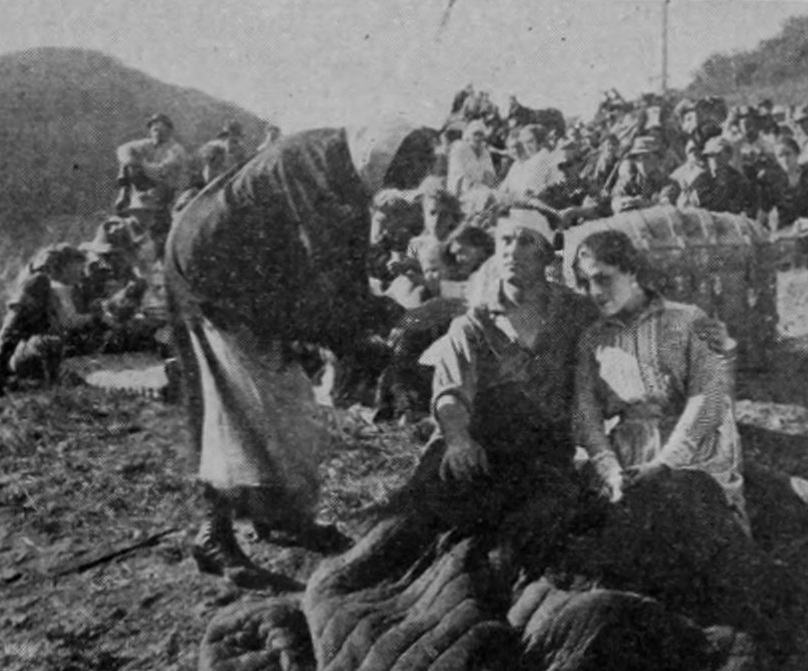
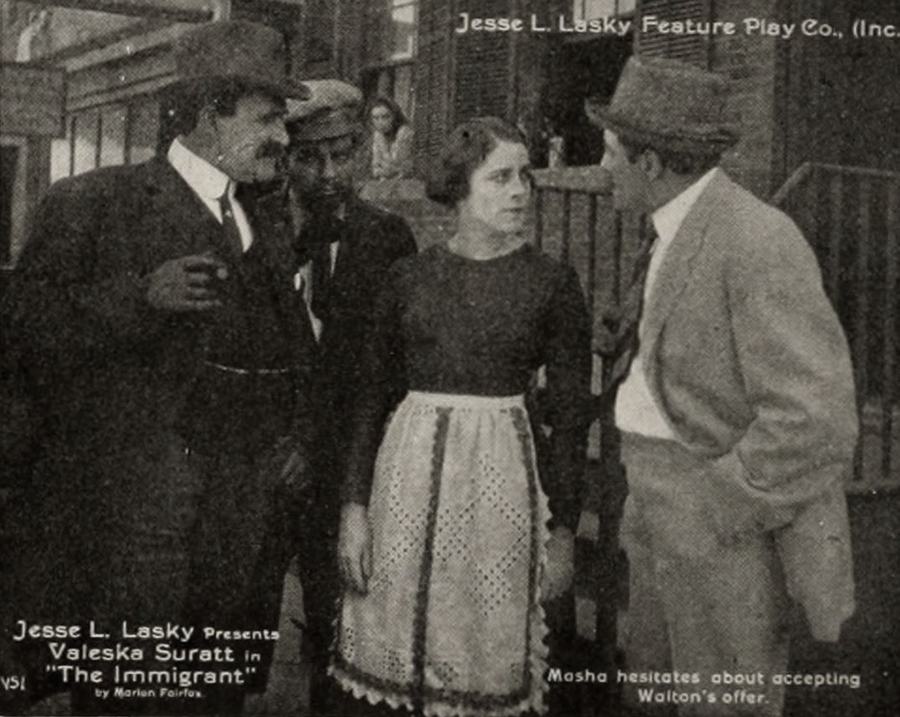
No sooner has Masha set foot in her promised land than she encounters J. J. Walton, a character who perfectly encapsulates the darker side of the American dream. Walton, brought to life with imposing gravitas by Theodore Roberts, is a self-made political boss and contractor, a man whose success is built on a foundation of ruthless ambition and an unyielding will to power. He is a predator in a tailored suit, his charm a thin veneer over a core of calculating self-interest. Spotting Masha's vulnerability, he swiftly moves to incorporate her into his orbit, initially as a maid. This transactional relationship, however, quickly morphs into something far more insidious. Walton, sensing Masha's yearning for stability and advancement, dangles the tantalizing bait of education and, crucially, marriage. These promises, hollow though they may be, represent an irresistible lifeline for Masha, pulling her into the perilous role of his mistress. It's a classic tale of exploitation, where power dynamics are starkly drawn, and the line between patronage and possession blurs. Walton views Masha not as an individual with agency, but as an acquisition, a symbol of his control and status. His character serves as a potent critique of unchecked industrial and political power, revealing how easily the dreams of the vulnerable can be co-opted and corrupted by those at the top. His actions set in motion a chain of events that will ultimately lead to a dramatic and destructive climax, underscoring the film's exploration of moral accountability.
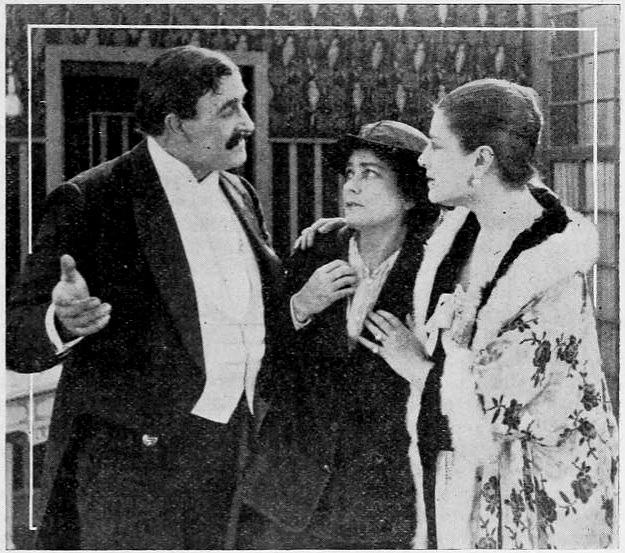
In stark opposition to Walton's Machiavellian machinations stands David Harding, portrayed by Thomas Meighan with an understated nobility. David is the film's moral compass, a man whose principles are as solid as the structures he designs. His initial act of chivalry towards Masha on the ship establishes him as a beacon of decency in a world that often seems devoid of it. As a civil engineer, he represents progress and ethical construction, a stark contrast to Walton's more mercenary approach to building and power. Their professional rivalry, which culminates in a high-stakes bidding war for an Arizona dam project, is more than just a business dispute; it's a clash of ideologies. David's victory, born of honest work and superior planning, is a triumph of integrity over influence. Yet, this very triumph inadvertently ignites Walton's vengeful fury, propelling the narrative towards its dramatic crescendo. David's character is crucial for the film's thematic balance, offering a vision of American success built on merit and morality, rather than exploitation and corruption. His steadfastness provides a quiet counterpoint to the volatile ambition of Walton and the desperate vulnerability of Masha, anchoring the film's exploration of human nature's extremes. He is the quiet hero, whose strength lies not in bombast, but in an unwavering commitment to his craft and his conscience.
The core of The Immigrant's dramatic tension resides in the intricate, morally ambiguous relationships between Masha, David, and Walton. Masha finds herself caught in a perilous emotional and societal triangle, her choices often dictated by circumstance rather than genuine desire. Her initial rejection of Walton's domestic offer, followed by her eventual capitulation to his promises of education and marriage, highlights the desperate measures one might take for security and upward mobility in a new land. Is she a victim, a survivor, or something more complex? The film allows for this ambiguity, portraying her as a woman navigating an impossible situation. Walton's possessive grip on Masha is a clear manifestation of his desire to control, extending his power from the political arena into the personal. Meanwhile, David's quiet admiration for Masha simmers beneath the surface, a pure affection untainted by ulterior motives. This love triangle is not merely a romantic entanglement; it is a microcosm of the larger societal struggles depicted in the film. It explores the moral compromises individuals are forced to make, the insidious nature of power, and the profound human need for genuine connection amidst a landscape of calculated self-interest. The emotional stakes are incredibly high, driving the narrative forward with an almost unbearable tension as the audience anticipates the inevitable collision of these disparate lives.
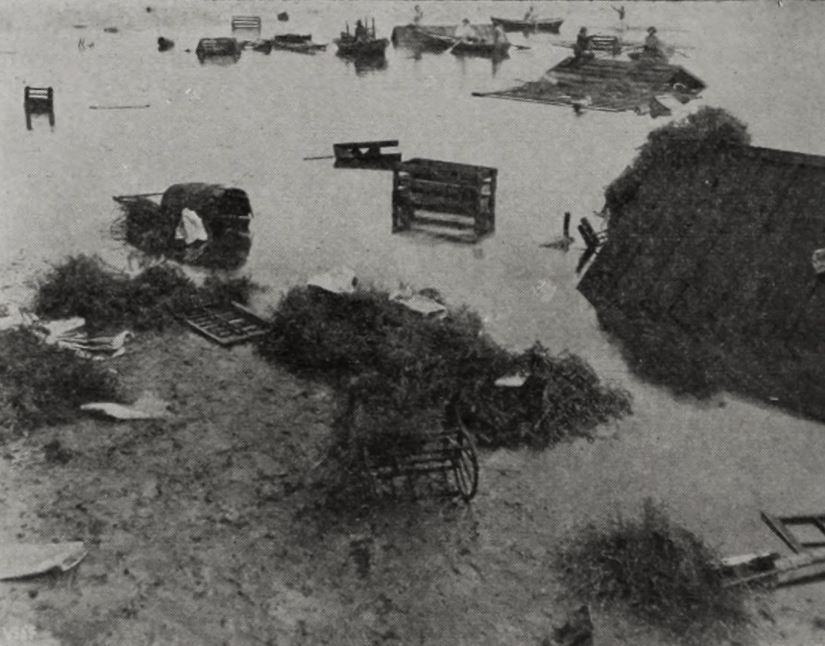
The narrative of The Immigrant hurtles towards a truly spectacular and devastating climax with the Arizona dam project. David Harding's triumph in securing the contract, a testament to his engineering prowess and ethical approach, becomes the ultimate affront to Walton's inflated ego. Consumed by a vindictive rage, Walton orchestrates a catastrophic act of sabotage, dynamiting the colossal dam with the intent of utterly ruining David's career and reputation. In a twisted act of manipulation, he compels Masha to distract David, making her an unwitting accomplice in his destructive scheme. The ensuing flood is a masterclass in silent film spectacle, a terrifying torrent of water that symbolizes the unleashed chaos of Walton's unchecked ambition. The visual effects, impressive for their time, convey a palpable sense of danger and overwhelming force. Amidst this man-made deluge, poetic justice is served. Walton, scrambling desperately for refuge from the very destruction he wrought, is ultimately consumed by the floodwaters, a dramatic and fitting end for a man who sought to control and destroy. Masha and David, however, emerge from the chaos, survivors of both natural disaster and human malevolence. Their shared ordeal strips away all artifice, culminating in a raw, unadulterated confession of their mutual love. The destruction of the dam, while tragic, also acts as a cleansing force, washing away the corruption and deceit that had plagued their lives, paving the way for a future built on honesty and genuine affection.
In an era before synchronized sound, the power of a film rested almost entirely on the shoulders of its performers to convey emotion, intent, and character through physicality and facial expression. The cast of The Immigrant rises magnificently to this challenge. Valeska Suratt, as Masha, delivers a performance that oscillates between fragile vulnerability and nascent resilience. Her eyes, her posture, and her subtle gestures eloquently communicate the weight of her predicament, the desperation for security, and the dawning realization of genuine affection. She avoids caricature, presenting a complex woman caught in a web of circumstances. Theodore Roberts, as the formidable J. J. Walton, is a force of nature. His portrayal of the political boss is chillingly effective, exuding a menacing charisma that makes his manipulative actions all the more believable. Roberts commands the screen with a presence that speaks of unchecked power and ruthless ambition, making him a truly memorable antagonist. Thomas Meighan, as David Harding, provides the film's quiet strength. His performance is understated yet powerful, conveying integrity and a deep capacity for love without resorting to histrionics. The supporting cast, including Ernest Joy, Hal Clements, Raymond Hatton, Gertrude Kellar, Bob Fleming, Jane Wolfe, and Mrs. Lewis McCord, contribute to the rich tapestry of characters, each fulfilling their role in propelling the intricate plot. The effectiveness of these silent performances underscores the universal language of human emotion, proving that a well-crafted gesture or a poignant gaze can transcend the need for spoken dialogue, forging a powerful connection with the audience that endures through the ages.
While George Melford directed, the narrative brilliance of The Immigrant largely stems from the pen of Marion Fairfax. A prominent screenwriter of the era, Fairfax possessed a remarkable ability to craft intricate plots brimming with social commentary and psychological depth. Her screenplay for The Immigrant is a testament to her skill, weaving together themes of immigration, social mobility, political corruption, and romantic entanglement with masterful precision. The story unfolds with a compelling rhythm, building tension incrementally, from the personal struggles of Masha to the grand-scale industrial conflict between David and Walton. Fairfax's writing avoids simplistic morality, instead presenting characters with believable motivations and flaws, even Walton, whose ambition, though destructive, stems from a recognizable drive for power. The intertitles, crucial conduits of information and emotion in silent films, are used judiciously, complementing the visual storytelling rather than merely narrating it. Her narrative structure, culminating in the spectacular and symbolically charged dam explosion, ensures that the film leaves a lasting impact. Fairfax's contribution highlights the often-underestimated role of screenwriters in the silent era, demonstrating how a well-conceived script could elevate a film from mere entertainment to a profound social and dramatic statement. The enduring relevance of the film's themes is a direct reflection of her insightful and prescient storytelling.
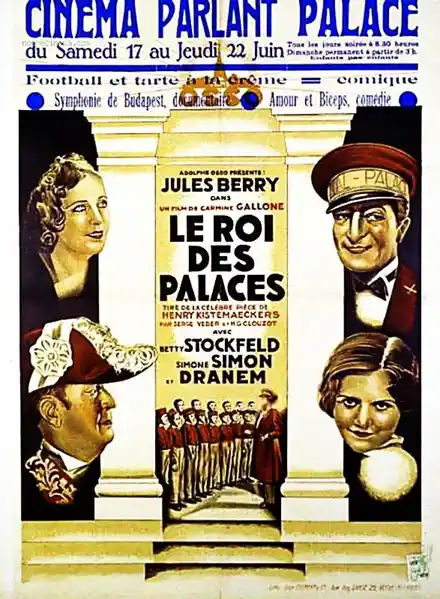
The thematic richness of The Immigrant ensures its enduring relevance, transcending its silent film origins to speak to contemporary audiences. The struggles faced by Masha—the perils of immigration, the vulnerability to exploitation, and the search for genuine connection—are sadly timeless. The film's portrayal of J. J. Walton as a political boss leveraging his power for personal gain and control, even over human lives, offers a sharp, albeit century-old, critique of systemic corruption. This aspect finds echoes in other cinematic explorations of power dynamics and human exploitation. For instance, one might draw parallels to the stark realities depicted in films like Den kulørte slavehandler, which similarly delves into the disturbing dynamics of control and subjugation, albeit in a different context. Masha’s journey, particularly her entanglement with Walton and the false promises of a better life, also bears a striking, albeit less tragic, resemblance to the narrative arc of Madame Butterfly. Both films explore the vulnerability of women from foreign lands who are seduced by promises of love and security from powerful men, only to find themselves ensnared in relationships built on deceit and cultural misunderstanding. While The Immigrant ultimately offers a redemptive conclusion, the undercurrents of exploitation and the precariousness of Masha's situation resonate deeply with the themes of betrayal and unfulfilled promises found in the more tragic opera. These comparisons highlight The Immigrant's profound exploration of human nature, societal inequalities, and the enduring quest for authenticity amidst a world often driven by superficiality and self-interest. The film’s ability to provoke thought and emotion, even without spoken dialogue, is a testament to its powerful storytelling and universal themes.
The Immigrant, though often overshadowed by some of the more widely celebrated silent epics, holds a significant place in the history of cinema. It is a powerful example of how early filmmakers tackled complex social issues and crafted compelling human dramas, demonstrating that the medium's potential for storytelling was recognized and harnessed from its nascent stages. The film’s blend of personal struggle with grand-scale spectacle, its nuanced characterizations, and its ultimate message of hope and redemption ensure its lasting appeal. It serves as a valuable historical document, reflecting the societal anxieties and aspirations of early 20th-century America, particularly concerning immigration and industrial expansion. Its technical achievements, especially in the climactic flood sequence, stand as a testament to the ingenuity of silent era filmmaking. For cinephiles and historians alike, The Immigrant is a compelling watch, offering insights into both the evolution of cinematic art and the timeless nature of the human spirit.
In conclusion, The Immigrant is far more than a relic of a bygone cinematic era; it is a vibrant, emotionally charged drama that continues to resonate with remarkable power. Its narrative, penned with keen insight by Marion Fairfax, expertly navigates the treacherous waters of ambition, betrayal, and the relentless pursuit of a better life. The performances, particularly from Valeska Suratt, Theodore Roberts, and Thomas Meighan, are a masterclass in silent film acting, conveying a spectrum of human emotion with profound clarity. The film's climactic sequence, a breathtaking display of both destructive force and poetic justice, remains a highlight, cementing its place as an early example of cinematic spectacle with significant thematic weight. Ultimately, The Immigrant stands as a poignant reminder that while the world around us changes, the core human experiences of struggle, resilience, and the enduring quest for love remain eternal. It is a film that deserves to be rediscovered and celebrated, offering a rich and rewarding viewing experience for anyone willing to journey back to the golden age of silent cinema.
IMDb 6.9
1921
Community
Log in to comment.