DbcultAccessing Vault...
7/10
Senior Film Conservator
A definitive 7/10 rating for a film that redefined the boundaries of cult cinema. Vendémiaire remains a cornerstone of transgressive art.
Stepping into the world of Louis Feuillade's Vendémiaire is akin to unearthing a time capsule, a cinematic relic that speaks volumes not just about the nascent art form of the moving image, but about the very soul of a nation in the throes of profound transformation. Released in 1919, in the immediate aftermath of the Great War, this serial isn't merely a historical artifact; it's a poignant, sprawling canvas depicting France grappling with its identity, its losses, and the often-conflicting forces of nationalism and regionalism. It's a film that resonates with a quiet power, reflecting a collective introspection that defined a generation.
Feuillade, a titan of early French cinema, known for his masterful serials like Fantômas and Les Vampires, turns his lens here to a more solemn, yet equally dramatic, subject. The plot, deceptively simple in its premise, blossoms into a complex exploration of the myriad ways the First World War irrevocably altered the fabric of French society. This isn't a tale of grand battles, but of the quiet, insidious battles fought on the home front, in the hearts and minds of ordinary people. The film delves into the registering nationalist and regionalism concerns about the effects of the First World War, a theme that feels remarkably prescient even today, given contemporary discussions around national identity and globalism.
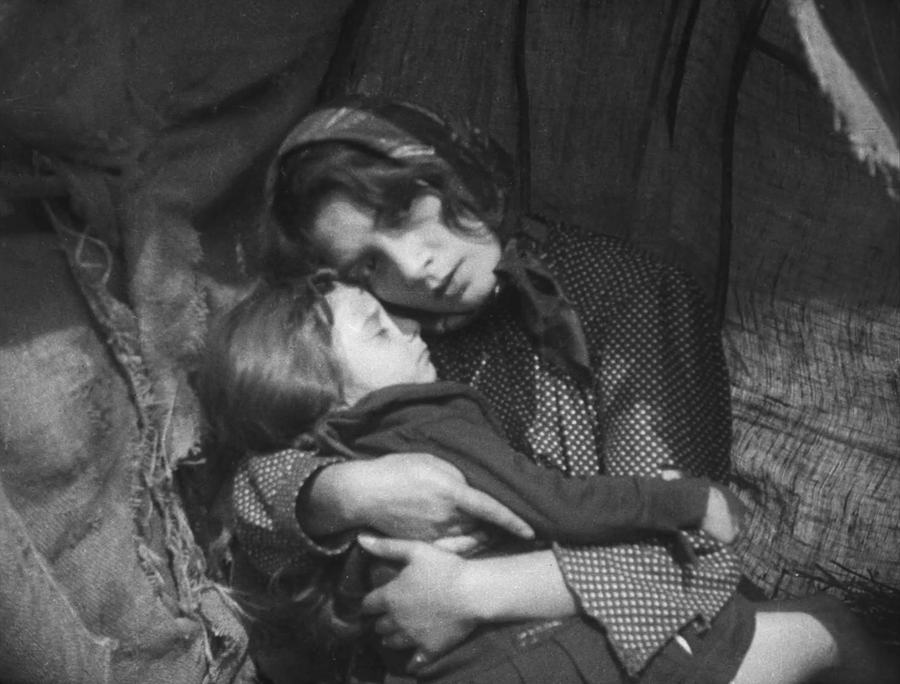
The very title, "Vendémiaire," evokes the first month of the French Republican Calendar, symbolizing the grape harvest and, by extension, a season of renewal and new beginnings. Yet, in 1919, this renewal was fraught with the bitter taste of loss and the arduous task of reconstruction. The serial posits a France not as a monolithic entity, but as a patchwork of diverse regions, each with its own customs, dialects, and fiercely guarded sense of self. The war, while uniting the nation against a common enemy, simultaneously highlighted and exacerbated these regional distinctions, creating a fascinating tension that Feuillade exploits with remarkable sensitivity.
The ensemble cast, featuring luminaries of the era such as Manuel Caméré, Jeanne Rollette, and the ever-charismatic René Cresté, embodies these societal fault lines. Caméré, often portraying figures of stoic resilience, likely represents the enduring spirit of the French peasantry, deeply rooted in the land. Rollette, with her expressive features, might personify the women left behind, shouldering the burden of maintaining homes and communities amidst overwhelming grief and uncertainty. Cresté, known for his heroic roles, could be the returning soldier, grappling with a world that has moved on, or perhaps a regional leader fighting for local autonomy.
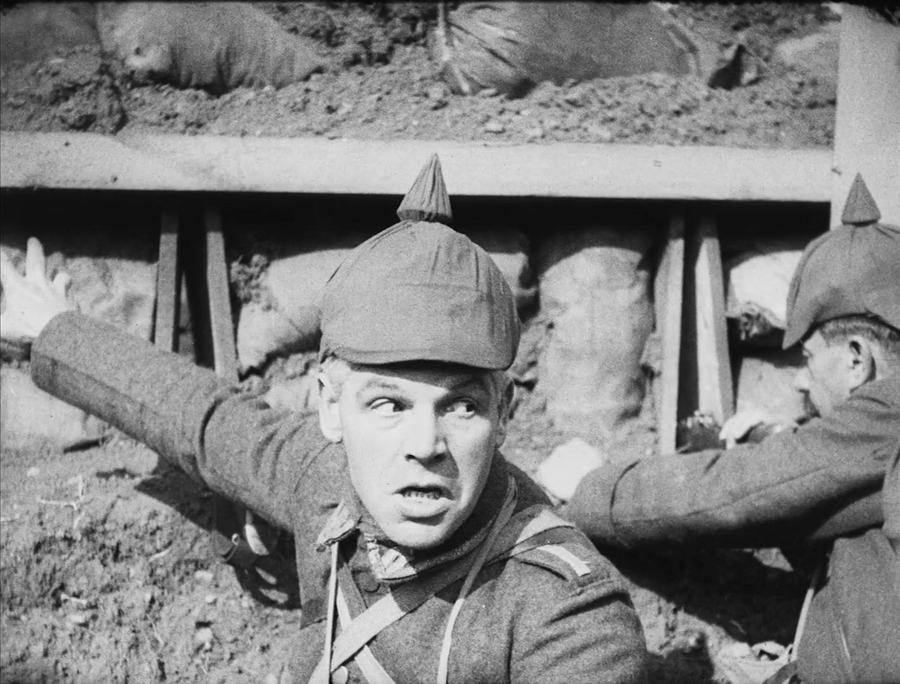
The other members of the cast, including Gaston Michel, Adeline de La Croix, Émile André, Louis Leubas, Fabiola, Mary Harald, Georges Biscot, Violette Jyl, André Séchan, Lugane, Édouard Mathé, and Olinda Mano, each contribute to this rich tapestry. Their performances, often characterized by the grand gestures and nuanced expressions typical of the silent era, convey a spectrum of human emotion – from profound sorrow and disillusionment to steadfast hope and fierce determination. Feuillade, as a director, understood the power of the human face, and his actors deliver performances that, even without spoken dialogue, speak volumes about the internal conflicts raging within their characters.
Louis Feuillade, the sole writer credited for this ambitious project, possessed an unparalleled knack for crafting narratives that captivated audiences over multiple installments. The serial format, popular in the early 20th century, allowed for intricate plotting and character development, building suspense week after week. In Vendémiaire, this format proves particularly effective in illustrating the slow, arduous process of national healing and the gradual unfolding of social and political tensions. Each episode is a chapter in a larger novel, contributing to a comprehensive portrait of a country in flux.
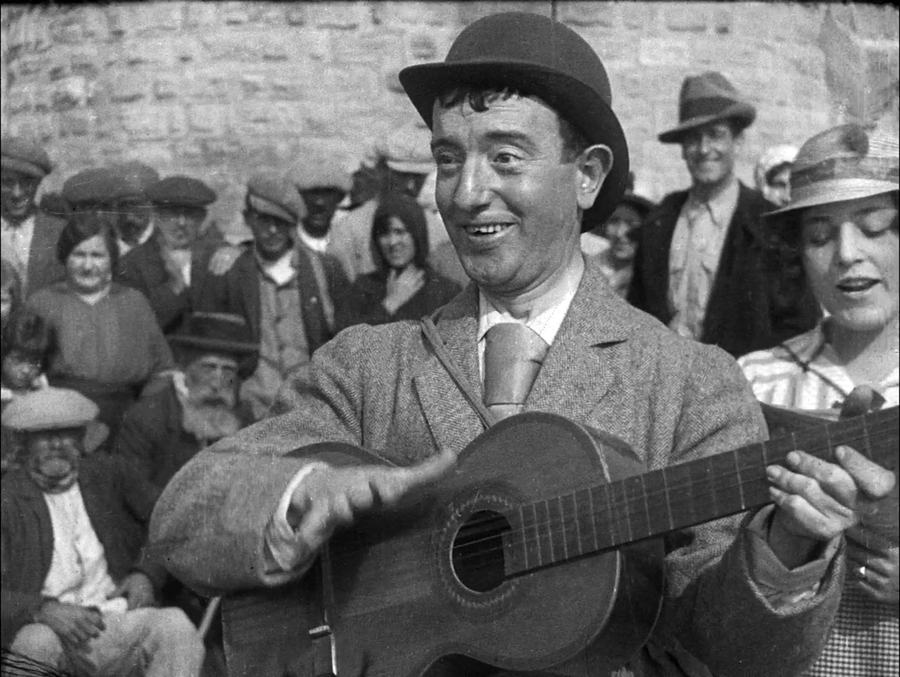
Feuillade's directorial style, while rooted in the theatrical conventions of the time, often incorporated a striking realism, particularly in his use of real locations and natural light. One can imagine the ravaged French countryside serving as a powerful, silent character in itself, mirroring the internal desolation of its inhabitants. The mise-en-scène, characteristic of the era, would have utilized deep staging and meticulous arrangement of figures to convey social hierarchies and emotional dynamics without reliance on close-ups, which were less prevalent at the time.
The core thematic conflict of Vendémiaire lies in the tension between a burgeoning French nationalism, invigorated by the shared sacrifice of war, and the deeply entrenched regional identities that had long defined various parts of the country. The war, while fostering a sense of national unity against a common foe, also brought to the fore the distinct cultural and economic needs of different regions. This serial explores how these forces, sometimes harmonious, sometimes antagonistic, shaped the post-war landscape.
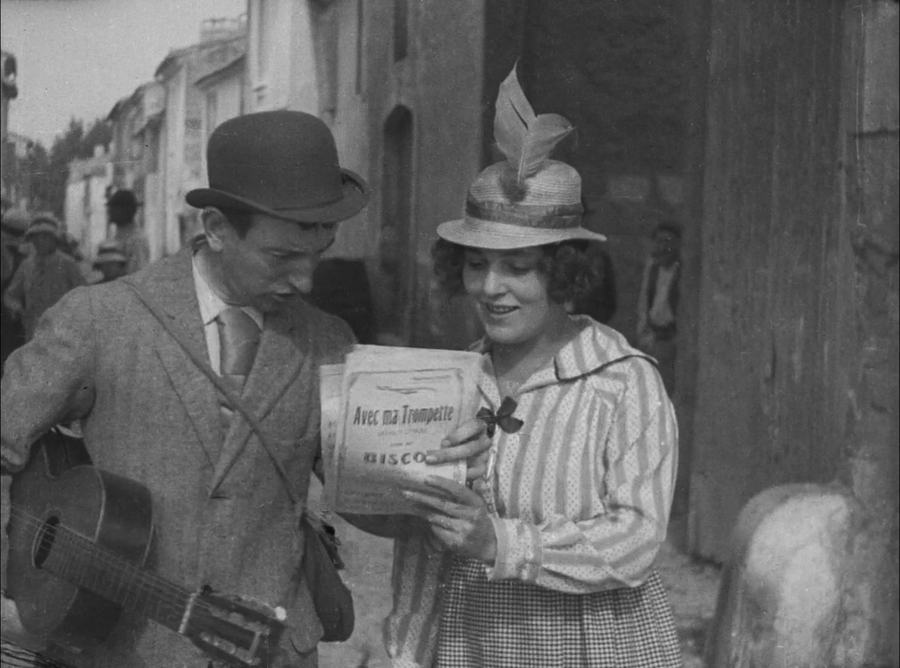
One can envision plotlines involving Parisian administrators attempting to impose standardized policies on a rural community fiercely protective of its local traditions, or returning soldiers from different regions finding common ground in their shared trauma, yet clashing over their visions for the future of France. This dichotomy is not merely academic; it translates into compelling human drama, as characters are forced to choose between loyalty to their immediate community and their allegiance to the broader nation.
In this regard, Vendémiaire offers a fascinating counterpoint to films that might focus solely on the heroism of war, such as a hypothetical counterpart to The Bulldogs of the Trail. While the latter might emphasize courage on the battlefield, Feuillade's work shifts the focus to the more nuanced, internal struggles of the post-war period. It’s a film that asks, 'What does it mean to be French, after such a cataclysm?' And, 'How do we reconcile our local identities with a national one?'
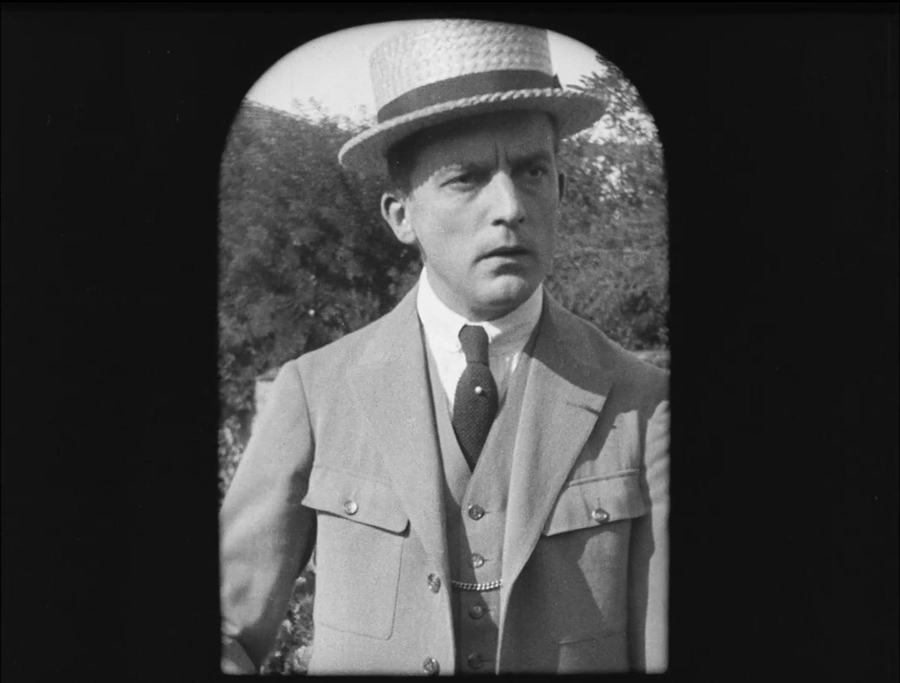
While silent films often require a certain patience from modern audiences, the thematic richness and humanistic approach of Vendémiaire ensure its enduring relevance. It speaks to universal themes of loss, resilience, identity, and the perpetual tension between local and national loyalties. These are concerns that continue to echo in contemporary political and social discourse, making Feuillade's 1919 serial feel surprisingly modern.
The film’s meticulous attention to the psychological and societal aftermath of war places it in a lineage of insightful post-conflict cinema. While not explicitly about the trauma of individuals like Aftermath might suggest, Vendémiaire certainly explores the collective trauma of a nation. It's less about the immediate shock and more about the long, slow process of coming to terms with a new reality. Similarly, while films like The Conscience of John David might explore individual moral dilemmas, Vendémiaire broadens the scope to encompass the moral and ethical challenges faced by an entire society.
Feuillade's work here also stands apart from more straightforward adventure serials of the time. While it undoubtedly contains elements of suspense and drama – a hallmark of his style – its primary focus is on the intricate social dynamics and the emotional landscape of post-war France. It's a testament to his versatility as a filmmaker that he could pivot from the thrilling exploits of master criminals to the nuanced portrayal of national introspection with equal skill.
For cinephiles and historians alike, Vendémiaire offers a rare and valuable glimpse into a pivotal moment in French history and cinematic evolution. It demonstrates how early cinema, often dismissed as mere entertainment, could serve as a powerful medium for social commentary and profound artistic expression. The film’s ability to articulate complex national anxieties through the prism of local struggles is a testament to Feuillade's genius as a storyteller.
While not as widely known as some of Feuillade's more sensational works, Vendémiaire holds a unique place in his oeuvre. It is a work of quiet contemplation, yet imbued with the dramatic tension characteristic of its creator. It invites viewers to reflect on the enduring legacies of war, the complexities of national identity, and the resilience of the human spirit in the face of monumental change. It's a serial that rewards patient viewing, unraveling its layers of meaning with each installment, much like the slow, deliberate process of a nation finding its footing again after a cataclysmic event. One might even draw parallels to the introspective domestic dramas of the era, such as The Hope Chest, in its focus on how grand events ripple through individual lives, albeit on a far grander, national scale here.
In conclusion, Vendémiaire is far more than a historical curiosity. It is a vibrant, compelling piece of filmmaking that deserves rediscovery. It's a potent reminder that the most profound stories are often found not in the grand pronouncements of leaders, but in the everyday struggles and aspirations of ordinary people, caught in the sweeping currents of history. Feuillade, through this remarkable serial, gives voice to a France that was simultaneously mourning its past and cautiously, yet defiantly, building its future.
IMDb 7.9
1927
Community
Log in to comment.