DbcultAccessing Vault...
Cult Review
Senior Film Conservator
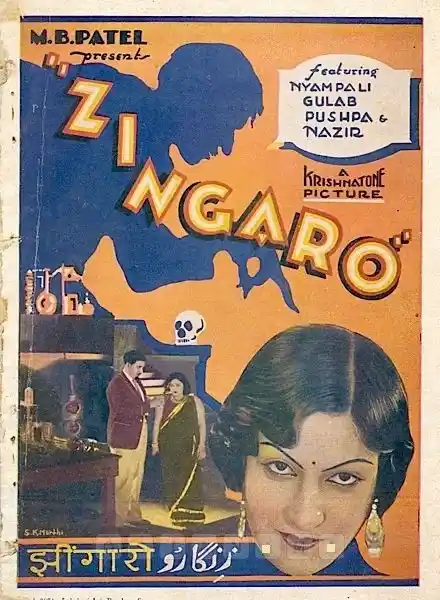
If you need your movies to have a tight, logical plot that explains everything by the second act, skip this one. You’ll probably hate it. But if you don't mind a film that wanders off the path to look at the weeds, Zingaro is a strange little treasure.
It’s not a polished experience. It’s better than that.
Pushpa carries the whole weight of this thing on her shoulders, and for the most part, she doesn't even seem to be trying. There’s a scene about halfway through—I think she’s in a kitchen, or maybe it’s just a room with bad lighting—where she just stares at a cold cup of tea for an eternity. It’s uncomfortable. It’s great.
The pacing is all over the place. One minute we’re sprinting through a conversation that feels like it’s missing half its words, and the next, we’re stuck in a silent hallway that lasts way too long. I found myself checking my phone, then realized I’d missed a tiny, crucial change in her expression. It demands you stay awake, even when it’s trying to put you in a trance.
It reminded me a bit of the aimless energy in Buba, though without the same kind of punchy ending. Sometimes these movies are just about hanging out with people who are having a worse day than you are.
I caught myself thinking about Emma while watching the social dynamics play out, though the comparison is a stretch. The way people talk around each other here is much more jagged. It’s less about manners and more about just surviving the conversation without saying something regrettable.
Does the movie have a point? Maybe. I didn't feel like I needed one. It’s just a slice of something that feels like it actually happened, even if it didn't.
I’ll probably forget the plot in a week. But I’ll remember that cup of tea. ☕
Year
1935
IMDb Rating
—

Editorial
Deciphering the legacy of transgressive cult cinema.
Community
Log in to comment.