DbcultAccessing Vault...
Cult Review
Senior Film Conservator
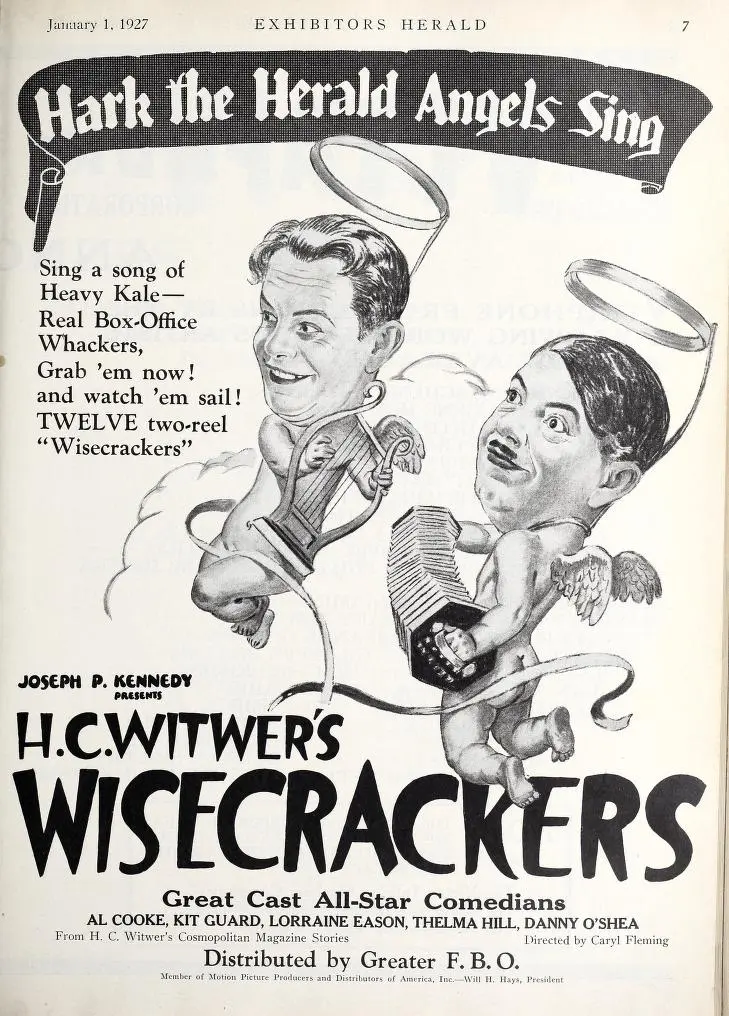
Is 'The Artists Brawl' worth watching today? Short answer: yes, for a very specific audience, but it demands a particular appreciation for its era. This film is an essential, albeit brief, watch for devotees of early slapstick and silent cinema historians, offering a raw glimpse into the comedic sensibilities of the 1920s. It is decidedly not for those seeking modern narrative sophistication or high-gloss production values.
For those who revel in the foundational chaos of physical comedy, who understand that the earliest films often prioritized immediate laughter over intricate plotting, 'The Artists Brawl' offers a charming, if rudimentary, window into a bygone form of entertainment. If your cinematic diet consists primarily of contemporary blockbusters, this will feel like a relic, perhaps even a chore. But for connoisseurs of the primitive, the unpolished, and the genuinely anarchic, it holds a surprising, if fleeting, allure.
'The Artists Brawl' is less a story and more a finely choreographed, or perhaps charmingly unchoreographed, exercise in escalating pandemonium. It encapsulates the spirit of silent-era slapstick, where the premise existed solely to unleash a torrent of physical gags. The film’s title is its plot, its promise, and its delivery. What begins as a seemingly innocuous scene in an art studio quickly spirals into a delightful, paint-splattered melee.
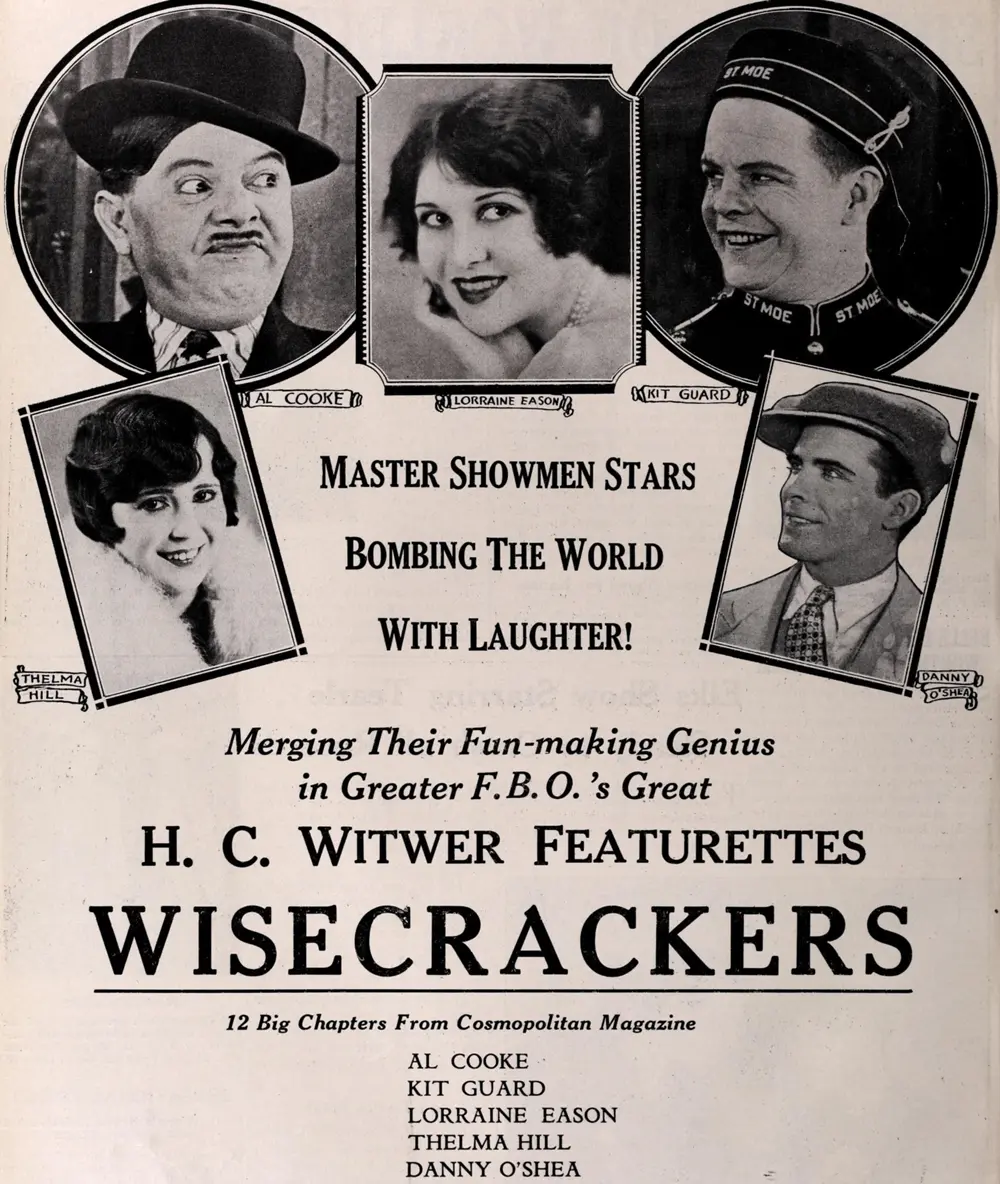
The beauty of such a film lies not in character development or nuanced dialogue – because there is none – but in the sheer energy and commitment of its performers. Al Cooke, known for his acrobatic and often absurd physical comedy, likely anchors much of the escalating chaos. One can easily imagine him as a bumbling painter, perhaps inadvertently spilling paint or tripping over an easel, setting off a chain reaction of comedic misfortune.
Kit Guard, another stalwart of early comedy, would have complemented Cooke’s antics with his own brand of robust physicality, perhaps as the straight man driven to exasperation before joining the fray. Thelma Hill, a vibrant presence in many silent comedies, would undoubtedly bring a dynamic, almost balletic energy to the chaos, perhaps dodging flung canvases with surprising grace or initiating a retaliatory splash of paint with a mischievous grin. Lorraine Eason and Danny O'Shea, while perhaps in more supporting roles, would complete the ensemble, adding to the layers of comedic confusion.
Without a credited director, one must assume the creative force behind 'The Artists Brawl' leaned heavily on the improvisational talents of its cast and the established tropes of the era. The direction, therefore, would be less about subtle framing or deep emotional resonance and more about ensuring the gags land and the tempo never falters. The camera would likely remain static, capturing the full width of the studio set as the action unfolds, allowing the audience to take in the entirety of the escalating chaos.
The performances in such a film are, by necessity, broad and theatrical. Silent actors communicated entirely through exaggerated facial expressions, gestures, and physical comedy. In 'The Artists Brawl', this would translate into wide-eyed surprise, exasperated sighs, furious glares, and triumphant smirks, all amplified to ensure they registered without the aid of dialogue. The physical demands would be considerable, with actors likely performing their own stunts, tripping, falling, and getting drenched in various substances with good humor.
Consider a moment where Thelma Hill, perhaps as a frustrated model, finally snaps, grabbing a paint brush and launching a glob of color at an offending artist. Her expression would have to convey a mix of indignation and mischievous delight, a silent scream of defiance that prompts an immediate, equally exaggerated retaliation. It’s this precise, over-the-top communication that makes these films so fascinating to study, even if the humor itself can feel dated.
The cinematography of 'The Artists Brawl' would be typical for its time: functional, clear, and designed to capture the action without drawing attention to itself. Expect wide shots that establish the setting and allow the full scope of the brawl to play out, punctuated perhaps by closer shots of particularly effective gags or expressive reactions. The lighting would be straightforward, illuminating the set evenly, prioritizing visibility over atmosphere. There’s no pretense of high art in the visual presentation; the art is in the chaos itself.
The pacing, however, is where these films often shine. From a relatively calm opening, 'The Artists Brawl' would accelerate rapidly, each gag building upon the last, creating a crescendo of comedic mayhem. There would be little room for lulls or contemplative moments. The rhythm would be relentless, mirroring the escalating nature of the brawl itself. This kind of rapid-fire delivery was crucial to holding audience attention in an era before synchronized sound and complex narratives.
The tone is undeniably lighthearted and anarchic. Despite the physical nature of the comedy, there's rarely a sense of genuine malice. It's about playful destruction, about the release of tension through absurdity. The film operates on a fundamental principle: when things go wrong in a funny way, people laugh. The sight of dignified artists covered head-to-toe in paint, or an elegant model slipping on a palette, would have been intrinsically humorous to contemporary audiences, and still holds a certain charm today.
Yes, 'The Artists Brawl' is worth watching for specific audiences. It’s a historical artifact that showcases the raw, unrefined energy of early silent comedy. It’s a time capsule. It’s a testament to the enduring appeal of physical humor. But it requires a contextual understanding and an appreciation for its limitations.
This film works because: It delivers on its simple promise of escalating physical comedy with an infectious, if rudimentary, energy that is characteristic of its era.
This film fails because: Its plot is virtually non-existent, and its humor, while foundational, can feel dated and repetitive to modern sensibilities, lacking the sophistication of later slapstick masters.
You should watch it if: You are a student of early cinema, a fan of pure, unadulterated slapstick, or simply curious about the historical roots of comedic filmmaking.
It works. But it’s flawed. Its runtime would likely be brief, a testament to its primary goal: to deliver a quick burst of laughter and move on. Comparing it to more developed silent comedies like those of Buster Keaton or Charlie Chaplin is unfair; this is more akin to the foundational chaos of the Keystone Kops, a raw, almost experimental approach to comedic filmmaking. It’s a stepping stone, not a pinnacle. Its historical value far outweighs its artistic profundity.
To truly appreciate 'The Artists Brawl', one must place it within the broader landscape of 1920s cinema. This was an era of rapid experimentation, where filmmakers were still discovering the language of the moving image. Short comedies like this were staples, often accompanying longer features or forming part of a variety program. They were designed for immediate consumption, a quick laugh before the main event.
The cast, particularly Al Cooke and Thelma Hill, were veterans of this fast-paced production environment. Their ability to deliver consistent physical humor, often with minimal direction, was their bread and butter. Cooke’s career was built on such roles, his athleticism and willingness to engage in slapstick the key to his appeal. Hill, with her vivacious personality, brought a much-needed female energy to what could often be a male-dominated genre of rough-and-tumble comedy.
There's a strange, almost Dadaist beauty in the destruction of art for comedic effect, a subtle rebellion against the very institution it portrays. It’s a meta-commentary, perhaps unintentional, on the ephemeral nature of creation when faced with pure, unbridled chaos. This isn't just a brawl; it's an artistic statement, albeit one delivered with a pie to the face.
The biggest challenge for modern viewers approaching 'The Artists Brawl' is the absence of sound and the often-exaggerated acting styles. What was once perfectly legible to an audience accustomed to such conventions can now feel alien, even comical in unintended ways. The pacing, while brisk, might also feel less sophisticated than the meticulously edited comedies of today.
However, for those willing to engage, there's a unique pleasure in decoding the visual language of silent film. The reliance on physical expression, the ingenuity of the gags, and the sheer historical weight of watching something created almost a century ago offer their own rewards. It's a different kind of immersion, one that asks the viewer to actively participate in constructing the experience rather than passively receiving it.
Films like A Wild Goose Chase or Alice's Egg Plant, contemporaries of 'The Artists Brawl', exemplify this same raw energy and focus on visual gags. They are snapshots of a particular moment in cinematic history, showing how comedy was born and refined on screen, often through trial and error. 'The Artists Brawl' fits squarely into this lineage, a testament to the early days when simply making people laugh, no matter how crudely, was the ultimate goal.
'The Artists Brawl' is not a film that will redefine your understanding of cinema, nor will it likely become a personal favorite for most modern viewers. It is, however, an important piece of cinematic history, a vibrant, if rudimentary, example of early 20th-century slapstick. Its value lies less in its narrative prowess and more in its raw energy and its place within the evolution of comedic filmmaking. It’s a film that demands empathy for its era and an appreciation for the foundational work that paved the way for more sophisticated comedies.
I’d argue that the sheer, unadulterated chaos of 'The Artists Brawl' is its greatest strength, even if it borders on mindless spectacle. It’s a joyful, unpretentious romp, a reminder that sometimes, all you need is a few enthusiastic performers, a simple premise, and a commitment to causing a delightful mess. For those who appreciate the roots of screen comedy, 'The Artists Brawl' offers a charming, if fleeting, invitation to a paint-splattered past. Give it a watch, but adjust your expectations accordingly. You might just find yourself smiling at the sheer audacity of its vintage mayhem.
IMDb 7.1
1927
Community
Log in to comment.