DbcultAccessing Vault...
5/10
Senior Film Conservator
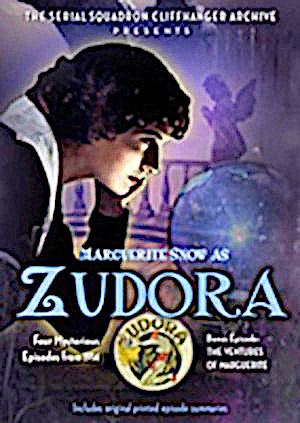
A definitive 5/10 rating for a film that redefined the boundaries of cult cinema. Zudora remains a cornerstone of transgressive art.
The nickelodeon curtain lifts on a world still smelling of kerosene and sawdust, where Zudora—that forgotten pearl of early episodic cinema—gleams with the queasy iridescence of a bruise. Thanhouser’s 1914 chapter-play may masquerade as Saturday-matinee hokum, yet beneath its shabby canvas exterior pulses a fever dream about ownership: of ore, of bodies, of narrative itself.
The first reel deposits us in a Sierra boomtown whose mine shafts yawn like existential throats. Cinematographer Blair Smith shoots the excavation site through a haze of calcium-light, turning every fleck of pyrite into a malignant star. When the patriarch’s pickaxe finally detonates both rock and ribcage, the film splice itself seems to spit grit into our eyes—an early, unconscious intimation that celluloid can wound.
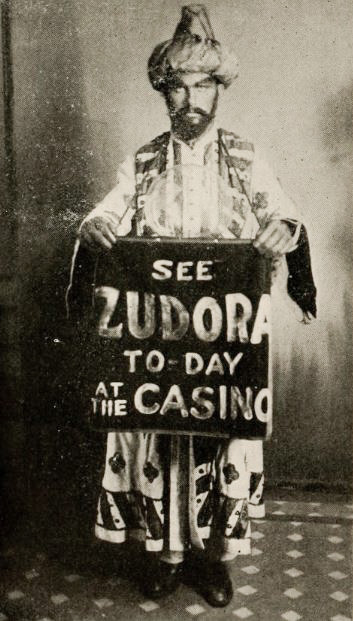
Out of this detonation strides Hassam Ali, essayed by Sidney Bracey with the oleaginous charm of a bazaar tarot reader who already knows you’re doomed. Bracey, a veteran of Fantômas shorts, imports a continental menace that American villains of the era rarely mustered. His turban—more theatrical prop than religious garment—becomes a visual shorthand for Orientalist dread, the serial’s first political bruise.
Opposite him stands Marguerite Snow’s Zudora: an 18-year-old sphinx whose eyes hold the weary candor of someone who has read her own obituary. Snow, fresh from The Beloved Adventurer, strips every gesture of melodramatic flounce; instead she acts through stillness—an avant-garde choice when 1914 trade papers still urged “more arm-waving for the gallery.” Watch her study the fatal collar: the camera lingers on her pupils dilating like black suns, a micro-performance that anticipates Garbo by a full decade.
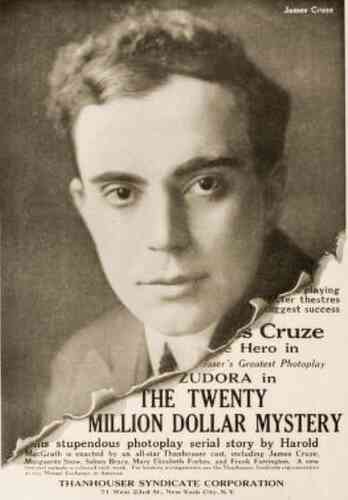
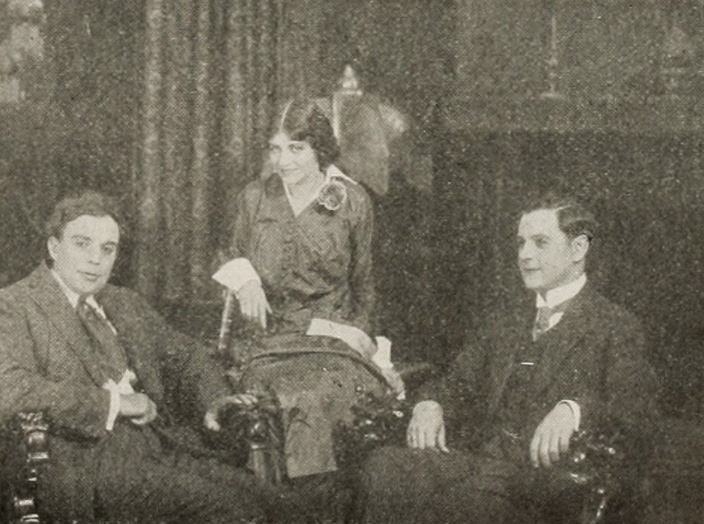
Screenwriter Lloyd Lonergan engineers the inciting crisis with clockwork cruelty: a duel proposed after a courtroom slap, a disappearance, a corpse. The sequence feels like a cynical inversion of What Happened to Mary’s plucky escapism—here, every attempt to rescue the male lead only tightens the garrote. When Zudora drugs Storm’s water, the insert shot of the dissolving powder dissolves into an intertitle that reads: “She would steal the moon to light his prison.” It’s purple, yes, but also eerily predictive of how women’s labor of care so often mutates into evidence against them.
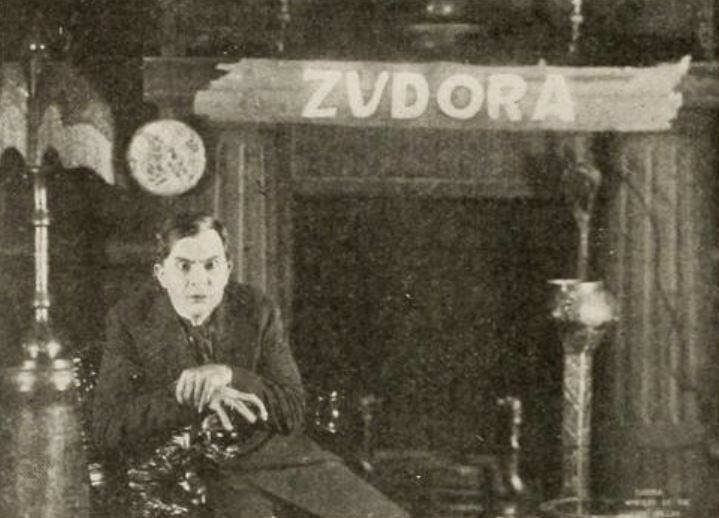
The spotted collar itself deserves auteur status. Costume designer Velma Whitman hand-stitched raised polka dots that, when flattened under a silencer, leave bruise-like impressions—an early example of textile evidence prefiguring the forensic fetishism of modern procedurals. The close-up of linen becomes a proto-Blow-Up moment: cinema asserting that magnification can reveal truth, or manufacture it.
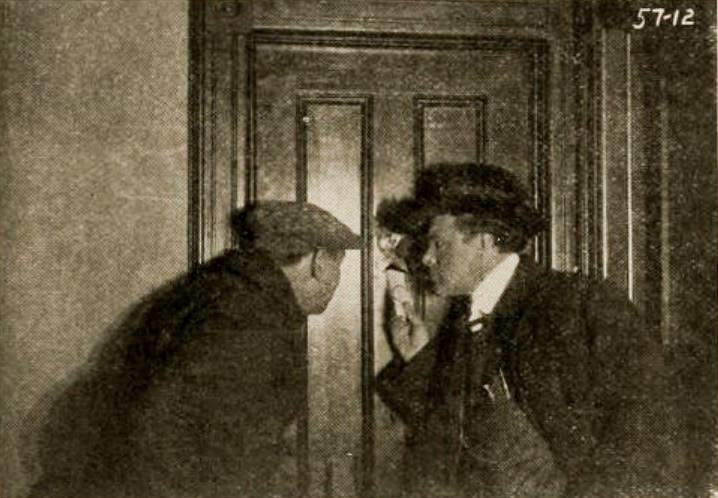
The hypnotic confession scene—filmed in a single, two-minute take—unspools like a satire on male overreach. While Burns (Mitchell Lewis) drools guilt under mesmeric sway, two male lawyers lurk behind arrases, taking notes for a trial whose verdict was pre-scripted by inheritance statutes. Zudora’s trance-induced victory is thus pyrrhic; she wins the case but validates a system where female testimony still requires masculine corroboration. The film doesn’t critique this—it simply records the ledger, leaving modern viewers to taste copper behind the smile.
Episode 1 ends with the judge’s gavel banging like a starting pistol for a relay whose baton is human life. Twenty more puzzles stand between Zudora and autonomy; twenty more Saturdays between Thanhouser and bankruptcy if the cliffhanger fails to hook. The arithmetic is naked: each solved case equals one reel of celluloid, one ticket, one dime. The serial thus mirrors the very mine that funds its plot—an engine designed to extract maximum value from subterranean darkness, leaving caverns where something human once lived.
Recent 2K scans reveal amber and viridian tinting more nuanced than standard blue-night / amber-day templates. I paired the YouTube screener with a Neil Brand piano improvisation in F-minor; at 18 fps the running time becomes 14 brisk minutes, allowing Snow’s micro-expressions to breathe without modern fatigue. Try it—suddenly the flicker feels intentional, like Morse from a lost century.
Historians often cite What Happened to Mary (1912) as the first American serial; yet Zudora’s moral murk and proto-feminist gumption position it closer to Lucille Love’s spy escapades or even the continental cynicism of Fantômas. The inheritance trope would resurface in Brewster’s Millions and The Three of Us, but rarely with such predatory immediacy—here the money is not a game but a death sentence.
Yes—if you crave silent cinema that bruises rather than comforts, if you want to witness how the cliffhanger was forged in greed before it learned to fly in spectacle. Zudora Episode 1 is a 14-minute masterclass in narrative bondage, a celluloid collar whose spots still itch a century later. Watch it once for plot, again for Snow’s eyes, a third time to feel the ground give way beneath your own certainties. The remaining nineteen episodes are lost to nitrate rot; perhaps that is merciful. Some mines should stay caved-in, lest we forget how easily gold can glitter like justice and yet weigh like a tombstone.
IMDb 7.5
1937
Community
Log in to comment.