DbcultAccessing Vault...
7.3/10
Senior Film Conservator
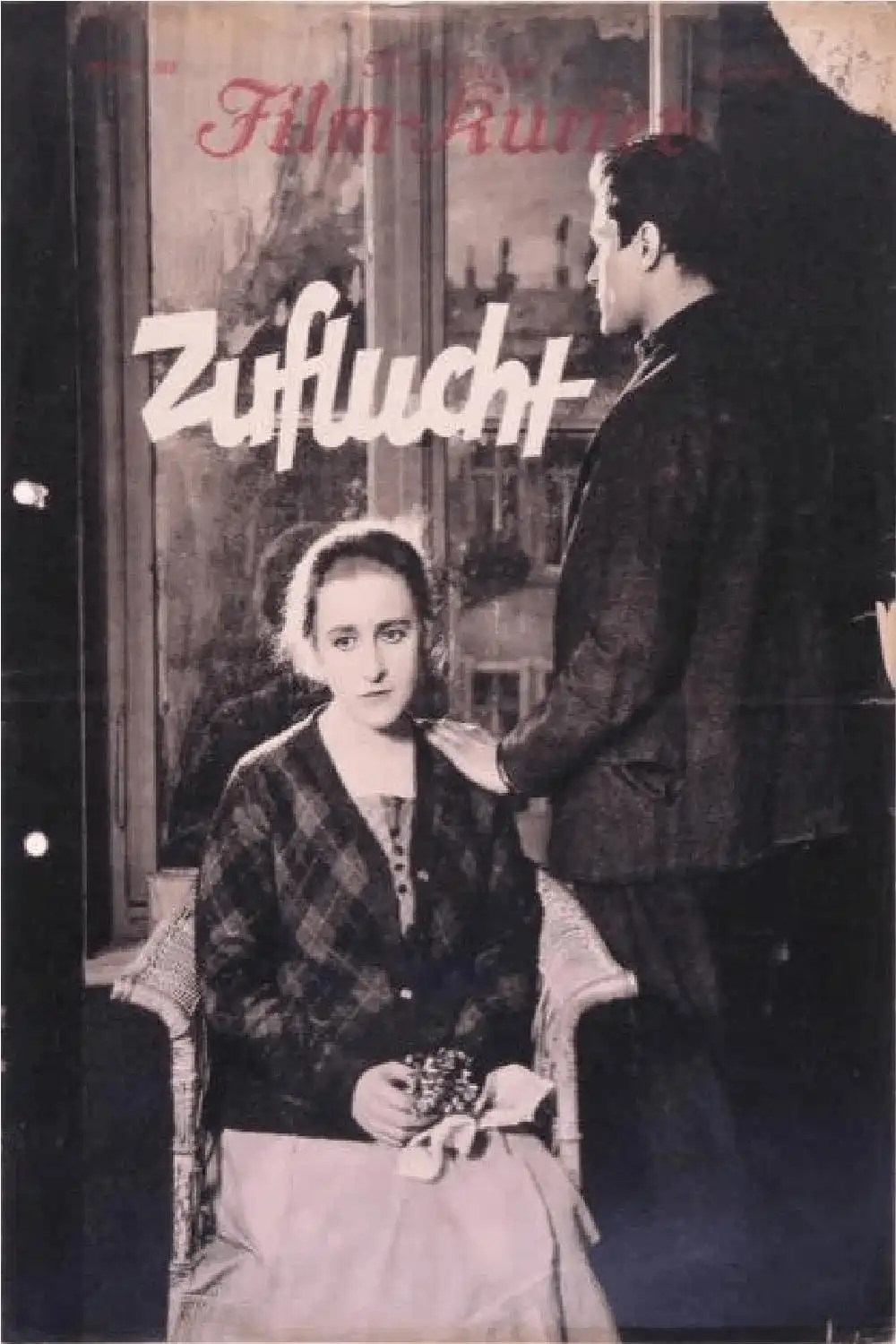
A definitive 7.3/10 rating for a film that redefined the boundaries of cult cinema. Zuflucht remains a cornerstone of transgressive art.
If you’re looking for a sweeping epic about the Great War, you should probably skip Zuflucht. It’s not that. It’s a movie about the leftovers of war—the people who didn't die but didn't exactly come back whole either. It’s worth watching if you have a soft spot for the late silent era, specifically that 1928-1929 window where the cameras started moving more fluidly but the acting still felt like it was fighting against the theater. If you hate slow-burn tenement dramas where people stare at soup for three minutes, you’ll likely find this unbearable.
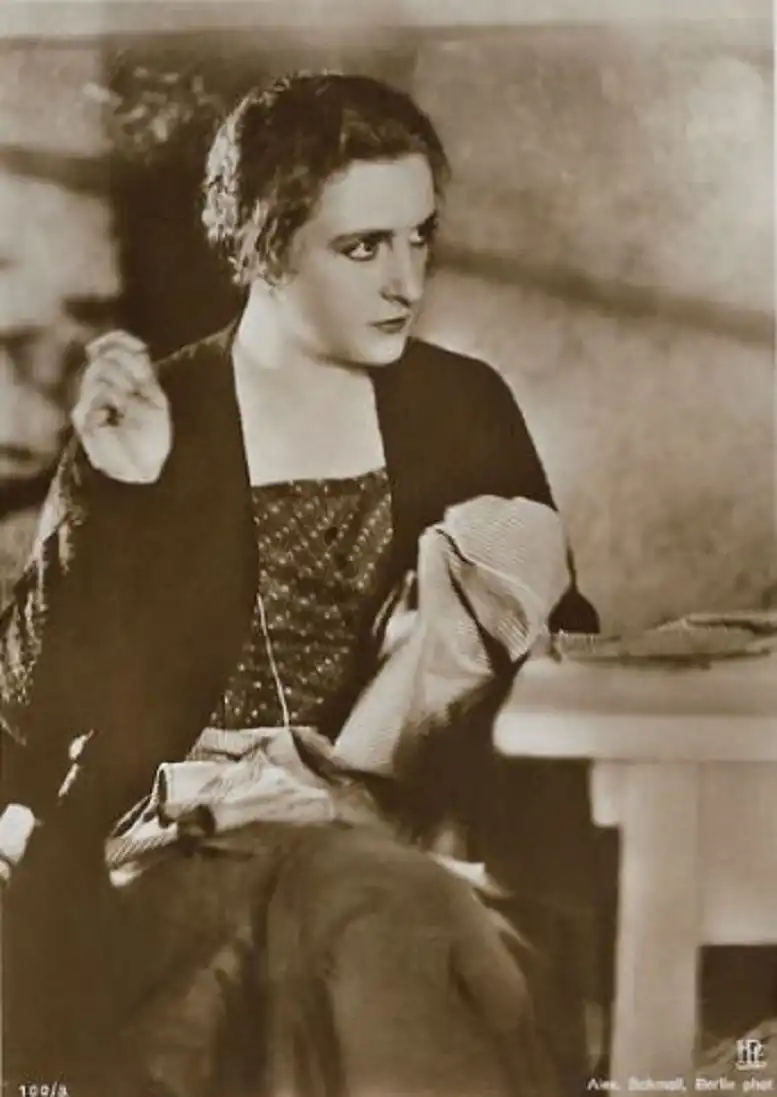
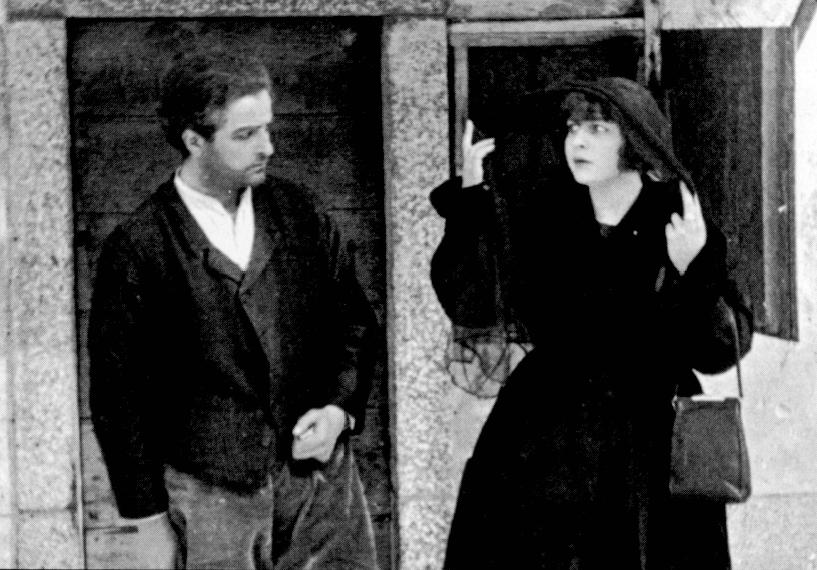
Henny Porten is the big draw here, obviously. She was the queen of German cinema for a reason. In this one, she’s playing Hanne, a woman who runs a laundry. There’s a scene early on where she’s just dealing with the steam and the heavy, wet sheets, and you can almost feel the humidity in the room. It’s not glamorous. Her hair is a bit of a mess, and she looks genuinely tired. It’s one of those moments where the movie stops being a 'production' and just feels like a documentary about how much laundry sucked in the twenties.
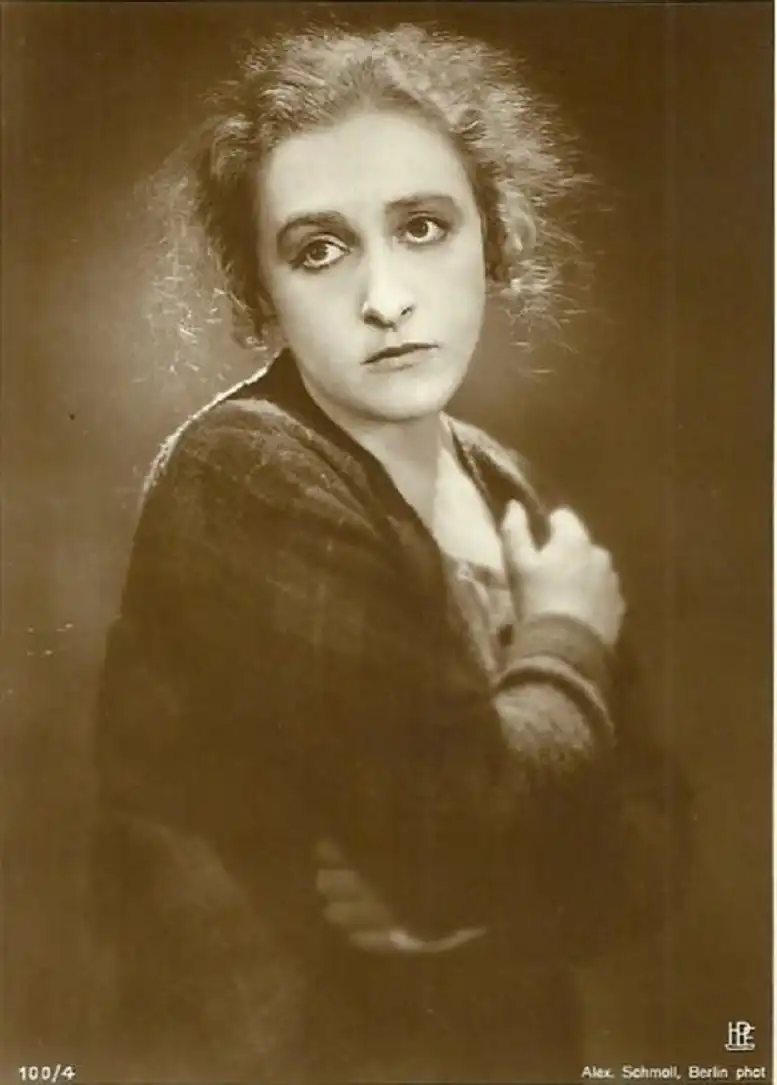
Francis Lederer (billed as Franz here) plays the returning soldier. He has this look—wide-eyed, a bit twitchy. Sometimes it works, but there are a few close-ups where he leans a bit too hard into the 'haunted' vibe. You want to tell him to blink. He shows up at his family’s place and they don't even recognize him at first, or maybe they just don't want to. That awkwardness is the best part of the first act. It’s that specific kind of family tension where everyone is talking around the obvious problem. It reminded me a bit of the social friction in Outcast, though the setting here is much grittier.
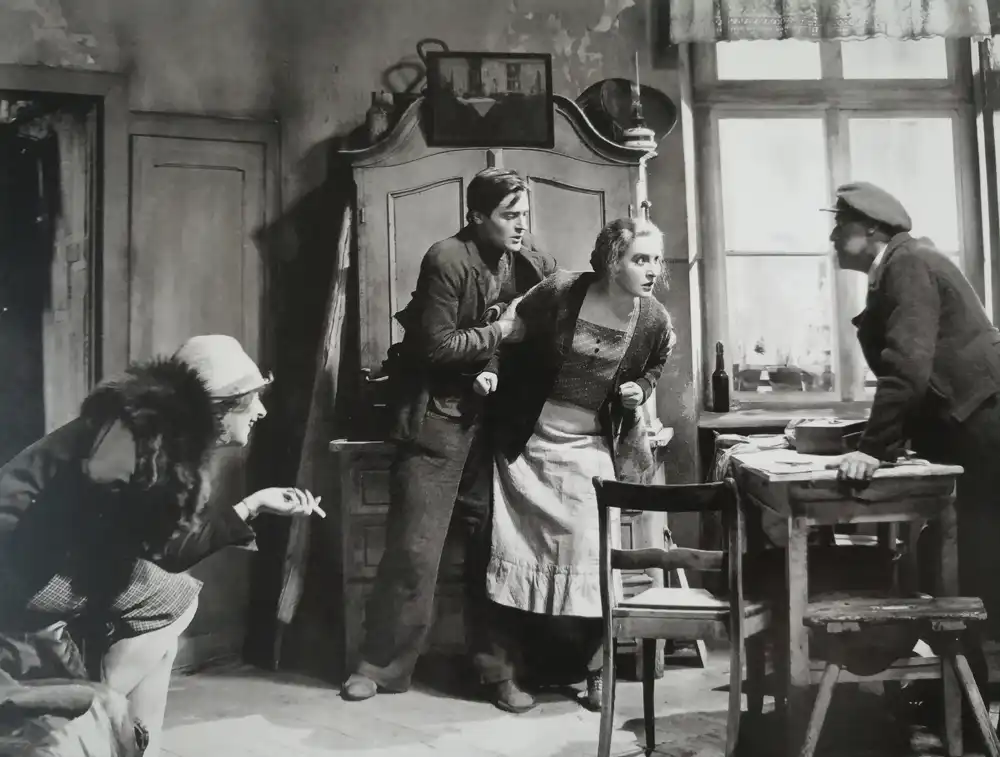
The pacing is... let's call it deliberate. There’s a sequence where they’re just sitting in the tenement, and the camera lingers on the peeling wallpaper and the way the light hits the floorboards. It goes on a long time. You start noticing things you probably shouldn't, like how one of the background actors in the street scene is clearly looking directly at the camera for a split second before realizing they’re supposed to be 'living their life.' It’s a tiny mistake, but it makes the whole thing feel more human.
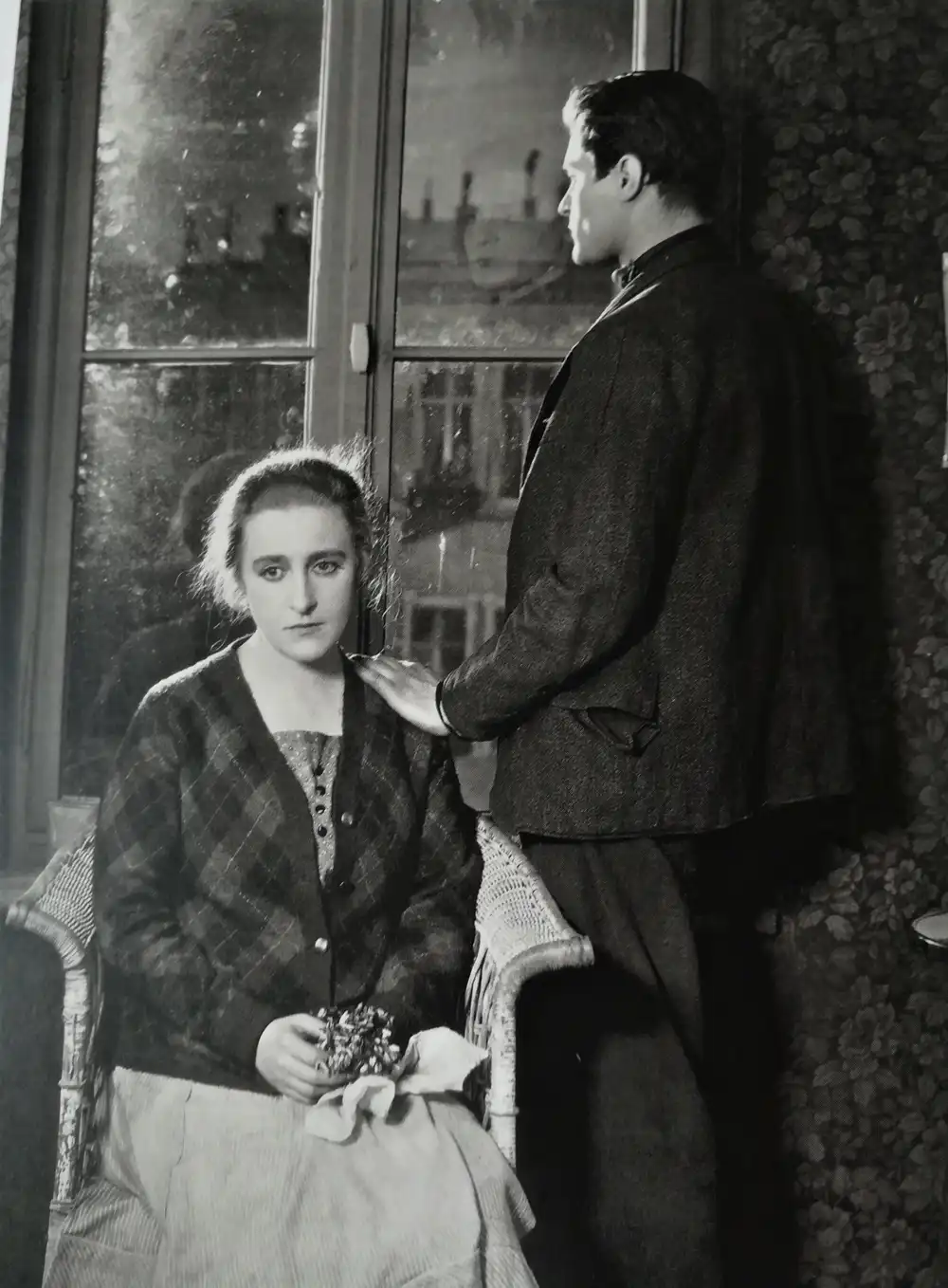
I found myself preoccupied with the costumes. Lederer’s coat looks like it’s made of wood. It’s so stiff and heavy that it changes the way he walks. He looks like he’s carrying the weight of the entire Eastern Front on his shoulders, which I guess is the point, but it’s literally just a very thick wool coat. Contrast that with Henny Porten’s aprons, which look like they’ve been washed a thousand times. The texture in this movie is incredible.
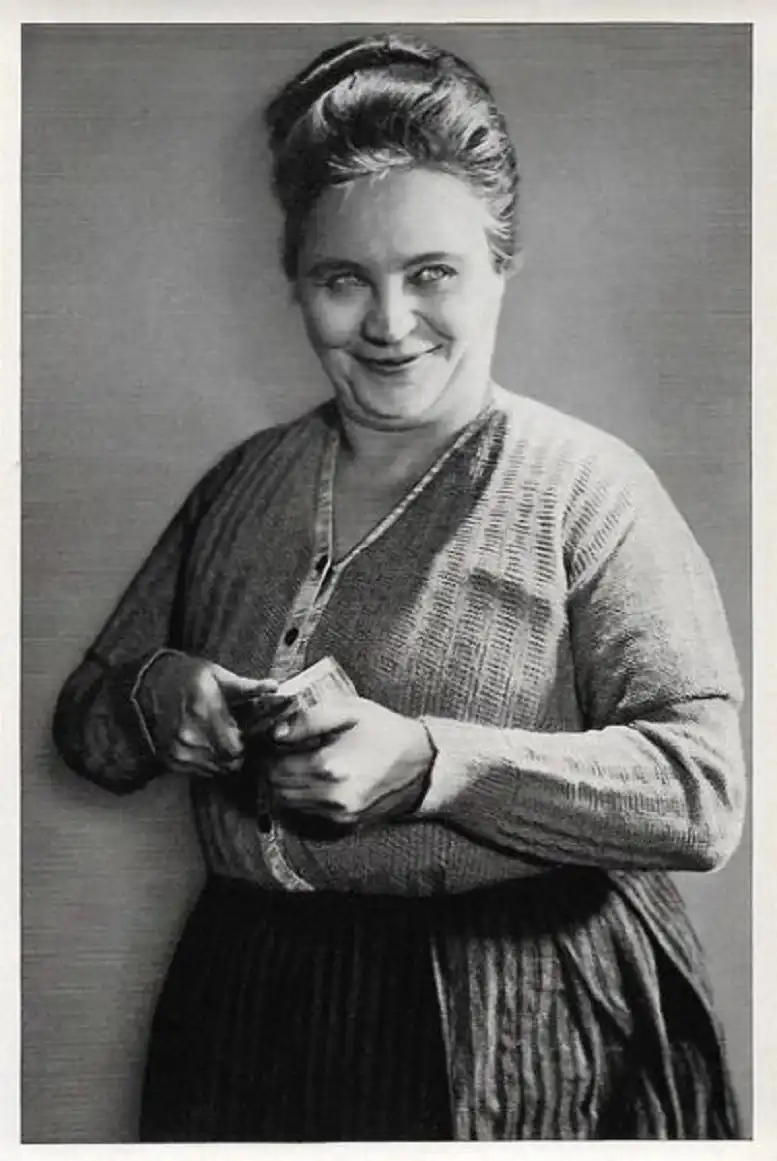
There’s a strange tonal shift toward the middle where it almost feels like it’s going to become a romance, but it never quite gets there. The chemistry between Porten and Lederer is weird. It’s not really romantic; it’s more like two exhausted people leaning against each other so they don't fall over. It’s much more interesting than a standard love story. They spend a lot of time just existing in the same space without saying much (or, well, without many intertitles).
One scene that really stuck with me is when they’re eating. No one in silent movies ever seems to actually eat, but here, they’re really going at it. It’s messy. It’s loud, even though it’s silent. You can see the effort it takes just to keep a household running. It’s a far cry from something like Beverly of Graustark, which is all fluff and costume changes. Zuflucht is about the dirt under the fingernails.
The editing gets a little choppy toward the end. There’s a transition near the climax that feels like a few frames might be missing, or maybe they just ran out of daylight during the shoot. It jumps from a relatively calm moment to high drama so fast it gives you a bit of whiplash. And the ending—without giving it away—feels a bit rushed compared to how much time we spent watching laundry dry in the first hour. It’s like the director, Carl Froelich, suddenly remembered he had to wrap things up.
Is it a masterpiece? Probably not. It’s a bit too uneven for that. But it’s a great example of how silent films were becoming incredibly sophisticated right before they were replaced. It captures a specific kind of post-war exhaustion that feels very real. It’s the kind of movie you watch on a rainy Sunday when you’re already feeling a bit melancholy. If you’ve seen other Weimar-era stuff like On the Steps of the Throne, you’ll recognize the DNA here, but Zuflucht feels much more grounded in the mud and the steam.
The movie gets better if you stop waiting for something big to happen. The 'nothing' is the point. It’s the refuge of the title—just a place to stop moving for a while. It’s not always pretty, and the acting gets a bit theatrical when the plot kicks in, but those quiet moments in the laundry room are some of the best stuff from that year.
IMDb 5.9
1926
Community
Log in to comment.