DbcultAccessing Vault...
Cult Review
Senior Film Conservator
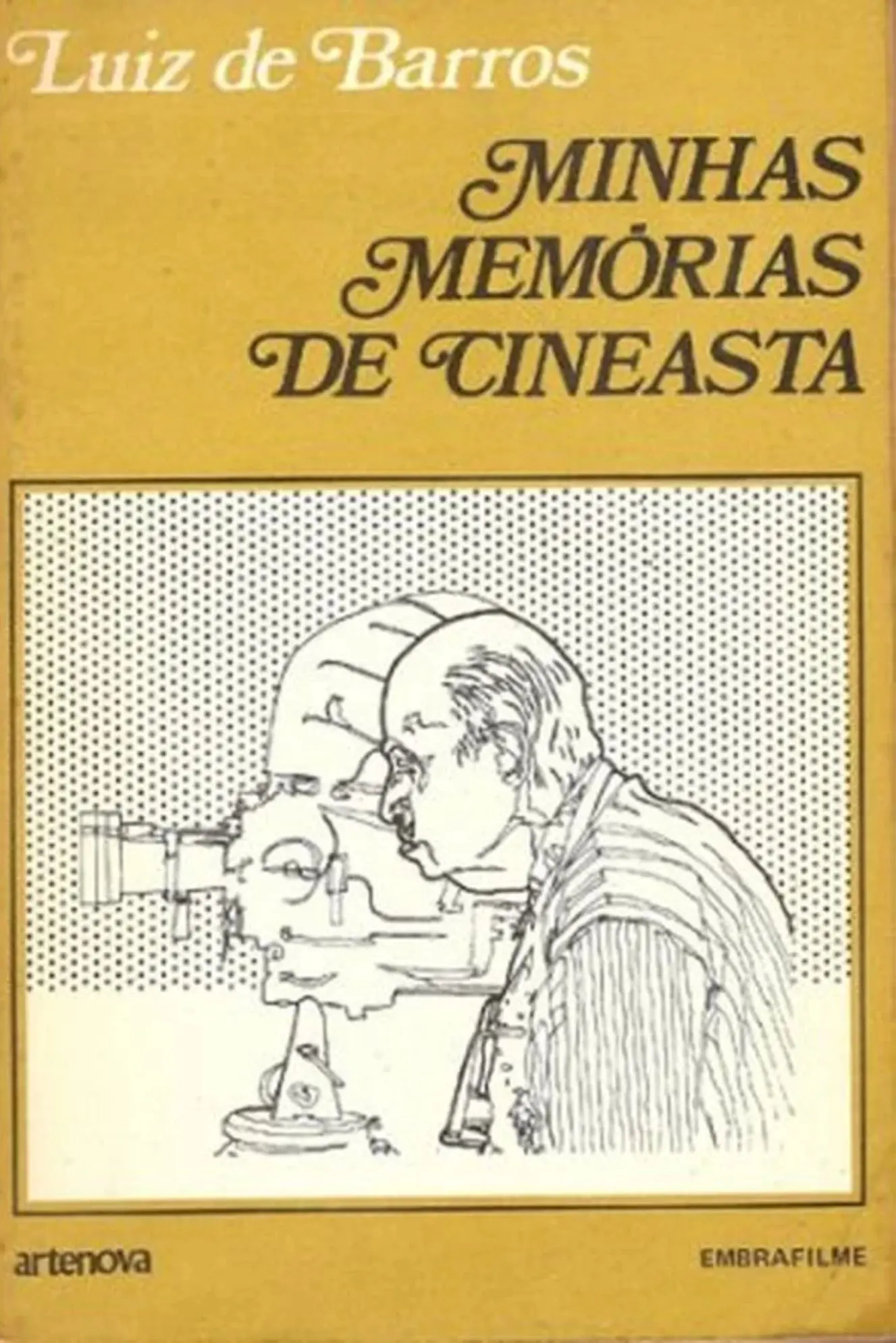
The cinematic landscape of the early 20th century, often defined by its nascent exploration of narrative form, rarely achieved the profound sociological introspection found within Luiz de Barros's seminal work, A Revolução de 1924. This is not merely a historical recreation; it is a meticulously crafted psychological drama, a visceral plunge into the chaotic heart of Brazil's Paulista Revolt, seen through a lens that prioritizes human frailty and the corrosive nature of ideological conflict over simplistic heroism. Its release, almost contemporaneous with the very events it depicts, lent it an immediacy that few films of its era could claim, transforming it from mere entertainment into a vital, unsettling document of a nation grappling with its own tumultuous identity. The film operates on multiple strata, weaving together the personal anguish of its protagonists with the sweeping, impersonal violence of civil unrest, creating a tapestry of despair and fleeting hope that resonates with an almost uncomfortable contemporary relevance.
At its core lies the compelling figure of João, a young journalist whose initial idealism serves as the audience's entry point into the maelstrom. João, with his earnest belief in the promise of social justice, embodies the hopeful naiveté that often precedes revolutionary movements. His character arc is a masterclass in disillusionment, a slow, agonizing descent from fervent belief to bitter understanding. He is drawn to the charismatic, yet increasingly ruthless, Colonel Ribeiro, a figure whose initial revolutionary zeal gradually ossifies into a self-serving ambition. Luiz de Barros, in a performance that transcends the often broad theatricality of silent film acting, imbues Ribeiro with a chilling magnetism. His portrayal is nuanced, capturing the subtle shifts from inspirational leader to pragmatic, even cruel, commander. One can almost feel the weight of command and the moral compromises etched onto his face, a testament to Barros’s profound understanding of human complexity. This is not a villain, but a man consumed by the very power he sought to wield for liberation, a cautionary tale rendered with exquisite detail.
The narrative's brilliance lies in its refusal to paint the conflict in stark black and white. While the federal forces are depicted with their brutal efficiency, the revolutionaries themselves are shown to be far from monolithic or purely virtuous. There are moments of inspiring camaraderie and profound sacrifice, but also instances of opportunistic violence and strategic retreats that leave communities shattered. The film’s unflinching gaze upon these ambiguities elevates it beyond mere propaganda or historical chronicle. It forces the viewer to confront the messy, often contradictory, nature of human endeavors, particularly when driven by fervent belief. This moral complexity makes A Revolução de 1924 a profoundly challenging watch, a stark reminder that even the most noble intentions can pave a path to unforeseen devastation.
A pivotal element of the film's emotional resonance is the tragic romance between João and Ana, a nurse from an affluent, government-loyalist family. Their clandestine encounters, often framed against the backdrop of a city under siege, provide fleeting moments of tenderness amidst the pervasive horror. These scenes are infused with a delicate pathos, highlighting the personal costs of a divided nation. Ana, stoic and compassionate, represents the civilian population caught in the crossfire, her dedication to healing transcending political allegiances. Their love story is not one of grand gestures, but of quiet defiance and shared vulnerability, a poignant microcosm of hope struggling to survive in a world tearing itself apart. The unspoken dialogue between them, conveyed through longing glances and hesitant touches, is more eloquent than any spoken word, a testament to the power of silent cinema when wielded by a master storyteller.
The cinematographic choices in A Revolução de 1924 are nothing short of revolutionary for their time. The camera work is dynamic, transitioning seamlessly from sweeping panoramas of a besieged São Paulo to intimate close-ups that capture the raw emotion on an actor's face. The use of natural light, particularly in the interior scenes, creates a palpable sense of claustrophobia and despair, while the outdoor sequences depicting street battles are choreographed with a chaotic realism that must have been shocking to contemporary audiences. The editing, too, is remarkably sophisticated, employing quick cuts during moments of intense action to convey urgency and longer, more contemplative takes to underscore emotional weight. This mastery of visual storytelling ensures that the film's message is conveyed with an immediacy that transcends the lack of spoken dialogue, making it a powerful example of how silent cinema could achieve profound expressive depths.
Comparing A Revolução de 1924 to other films of the era reveals its unique standing. While films like The Price of Her Soul or Damaged Goods explored societal ills and moral compromises, they often did so through a more melodramatic or overtly didactic lens. A Revolução de 1924, by contrast, grounds its moral inquiries in the stark, brutal reality of civil conflict, eschewing easy answers or clear-cut heroes. Its portrayal of a society unraveling under the weight of political fervor finds echoes in later, more celebrated war dramas, demonstrating its pioneering spirit. The film’s focus on the individual caught in the machinery of history, a theme explored in different contexts in films like Tess of the D'Urbervilles, is here amplified by the immediate, life-or-death stakes of revolution.
The sound design, or rather, the intended live accompaniment for A Revolução de 1924, would have played a crucial role in shaping its impact. One can imagine a rich, orchestral score, perhaps incorporating traditional Brazilian folk melodies and military marches, swelling during the battle sequences and softening to a mournful refrain during João and Ana's tender moments. The absence of synchronized sound in the traditional sense allowed for a dynamic interplay between the visual narrative and the live musical interpretation, offering a unique, immersive experience for each audience. This reliance on external sonic interpretation meant that the film's emotional cadence could be subtly reconfigured with each screening, a fascinating aspect of silent era exhibition that is often overlooked in modern retrospectives.
What truly distinguishes this film is its profound humanism. Despite the grand scale of the conflict, the narrative remains steadfastly focused on the individual experience of suffering, hope, and disillusionment. João's moral awakening, his realization that the revolution's promise has been corrupted by the very forces meant to uphold it, forms the emotional backbone of the story. His journey from wide-eyed idealist to somber witness is a powerful indictment of the seductive power of ideology when divorced from ethical considerations. The climactic revelation of Ribeiro's self-serving ambitions is not a sudden twist, but the culmination of carefully laid narrative breadcrumbs, leading to a profound sense of betrayal that mirrors the broader societal disappointment. It’s a bitter pill, administered with a surgeon’s precision.
The film’s pacing is deliberate, allowing moments of quiet reflection to punctuate the explosive action. This rhythmic ebb and flow prevents the narrative from becoming a relentless barrage of violence, instead crafting a more nuanced and emotionally resonant experience. The initial scenes, establishing São Paulo's vibrant pre-revolt atmosphere, contrast sharply with the later devastation, underscoring the profound loss. The editing ensures that the audience is not just observing events, but feeling their impact. The sequential unfolding of João's discoveries, the slow chipping away of his convictions, is handled with an impressive narrative control that builds tension and empathy.
Beyond its immediate historical context, A Revolução de 1924 grapples with timeless themes: the nature of power, the fragility of democracy, the price of freedom, and the enduring human capacity for both cruelty and compassion. It challenges viewers to question the narratives presented by those in power and to look beyond the rhetoric to the tangible human cost. In this regard, it shares a philosophical kinship with films like Canyon of the Fools, which also explores misguided idealism and the harsh consequences of utopian visions. However, de Barros's film grounds these grand philosophical questions in a specific, harrowing historical moment, giving them a raw, urgent immediacy.
Luiz de Barros, not only a compelling actor but also the visionary behind the camera, demonstrates an astonishing command of the cinematic medium. His direction is assured, his vision clear, creating a world that feels both epic in scale and intensely personal. The performances he elicits from his cast are uniformly strong, particularly impressive given the demands of silent film acting, which often required exaggerated expressions. Here, the emotions feel genuine, restrained when necessary, explosive when warranted. The supporting cast, though often nameless, contributes significantly to the film's texture, portraying the diverse populace caught in the crossfire – the fearful shopkeepers, the defiant workers, the grieving families. Each face tells a story, adding to the rich tapestry of human experience.
The film's legacy is substantial, serving as a crucial historical document and a landmark in Brazilian cinema. It courageously tackled a recent, divisive event, daring to explore its complexities rather than simply celebrating or condemning. Its influence can be seen in later Latin American cinema that grapples with political upheaval and social justice, setting a precedent for unflinching realism. While other films of its time, such as Capitan Groog and Other Strange Creatures, might have offered escapist fantasy, or Sleepy Sam, the Sleuth provided lighthearted mystery, A Revolução de 1924 chose the more arduous path of confronting uncomfortable truths, solidifying its place as a work of profound artistic and historical significance. It remains a powerful reminder that history, particularly that forged in conflict, is rarely simple, and its echoes continue to reverberate through generations, demanding our attention and our critical engagement.
In its ultimate moments, A Revolução de 1924 doesn't offer catharsis or resolution in the traditional sense. Instead, it leaves the viewer with a profound sense of melancholy, a quiet understanding of the immense suffering wrought by human conflict. João's final, weary gaze, a look of profound resignation etched onto his features, is perhaps the film's most enduring image. It encapsulates the shattered dreams, the lost innocence, and the enduring scars left by a revolution that promised so much but delivered only a bitter harvest. This powerful, understated conclusion ensures that the film's message lingers long after the final frame, prompting reflection on the cyclical nature of political struggle and the eternal quest for a just society, however elusive it may prove to be. The film’s power lies not in its ability to provide answers, but in its unwavering commitment to asking the most difficult questions.
The rich visual symbolism employed throughout the film further enhances its depth. The recurring motif of the city's iconic landmarks, first bustling with life and later scarred by shelling, serves as a powerful visual metaphor for the destruction of an entire way of life. The stark contrast between the vibrant street scenes of São Paulo before the revolt and its desolate, war-torn aftermath is particularly striking, conveying a sense of profound loss. Even the costumes, meticulously researched, subtly convey social status and political alignment, adding another layer of authenticity to the historical recreation. Every frame feels deliberate, every composition carefully considered to maximize emotional impact and narrative clarity, making it a truly immersive experience for the discerning viewer of early cinema.
While films like El rompecabezas de Juanillo might have engaged with more abstract, psychological puzzles, and Thrills aimed for pure sensation, A Revolução de 1924 anchored its dramatic intensity in a tangible, historical struggle. It is a work that demands intellectual engagement as much as emotional investment, challenging its audience to consider the multifaceted nature of political change and the sacrifices it invariably entails. Its exploration of moral ambiguity and the complex motivations of its characters places it firmly within the pantheon of early cinematic masterpieces that dared to transcend simple entertainment, offering instead a profound commentary on the human condition in times of crisis. This film is more than just a historical artifact; it is a living, breathing testament to the enduring power of cinema as a medium for social critique and historical reflection.
IMDb 5.9
1925
Community
Log in to comment.