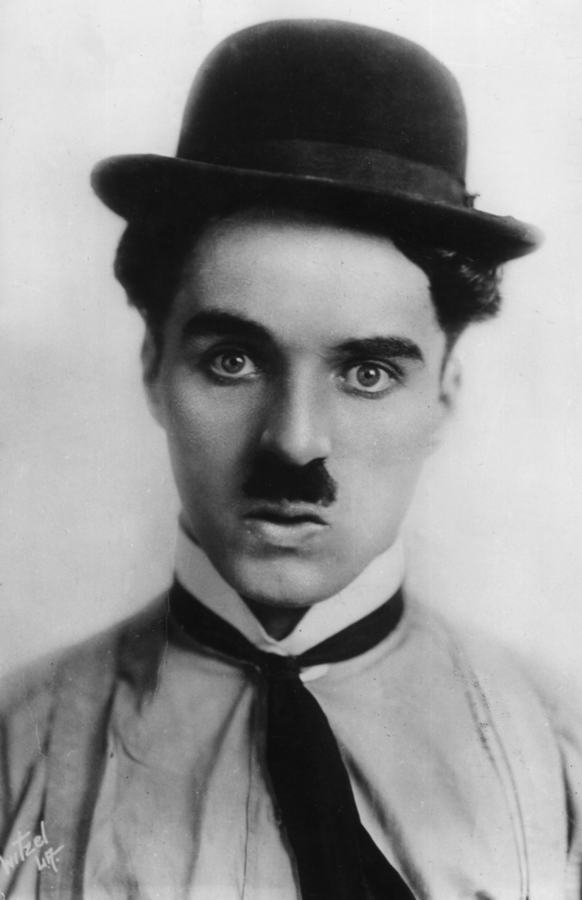
Charles Chaplin
actor, director, writer
- Birth name:
- Charles Spencer Chaplin
- Born:
- 1889-04-16, Walworth, London, England, UK
- Died:
- 1977-12-25, Vevey, Vaud, Switzerland
- Professions:
- actor, director, writer
Biography
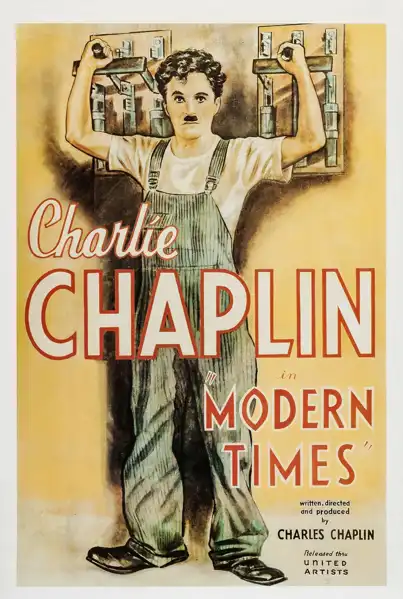
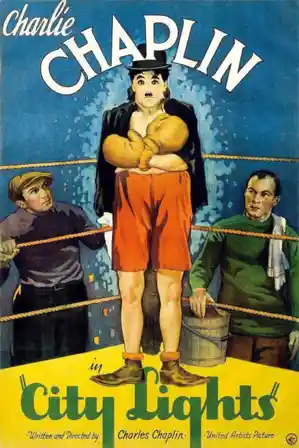
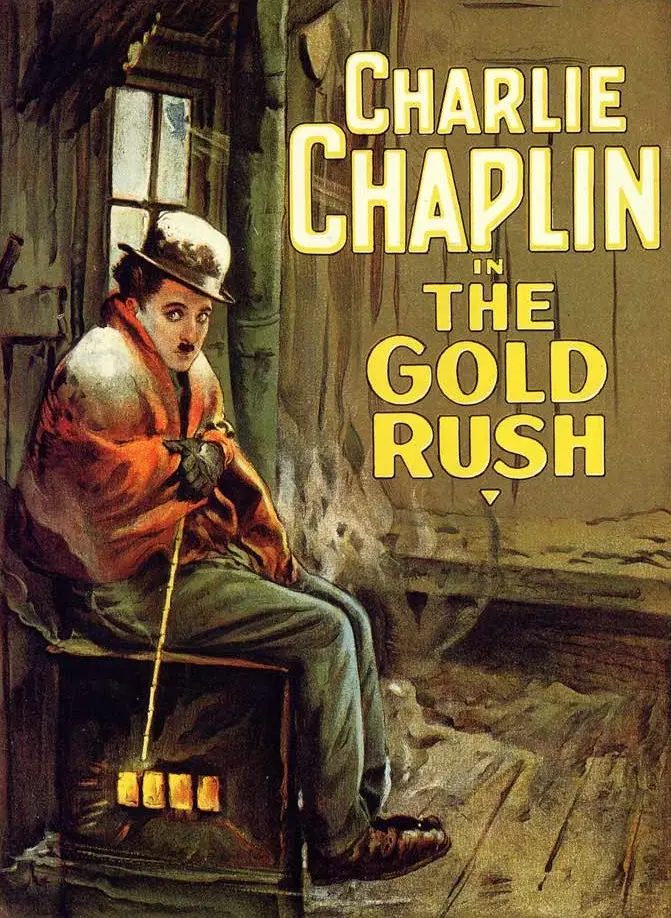
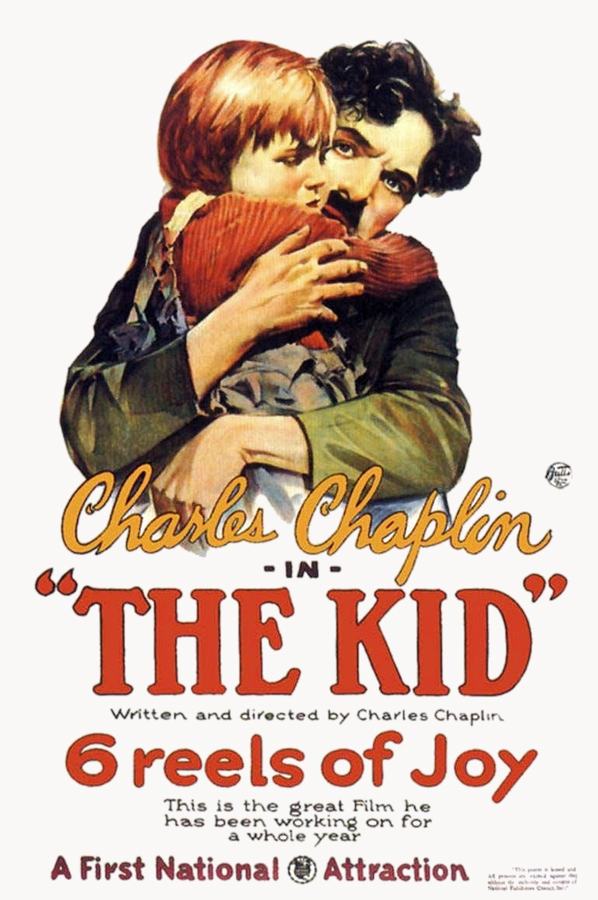
Charles Spencer Chaplin was born on 16 April 1889 in Walworth, London, to music‑hall performers Hannah Harriet Pedlingham (Hill) and Charles Chaplin, who had married on 22 June 1885. After Charles Sr. departed for a career in New York, Hannah tried to revive her own stage work, but her voice often faltered. One day a stage manager spotted five‑year‑old Charlie in the wings and invited him to perform; the boy sang a popular tune, launching a lifelong association with the public stage. The family’s instability—Hannah’s recurring mental episodes and the couple’s split—forced young Chaplin and his half‑brother Syd into a cycle of charity homes and workhouses. In May 1903, Hannah was committed to Cane Hill Asylum, where she stayed until 1921, when Chaplin finally brought her to California. Chaplin’s acting career began at eight, touring with the Eight Lancashire Lads. By 18 he had joined Fred Karno’s vaudeville troupe, embarking on the troupe’s 1910 U.S. tour. In December 1913 he headed west to California and signed with Keystone Studios, where director Mack Sennett had seen him perform in New York. He soon persuaded his brother Syd to act as his manager. At Keystone, Chaplin appeared in and directed 35 films, almost all featuring his beloved Little Tramp. In November 1914 he left Keystone for Essanay, producing 15 films. Two years later, in 1916, he signed with Mutual and made 12 more. By June 1917 he joined First National Studios, after which he established Chaplin Studios. In 1919 he, alongside Douglas Fairbanks, Mary Pickford and D.W. Griffith, founded United Artists. Chaplin’s life was punctuated by controversy. During World War I, questions arose about his loyalty to England; he had never naturalised as an American, instead claiming to be a “paying visitor.” British critics branded him a coward and slacker. The FBI’s J. Edgar Hoover and the House Un‑American Activities Committee (HUAC) suspected him of inserting Communist propaganda into his work. His 1940 talkie, The Great Dictator, in which he lampooned Adolf Hitler, sparked debate; critics deemed it tasteless, yet it grossed over $5 million and earned five Academy Award nominations. A later scandal involved a brief romance with 22‑year‑old Joan Barry. Their relationship ended in 1942 after Barry’s harassment. In May 1943 she returned, claiming pregnancy and filing a paternity suit. In 1944, blood tests proved Chaplin was not the father; however, because such tests were inadmissible, he was still ordered to pay $75 a week until the child turned 21. During World War II, Chaplin’s support for the Soviet fight against Nazi Germany raised suspicion of Communist sympathies. HUAC subpoenaed him in 1947, but ultimately deemed testimony unnecessary. In 1952, while attending the London premiere of Limelight, he was denied re‑entry to the United States; lacking evidence of any threat, he and his wife chose to settle in Switzerland. Chaplin married four times and fathered 11 children. In 1918 he wed Mildred Harris; their son Norman Spencer Chaplin was born but lived only three days. They divorced in 1920. He married Lita Grey in 1924; they had Charles Chaplin Jr. and Sydney Chaplin, but divorced in 1927. In 1936 he married Paulette Goddard. His final marriage, in 1943, was to Oona O’Neill, daughter of playwright Eugene O’Neill. With Oona he had eight children: Geraldine, Michael, Josephine, Victoria, Eugene, Jane, Annette‑Emilie, and Christopher. Despite his public persona, Chaplin was a reserved man who lived modestly, even after amassing millions. In 1921 the French government honoured him, and in 1952 he was made an Officer of the Legion of Honour. In 1972 the Academy awarded him a special Oscar for his “incalculable effect in making motion pictures the art form of the century.” In the 1975 New Year’s Honours List he was appointed Knight Commander of the Order of the British Empire, cited simply as “Charles Spencer Chaplin, Film Actor and Producer.” Chaplin also composed musical scores for many of his films and penned two autobiographies: My Autobiography (1964) and My Life in Pictures (1974). He died of natural causes on 25 December 1977 at age 88, at his home in Vevey, Switzerland. His funeral was a small, private Anglican ceremony, as he had wished. In 1978 his body was stolen from its grave and remained missing for three months before being reburied in a cemented vault. The United States Library of Congress has preserved six of his films in the National Film Registry: The Immigrant (1917), The Kid (1921), The Gold Rush (1925), City Lights (1931), Modern Times (1936), and The Great Dictator (1940). Charles Chaplin remains one of the most celebrated filmmakers in American cinema. His work, especially through the enduring optimism of the Little Tramp, continues to resonate worldwide, illustrating that the human spirit endures even amid chaos.