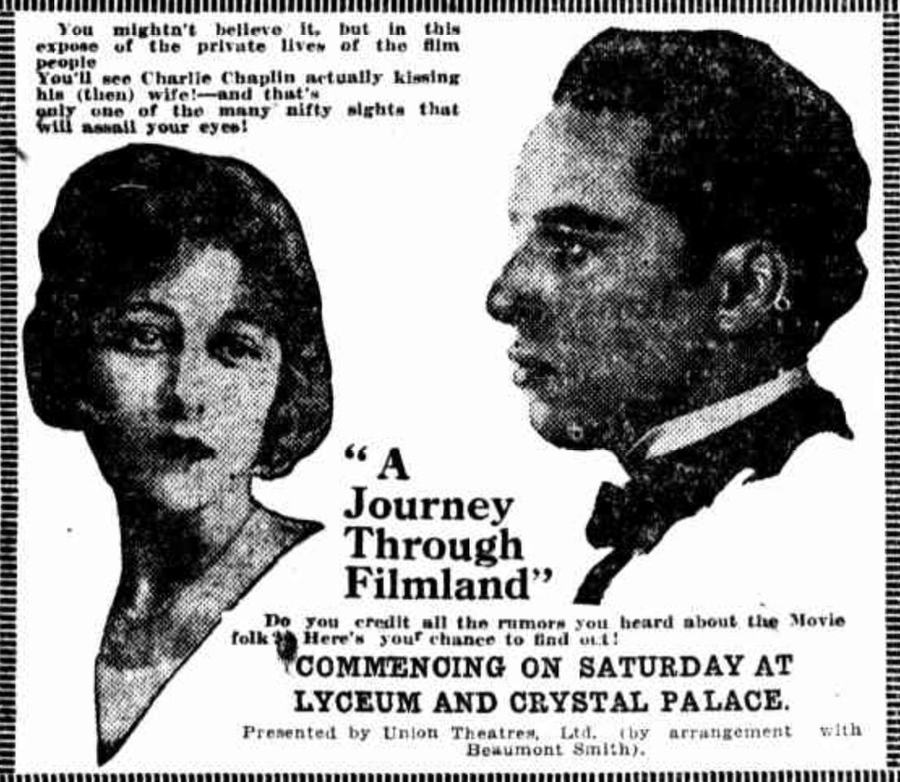
Australian documentary about Hollywood..
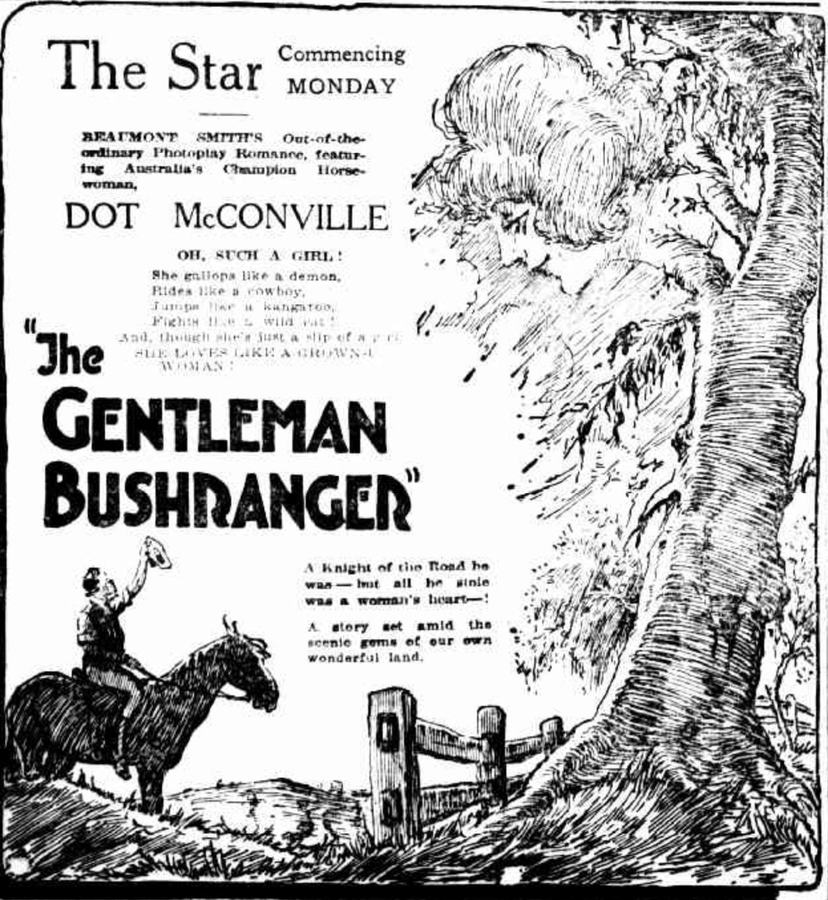
Beaumont Smith
Australia
A fever dream shot on gum-tree sunlight, Beaumont Smith’s A Journey Through Filmland is less documentary than séance—an antipodean blood-letting on Hollywood’s polished floor. There are films you watch and films that watch you. Smith’s 1921 curiosity belongs to the latter tribe; it crawls under your epidermis like c...
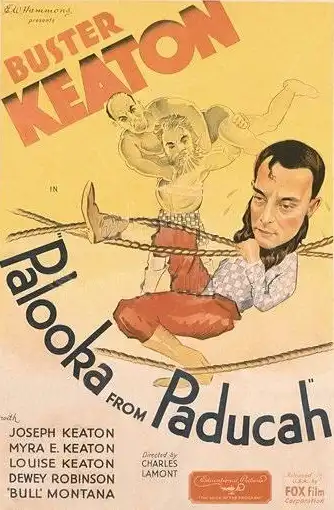
Comparing the cinematic DNA and archive impact of two defining moments in cult history.
Beaumont Smith
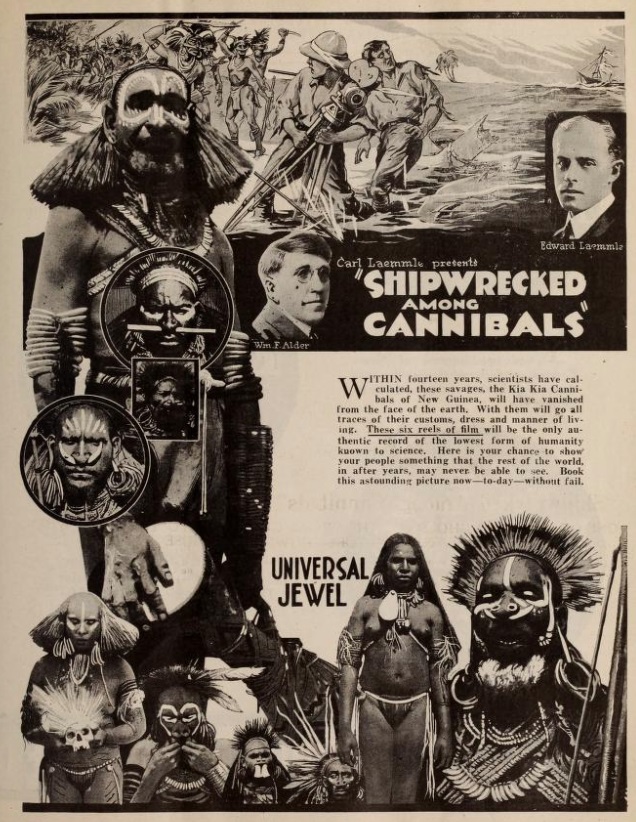
William F. Adler
Community
Log in to comment.
" A fever dream shot on gum-tree sunlight, Beaumont Smith’s A Journey Through Filmland is less documentary than séance—an antipodean blood-letting on Hollywood’s polished floor. There are films you watch and films that watch you. Smith’s 1921 curiosity belongs to the latter tribe; it crawls under your epidermis like celluloid splinters, festooned with the pollen of a hundred oxidised dreams. Combing through Australia’s National Film and Sound Archive, I unearthed a 35 mm dupe struck from a vine..."
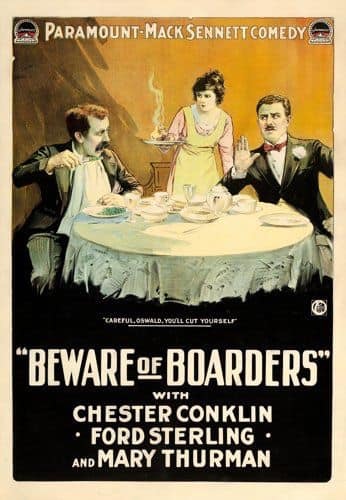
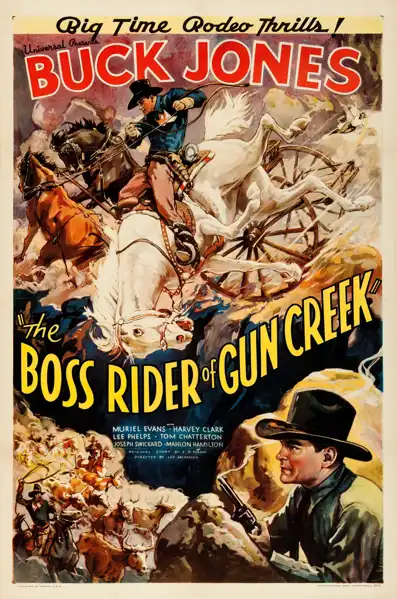
Deep dive into the cult classic
Discover similar cinematic experiences
A Directorial Spotlight on Beaumont Smith