Francis McDonald
actor
- Birth name:
- Francis James McDonald
- Born:
- 1891-08-22, Bowling Green, Kentucky, USA
- Died:
- 1968-09-18, Hollywood, California, USA
- Professions:
- actor
Biography
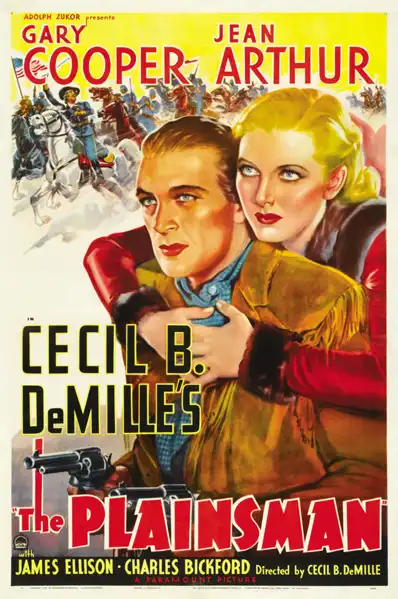
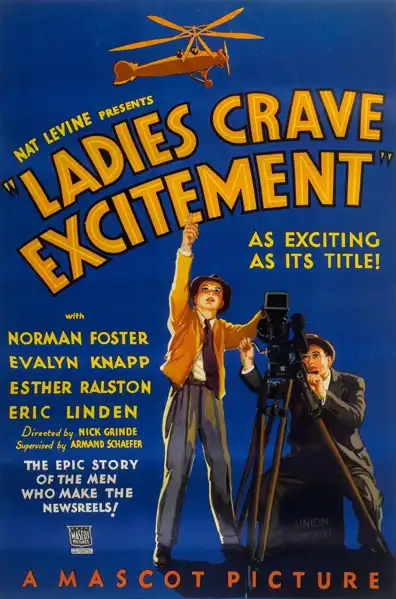
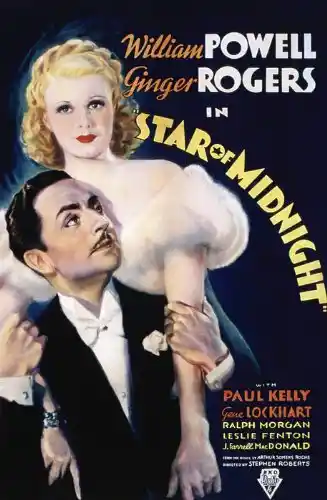
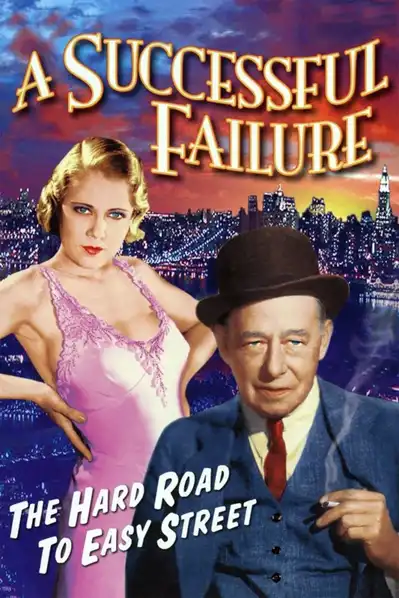
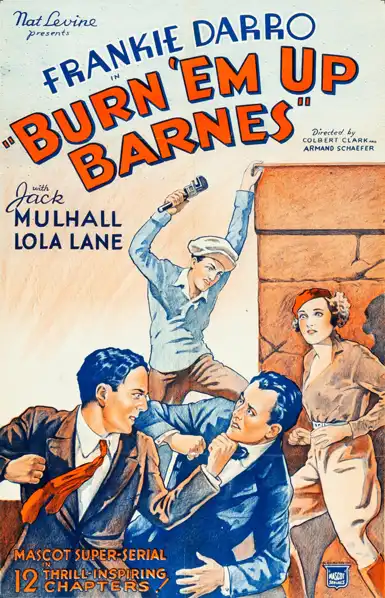
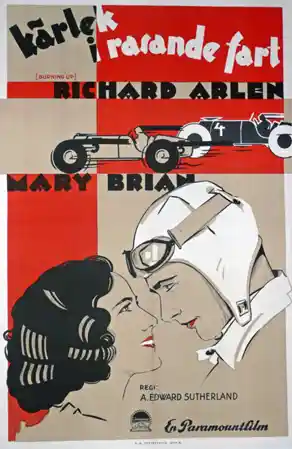
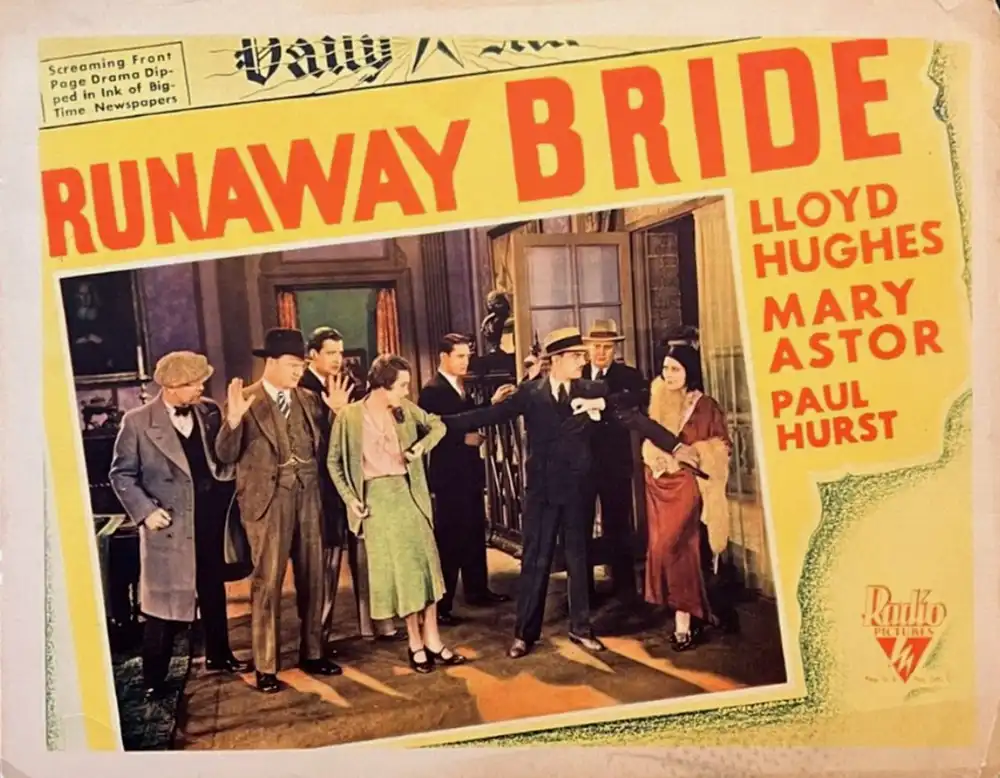
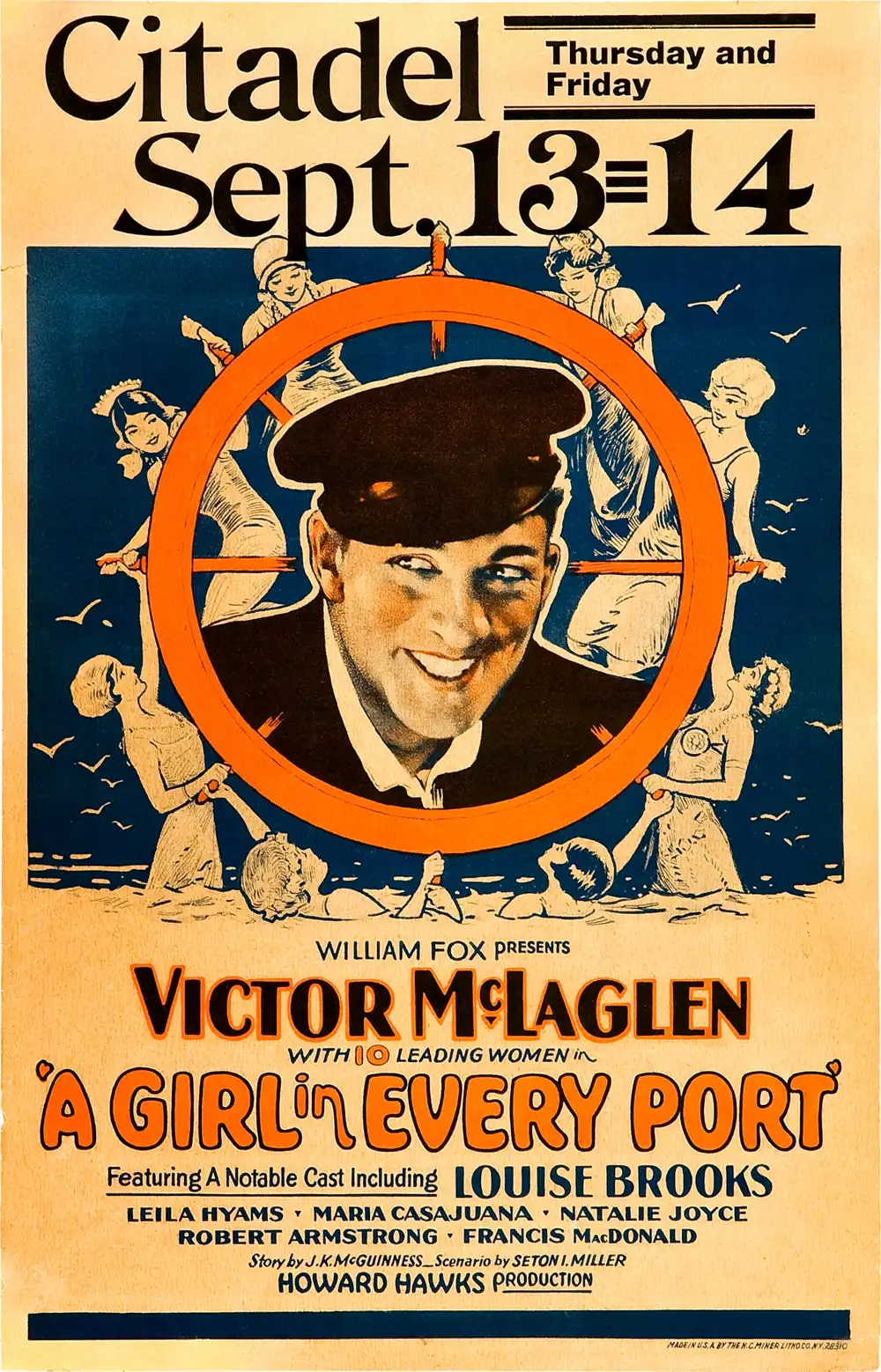
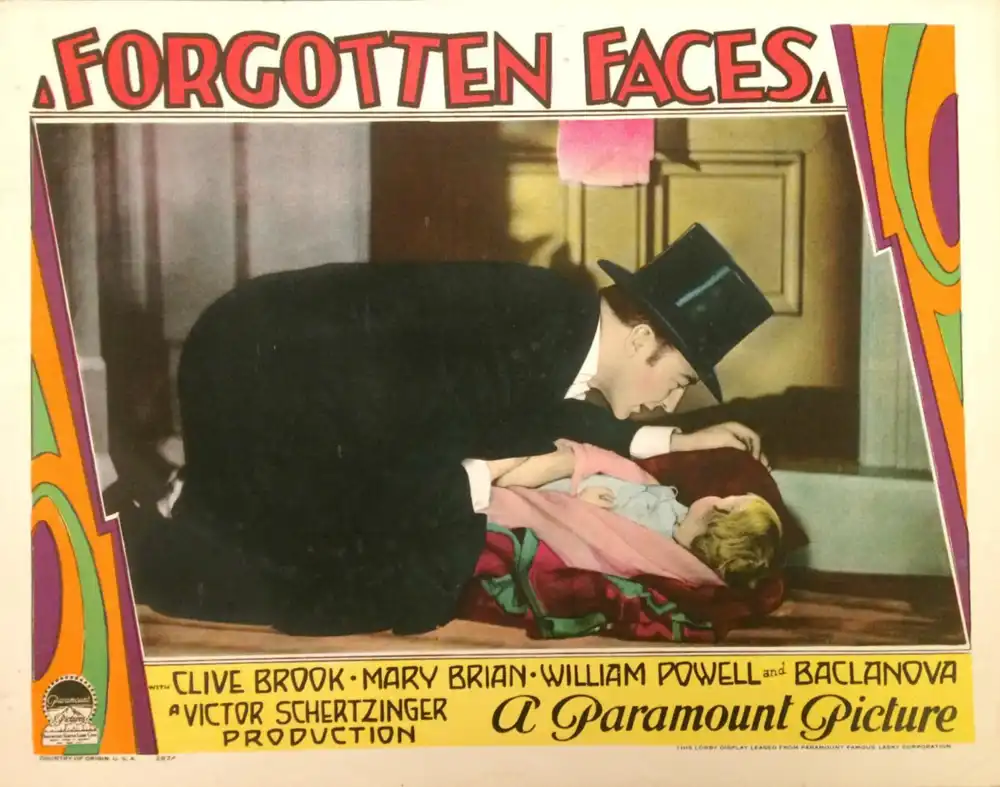
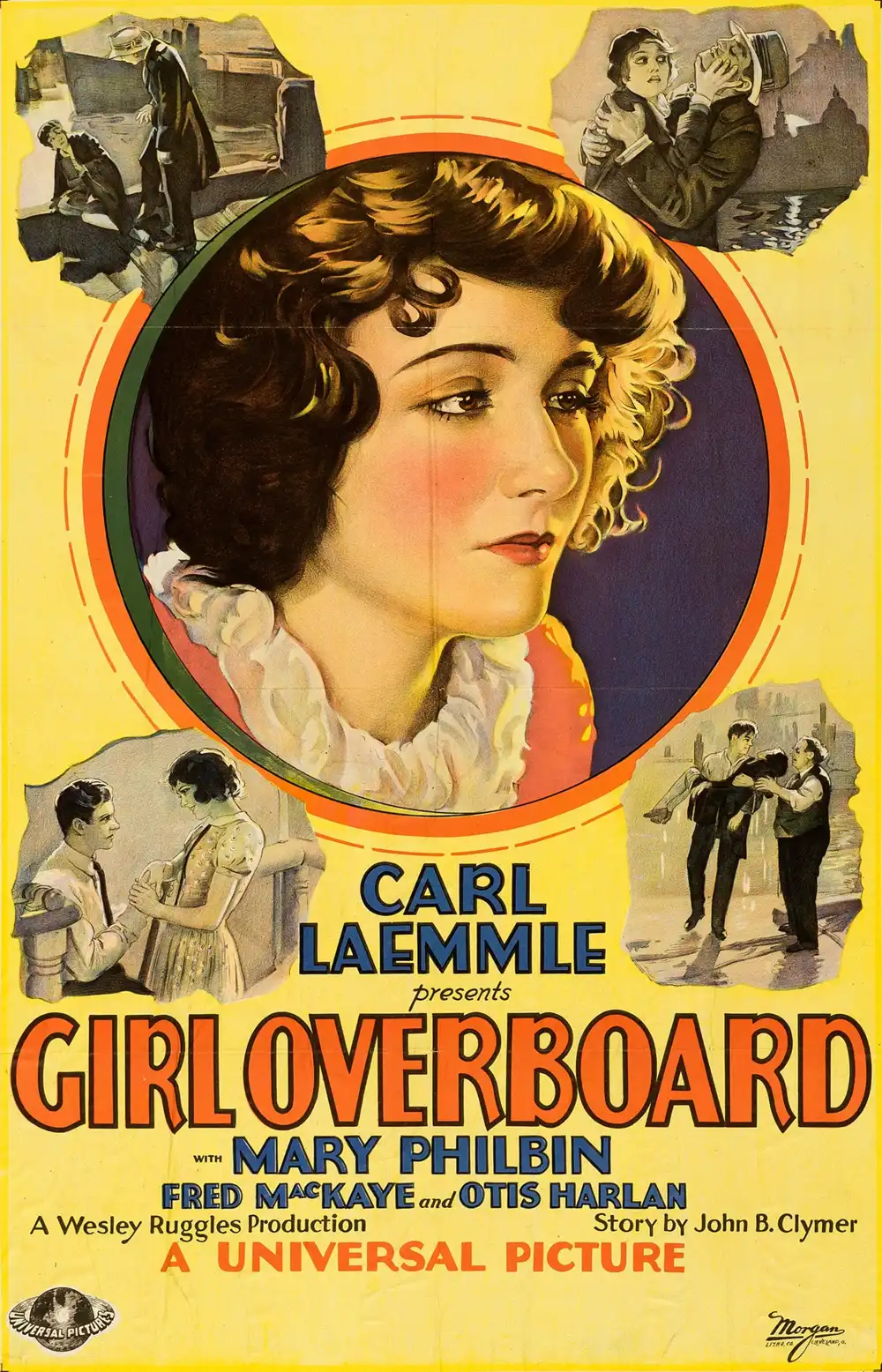
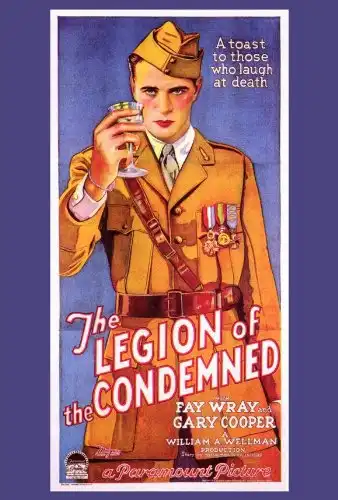
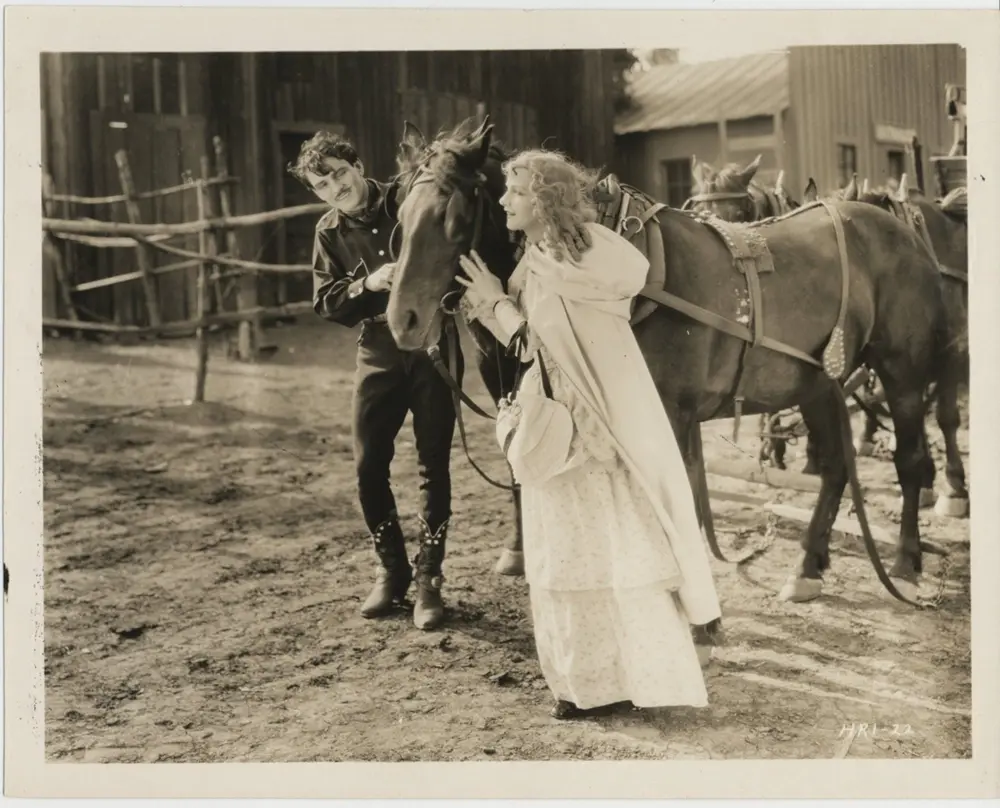
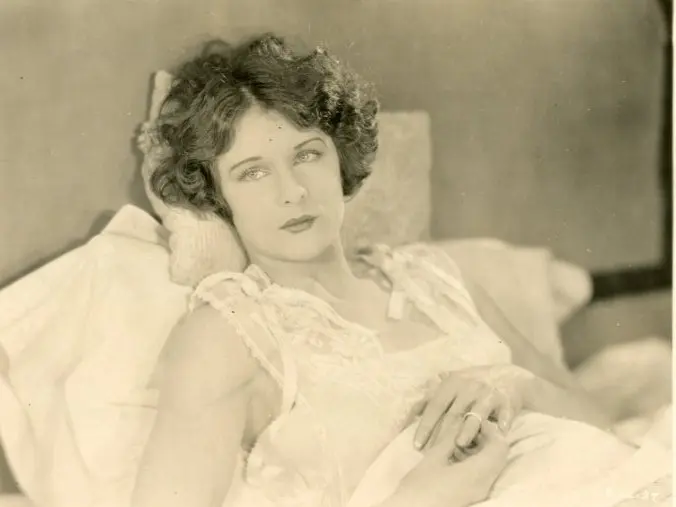
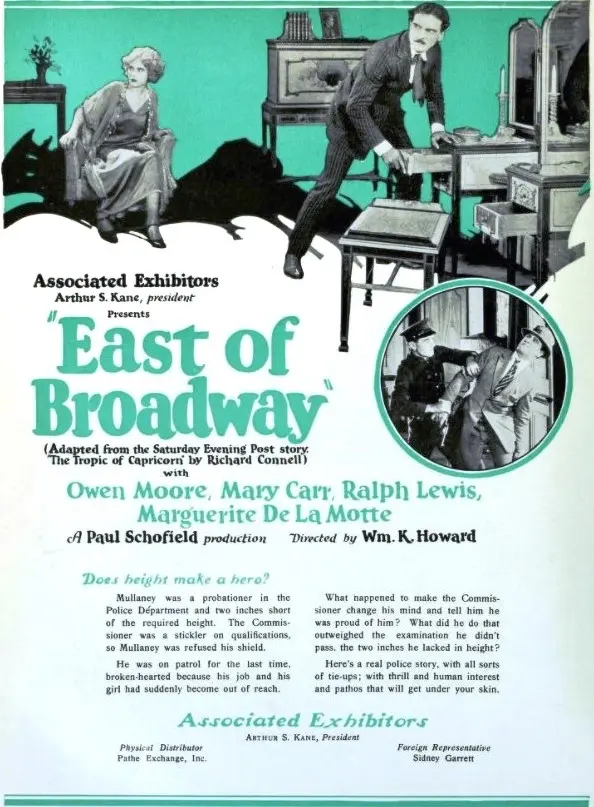
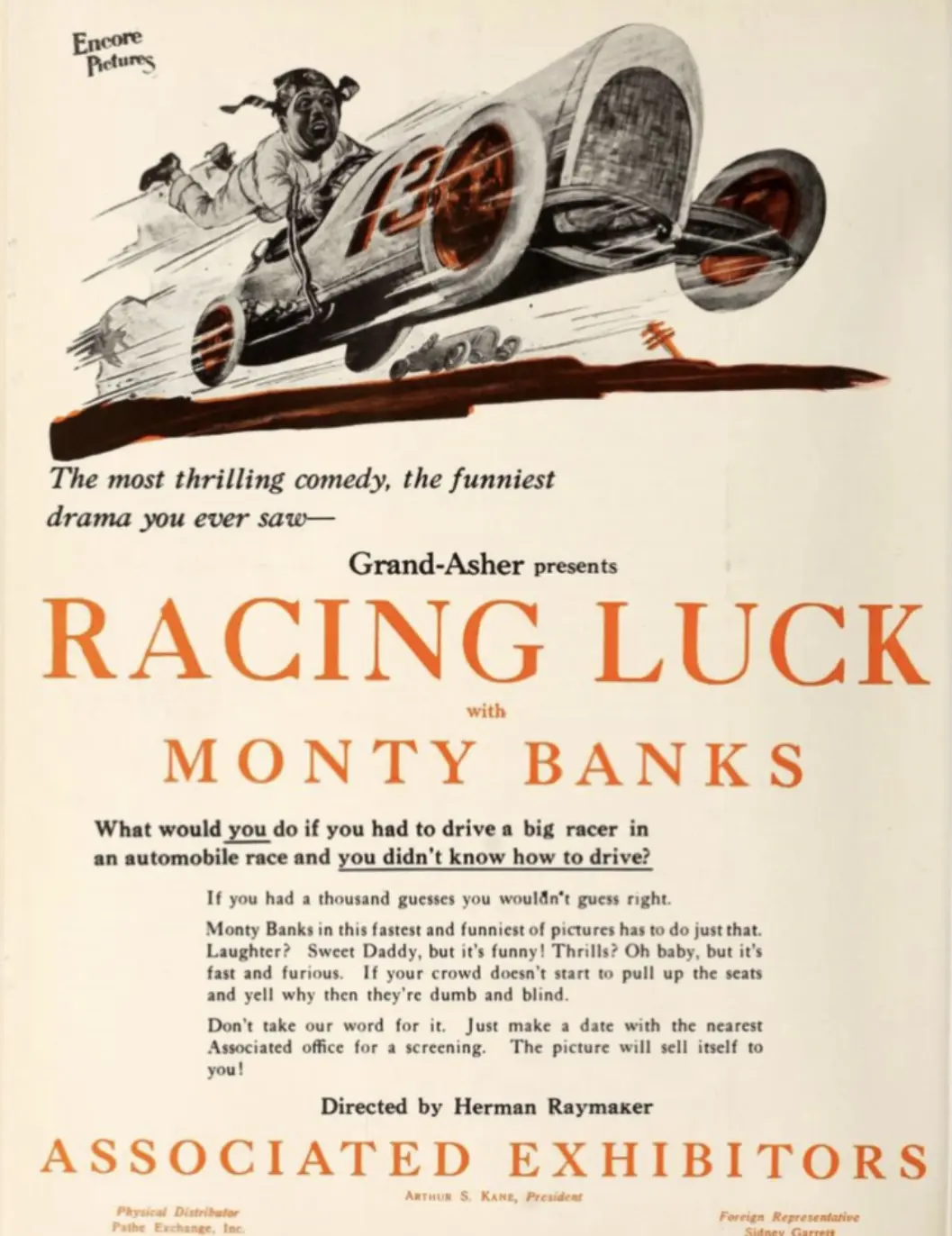
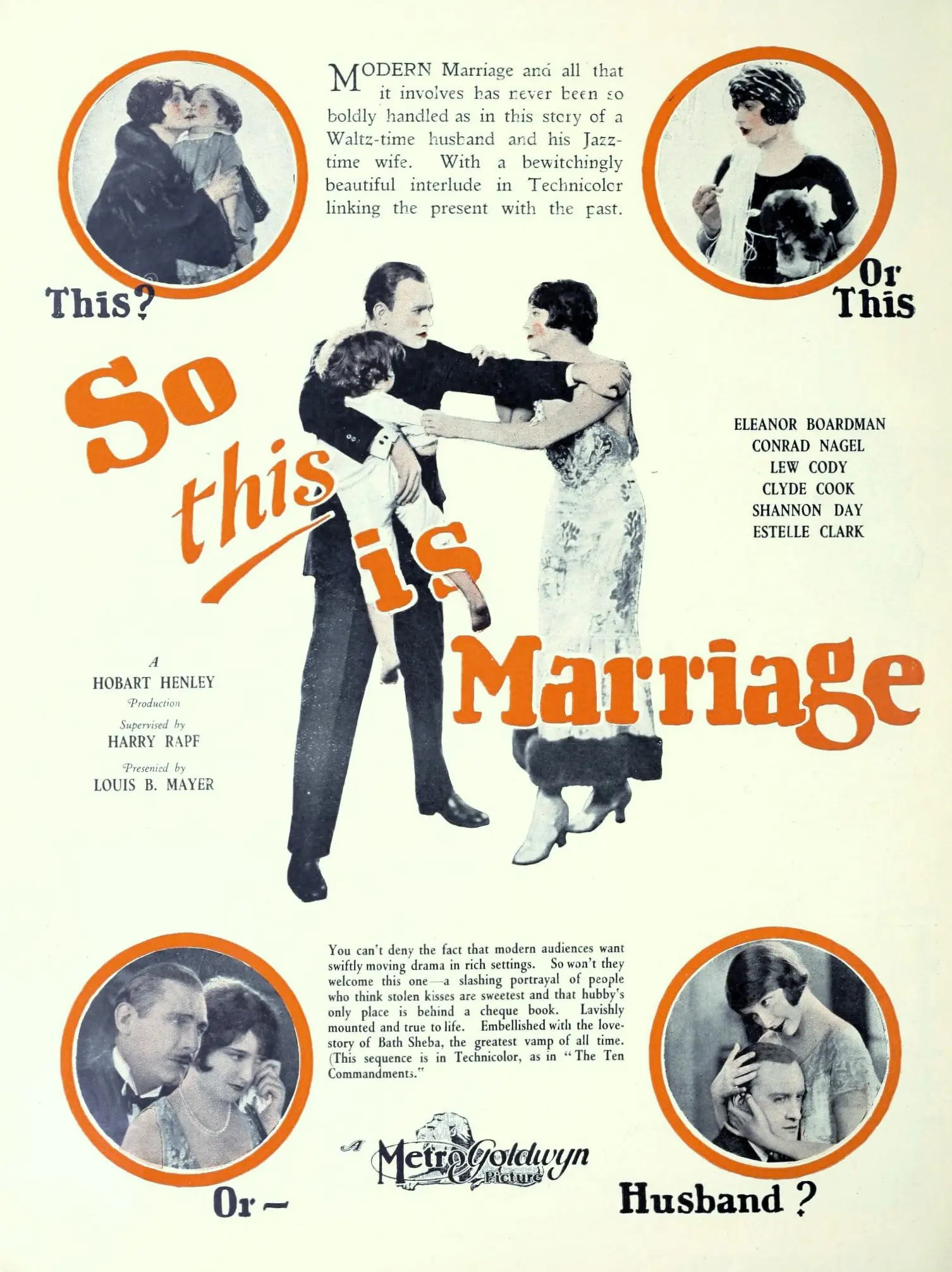
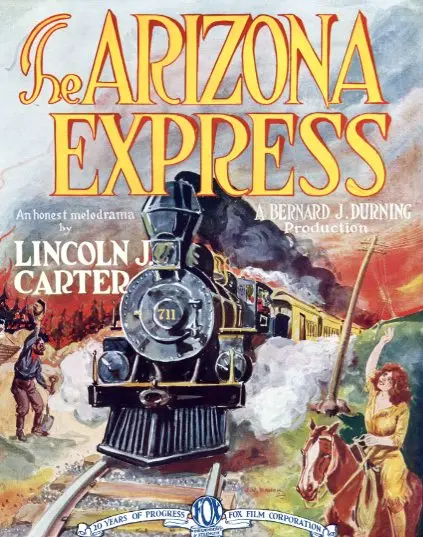
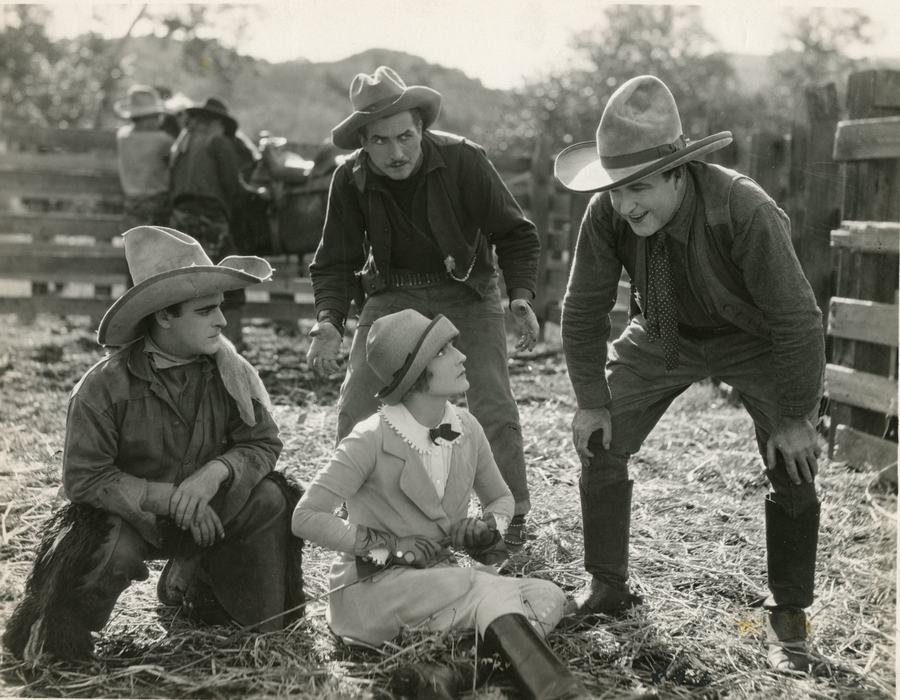
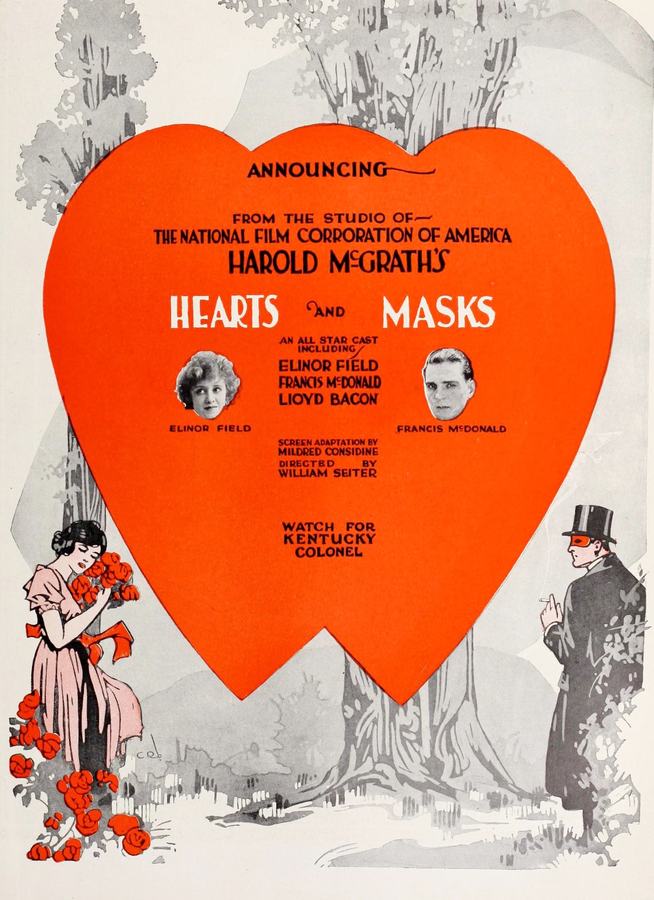
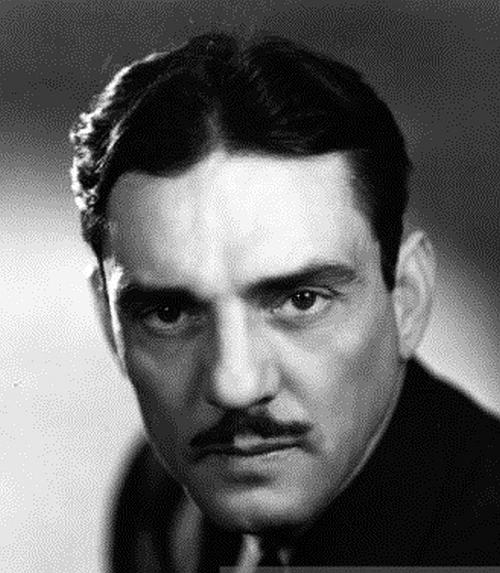
Francis J. McDonald’s passport to immortality was a face you could never quite place—until the lights dimmed and a thousand Saturday afternoons came rushing back. From nickelodeon flickers in 1913 to the thunder of DeMille’s Technicolor choirs, he logged almost 350 screen lives: swashbuckling lover, riverboat card-sharp, tribal elder, bullet-riddled outlaw, all sketched with a raised eyebrow or a tremor in that narrow, fox-bright face. He began as a lithe juvenile lead on Midwestern boards, hit Broadway twice in 1918, then stepped in front of a Chicago camera the year Woodrow Wilson moved into the White House. The twenties found him in doublets and tuxedos opposite the era’s loveliest women—among them, briefly, his wife, slapstick spitfire Mae Busch. Talkies arrived; by Burning Up (1930) he already carried an uncommonly heavy résumé—eighty-three features before microphones mattered. Middle age nudged him toward darker corners: cigarette-smoking conspirators, sweat-beaded gunmen, courtiers whispering treachery in every imaginable accent. The mustache grew stiffer, the eyes beadier, and Cecil B. DeMille—spotting a perfect “period face”—folded him into The Plainsman (1936) and kept him on call for the next two decades. Through Depression and war, MacDonald averaged six or seven pictures yearly, sliding between Poverty Row westerns and gilt-edged A-features. When television galloped in, he simply rode the new trail: The Lone Ranger, Kit Carson, Hickok, Range Rider, then the Warner stable—Maverick, Bronco, Sugarfoot—every saloon door a paycheck. Yet even amid the sagebrush churn, DeMille handed him a final benediction: Simon the Israelite in The Ten Commandments (1956). Covered in Nile mud, he begs for his people’s release, takes a Roman trowel in the ribs, and dies while Charlton Heston’s Moses swears the promise of deliverance. One more death, one more close-up—etched forever in the flicker of a drive-in screen somewhere in America, where a kid squints and says, “Hey, that guy looks familiar.”
Filmography
In the vault (95)