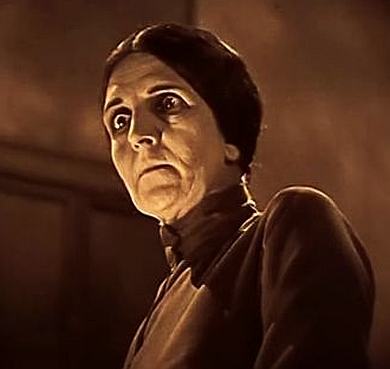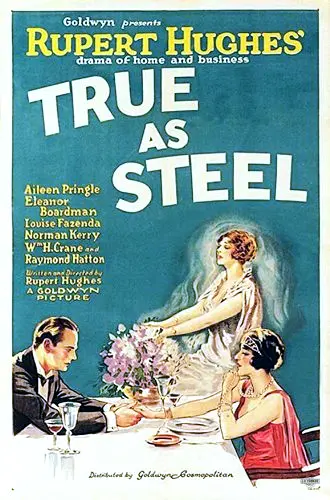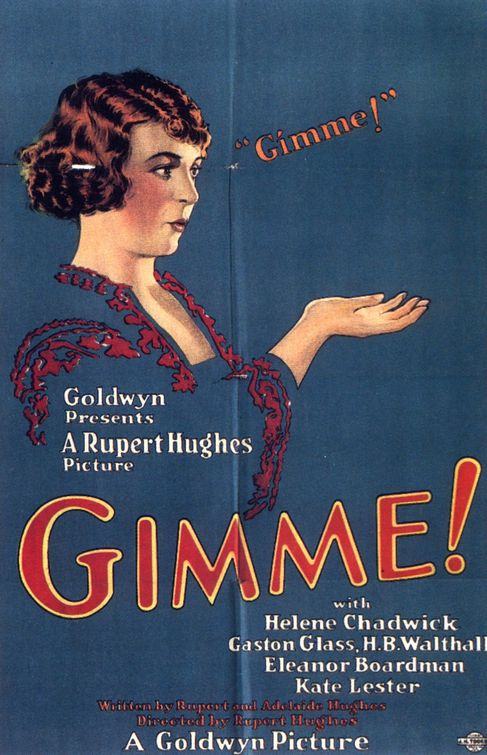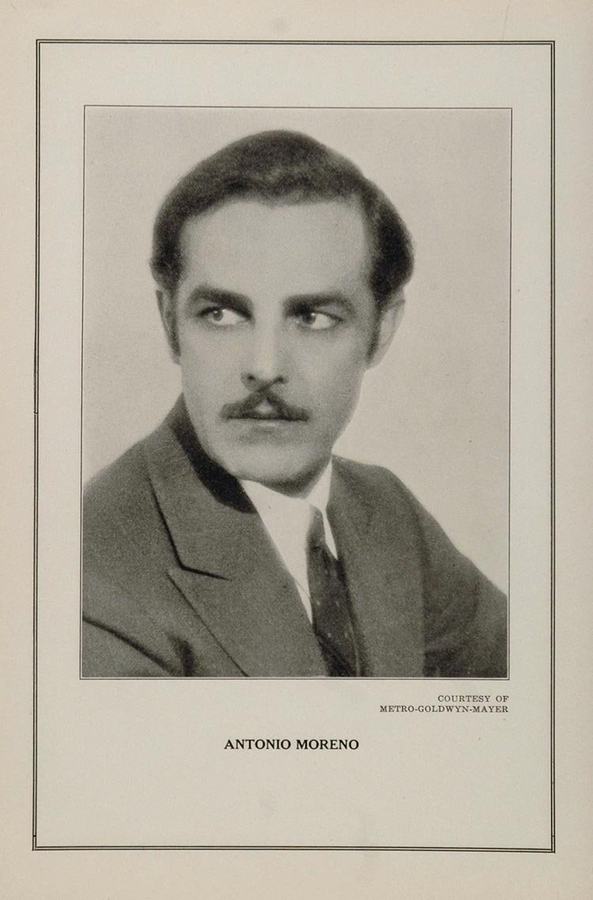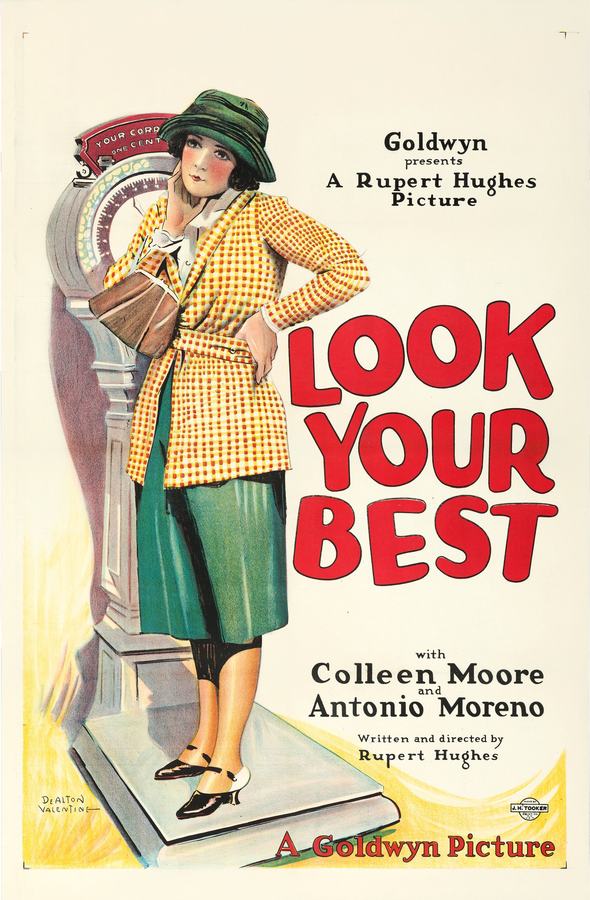
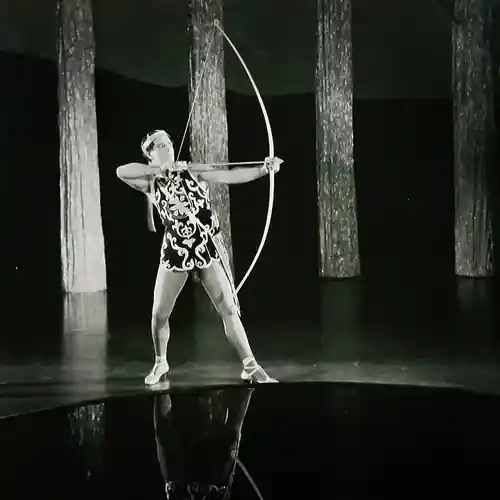
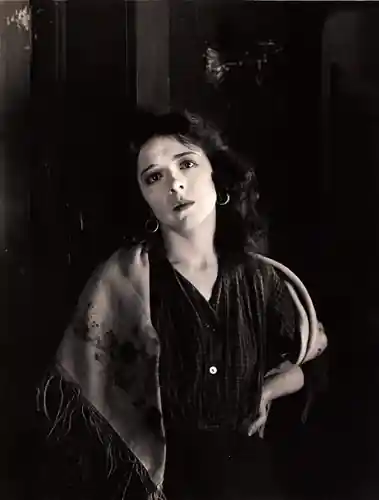
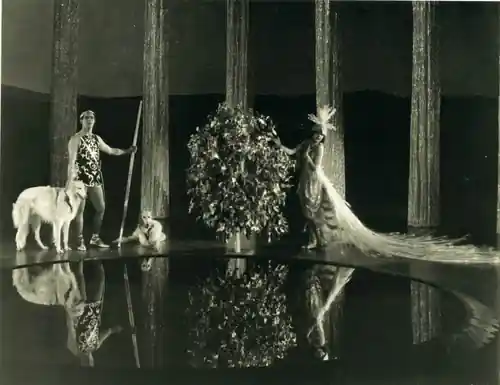
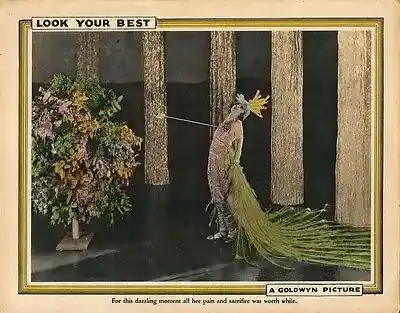
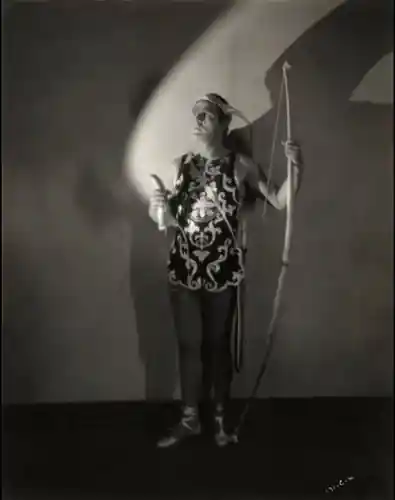
Perla Quaranta, a half-starved "daughter of Little Italy," is given the place in Carlo Bruni's "Butterfly Act" that is vacated by a chorus girl who has grown too fat. Although Perla becomes friendly with Krug, the wire-man, she rejects him as a suitor, and in revenge Krug causes Perla's wire to break, hoping she will be fired for gaining weight.
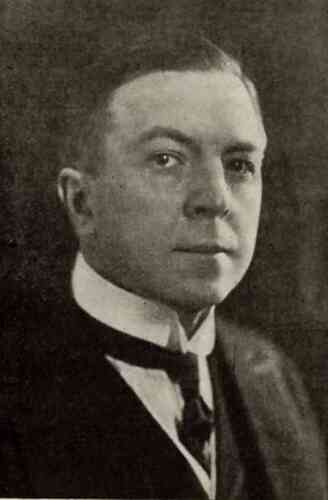
Ah, the silent era. A time when narratives unfurled with a grand, often melodramatic, flourish, relying on expressive physicality and stark intertitles to convey the human condition. Among the myriad forgotten and rediscovered treasures of this period, Rupert Hughes’s screenplay for 'Look Your Best' emerges as a p...
still_frame

publicity
still_frame
publicity
production_art
publicity
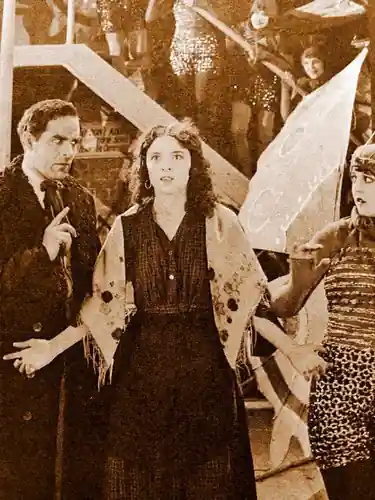
still_frame
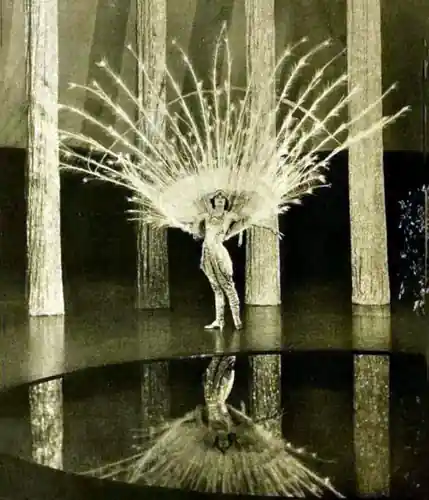
still_frame
Comparing the cinematic DNA and archive impact of two defining moments in cult history.
Rupert Hughes
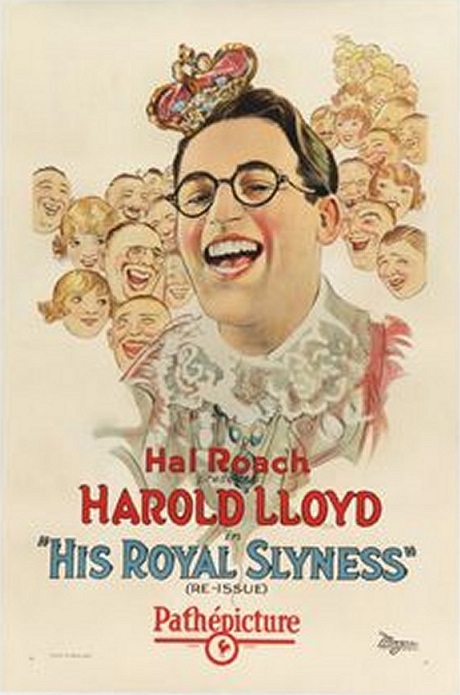
Hal Roach
Community
Log in to comment.
" Ah, the silent era. A time when narratives unfurled with a grand, often melodramatic, flourish, relying on expressive physicality and stark intertitles to convey the human condition. Among the myriad forgotten and rediscovered treasures of this period, Rupert Hughes’s screenplay for 'Look Your Best' emerges as a particularly intriguing specimen. Released in 1916, this film isn't merely a quaint historical artifact; it's a surprisingly nuanced, if occasionally peculiar, exploration of ambiti..."

Colleen Moore
Rupert Hughes
United States
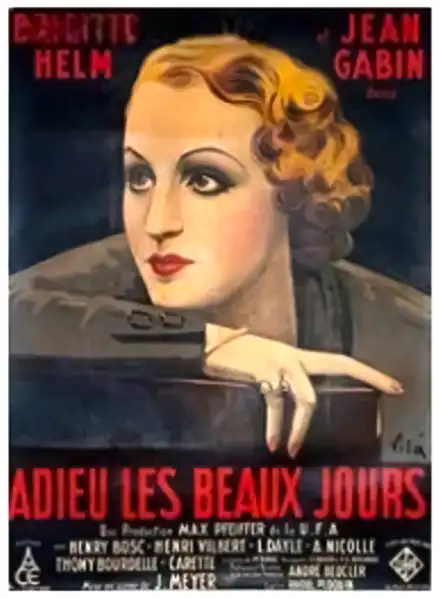
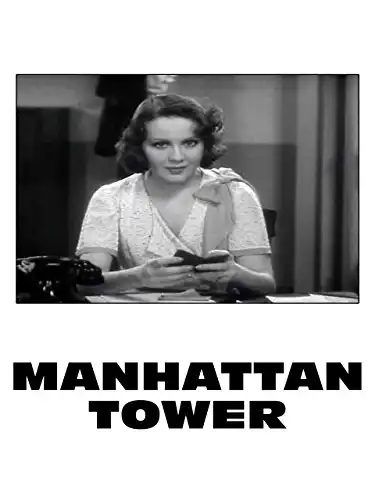
Deep dive into the cult classic
Discover similar cinematic experiences
A Directorial Spotlight on Rupert Hughes