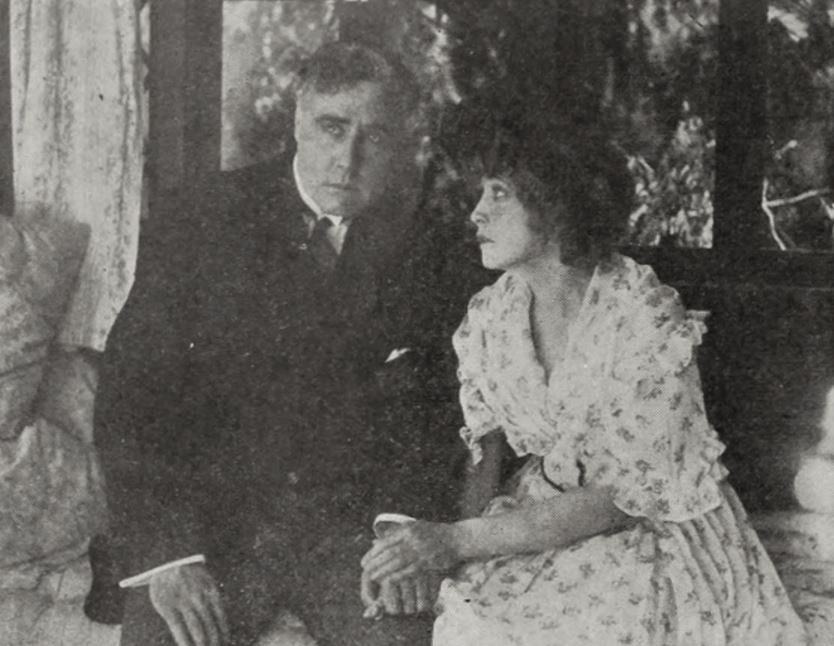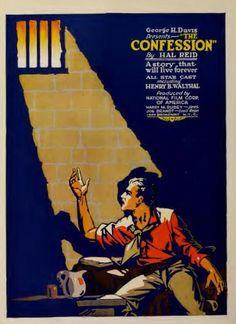
A priest hears a murderer's confession but can't reveal the truth, even though his brother is being tried for the crime..
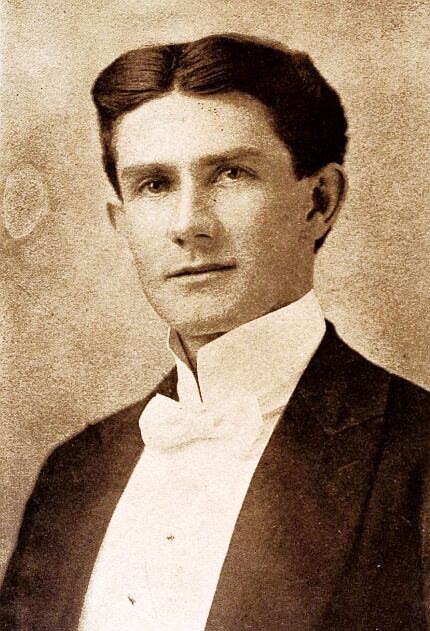
The first time I watched The Confession I forgot to breathe for roughly twelve minutes. Not hyperbole—my Apple Watch pinged a low-oxygen alert during the scene where Barney Furey’s priest clutches the communion wafer like it’s a tiny white life raft. Silent cinema rarely gets credit for physiological hostage situation...
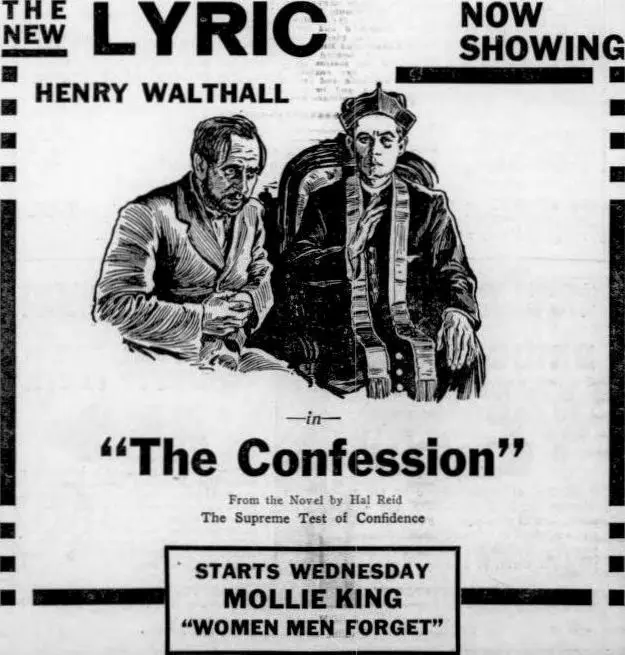
production_art
Comparing the cinematic DNA and archive impact of two defining moments in cult history.
Bertram Bracken
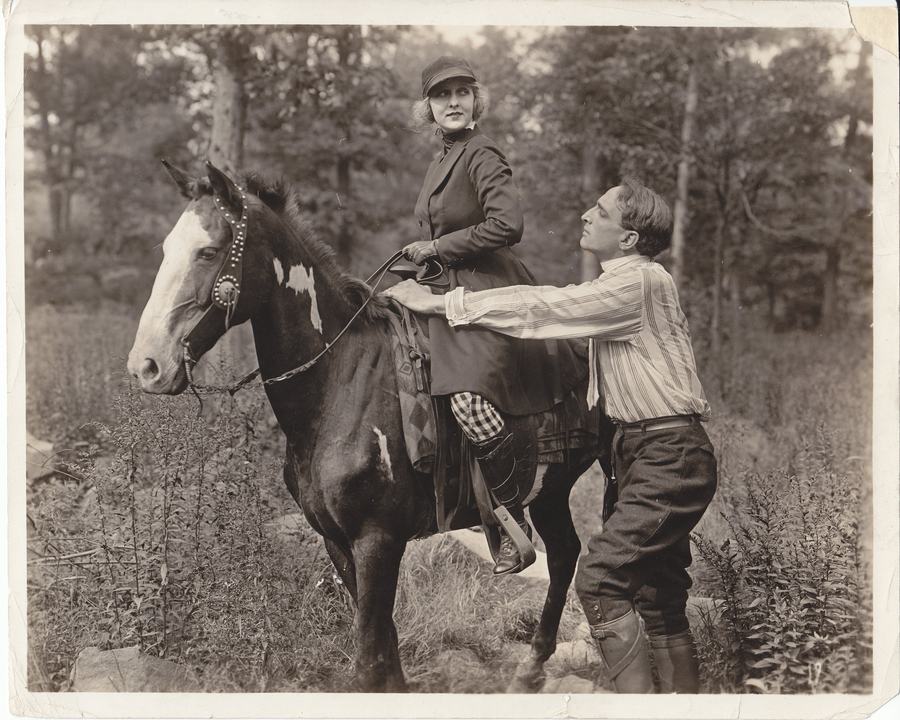
Bertram Bracken
Community
Log in to comment.
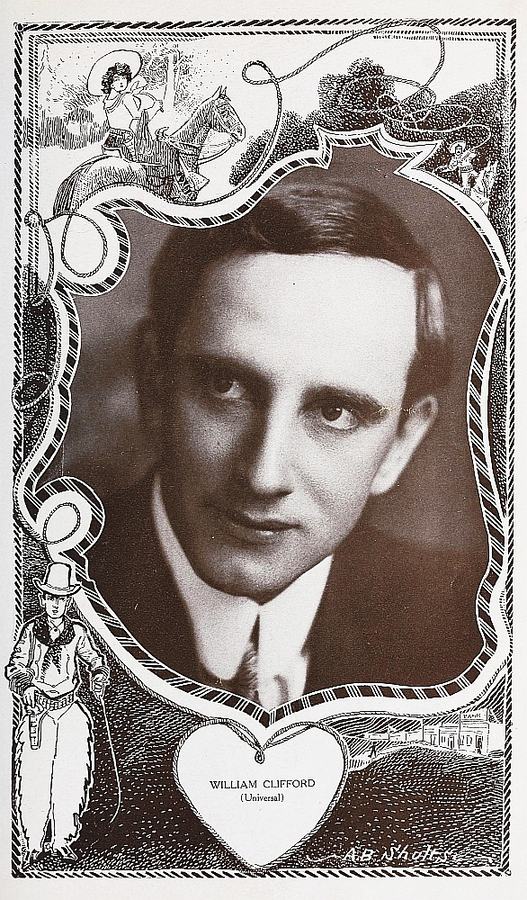
" The first time I watched The Confession I forgot to breathe for roughly twelve minutes. Not hyperbole—my Apple Watch pinged a low-oxygen alert during the scene where Barney Furey’s priest clutches the communion wafer like it’s a tiny white life raft. Silent cinema rarely gets credit for physiological hostage situations, but this 1920 one-reel wonder weaponizes intertitles into razor wire. Toss any notion of musty piety. Directors William H. Clifford and Hal Reid stage the sacrament of penance ..."
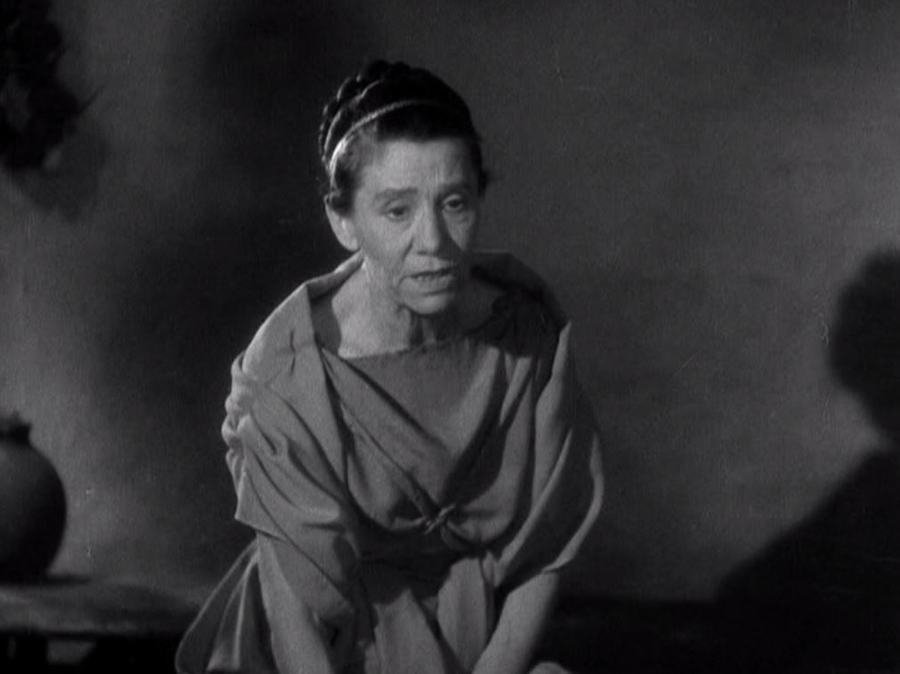
Margaret McWade
William H. Clifford, Hal Reid, Franklyn Hall
United States
Deep dive into the cult classic
Discover similar cinematic experiences
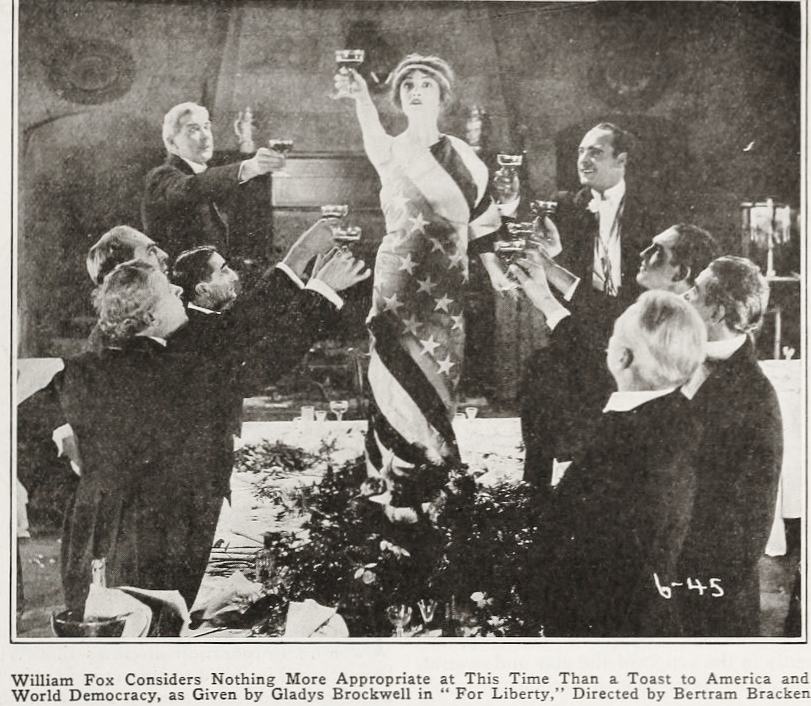
A Directorial Spotlight on Bertram Bracken